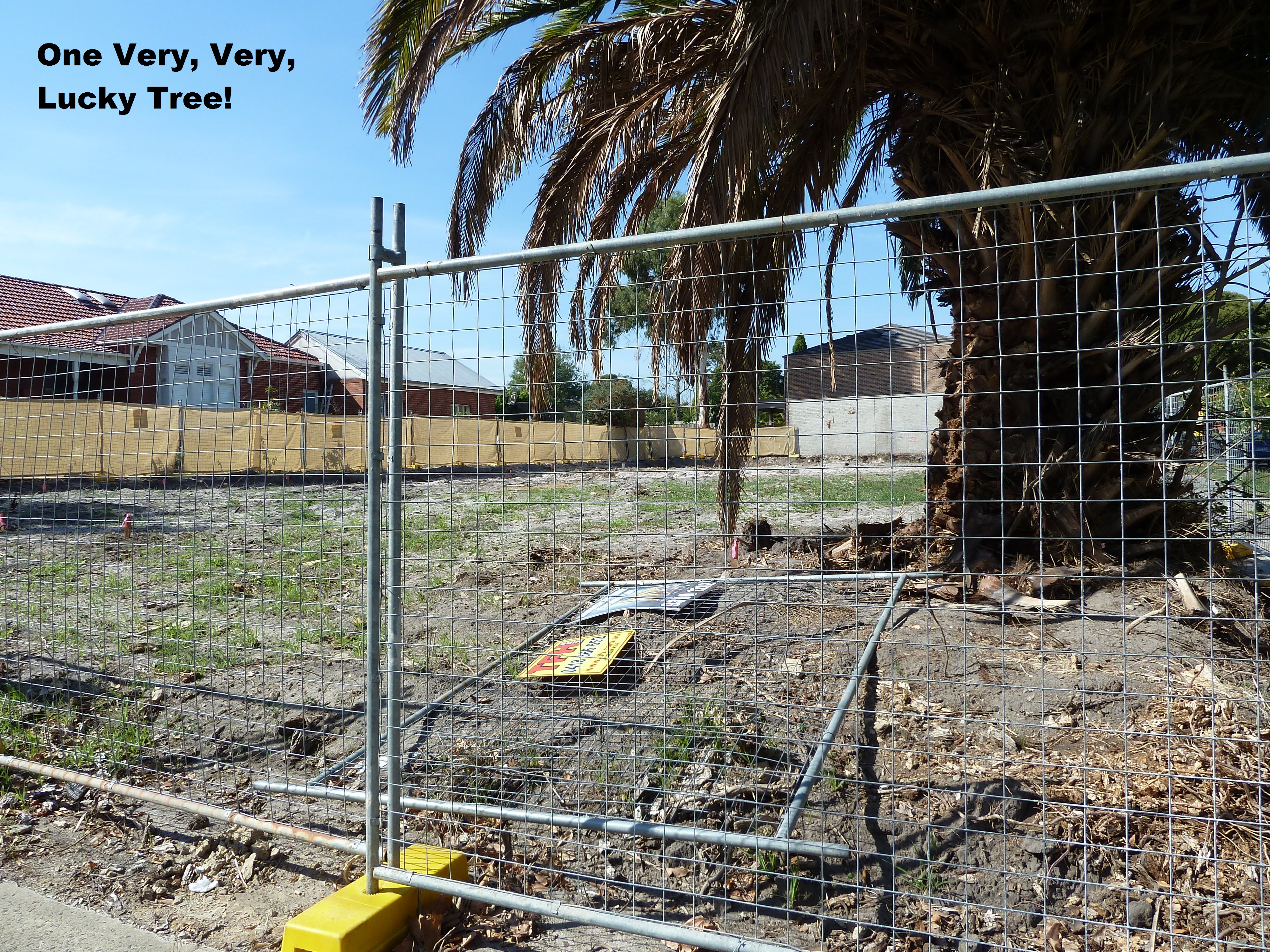
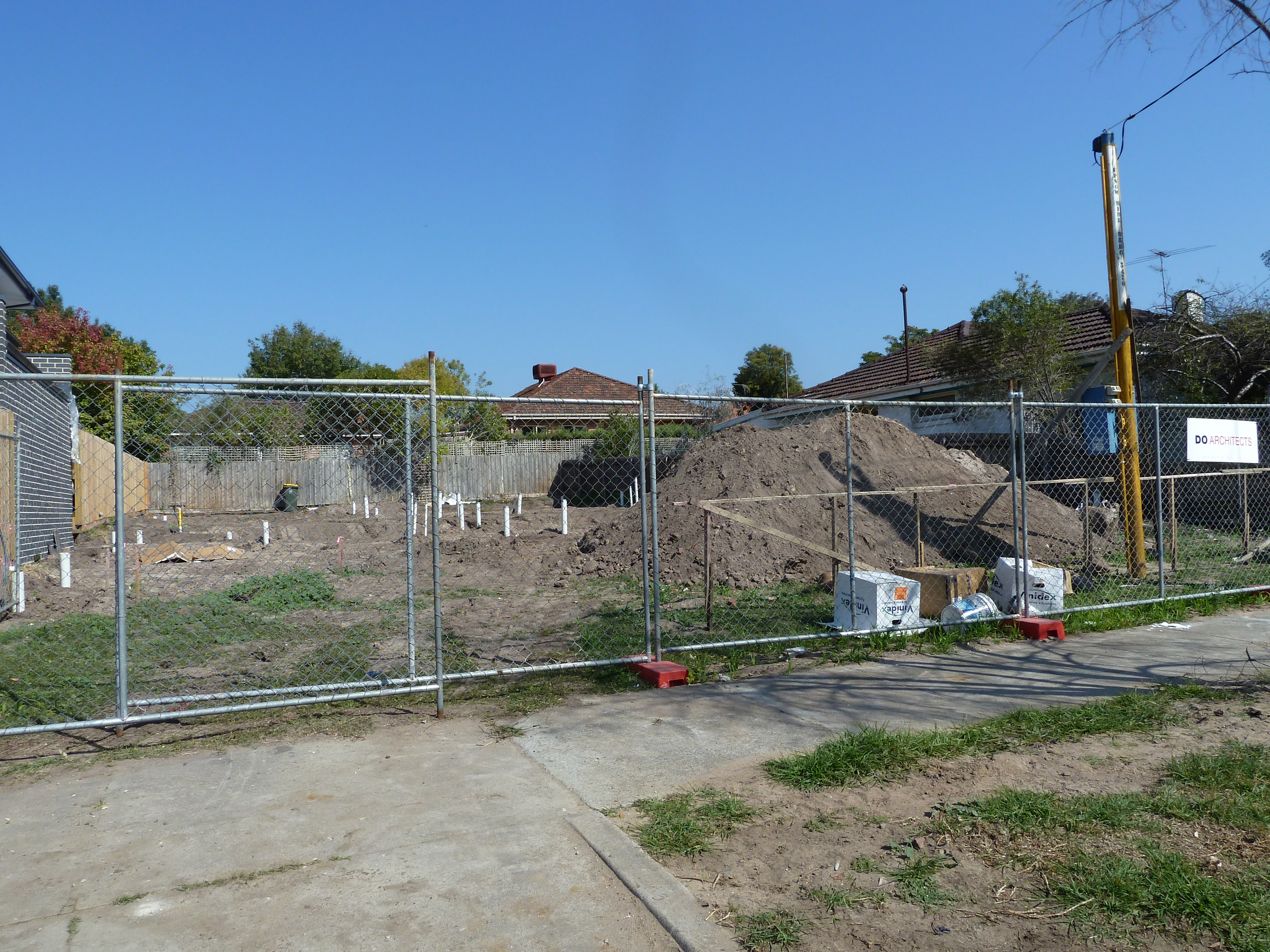
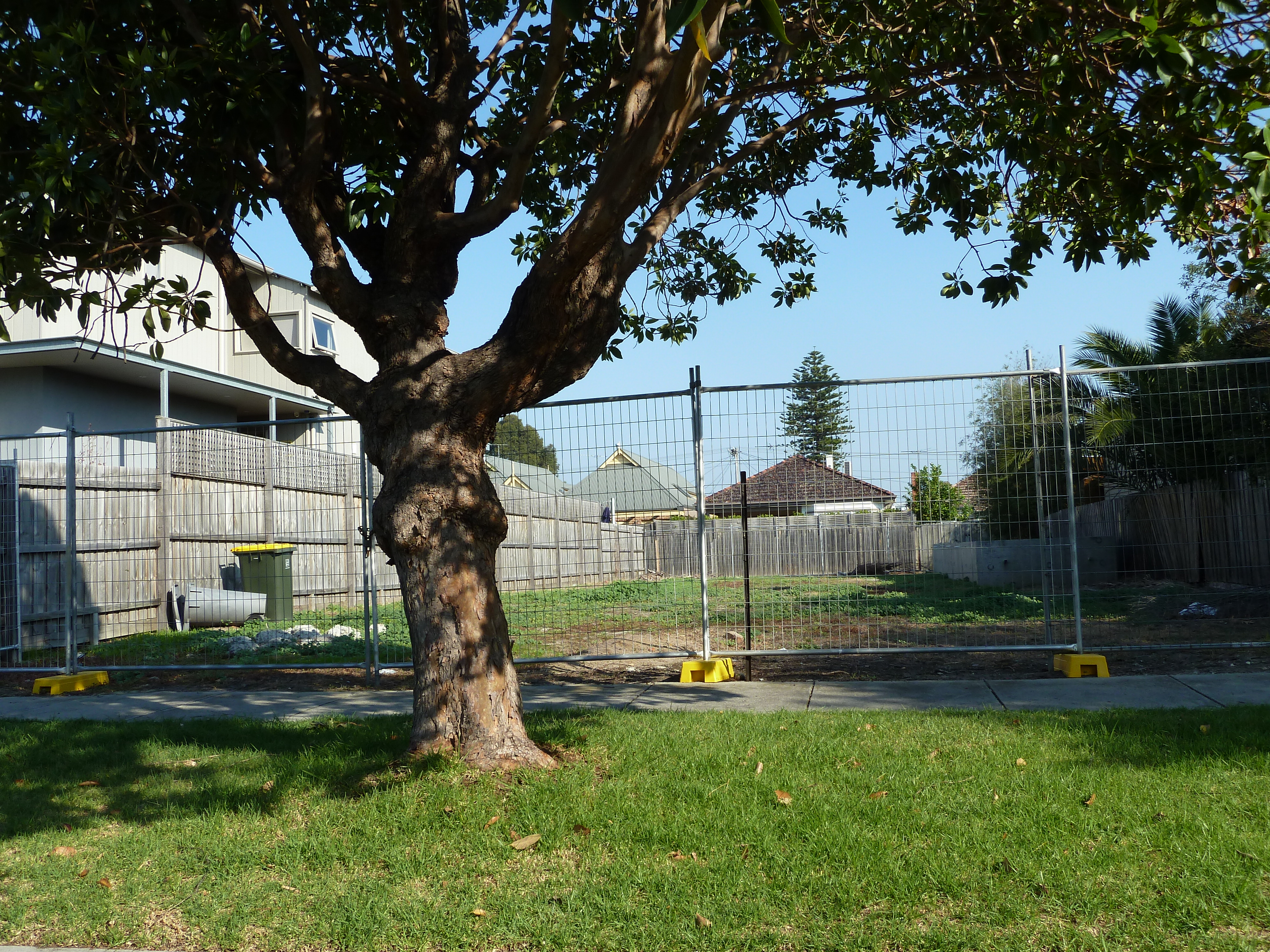
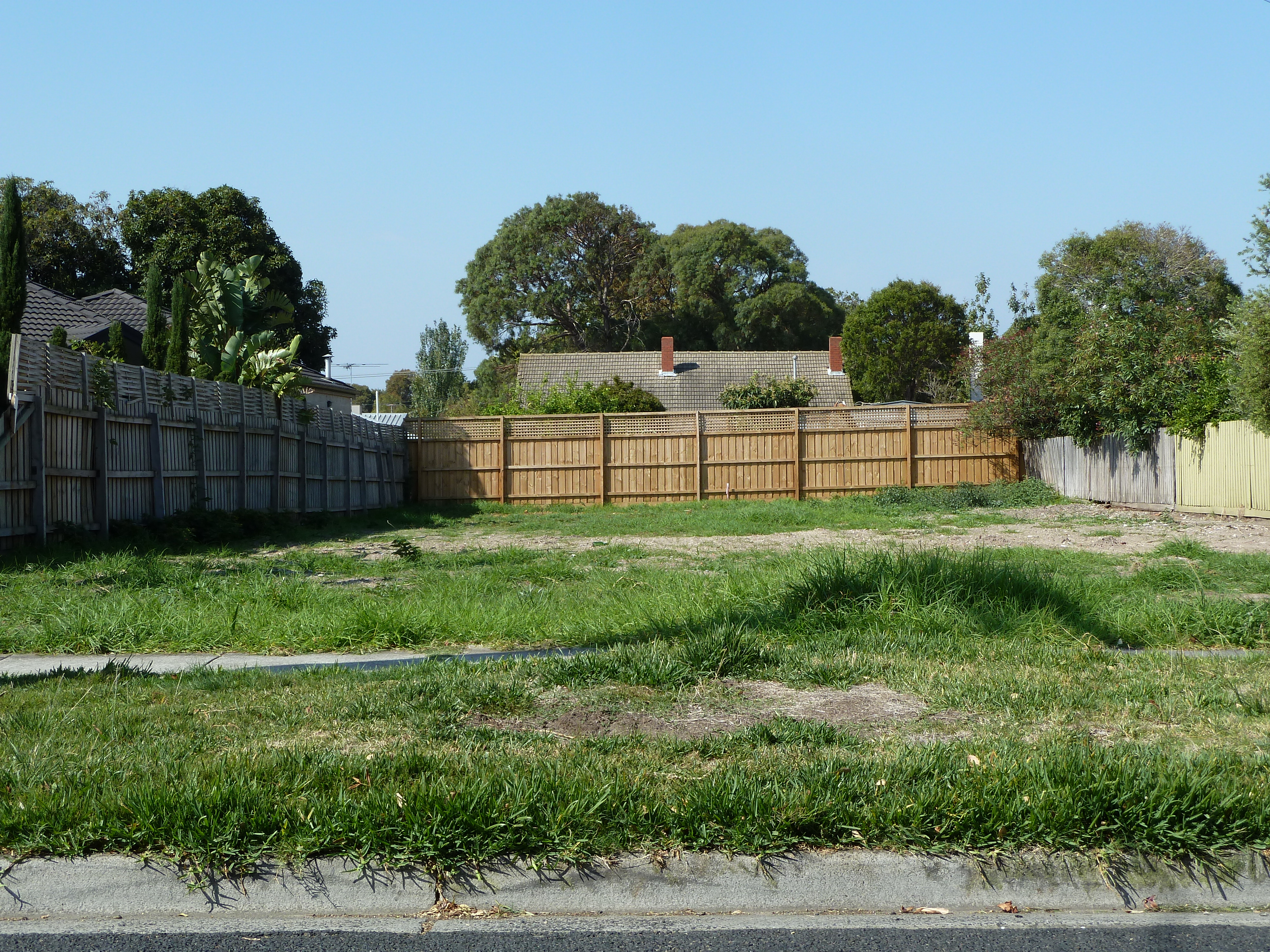
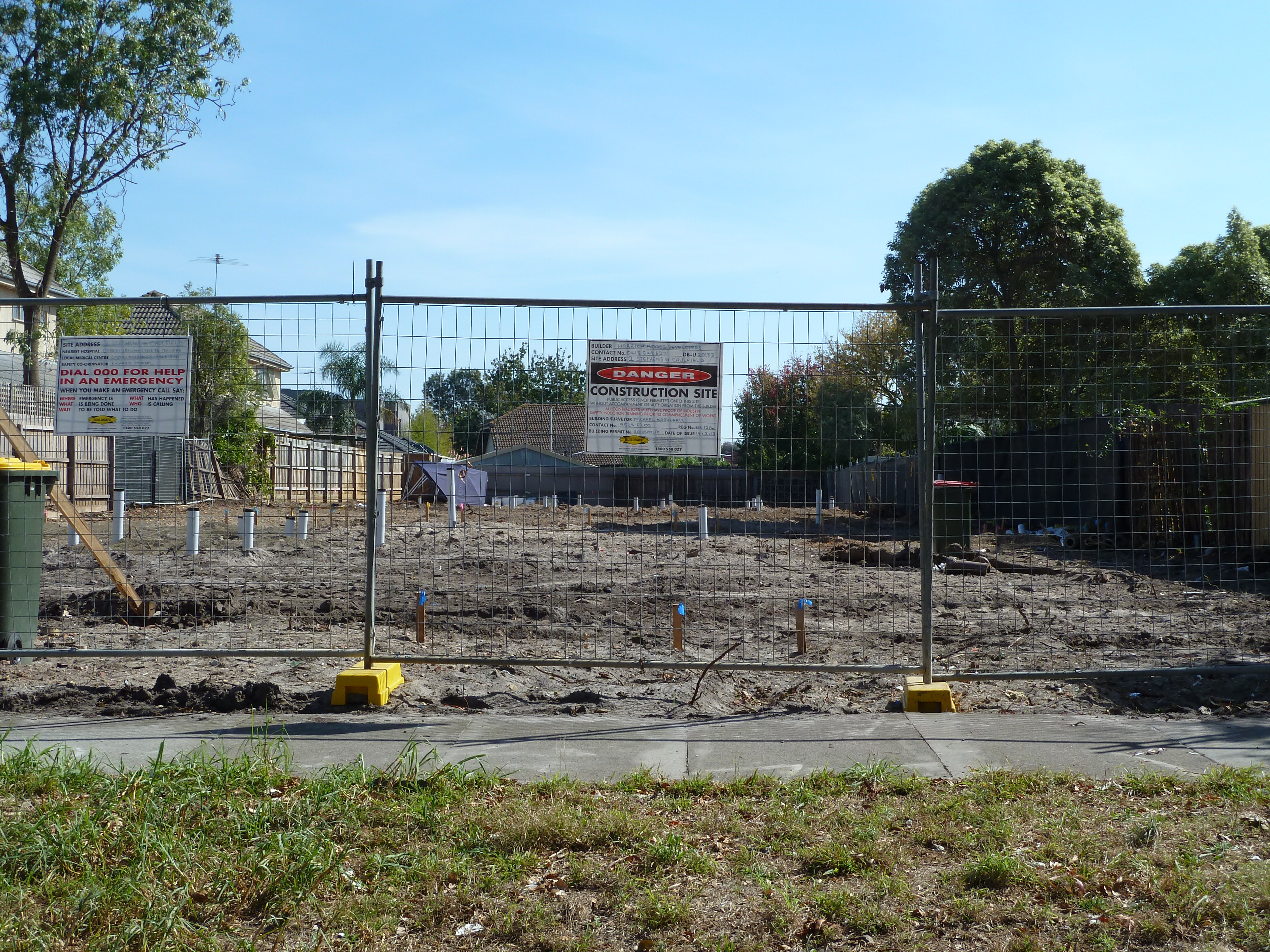
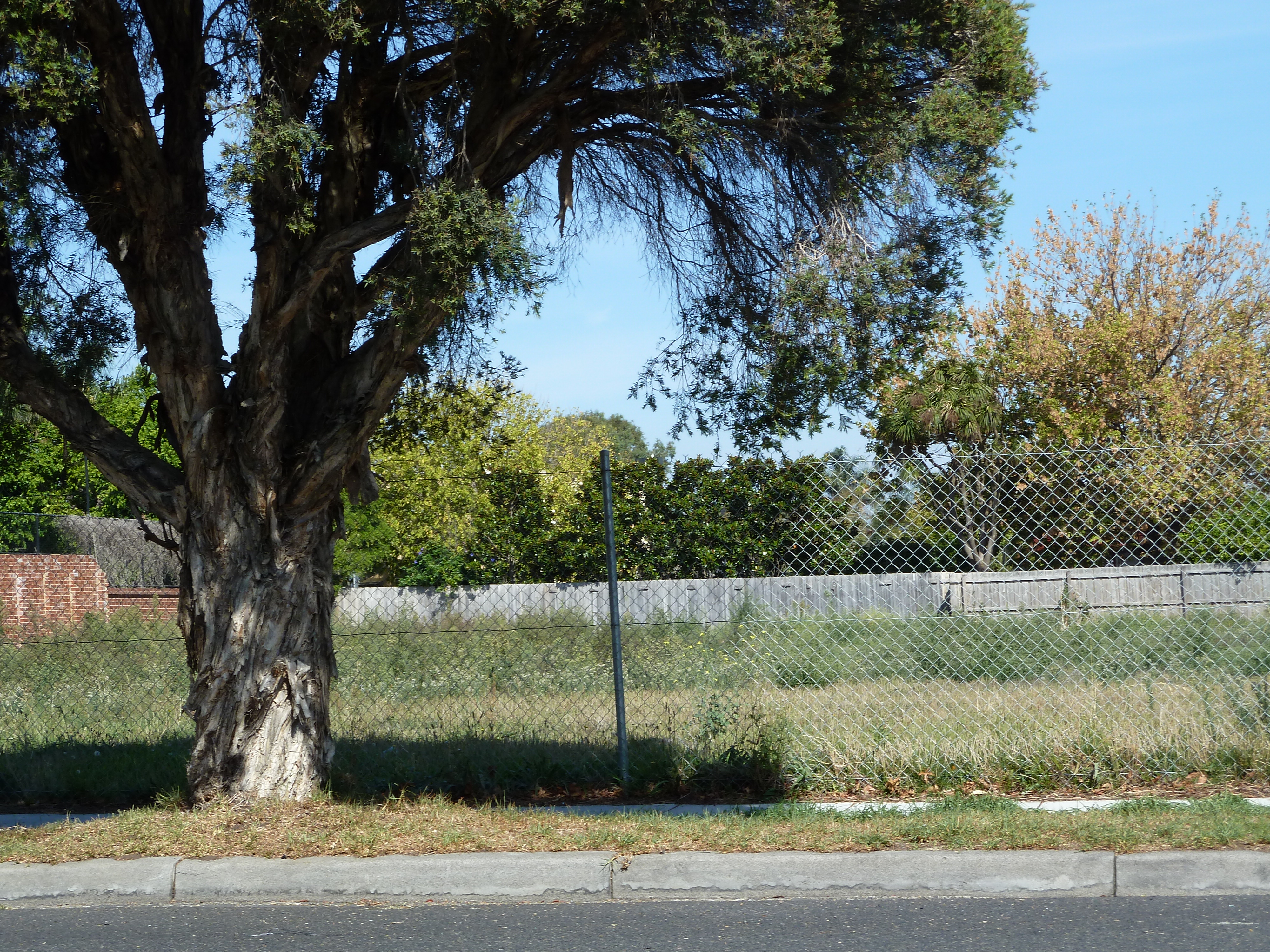
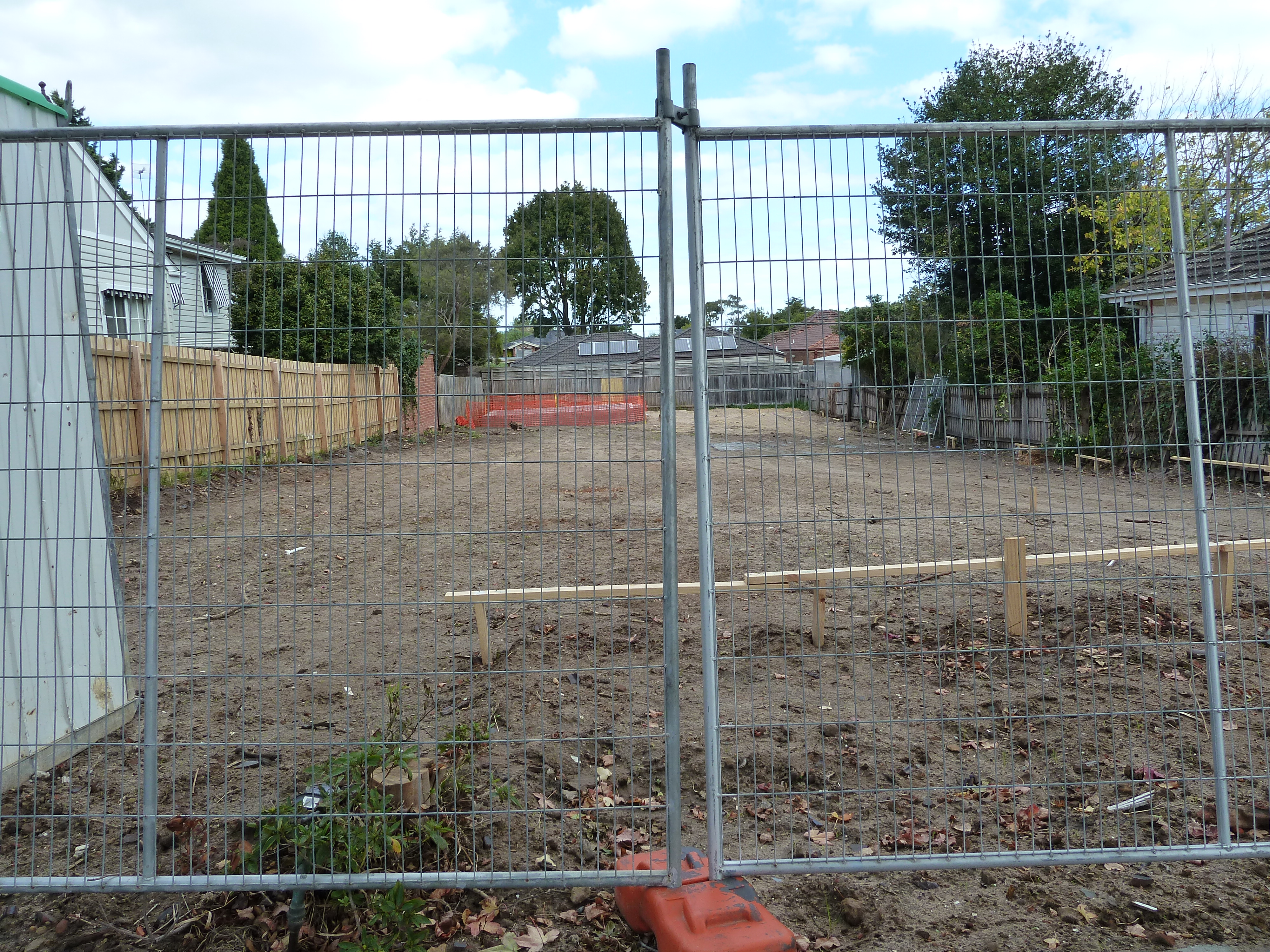
Drive or walk anywhere throughout Glen Eira and you’ll find block after block waiting to be developed, or in various stages of development. What they all have in common (with some very rare exceptions) is that they are treeless and that every remnant of vegetation has been ripped out in order to cram bigger or higher density development onto the land. Moonscaping is definitely a most appropriate name for all this.
Yet, when it comes to tree registers and their protection on private property, the arguments put up by some councillors are that the current planning scheme and the application process ensures that moonscaping doesn’t happen. Esakoff even complains that there is no need to make people ‘jump through more hoops’ – that the rigours of the planning scheme are sufficient. Nothing could be further from the truth. We just wonder:
- Of the 1200 planning applications that come in each year, how many trees have been ‘protected’ on these properties?
- How many applicants have been fined for removing said trees?
- How many prosecutions have actually taken place?
Glen Eira is supposed to be ‘green’ – a city that values its trees, vegetation, and ‘garden’ atmosphere. These photos all taken in the space of half an hour, are just a glimpse into how little this council does to ensure that the environment is just as important as multi-unit development. Please note: there are many more photos we could have put up.
PS: A FEW MORE!
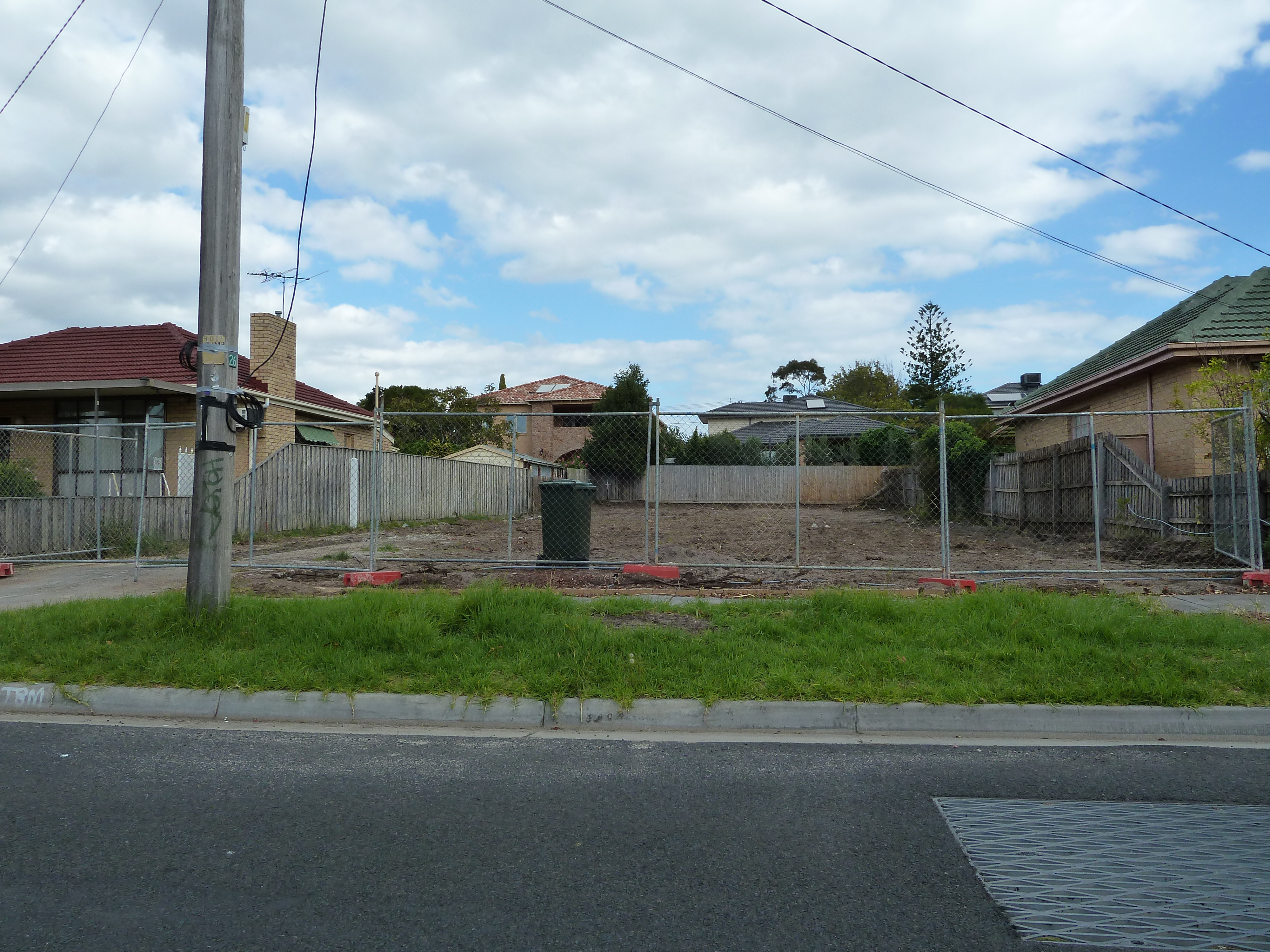
 Glen Eira Debates
April 17, 2013 at 10:24 PM
If it’s private property then the less interference on matters foleiage from White Hall the better.
April 18, 2013 at 11:27 AM
Because something is private property doesn’t give the owner the right to do whatever he likes. Maybe there are too many rules and regulations. On the other hand letting someone tear down all trees so they can make a bigger profit is not on as it does affect neighbours and the environment.
April 18, 2013 at 11:38 AM
Ya know Hyams has said in an open Council Meeting (June 2011) – “if you own property you should be able to do what you like with it”. This was in relationship to a development in a minimal change area – but I doubt he would make a distinction between multi-storey units and trees.
April 18, 2013 at 9:00 AM
Protection of trees on private property is a complex issue and is one which Glen Eira Council, unlike other Councils, has consistently shied away from despite residents raising it as major concern for the past decade.
For some reason this Council seems unable to consider that, when it comes to trees on private property, different rules need to apply to properties earmarked for development and those which are not. Yet as development after development denudes the muncipality and large mature trees are replaced with medium growing immature trees (particularly in high density housing diversity areas) Council does zip and Glen Eira’s leafy green aspect disappears never to be replaced.
Council arguments for doing nothing is basically that it is too hard (how to protect trees on developmental properties without aversely impacting non developmental properties). Admittedly, it is a complex issue that involves much discussion and public consultation but it’s time Council started. Over the past decade too many significant trees have already been lost to continue with the do nothing approach.
Other Councils have done it, why wont this one.
April 18, 2013 at 11:30 AM
Whether Glen Eira is supposed to be ‘green’ is debatable. The community values trees and landscaping, its Council that places little value on the amenity that they provide. Cr Pilling for example has supported at every opportunity site coverage of 100% in Housing Diversity areas. Even when trees are a part of Permit conditions, Council fails to enforce the conditions.
From the section in MSS concerning residential amenity: “There have also been growing resident concerns over loss of trees associated with multi-unit development. Despite Council’s efforts to encourage tree retention and adequate landscaping, planting is generally limited and has little consideration for the character of gardens within the street/neighbourhood. The cumulative effects of adjacent, multi-unit development have been a loss of the tree-filled semi-private spaces that contribute towards Glen Eira’s image as a garden suburb.”
The bullshit should be fairly apparent when you compare what Council says with what it does. It recognises the problem but has no credible strategies for tackling it. The phrase “despite Council’s efforts” is a neat bit of spin. If you make little effort then its not surprising that outcomes continue down the moonscaping path.
April 18, 2013 at 1:37 PM
Moonscaping happens on public land too. Crossovers mean that street trees go and then replaced with nothing sized trees. If they’re lucky they will grow to the same size that was removed in about 15 years. That’s if council does its job and waters and takes care of them properly. They don’t. I’ve seen plenty of newly planted street trees dead.
April 18, 2013 at 4:19 PM
Part of the arguments against tree protection on private property were that in an emergency it would take too long and include too much red tape to get anything done. I’ve just had a read of the Bayside policy and it makes it very clear that all that’s required is “verbal” permission to safeguard property and lives. Sounds pretty reasonable. http://www.bayside.vic.gov.au/tree_protection_policy.pdf
Another point made by Hyams is that big trees are not necessarily “significant” trees. He misses the point that in order to become a “big tree” takes years. The photos show surrounding properties with plenty of foliage and trees. Once these bare blocks are developed all that will be there is 3 foot saplings. The surrounds will look different and the more this is permitted the greater the overall damage – especially in housing diversity areas.
The council decision was gutless I think and pandering to developers. There won’t be anything in the local law that carries any weight and certainly not any clear criteria that can be used to evaluate what should be protected and what shouldn’t be protected. It will come down to a couple of hundred trees that a council arborist has decided needs to be put on some deficient and sub standard register.