Councillor Performance


How many residents’/loading bay/visitor car parking spots has this council waived in the past few years? We wouldn’t be surprised if it approaches a thousand places given the rate of development that has occurred in Glen Eira. What all this means is that local neighbourhood streets are primarily bearing the full brunt of such dispensations. Heaven help residents who just happen to be living off any of the main shopping centre strips. They represent the immediate casualties.

We’ve decided to present some of the officer decisions on major developments for the life of this current council. All of these ‘recommendations’ were approved by councillors with a little bit of tinkering via conditions. Please note the:

  • Contradictions regarding stackers for visitor car parking
  • The failure to provide quantifiable ‘evidence’ for recommendations
  • The constant repetition – at times verbatim!
  • Logic that defies belief!

1056-1060 DANDENONG ROAD CARNEGIE – 12 storeys, 173 dwellings,  (13th November 2012)

264 car spaces proposed and Planning Scheme requires 276 (12 shortfall)

Council’s Transport Planning Department consider the planning scheme requirement of 3 parking spaces per 100 square metres of restricted retail floor area to be greater than the likely parking demand in this area. A parking provision closer to 2 spaces per 100 square metres is considered more appropriate (therefore a minimum of 32 spaces is required compared to the provision of 35 spaces for the restricted retail use component). It needs to be noted that non-compliance with a planning scheme car parking requirement does not necessarily flag a car parking shortfall for a particular site. This is because the planning scheme requirement is general in nature and the provisions are premised on a lower number possibly being acceptable having regard to the circumstances of a particular site. There is availability of on-street parking in the area for any overflow short term parking. In addition, the existing use of the site would have generated some demand for on street parking.

127-131 Gardenvale Road,Gardenvale –  4 storey building; 2 retail 12 dwellings (2 shortfall) 

No visitor parking has been provided. The Planning Scheme requires 2 on site visitor car spaces as a “starting point” (1 space for every 5 dwellings) however this can be reduced or waived depending upon traffic evidence and local circumstances. On the one hand, Council’s Transport Planning Department has requested the provision of two at-grade visitor car spaces. On the other hand, the applicant’s traffic engineering advice suggests that no visitor car parking is required given the ability to accommodate this parking demand in the surrounding streets. On balance, a dispensation is considered reasonable in this instance”   (27th November 2012)

483-493 GLEN HUNTLY ROAD ELSTERNWICK – 8 storey; 4 retail; 57 units (Shortfall 16)

In this case, a reduction in the visitor car parking requirement is justified. If sustainable transport modes are to be promoted, then a reduction in the visitor car parking requirement should be encouraged. It is considered appropriate to provide a modest level of visitor parking. However providing additional on-site parking for visitors will only encourage more vehicle traffic to an area which anecdotally has issues with traffic. It is also noted that a visitor parking rate of 1 space per 10 dwellings (as proposed in this case) has been supported previously in activity centre locations. Notwithstanding this, a shared arrangement could be incorporated with the 4 retail car spaces being made available outside normal business hours (achieving the 9 spaces suggested by Transport Planning).

(5th February, 2013)

451-453 SOUTH ROAD BENTLEIGH – 5 storey; a shop; 12 units  (Shortfall 2)

No visitor parking has been provided. The Planning Scheme requires 2 on site visitor car spaces as a “starting point” (1 space for every 5 dwellings). However this can be reduced or waived depending upon traffic evidence and local circumstances. Council’s Transport Planning Department has not raised any concern with the lack of any on-site visitor car spaces. On balance, a dispensation is considered reasonable in this instance/ (2nd July 2013)

674 CENTRE ROAD, BENTLEIGH EAST – 3 storey; 2 shops; 8 units (Shortfall 3)

A total of 8 car spaces have been provided on site within two car stackers. A total of 8 spaces are set aside for the residential component (as required by the Planning Scheme) and no spaces for the retail component. No visitor parking has been provided. The Planning Scheme requires 1 on site visitor car space. Transport Planning also prefers that 2 retail spaces are provided on site (1 for each shop). However these spaces can be waived depending upon traffic evidence and local circumstances. On balance, waiving the visitor space and the retail spaces is considered reasonable. (24th September 2013)

2 MORTON AVENUE, CARNEGIE 6 storey; 40 units; 1 shop (Shortfall 7)

The proposal generates a parking requirement of 49 car spaces. The proposed provision of 42 car spaces provides the required car parking rate for each of the dwellings (and provides an extra car space for one of the dwellings) but seeks to waive 7 visitor car spaces and the shop car space. The applicant is also seeking to waive the requirement for a loading bay for the shop. With the current permit, the waiving of 1 required visitor car space for the dwellings and the waiving of the loading bay for the shop were allowed. One car space was provided for the shop. It is considered satisfactory in this case to waive the parking and loading bay requirements for the shop given its small size, even in the enlarged form anticipated through the conditions addressing urban design issues. However, it is considered that at least 2 car spaces should be provided for visitors to the dwellings. This would necessitate the installation of a larger car stacker system.

It is noted that there is one visitor car space for the proposed 38 dwellings on the adjoining site to the east at 3 Morton Avenue. The primary justification for a reduction in the number of visitor car spaces is the availability of vacant spaces within on-street and public car park areas. Additionally, a note will be included to prohibit future residents from obtaining resident and visitor parking permits with a condition stating that the owner is to inform residents about this limitation.

(COMMENT: the argument that visitor car parking cannot be provided via stackers, has gone out the window on this application. Again, so much for consistency!)  (6th November 2013)


730A CENTRE ROAD BENTLEIGH EAST – 5 storey; 29 units; ‘food and drink premises’ (Shortfall 6)

Car parking has been provided for the residential component only (one space per dwelling). Given all dwellings are one or two bedrooms, this complies with the Planning Scheme. However a waiver of car parking for visitors and for the food and drink premises has been proposed. Council’s Traffic Engineering Department has reviewed the proposal and consider at a minimum three car spaces for the visitors and nine car spaces for the food and drink premises should be provided.

A recommended condition will require minimum car parking rates as follows:

 1 car space per dwelling (one or two bedroom)

 9 car spaces for the food and drink premises

A minimum of 3 visitor spaces (December 17th 2013)


 677-679 Centre Road BENTLEIGH EAST – 4 storey; 10 units; 2 shops  (Shortfall 2)

No visitor parking has been provided. The Planning Scheme requires 2 on site visitor car spaces as a “starting point” (1 space for every 5 dwellings). This can be reduced or waived depending upon traffic evidence and local circumstances.

Council’s Transport Planning Department has not raised any concern with the lack of any on-site visitor car parking. On balance, a waiver is considered reasonable in this instance given

(17th December 2013)


Agenda item 9.4 on Visitor Car Parking says it all in the following recommendation:

…..each multi-dwelling planning permit application contains a different set of circumstances. Therefore, the provision of on-site visitor car parking must therefore be considered on the individual merits of the particular application being assessed.

For eons this has been Council’s official line on most policies or strategies. It does, however, beg the central and most vital question – what’s the point of having any standard, policy, plan, strategy, if that standard is not applied? The answer of course is dead simple. Council does not want to be ‘tied down’ with something that could potentially limit development. That’s also why there has never been any attempt to implement sensible Parking Overlays throughout the municipality (except for the ‘gone missing’ C99 for student housing) or even Structure Plans that address parking in a comprehensive and analytical manner. And that’s why council will probably accept the Caulfield Village development plan where NOT ONE SINGLE VISITOR CAR PARKING SPACE has been assigned for 442 dwellings!

Akehurst’s arguments are worth looking at in detail. There is the usual point about ‘mandatory’ versus ‘discretionary’ parking rates and how council is ‘powerless’ under such circumstances where VCAT is the single ‘villain’. But as councillors themselves have repeatedly stated – why should VCAT enforce the standards when council on its own repeatedly whittles away at those very standards? Esakoff remember, recently settled quite happily for 3 visitor car parks, when 5 should have been demanded.

Akehurst then presents the bogus argument of a 40 seat restaurant and its need for 16 onsite parking spots. What is not disclosed is that if this same restaurant had a parking overlay assigned, then the rate would be 3.5 car parking spaces for every 100 square metres of leasable floor space instead of the 0.4 ratio! And besides, most problems are not the result of restaurants, but residential over-development! It’s a pity that Akehurst doesn’t release any figures on how many units have been built and how many potential parking spots have been waived by this council and its failure to insist on its own policy!

Much is made of VCAT decisions and the reliance on ‘evidence’. We would also love council to rely on ‘evidence’. Unfortunately most VCAT decisions feature council actively supporting car parking waivers with very little quantified data presented by council’s advocate: Some recent examples:

Further I note that on-street parking is available along Centre Road and Grey Street at peak visitor times (i.e. non –business hours) that the Council is satisfied is sufficient to meet demand.  (http://www.austlii.edu.au/au/cases/vic/VCAT/2013/2067.html)

I also agree with Council that one car space for each shop is appropriate. The shops have a floor area of around 50 sq m. (http://www.austlii.edu.au/au/cases/vic/VCAT/2013/1791.html)

the proposal has a shortfall of two car parking spaces for visitors.  Condition 1(j) requires the provision of one car parking space for visitors to be provided within the basement car park. This reflects a position of Council that some waiver of parking may be acceptable. (http://www.austlii.edu.au/au/cases/vic/VCAT/2013/1713.html)

Whilst other councils undertake thorough local analysis in order to introduce Parking Precinct Plans, or Structure Plans, Glen Eira does nothing. We doubt that council even knows how many street parking spots are available in its Activity Centres, much less in other zones. Akehurst’s report is true to form for a council that has consistently failed to enforce its own plans and is reluctant to put in place any strategy which will ameliorate the impact on local amenity – especially if it means that development may be somewhat curtailed.

In typical piecemeal fashion, another Amendment is up for discussion at next week’s council meeting. It involves ‘non-residential uses in residential areas’. Granted that with the new residential zones, there are some changes – ie businesses may set up within 100 metres of a designated activity centre without permit requirements depending on size, etc. Much is still the same however. What therefore needs to be seriously queried is:

  • Why do we need another watered down amendment at this point in time?
  • The Planning & Environment Act states that councils MUST REVIEW their planning schemes “no later than one year after each date by which it is required to approve a Council Plan under section 125 of the Local Government Act 1989”. Council Plans according to the LGA must be approved no later than June 30th after an election. Glen Eira approved its Council Plan last year. That means that it is now due to REVIEW IN FULL ITS PLANNING SCHEME. Why isn’t this happening and why is there this consistent chipping away at residents’ amenity in every single amendment that is being pushed through?

We’ve done what we’ve done in the past – compared the proposed new version with the old. It should be obvious to even Blind Freddy that what this administration now proposes is to expand development and business ‘opportunities’ in residential areas at the cost of local amenity, environment, traffic, parking and all the other components that go into sound planning. For starters, here are just a few of the sentences which have now been dropped completely from the proposed amendment – followed by the more important changes via the table.

Stormwater runoff directed into garden areas to reduce watering and demand on drainage infrastructure

To maintain and protect any dwellings/buildings of historical/cultural significance

To ensure that adequate provision is made for appropriate on-site parking for all non-residential uses

To maintain the garden character of the neighbourhood

Car parking facilities not dominate the development or street frontage

CURRENT PLANNING SCHEME

PROPOSED AMENDMENT

Objectives

To encourage the development and location of new non-residential uses in areas which are compatible with the residential nature of the area and comply with orderly and proper planning principles.

REMOVED ARE THE FOLLOWING important clauses –

  • To successfully integrate non-residential uses into residential areas with minimum impact
  • To ensure that adequate provision is made for appropriate on-site parking for all non-residential uses
  • To ensure that traffic generated by the use of the site is appropriate to the street and the locality and will not adversely affect existing traffic patterns and safety
  • To maintain the garden character of the neighbourhood
Objectives

To encourage the development or extension on non-residential uses, in suitable locations which comply with orderly and proper planning principles.

POLICY

  • The standard car parking requirement will only be reduced where the Responsible Authority is satisfied that the area is supported with suitable levels of public car parking and public transport
  • Loading bays be provided where necessary
  • BOTH OF THESE ARE NOW TOTALLY ABSENT IN THE NEW DRAFT
 INSTEAD THERE ARE THESE QUALIFIED STATEMENTS –

Ensure that the streetscape character of the neighbourhood is respected and maintained, particularly in terms of building height, length, location, setbacks (front, side and rear), front fences and appearance.

 Retain existing dwelling stock, where practical, and any associated extensions/alterations maintain or enhance its residential character.

Performance measures

Do not exist in current version

PERFORMANCE MEASURES

Any buildings are not greater than mandatory maximum height specified in the relevant residential zone applying to the subject land.

(note: does this now mean that a 3 or 4 storey medical centre may be built in a GRZ or RGZ zone?)

LANDSCAPING

The retention of any significant trees or landscape features be a high priority in the design

LANDSCAPING

Retain any high priority significant trees or landscape features within the design where possible.


GENERAL AMENITY

The developments not overload the capacity of public infrastructure

THIS IS MISSING IN PROPOSED VERSION
SET BACKS/CORNER SITES

Buildings proposed fronting the long side of a corner site have a side street setback of 3 metres


Where car parking areas abut residential dwellings, and adequate landscape buffer (suggested width of 1.5m) be provided and be heavily planted with large shrubs and trees.

The planning scheme for corner sites now states –

The same distance as the setback of the front wall of any existing building on the abutting allotment facing the side street or 2 metres, whichever is the lesser.


Where car parking areas abut neighbouring residential dwellings, an adequate landscape buffer (minimum width of 1.0m) be provided and be heavily planted with large shrubs and trees.

HOURS OF OPERATION

Mon-Friday – 8.30am – 6.00pm

Saturdays – 9.00am – 1.00pm

Sundays/Public Holidays – Closed

HOURS OF OPERATION

Mon- Friday – 7.00 – 6.30pm

Saturdays – 8.00am – 6.00pm

Sundays/Public Holidays – Closed

We paid a visit to the centre of the racecourse (aka ‘The Wasteland’) this afternoon in order to check up on some emails we’ve received regarding the state of the upkeep of this land. What we found confirmed what residents had been saying:

  • Barbecues that had not been cleaned for days or weeks
  • Toilets that were disgusting
  • Weeds everywhere
  • Boardwalk fading and weeds/grasses coming through
  • Dead saplings all over the place
  • And not a soul to be seen at 2.30pm on a gorgeous day!

So much for the ‘Agreement’; so much for proper maintenance, and so much for Council supervision and possible breaches of the Health Act!

ccr1

ccr4

ccr2

ccr3

ccr5

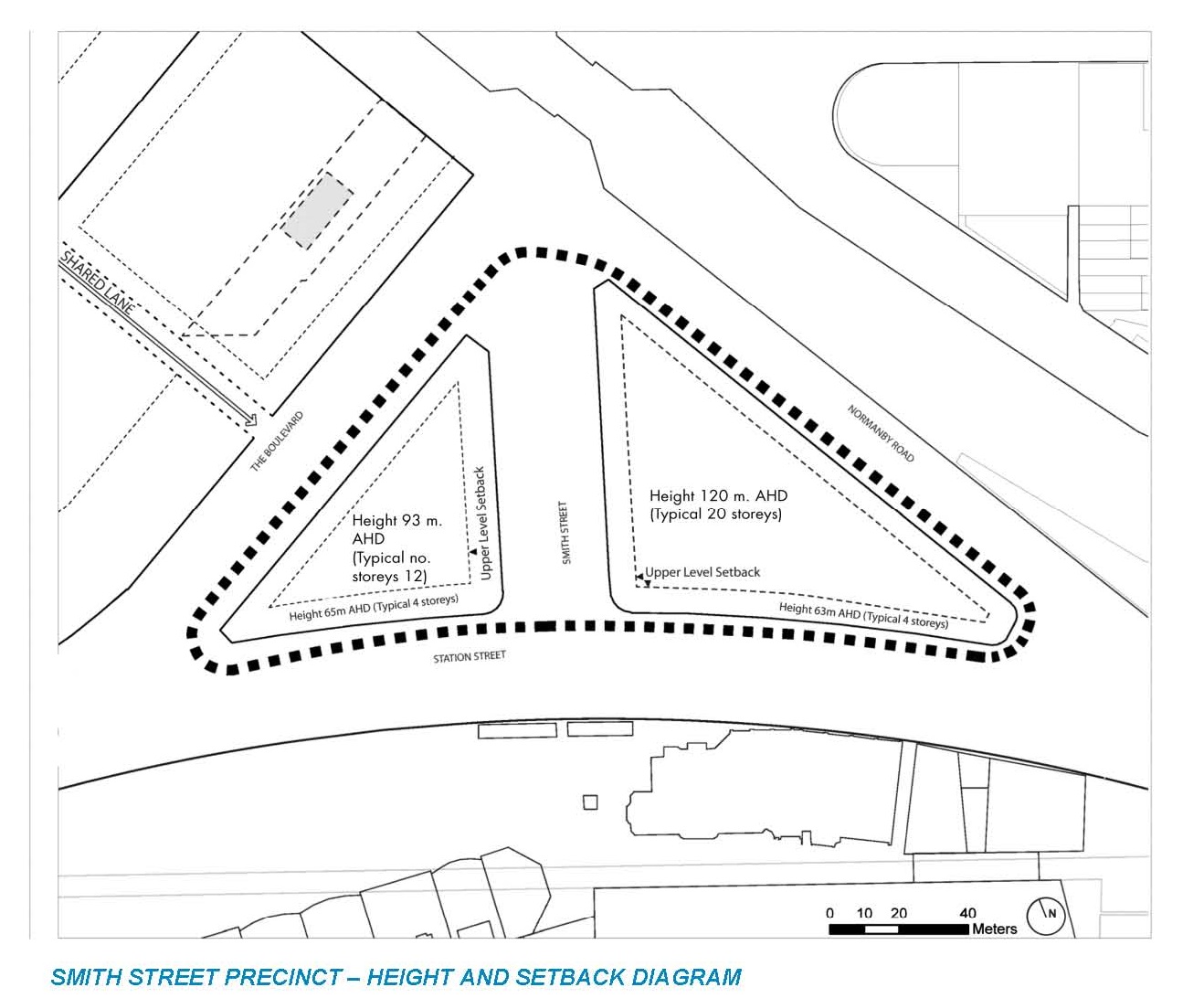
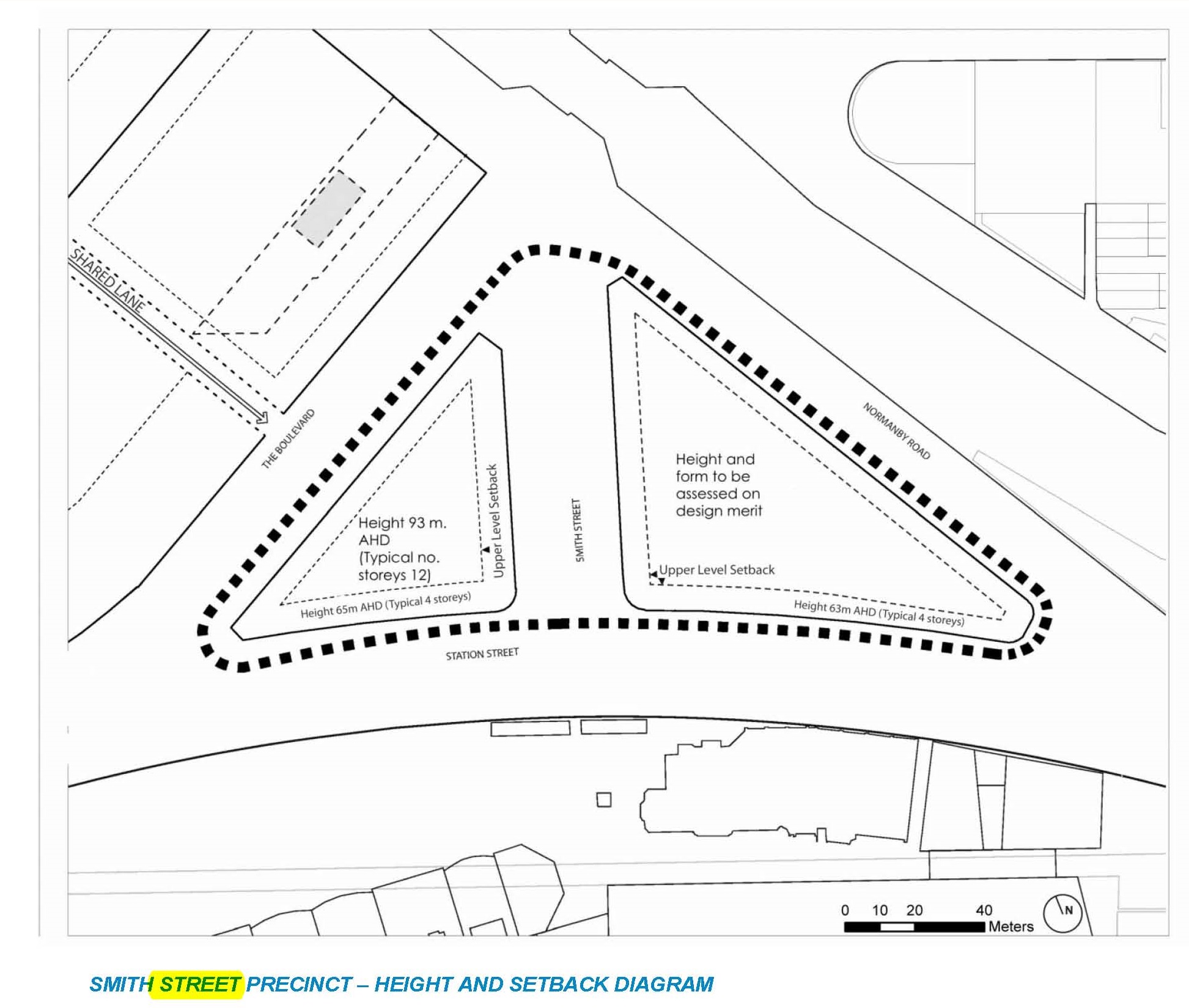
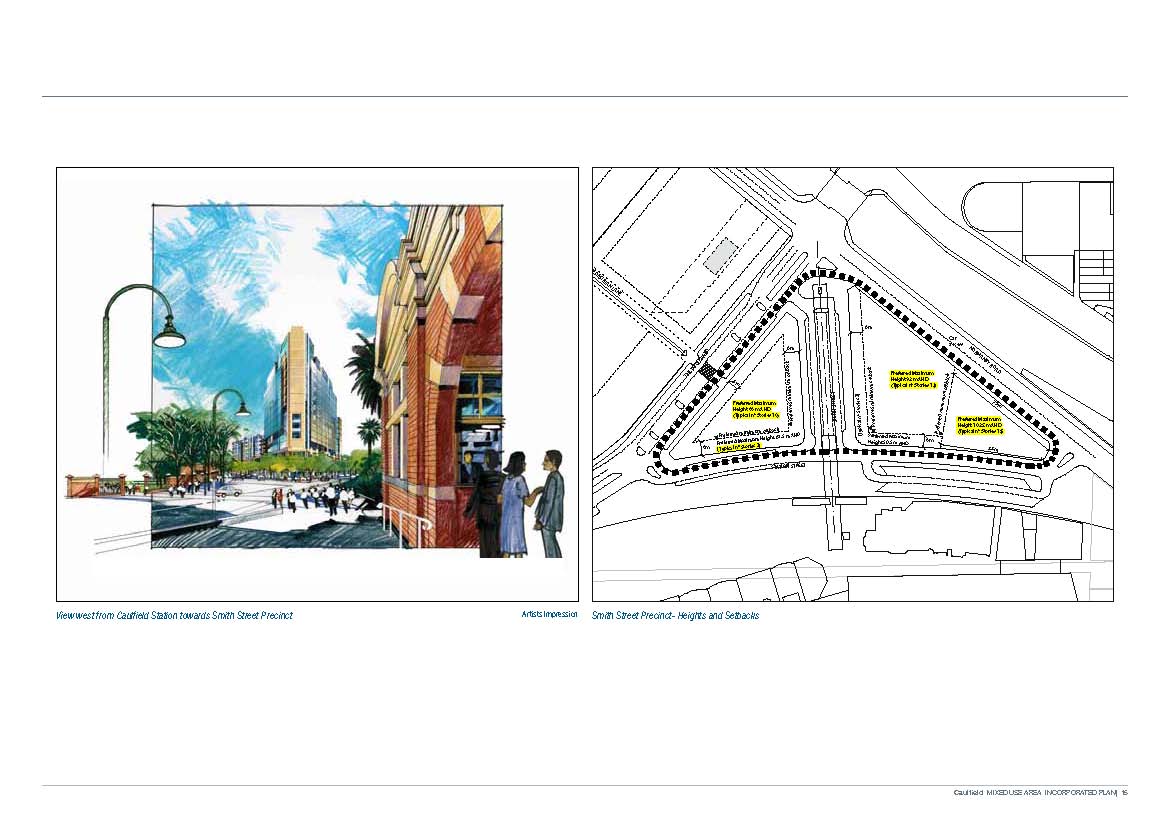
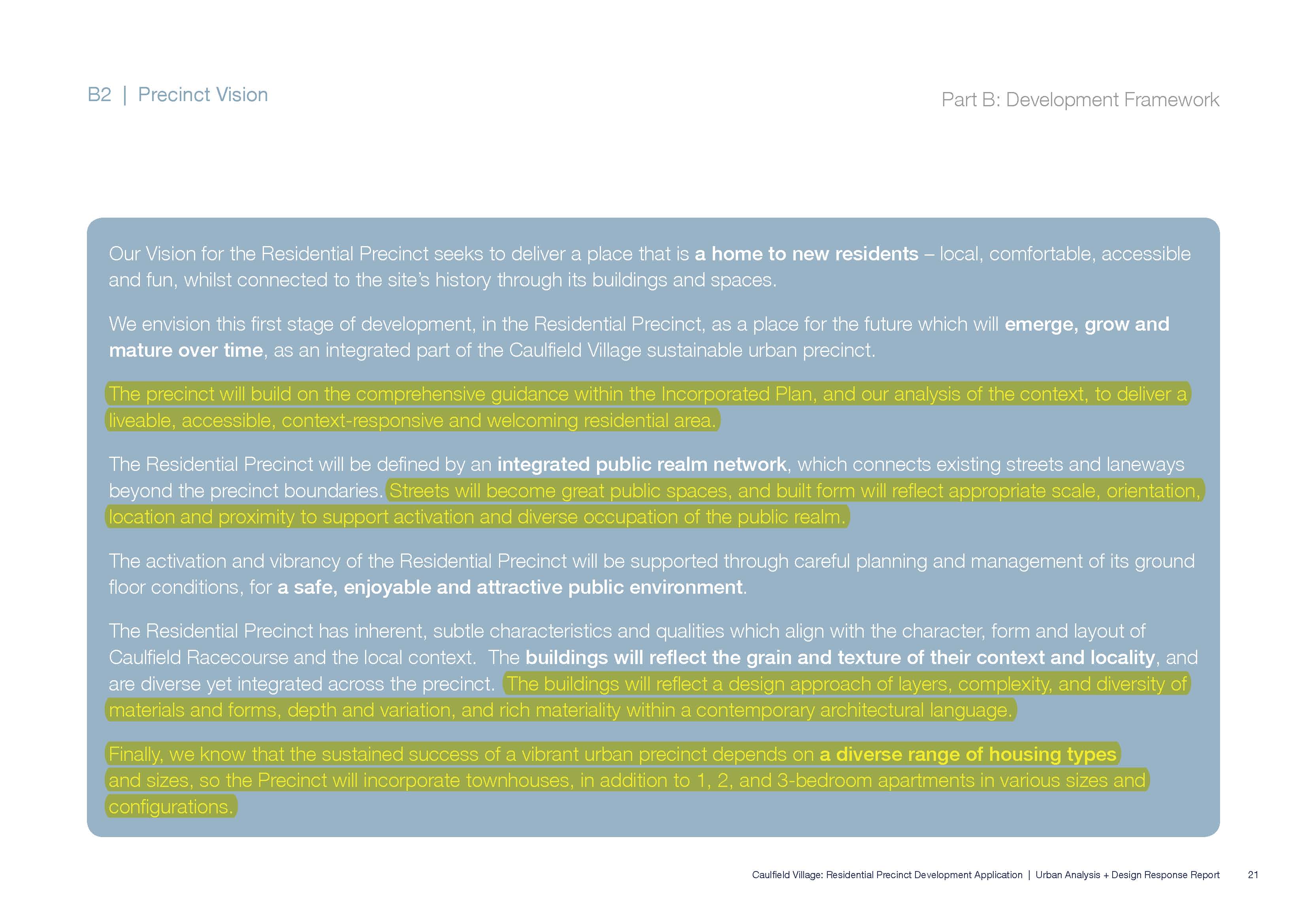
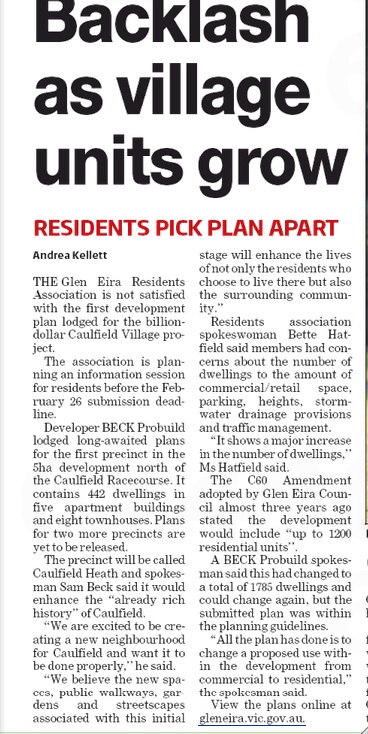
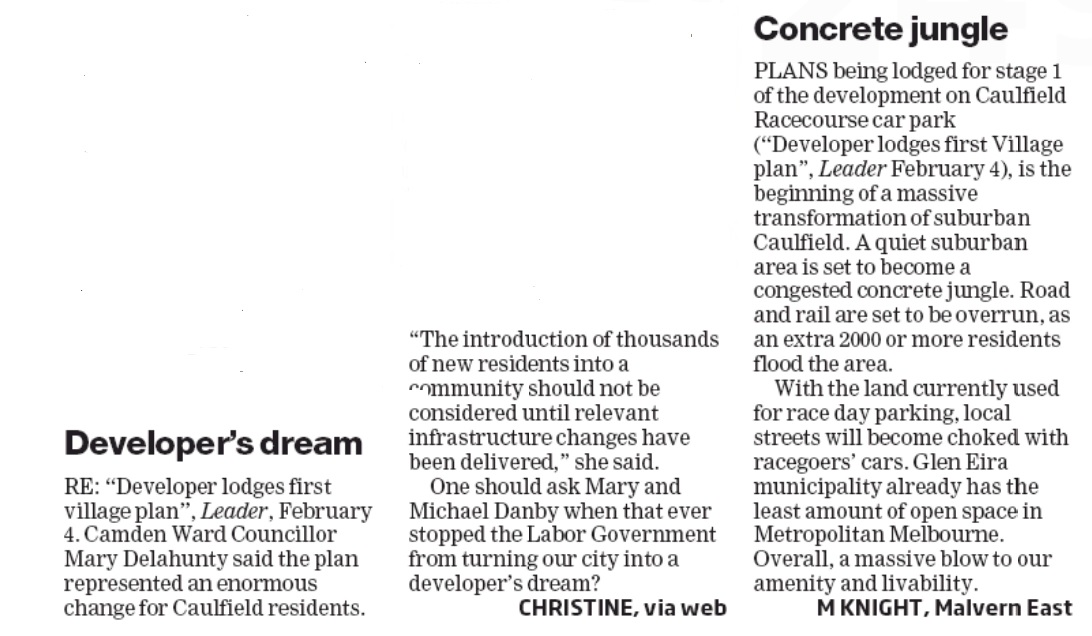
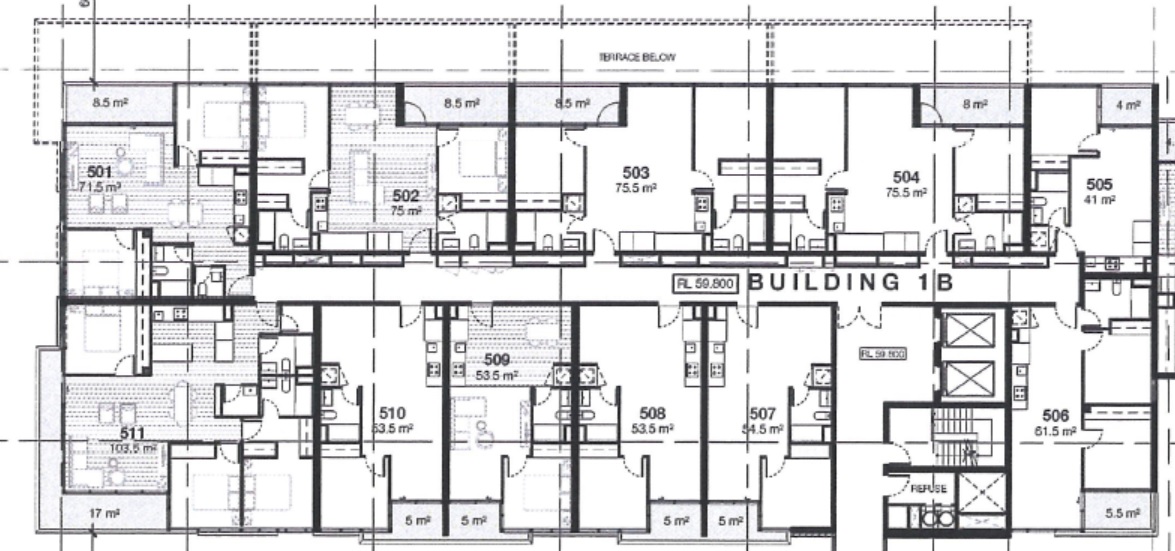
Buried in the fine print of several of these documents, some truths are finally revealed. Residents were repeatedly told by council and the MRC that the project envisaged 1200 dwellings, plus commercial and retail areas. It then burgeoned into 1500 units. Now we are looking at the possibility of 2040 of which the vast and overwhelming majority are SINGLE BEDROOM apartments! We can only wait with baited breath for stages 4 onwards, when height for the remaining buildings are revealed.

Below are the figures taken directly from the ‘Precinct Plan’ and the argument is that this is still in line with the Incorporated Plan!!!!! What bunkum and what collusion!

3

2

1

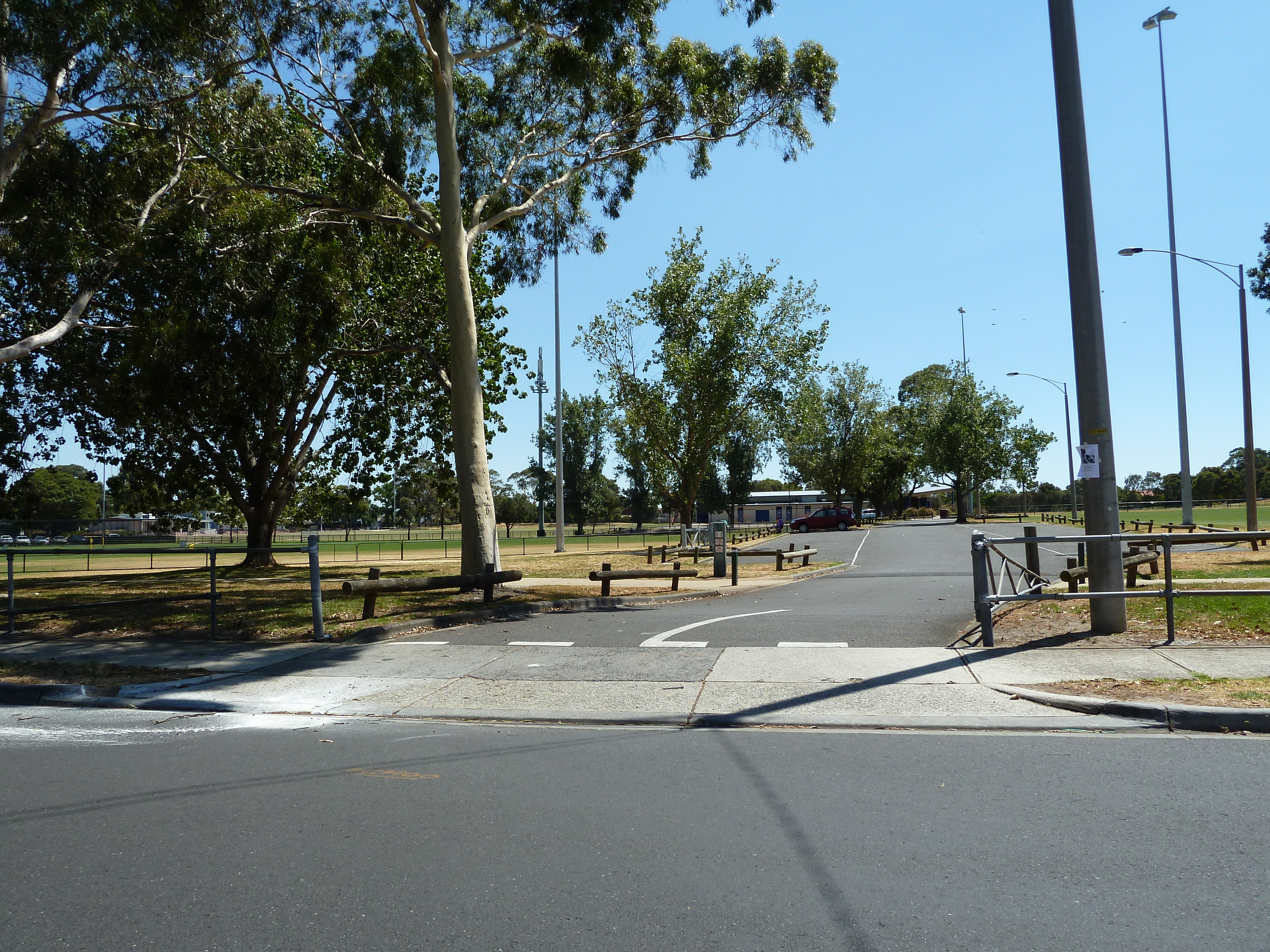
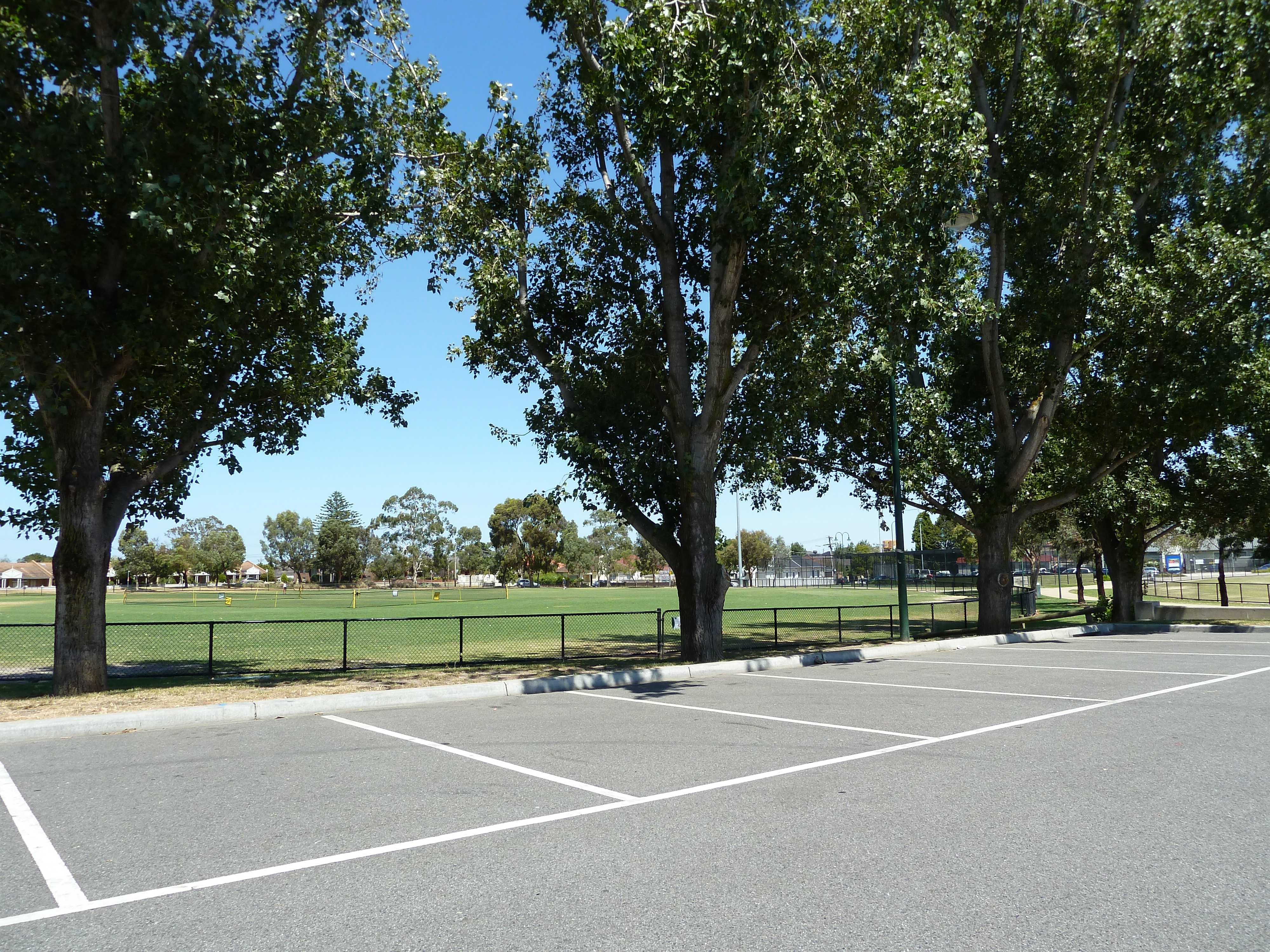
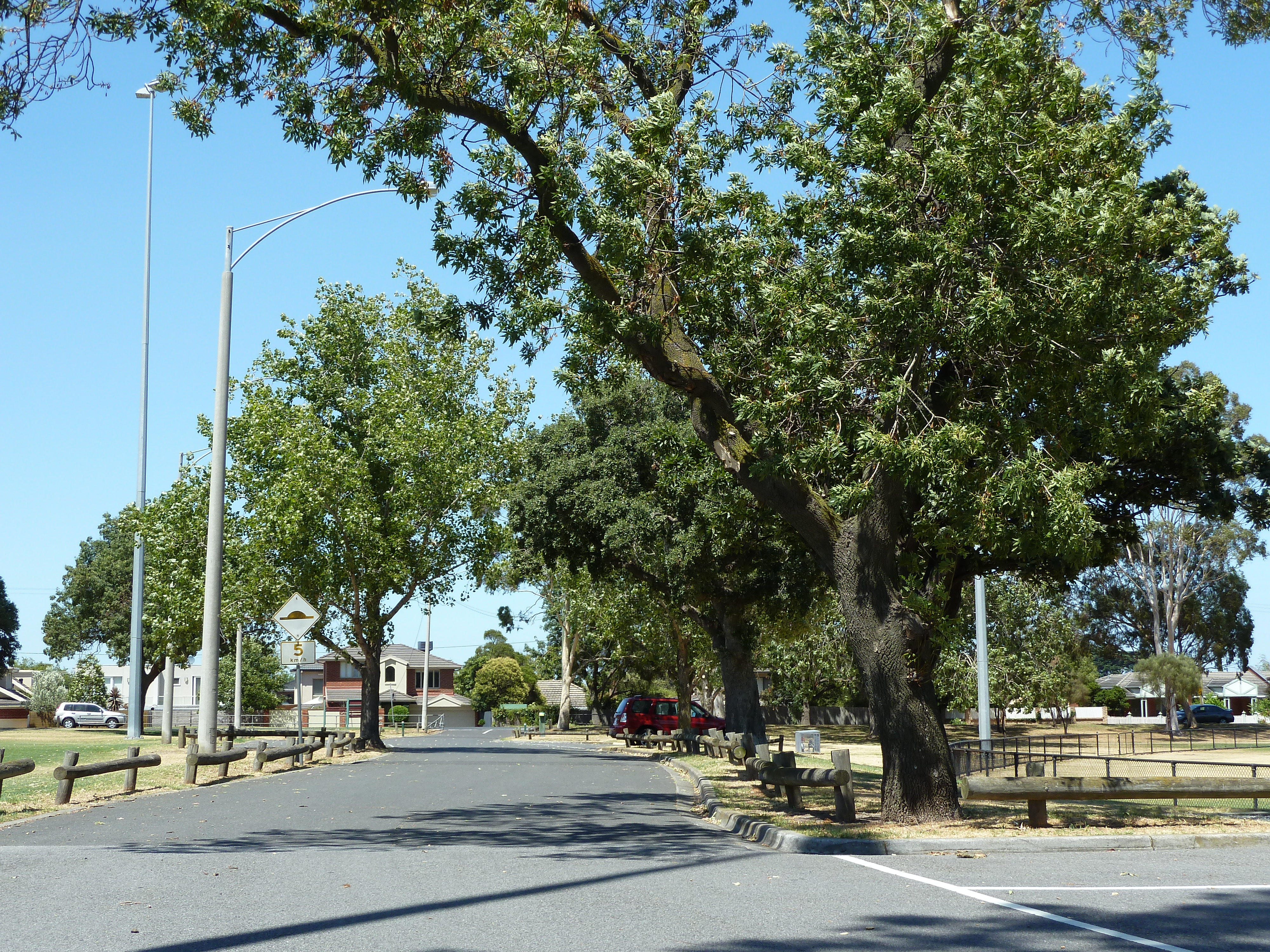
Council can certainly get things rolling very quickly when they want to. The latest is the Lord Reserve car park development at the cost of $542,000. Tenders were advertised on November 16th and closed on 6th December. The decision was made on the 17th December. Quick as a wink, without telling residents exactly what is happening, the contractors moved in, and what a surprise, a further bunch of at least 8 mature trees were removed.

We do not for one instance believe that the speed and timing of this project is a coincidence. If you expect community opposition, and certainly questions, then January is the best time to get the ball rolling.

Please note: we are not suggesting that this section doesn’t require work. What we are questioning is:

  • Why were so many trees removed? Could any have been saved?
  • How much open space will be lost and turned into a bitumen car park?
  • Why can’t residents be given a clear picture of what is happening?

PS: By way of contrast, residents should take a look at how Bayside City Council deals with car park extensions and the value of trees and consultation. The following is taken directly from the agenda set down for January 28th.

The Beaumaris Reserve Masterplan was adopted by Council in September 2008. The masterplan identified a range of initiatives to be implemented over the lifetime of the plan, including works to the car park adjacent to the sportsground at the rear of the Reserve.

The design for the car park was subject to a period of community consultation between May and July 2013. Key design features reflected the endorsed 2008 masterplan and included; reducing the area available for car parking by turning the area behind the Arts Building into an extended Village Green, proposed removal of six trees to the north of the existing car park to facilitate additional car parking spaces and the installation of a rain garden. 

Following this phase of community consultation, it was evident from the comments received that the proposed design no longer met the needs of the community or the users of the Reserve. As a result, a revised design was developed to take into account issues raised by users, including retaining the existing car park footprint, retaining six trees proposed to be removed and reducing the extent of asphalt surface to the entry road. As the revised car park footprint differed significantly to the endorsed 2008 masterplan, a revision to the masterplan was required.

A revised masterplan detailing the amended car park footprint was presented to Council and adopted at its 29 October 2013 Ordinary Meeting detailed in Attachment 1.

Source: Agenda item 10.1 – 28th January 2014 – http://www.bayside.vic.gov.au/documents/governance/28_January_2014_Ordinary_Meeting_Agenda_without_confidential.pdf

lord

Here’s the ‘before and after’ –

Untitled

lord3

Untitled2

lord2

The latest missive from Friends of Caulfield Park –

Dear Friend of Caulfield Park,

Happy New Year!

You will have seen that this week the Council has started to work on ovals 3 & 4 in earnest. 

Last Monday, at the start of the week of over 40 degree heat, Council chose to relocate the trees that they had made so much political capital out of ‘saving’. 

Whilst we are sure the contractors for the removal did their best, this was an absurd thing to do as no real work took place at the site until this Tuesday.  It was clear last week that this week would have been much cooler and a thinking person would have put back the move 7 days to this Monday, (especially as the relocation of the trees only took a couple of hours).

Early last week, as soon as we discovered the Council’s folly, we sent an urgent email to Paul Burke and when there was no reply by the next day, to the CEO Andrew Newton. 

We asked:

  • why was the relocation not rescheduled to a later date when it was cooler,
  • what steps were being taken to help the clearly stressed trees to survive
  •  to affirm that no further relocations or removals would be needed.

On Thursday afternoon, four days after the Monday relocations, we were finally advised by phone that both Messrs Newton and Burke were on vacation.  It is  shame that there was no-one  able to respond in their absence.  It seems that the Council was without leadership over the Festive Season. 

We then emailed the mayor, Neil Pilling, who replied that he would let us know what was happening by this Monday and that Council had been busy dealing with people suffering from the extreme heat.   That is as it should be, but the parks maintenance crew would hardly have been involved in caring for elderly and vulnerable people!

On Monday the mayor advised that the tree relocation had been scheduled for that Monday, that the relocated trees were now being watered three times a day, and that there were no plans to relocate or cut down any further trees in association with the oval redevelopment.  There was no explanation why there had been no attempt to reschedule the relocations of the trees.

As far as we can tell, from Friday onward there has indeed been a program to save the trees by regular watering.  However, of the 12 trees moved, 3 (2 of which were larger Eucalypts) look as if they are very likely to die, and after such inappropriate timing in terms of the heat, it is possible that more will follow so that the only trees that have been ‘saved’ were the recently planted saplings. 

What can one say about a Council that never admits to error, and which therefore never says ‘Sorry’?

We are continuing to monitor the work and will keep you posted of any further developments.

Best regards,
Spike Cramphorn
Secretary

City of Stonnington aims to create more open space

Date:January 20, 2014

The City of Stonnington is flush with nightclubs, shops and socialites. What it doesn’t have a lot of, is parks. And so it has set out to acquire some.

Council has launched a $200,000 feasibility study and is test drilling this week to explore turning Cato Street car park in Prahran into a park.

But parking officers shouldn’t weep just yet or greenies rejoice – the council plans to move the car park under the park, which could increase the number of parking spaces from the current 400.

Mayor Adrian Stubbs said the car park may have to be at least two levels deep to make it viable.

The cost would be ”millions” but council will wait until the feasibility study’s report comes out in May. Council could finance it or seek private, federal, or, in an election year, state government funding.

Cr Stubbs would like an underground car park to offer shoppers the first two hours free, and sees the park as a village square, flanked by cafes and shops as well as the current supermarkets.

He said it would be a boon to locals. ”It gives residents a place to congregate, socialise. You’d see mums walking with their prams, it’s a place to engage in sporting activity, it’s a place just to sit and think. Would you rather have asphalt, or trees and grass? I’d rather have trees and grass.”

The move came from concerns that of Stonnington’s 26 square kilometres of land, only 6.7 per cent is public open space. It is the second-lowest ratio after Glen Eira at 4.5 per cent, and compares to an average 17.9 per cent in metropolitan Melbourne.

Cr Stubbs said because it was so ”mammothly behind” the council ”needs to be creative” to increase the percentage. It has identified 450 sites for investigation, including taking a 100-space car park in Edsall Street, Malvern, underground, if Cato Street proved successful. Cato Street and Edsall Street car parks are both council-owned.

Stonnington also has a $28.1 million reserve fund for 2013-2014 alone for the purchase of open space, raised from developers who subdivide property having to contribute to council 5 per cent of the land’s unimproved capital value towards open space, if they don’t contribute actual open space. Since 2007 the fund has purchased six properties, many adjoining parks, five of them worth more than $1 million, says Cr Stubbs.

Council has also applied for an acquisition overlay for vacant privately owned land in Carters Street, Toorak, and for vacant factories between Bangs Street and Clifton Street, Prahran, to signal council’s desire to purchase when it is sold in future. Other options being considered include buying railway land or building decking over it, creating ”pocket parks” in dead-end streets and creating roof gardens.

Oskar Cebergs, spokesman for the Chapel Street Precinct Association, said the 6.7 per cent open space figure was ”pretty frightening”. The association was ”fully supportive” of the open space strategy, including the greening of Cato Street car park. But building the car park shouldn’t be a priority over the council’s revitalisation of Chapel Street, including new footpaths, lighting, town squares, furniture and greening.

140117_Powell_-_Tough_new_powers_for_mayors_to_raise_standards__Page_1140117_Powell_-_Tough_new_powers_for_mayors_to_raise_standards__Page_2

P1000134

P1000228

« Previous PageNext Page »