The Municipal Association of Victoria estimates that labour, materials, inflation etc. results in a 4% increase per annum to councils across the state. If correct, that would mean that in order to simply maintain the same level of service, councils would have to increase their funding of various projects by this same percentage rise. Anything less indicates a decline in funding, and hence a decline in service provision.

Glen Eira’s stated objective is to “maintain existing service levels”. A review of the current and last year’s budget figures reveals that this is not happening when the 4% cost hikes are accounted for. The following figures are taken directly from the two budgets. Please note that some services have been REDUCED far in excess of what a 4% rate would indicate.

SERVICE

2012/13 BUDGET

2013/14 BUDGET

Aged Care $634,000 $570,000
Family & children’s services $706,000 $110,000
Shopping Centres $550,000 $550,000
Pensioner Rebate $270 $270
Libraries $750,000 $771,000 (should be at least $780,000 to maintain parity)
Drains $3.9 million (this included over $450,000+ for Boyd Park storm water harvesting which had to be returned to the Commonwealth once the full project was decided against) $3.5 million
Footpaths $1.73 million $1.73 million
LATM renewal $200,000 $200,000
Kerb & Channel replacement $160,000 $160,000


Funding HAS increased by $100,000 for ‘pedestrian safety’, but gone down by $50,000 for ‘school safety’. Building works of course keep skyrocketing from $805,000 to $1.34 million.

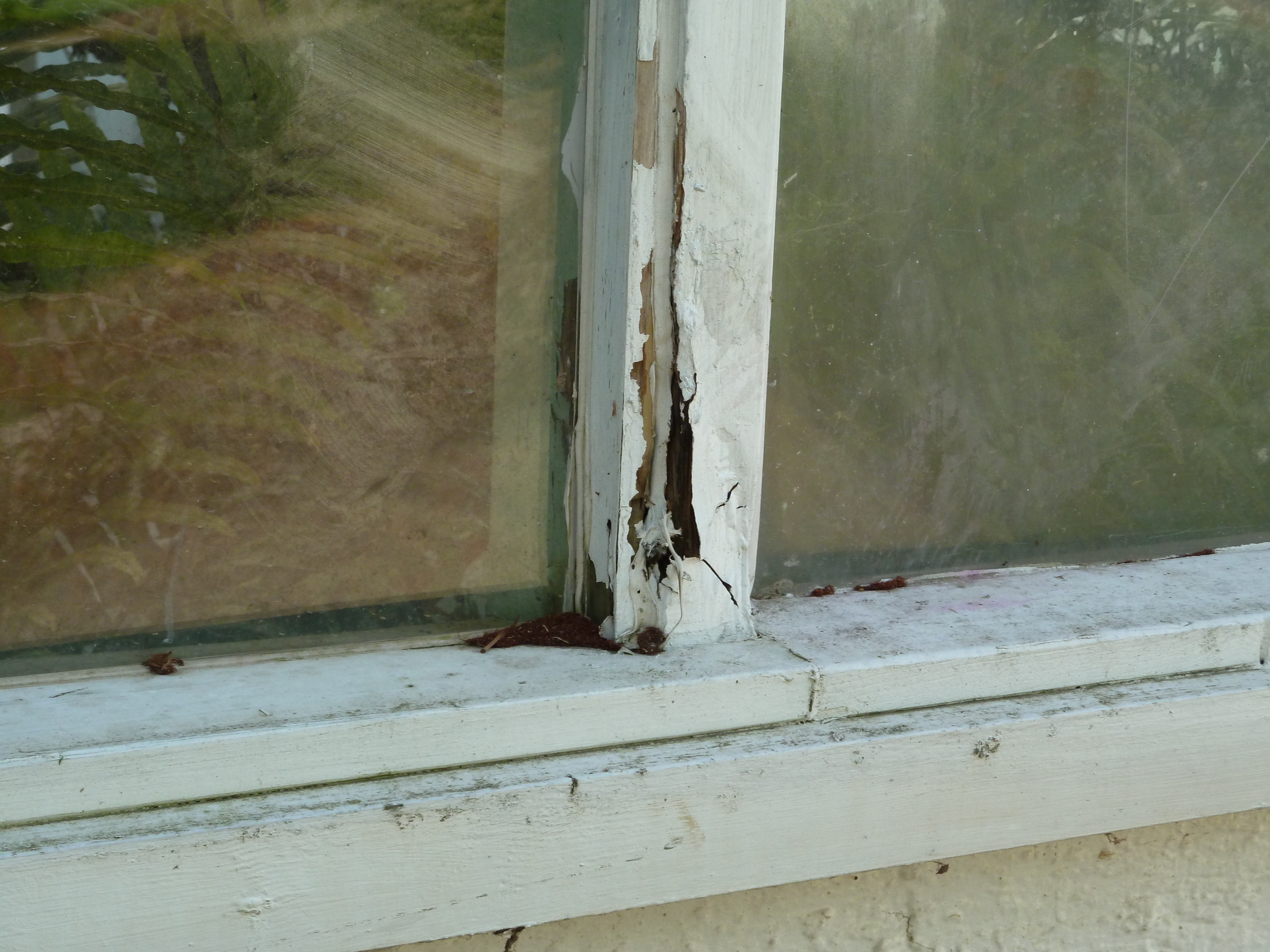
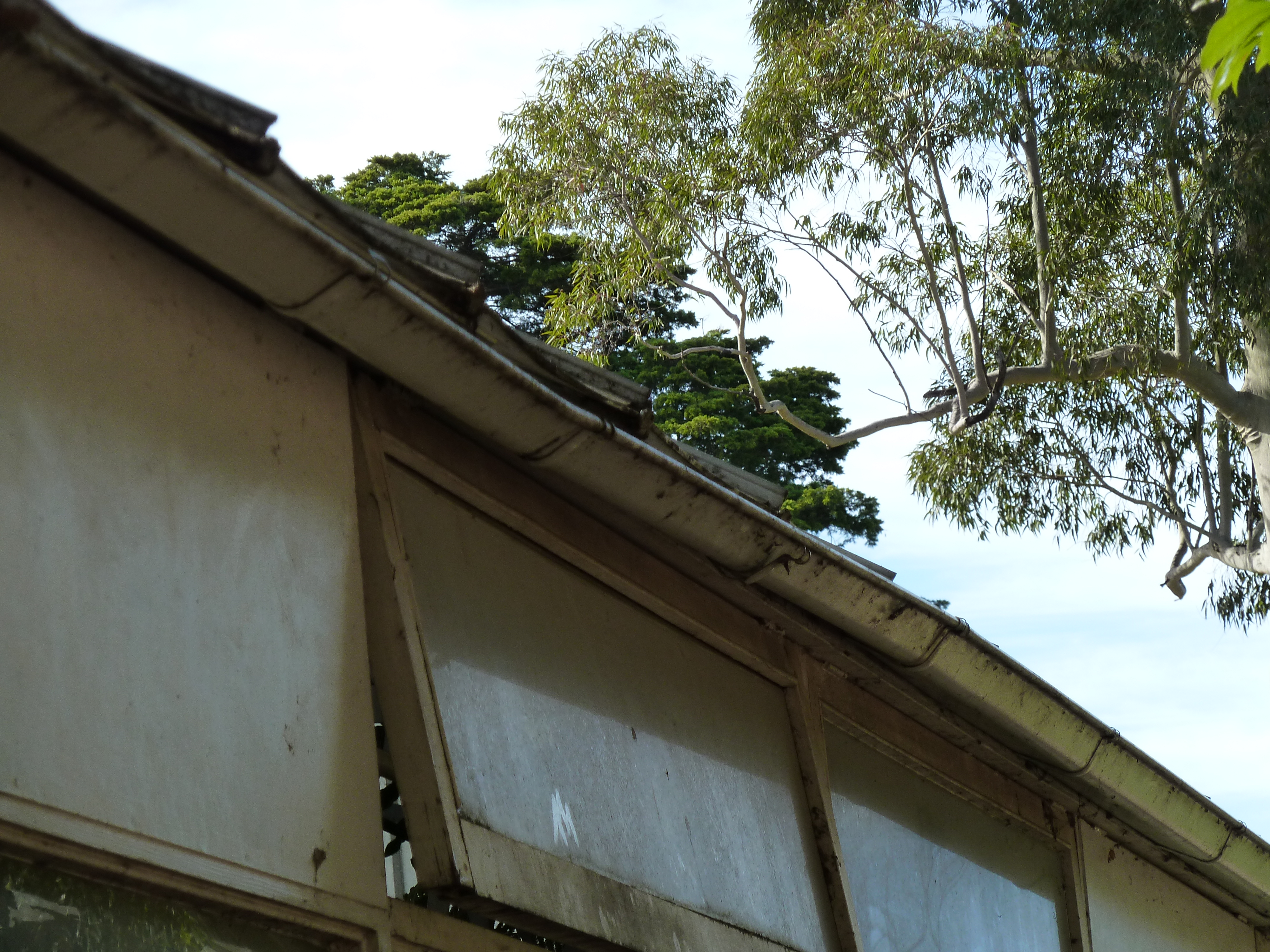
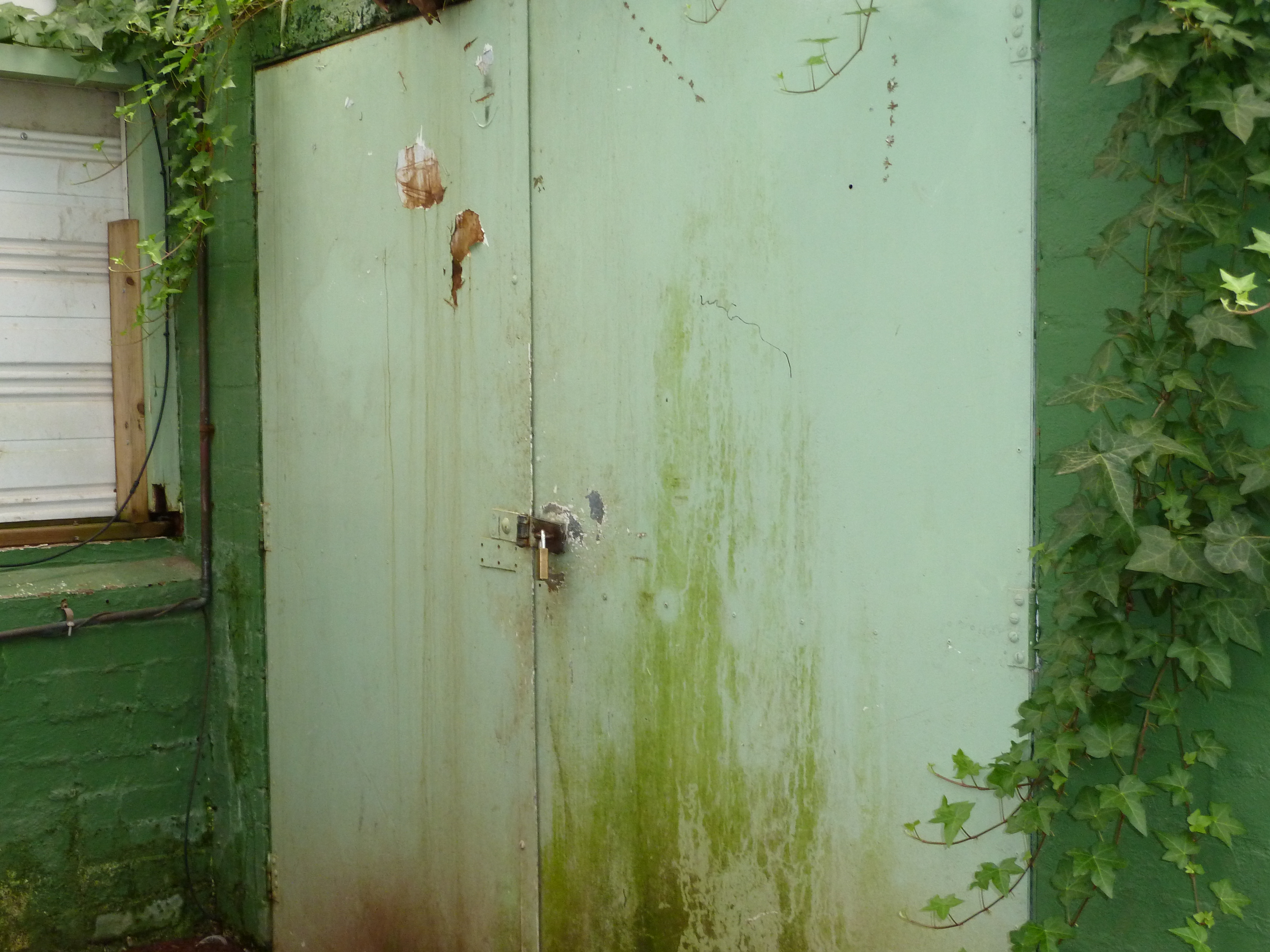
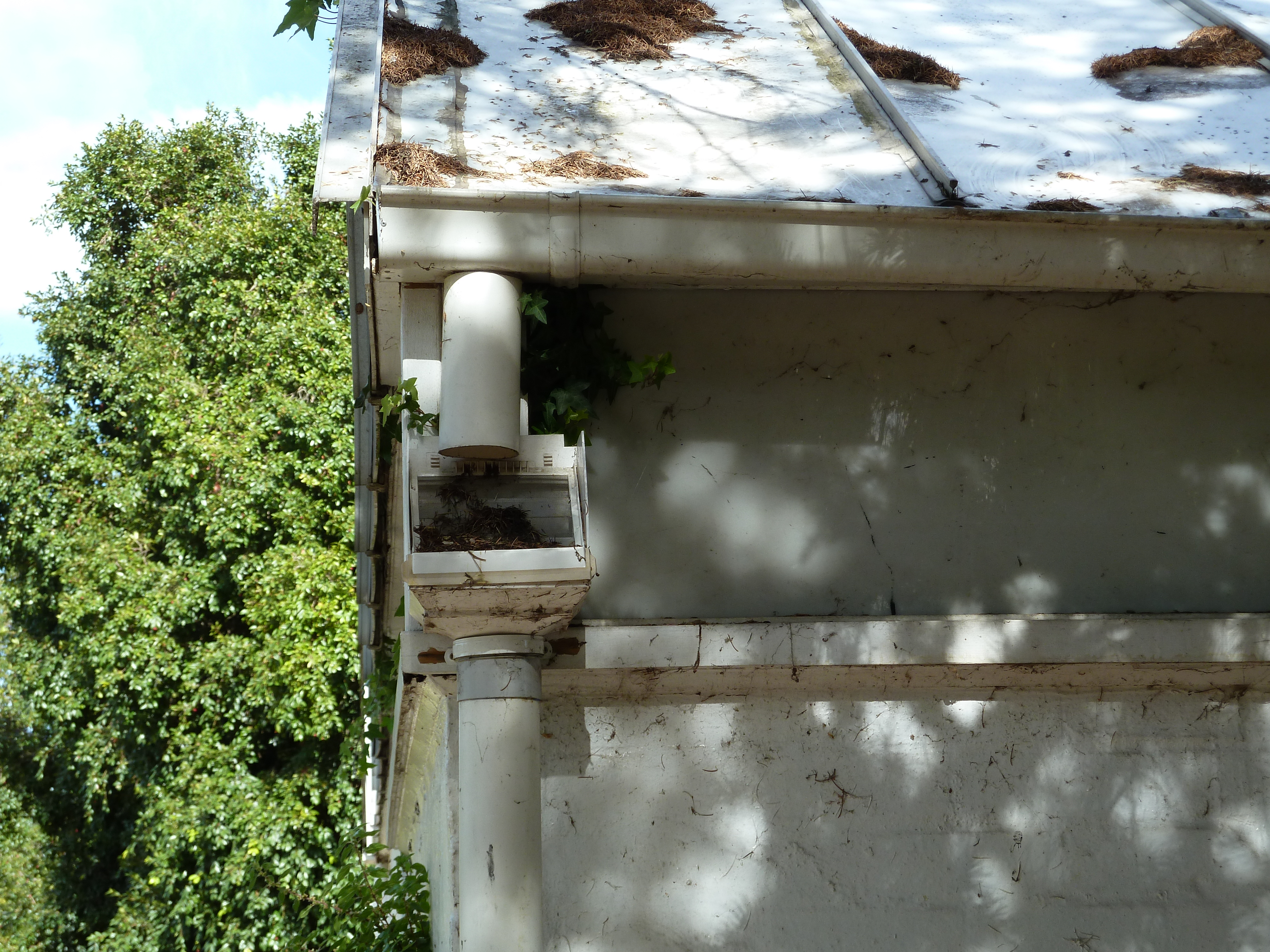
One very interesting item is $105,000 for the ‘restoration’ of the conservatory! Exactly what this means is anyone’s guess – especially since there was the council resolution to do nothing but undertake further ‘consultation’. It also begs the question of how much work was done in maintaining the building in 2012/13 since it has been allowed to deteriorate to such an extent. No figures were provided for this item in last year’s budget.

Finally, we draw readers’ attention to our post of one year ago. It is still very, very relevant! See: https://gleneira.wordpress.com/2012/05/16/can-we-trust-them-2/

Council

Dwellings approved

Subdivisions approved

Area sq.km

Density/sq km

GLEN EIRA

1,280

1,031

38.67

3183.57

Bayside

35

492

36.96

2402.79

Boroondara

613

18

59.96

2621.93

Hobson’s Bay

457

8

64.21

1298.35

Kingston

1,142

1,266

91.33

1465.91

Knox

965

455

113.79

1295.7

Manningham

837

215

113.47

1003.73

Monash

964

150

81.48

2002.21

Port Phillip

187

1,300

20.63

3905.51

Stonnington

1,498

568

25.64

3509.97

Whitehorse

830

888

64.25

2289.22

Yarra

757

512

19.53

3530.48

We’ve commented previously on council’s so called ‘Action Plan’ and the simple fact that there is absolutely no correlation between the objectives, actions, and ‘measures’. This follows on after repeated reports by the Auditor General and the reporting standards of councils – how there is a reliance on OUTPUTS rather than OUTCOMES and how so very little of budgets contain well worded rationales and data to substantiate the various claims.

In this post we will focus on the Town Planning & Development set of objectives since this has been repeatedly highlighted as a major concern by residents.

OBJECTIVE

ACTION

MEASURE

Plan for a mixture of housing types that allows residents to meet their housing needs in different stages of their life-cycle within the City. Actively plan for a mix of dwelling types underpinned by the Minimal Change/Housing diversity policy and also by encouraging a mix of one, two and three bedroom dwellings in larger medium density proposals Ensure Minimal Change and Housing Diversity policies are working by directing most dwellings to Housing Diversity


COMMENTS

If council was fair dinkum then the measure would state something along the lines of ‘report statistics on the number of 1, 2 and 3+ bedroom dwellings and their location within both the Housing Diversity and Minimal Change Areas’. Further, it is a bit hard to ‘plan for a ‘mixture of housing’ or enforcing a policy that ‘encourages’ 1, 2 and 3 bedroom dwellings when there is no Urban Design Framework and no such prescriptive clauses within the Planning Scheme. Needless to say there is no information provided on how these objectives and the associated policies are to be evaluated! Revealing that 65% of new dwellings go into Housing Diversity says nothing about the number of bedrooms in each dwelling!


OBJECTIVE

ACTION

MEASURE

Encourage and support community involvement in the planning permit application process. Promote Council’s suite of fast track permit application processes. Report to Council, year on year, the percentage of applications using fast track process.


COMMENT

Strange how ‘encouraging’ ‘community involvement’ is limited to only one aspect of the planning process – fast tracking of the application, which of course is designed to assist developers and applicants rather than the broader community. We also have to scratch our heads and wonder how on earth the ‘reporting’ of PERCENTAGES can in any shape or form be interpreted as a policy designed to ‘encourage’ involvement! Both the actions and the measures we maintain are totally unrelated to the objective!


OBJECTIVE

ACTION

MEASURE

Provide a fair, transparent and inclusive town planning decision making process Improve the Delegated Planning Committee (DPC) efficiency by reducing the number of planning application needing to be referred for a decision by undertaking mediation Undertake ten (10) mediation meetings


COMMENT

Suddenly ‘fair transparent and inclusive’ is reduced to mere ‘efficiency’. If the underlying philosophy of pro-development remains the same then ‘efficiency’ is no indication of ‘fair, transparent and inclusive’. Further, 10 mediation meetings provides no measurable outcome nor even a sizeable proportion of applications. And what if all of these ‘mediation’ meetings are failures –will the public be informed as to the outcomes of such meetings? In our view, ‘fair, transparent and inclusive’ must involve the promise that:

  • All objectors will be informed of amended plans and council’s position within the legal timeframe. This has not occurred on numerous occasions
  • That objectors learn of officer’s determination not on the Friday before a council meeting where the decision will be made, but at least a week ahead so that they have the opportunity to acquaint themselves fully with the logic of the officer’s report and to contact their councillor representatives
  • That objectors are fully informed of their rights and the processes involved and that councillors do not attempt to abort discussions and questions as has again been the case on various occasions at Planning Conferences.


OBJECTIVE

ACTION

MEASURE

Undertake community consultation and engagement to ensure the Glen Eira Municipal Strategic Statement, Glen Eira Planning Scheme and town planning process meets the needs of local residents and ratepayers. Survey participants in the Delegated Planning Committee process to ascertain satisfaction rates 80% satisfaction rating of participants in the DPC process


COMMENT

This has to be our favourite from the list because of its total nonsense. If the objective is to ‘undertake community consultation’ to ensure that the Planning Scheme and its associated processes are in line with ‘needs’ and expectations of residents, then limiting ‘consultation’ to mere SURVEYS of only ONE ASPECT of the planning process is entirely ludicrous. Consultation involves more than a ‘survey’ – especially when the questions asked remain top secret and are never published! One might then well ask why only 80% and who are the most ‘satisfied’ in this sham ‘consultation’ – the applicant or the objector?

The planning scheme was last reviewed in 2010. Three years later we are still awaiting half of the promised actions to materialise. To the best of our knowledge no ‘community consultation’ has occurred since then although the oft cited community satisfaction survey reveals year after year major DISSATISFACTION with planning in Glen Eira.

The take home message from this community plan is that there is no intention of changing anything. It is full steam ahead to what we believe is the detriment of the community. The least that ratepayers should expect is that when a community plan is funded and devised that the measures, actions and objectives are worth the paper they are written on.

Alma Club

PS: As a footnote to the entire issue of planning and the failure of this council to not only implement but have any strategic vision for the city, we thought that residents would be interested in the following comments from one VCAT member in a recent decision.  This concerns a Dudley St application which has been making the rounds for nigh on 6 years. The area is listed as MINIMAL CHANGE, yet application after application has been rubber stamped for 5 storey student accommodation and other developments. Here’s what the member stated in his decision –

It is perhaps unfortunate that the future of this area is being considered on an ad hoc basis through multiple permits and amendments to permits when the locality has offered a real opportunity for a strategic planning exercise to acknowledge the land’s relationship to the Phoenix Precinct and other attributes. Sadly, the street interface along Gibson Street with garages, a substation and an extensive area of encased fire services, is an example, in my view, of a lost opportunity to achieve a quality and integrated solution for an area that could have had a much higher level of street amenity. Having said that, there is a strategic context provided by the Scheme within which decisions about individual applications can be made and the lack of a specific position in policy about the area’s future direction does not provide a reason to refuse the current amendment request.

Source: http://www.austlii.edu.au/au/cases/vic/VCAT/2013/512.html

What does ‘Report to Council’ mean, especially when part of a proposed ‘Action Plan’ that is the foundation of a Community/Council Plan? In other councils such a phrase would be self evident – ie an officer’s report tabled and discussed at an ordinary council meeting. Not in Glen Eira. Here it can mean anything and everything, including disappearing entirely and never to be heard of again.

We’ve compared the 2012/2013 Action Plan against the objectives for the coming financial year and there are indeed some strange goings on. Apart from the usual humbug of measures not having anything whatsoever to do with objectives, there are many ‘reports to council’ which never saw the light of day in a transparent and accountable fashion. Perhaps they never even landed in the hands of councillors behind those tightly closed doors? Here is just a sample and we cite verbatim:

  1. Review and update council policy ‘Exclusion of Specific Developments’ from the Residential Parking Permit Scheme to implement measures to ensure multi-dwellings provide adequate on-site car parking. MEASURE: Report a revised policy to Council.
  2. Investigate the feasibility and applicability of introducing a Development Contributions Plan. MEASURE: Report provided to Council.(We note that on June 28th 2011 this was removed from the Planning Scheme. This also applies to the ‘Transition Zone’ policy which we discover is now ‘on hold’)
  3. Council Engagement Strategy and consultation processes reviewed. MEASURE: Engagement strategy updated and posted on Council’s website. (Please note that the Engagement strategy was last looked at by council on the 11th October 2011. Not only hasn’t this been revisited since but the full policy is nowhere to be found on Council’s website. What is up there is the pathetic little ‘6 steps’ which date back to at least 2009).

There are many, many more omissions and changes that the current Community Plan does not even mention or account for. Residents should not have to scour through the fine print in order to discover what is truly happening. Nor should secrecy and the pathetic games of semantics replace transparency and good governance. When the stated outcome is ‘report provided to council’ that must mean one thing only – a full and comprehensive document that is produced in the agenda for ordinary council meetings. We repeat ourselves ad nauseum – secrecy is the opposite of good governance, transparency and accountability.

This is our first preliminary look at the proposed budget. It is admittedly a very pleasant surprise that the rate increase will be kept to 6.5%. It is however worth pointing out the rate increases at neighbouring councils –

Manningham – 4.8%

Whitehorse – 4.1%

Kingston – 4.45%

Port Phillip – 4.5%

Bayside – 3.5%

Stonnington – 4.3%

Boroondara – 4.7%

SUPERANNUATION LIABILITY

Glen Eira has decided on the following strategy – “ The Defined Benefit Superannuation Call will be paid off over three years (before the next Review comes into effect) without reducing services of capital investment or increasing Rates”. This is presented as $2.4 million repayment the coming financial year and then $2.3 for the following 2 years. We do not know the interest rate on this debt!

Other councils have opted for different strategies and their comments are worthy of note –

Council’s Budget and Strategic Resource Plan shows that Council has forecast to borrow $7.90 million during 2013/14 to repay a liability Council has to the Vision Super Fund for a shortfall in earnings by Vision Super to meet its actuarial forecast for payments to defined benefits superannuants. This borrowing is consistent with the Financial Strategy as the alternative to borrowing is a debt repayment schedule offered by Vision Super with an effective interest rate of 8.82%: bank loans are lower than the Vision Super rate and therefore are an economic alternative. (Manningham)

The increase in net cash inflows from operating activities is primarily due Council paying $9.78 million to Vision Super in August 2012, being the discounted call amount for Council’s share of the Local Authorities Superannuation Defined Benefits Scheme liability shortfall.

In August 2012 the Local Government Defined Benefit Superannuation Scheme sent us an invoice for $14.3 million to cover our share of the shortfall in employee superannuation. It is payable immediately after 1 July 2013. This impost presents us with a major financial challenge not of our own making. While a likely shortfall was noted in last year’s budget the actual amount was well beyond what we expected. Because we don’t keep that sort of surplus cash in the bank, we will borrow to repay the liability in full – taking advantage of the relatively low interest rates currently available. In addition, we will repay the loan in just five years at an annual cost of $3.3 million. This strategy will save ratepayers over $9 million in interest compared to a standard twenty year loan. Our rate rise this year could have been a little lower but the savings we achieve with our approach will give the community a much better result (Boroondara).

There’s therefore much that is not revealed. Is Glen Eira ‘borrowing’ from the Vision Fund at 8.82% per annum? Did they investigate any cheaper bank loans? Would any bank even give them a loan since recent borrowings totalled $25 million? Clearly Glen Eira was never in a position to pay out up front. The result is probably millions in further interest repayments.

FEES AND CHARGES

  • Many of GESAC user costs have increased. What impact will this have on membership and attendance? Why the need for these increases? Isn’t this a case of killing the goose that laid the golden egg? Is this why there’s the neat little rider in the budget about handing control to increase prices to the Manager of GESAC?
  • Bin charges go up and up again – 240 litre bin up by another $17 to $377 pa and the 120 litre bin up by $8 to $173 pa.
  • Child care fees up again – $5 per day for 3 to 5 year olds to $100 per day.
  • No figure provided for council’s actual contribution to pensioner rebate. Has it gone down?
  • Staff numbers keep increasing – another $5million in staff costs and numbers up by 28 for EFT

OPEN SPACE

There’s a welcome addition in terms of open space via the statement: “As part of the current budget process, Council will adopt a Policy that all Public Open Space Contributions will be used solely for the acquisition of additional public open space or the upgrading of additional public open space for community use. Contributions would not be spent on existing open space. (Additional open space includes the disused Glen Huntly Reservoir)….In 2013-14, the Budget provides $250K for the upgrading of Elsternwick Plaza, owned by VicTrack”.

The budget also contains this plan – $5 million in 2015/6 and $4.5 million in 2016/17 for the Booran Rd Reservoir. Last year the budget papers had it down as – 4 million in 2017/18 and 3.5 million in 2018/19. So, the ‘redevelopment’ has been moved forward a year or so, but the estimated cost has escalated another 1.5 million. In other words, all that has been gained by this ‘policy’ is not MORE open space in the next financial year but some neat account balancing.

We ask: is the above more sleight of hand, especially since only $250,000 has been made available in the upcoming financial year. What happens if a property does suddenly become available? Will council even consider its purchase?

This is our most important comment however. Council estimates that the open space levies for the coming year will only bring in $2 million. Last year the figure was $1.9 million. Given that there are over 1000 subdivisions in Glen Eira per year, and at least 20 to 30% of these would be for 3 subdivisions and more, then an increase of a piddling $100,000 is quite unbelievable. So how many developers are thus being let off the hook? And why is there no mention of the potential increase in the open space levy given that countless other councils are exacting at least 5% across all of their municipalities.

We will comment further in the days ahead once we’ve had a chance to go through the budget in greater detail.

PS: there is one current ‘innovation’ in this budget that rears its head for the first time. In all previous budgets Council saw fit to include after each category the FINAL FINANCIAL FIGURES for that category in the User Fees & Charges – for example: “Total Asset Management”; “Total Glen Works”; “Total Property and Facilities” etc. This year, no such figures are provided! Hence residents have absolutely no idea how much revenue is brought in for each of these individual categories. Transparency and accountability have again taken a huge hit, despite the Auditor General’s recent report on the need for councils to justify every single cent in language that is accessible, and comprehensible!

Prior to reporting on this ‘debate’ we wish to highlight these points:

  • For some councillors the conservatory has been allowed to become ‘dilapidated’. For others it has been ‘preserved’ and ‘fixed up’.
  • Only one councillor mentioned long term consequences such as ‘water, electricity, sewerage’ if this becomes a cafe. What has not been mentioned is ACCESS to serve a cafe – ie will we have loading bays? will more parkland be ripped up for roads and carparks?
  • If a cafe, no councillor mentioned outfitting costs and who will pay for this – council or lessee. For example at GESAC $300,000+ was spent on outfitting the cafe!
  • Lipshutz’s inconsistency continues – in 2011 he called the conservatory ‘an icon’!!!!!!!!

LIPSHUTZ: Read out the officer recommendations. Stated that the conservatory issue is ‘vexed’ and has come up several times. Previous survey was ‘inconclusive’, Said that ‘many people’ including himself have got ‘concepts’ about what should happen including a ‘cafe/tea rooms or other uses’. ‘There’s no suggestion’ that the place would be ‘demolished’. The motion ‘ensures’ that ‘concepts are brought before the community’ and that people can then come to council after ‘consultation’ and then council would decide. Went on to say that there are plenty of ways that this ‘can be used’ such as cafe or simply ‘flowers and gardens’. The conservatory is ‘much loved’ but also ‘maligned’ building and people want to make sure that it’s used properly and that the motion will make this happen. Didn’t want to see ‘a patch up job’ on the place. Important that the ‘community come in and tell us what they want’. Stated that there are ‘beautiful’ areas to the east, then the lake, and the western side which is ‘not used at all’. Wants to see that part ‘developed’ so it ‘can be used for recreation’.

DELAHUNTY: important that community has input to get this ‘right’ but the question is what’s ‘right’. It’s always been her ‘ethos’ that the role of a councillor is to ‘represent’ and there are strong views about this issue and community groups such as Friends of Caulfield Park ‘can inform us’ and ‘own this process’ as to what it will look like down the track and not ‘spend the community’s money’ on what mightn’t ‘be the end result’. Said that previous consultation wasn’t about concepts and ‘possibly didn’t ask the right questions’ nor ‘broad enough’. Thus she thought that ‘we have to take the lead’ and tell people ‘these are the options’ and ‘hoped’ that community groups ‘take hold of this’. They should ‘inform us’ and ‘help us deliver’ the outcomes. Previous survey ‘only heard from 312 people’ and that’s ‘possibly not enough’ and wanted a ‘more ringing endorsement’ about what to do. ‘Will cop’ that this (ie consultation) has been ‘done before’ but ‘let this be the last time’.

PILLING: said that the motion was a ‘mish-mash’, not clear and ‘confusing’. Said that the last resolution was to fix up the conservatory and ‘protect’ it and that this motion just ‘delays that’ . Accepted the ‘good will’ of councillors but said that it should be fixed up and then consult. ‘Opening it up to commercialisation’ is bringing up a ‘can of worms’. Said the motion ‘was confusing everyone’ and that it’s a ‘mish-mash’. Said he was in favour of community groups coming in, but this motion doesn’t ‘seek to do’ that. Also, there’s ‘a precedent here about commercialising our parks’ and mentioned surrounding, existing cafes and competition and ‘that’s not our role’.

MAGEE: admitted that he’d been in favour of a cafe for many years and went past that morning and asking himself ‘how can this go forward’. Then he realised that over the last 4 years he’d been ‘fighting’ the MRC for ‘overcapitalising and commercialising’ crown land. So he felt like a ‘real hypocrite’ because favouring a cafe in the park was ‘exactly what I was criticising others for’. Therefore he ‘can’t support commercial activities on crown land’. Read out the 2011 motion about ‘full restoration’ of the conservatory and then said ‘here we are two years later’ debating about consultation. Said that what they’re trying to do is ‘give back’ to the community what they were given in the seventies. Wanted a ‘full restoration’ and then going back to the people. He ‘liked’ the idea of plants being there. ‘we have to restore it to its former glory’ and remember why it ‘was put there in the first place’…..’I won’t be supporting anything that goes as far as commercialising any land’ in parks.

LOBO: thought about this for a long time and it involves an ‘icon’ in the park. Said he’d visited last week and received ‘half a dozen’ phone calls from people asking ‘not to dilly dally this process’ any longer because it’s already been ‘considered’ on 3 previous occasions – 2006, 2010 and 2011. Said that if they’d already considered the issues when they sent out the survey and only got 312 responses then ‘maybe at the time they did not realise the importance of this place’ . Handing this over to ‘money making’ businesses is akin to the MRC using ‘crown land to make money’ . Council should go ahead with ‘full restoration’. ‘What we are achieving by sending another costly survey is beyond my reasoning’. If the results are similar to previous surveys then it’s ’embarrassing’ and a ‘futile exercise’.  Cited Einstein about doing the same thing over and over and expecting different results is a ‘sign of insanity’. When the city is crying out for open space building something on the open space is the opposite. Said that it looks like council is heading down the track of ‘encouraging cafes, two dollar shops and massage parlours’. Wanted to ‘get on with the job or restoring this icon’.

SOUNNESS: stated that this building came from Rippon Lea where they had lovely gardens, much open space, high ceilings. This conservatory in comparison to that is ‘small and squalid’. Accepted that ‘it’s got a lot of history’ but was ‘rejected from Rippon Lea’. The question then becomes what’s the best use? Admitted that ‘I do not know’. Said that this is like grit in the eye in that ‘it’s a small matter for Glen Eira’ – ‘it’s not a GESAC’; it’s a ‘small thing’ but it’s ‘hung around and irritated’ a lot of people. It’s never going to become the best conservatory and win awards. If it’s a teahouse then you’ve got to think about power lines, sewerage, and water and whether ‘this is the best use for our park’. Went on to say it’s a ‘lot of money to spend on something’ if the returns are small either way.

OKOTEL: said that since the last consultation was in 2006 there had been a ‘sufficient gap’ for this now to be ‘relooked at’. Basically repeated the officer’s report on numbers for and against from the 2006 survey.  Commented that the petition that also ‘went out’ doesn’t say if those people who signed also filled out the survey so there could have been duplication and she didn’t think that since this was ‘seven years ago we don’t have those records anymore’. Said that in 2006 there was support for a cafe so community recognised that there was need for development and that currently and ‘unfortunately’ the conservatory is ‘falling further and further into dilapidation’. Thought it was important that councillors take into view the community’s wishes and don’t just follow their own perceptions. That they need to ‘take direction from the community’. Hoped that this was true on ‘every issue’ and ‘take direction from consultation we have with the community’. “Consultation is a fundamental job for council to undertake’.

ESAKOFF: ‘looked forward’ to community views even though different comnmunity. Said that the motion ‘opened it up to more opportunity’ and ‘not just a cafe’ but ‘other uses as well’. Responded to Lobo’s comment about 2 dollar shops saying that they wouldn’t survive without community support.

HYAMS: didn’t ‘think’ that this was commercialisation of parks since tea rooms would add to the park by getting people to come into the parks as in other parts of the world. Objective isn’t to ‘work for the benefit of the operator’ but to ‘bring further life to the area’.  Said that in 2006 ‘the majority was in favour’ of a cafe. And that with the petition you ‘can’t put the petition on the same level’ as ‘a neutral community survey’.  ‘When you put out a neutral question’ via the consultation survey then ‘you get back the response of the community’ which isn’t true for a petition which also doesn’t capture all those people who refused to sign a petition. ‘so all you get is one side of the argument’. Said that the ‘equivalent’ would be like getting the survey and then discarding all those ‘that say they don’t want a cafe’. Said in 2006 council decided to ‘push ahead’ with tendering although ‘for some reason that didn’t proceed’ and in 2010 officers thought it should come ‘to new council’ and then a year later ‘council changed its mind’. So it’s not a question of coming back again and again on the issue until they get the tea room. Said that suggestions to ‘do the work and then consult’ doesn’t make sense because it ‘may well end up as a waste of money’ if people want a ‘tea room’ and they’ve ‘already put on a roof’ that’s appropriate for a ‘green house’.

LIPSHUTZ: compared Lobo’s and Sounness’ comments and ‘wondered whether we’re talking about the same building’ – ‘in this particular case’ he agrees with Sounness. ‘It’s not an icon. It is a small and squalid building’. But people are concerned about it and that’s why the motion is as it is.

Argued that the motion isn’t saying ‘commercialising the park’. It says that ‘we may’ if that’s ‘what the community want’. Motion is all about ‘seeking consultation’ about what people want. Also said that ‘we have protected’ the conservatory; ‘we have fixed it up’ and that ‘we’ve done the works’ and that the motion isn’t about ‘protecting’ but ‘deciding where we go from here’. It’s not a ‘mish-mash’ because all it’s saying is going to people and asking what they want. He’s not afraid to say that a cafe is something that he’s wanted for ‘some time’ and that ‘it’s an excellent idea’. ‘Our role’ is to ensure that parks are used to the fullest potential and it’s silly to ‘have open space that nobody uses’. If in the end it’s about flowers then that’s ‘wonderful’ – ‘it’s for the community to decide’. Not enough to think that ‘let’s build it and they will come’. They didn’t build GESAC and then ask the community what they wanted. ‘we came with a concept’ and then invited the community. ‘This is what this motion is all about’. ‘It is not an icon. It is a small and squalid building’. ‘Let’s get the community involved and end it once and for all’.

MOTION PUT AND CARRIED 5 TO 4.

CAULFIELD PARK CONSERVATORY

Lipshutz moved the motion to accept recommendations. Delahunty seconded. The final vote went 5 to 4 to accept motion.

In favour: Hyams, Lipshutz, Esakoff, Delahunty, Okotel

Against: Lobo, Pilling, Sounness, Magee

We will report on the ‘debate’ in the days ahead.

Item 9.1 – Railway Cresc. application

Esakoff moved motion that instead of 3 storeys and 10 dwellings this be reduced to 3 storeys and 8 dwellings plus including a visitor car park. Lipshutz seconded. Even though Lobo spoke against the motion, the final vote in favour was unanimous.


P1000140

P1000139

P1000141

conservatory1

P1000136

P1000137

The Hon. Matthew Guy MLC

Minister for Planning

Level 7

1 Spring Street

MELBOURNE VIC 3000

Dear Minister,

I am writing to express my concerns about the administration of the Caulfield Racecourse Reserve and the lack of public recreation space available in the Glen Eira area.

According to the City of Glen Eira, despite the lack of public space in the municipality, there is large amount of unused public space available at the Caulfield Racecourse Reserve.

You would be aware that the reserve is Crown Land and currently administered by the Caulfield Racecourse Reserve Trust.  The reserve was granted to the people of Caulfield for the provision of not just a racecourse but also for a public recreation ground and a public park.  However, while the racecourse is well provided for by the Trust, the other purposes are not.

It is the responsibility of the Trust to ensure that the reserve is set aside for the public enjoyment and use of the people of Victoria, particularly those in the local area.  However, the current structure of trust does not allow for good governance and accountability in administration of this public land.  In particular, I am concerned that six of the positions on the Trust are filled by members of the Melbourne Racing Club (MRC), which is a tenant of the reserve, and that those trustees may experience a conflict of interest between their roles with the MRC and their duties as trustees.

Therefore, I ask that you take action to ensure the integrity of the Trust.  Given that the Trust is responsible for approximately $2billion of public land, the Victorian Auditor General should be its Auditor. To ensure that the Trust is currently operating effectively, the Auditor General should conduct a performance audit immediately.

Furthermore, all bodies that manage Crown Land should comply with the Guidelines for Committees of Management of Crown Land, which are provided by the Department of Sustainability and Environment.

Crown Land is reserved to benefit all members of the public.  However, the Caulfield Racecourse Reserve is currently used for commercial purposes including a successful Tabaret. Nearly all income from the use of this public land accrues to a non-public body.  The people of Caulfield and Elsternwick would be better served, in my view, if any non-core activities are charged a commercial rent and money reinvested into the provision of not just the racecourse, but also the other mandated purposes, a public recreation ground and public park.

I note that the Victorian Parliamentary Select Committee of the Legislative Council on Public Land Development in its final report in September 2008 found that, “The Caulfield Racecourse Reserve profits to the Melbourne Racing Club have been disproportionately directed to racing users, with inadequate provision for use of public park and recreation users as required by the original Grant,” and recommended, “That the Caulfield Racecourse Reserve Trustees direct a substantial amount from the profits made by the Melbourne Racing Club over many decades to the provision of public park and recreational facilities, including promotion of the public use of these facilities as recompense to the community.”

The City of Glen Eira has the smallest amount of public open space per capita of all Melbourne municipalities. In addition to this, it is predicted that the MRC’s C60 Development, on its freehold land across Station Street from the Racecourse Reserve, is projected to include 1500 dwellings. More effective use of the existing public land at Caulfield Racecourse Reserve can assist alleviating the open space problem in Glen Eira for current and future residents.  However, this is not possible until the current Trust structure is operating effectively, to ensure this an immediate performance audit will need to occur.

I would appreciate it if you would consider my concerns and get back to me at your earliest convenience.


Yours sincerely,

Michael Danby

Federal Member for Melbourne Ports


cc. The Hon. Ryan Smith MP