Caulfield Racecourse/C60


c601c602c603

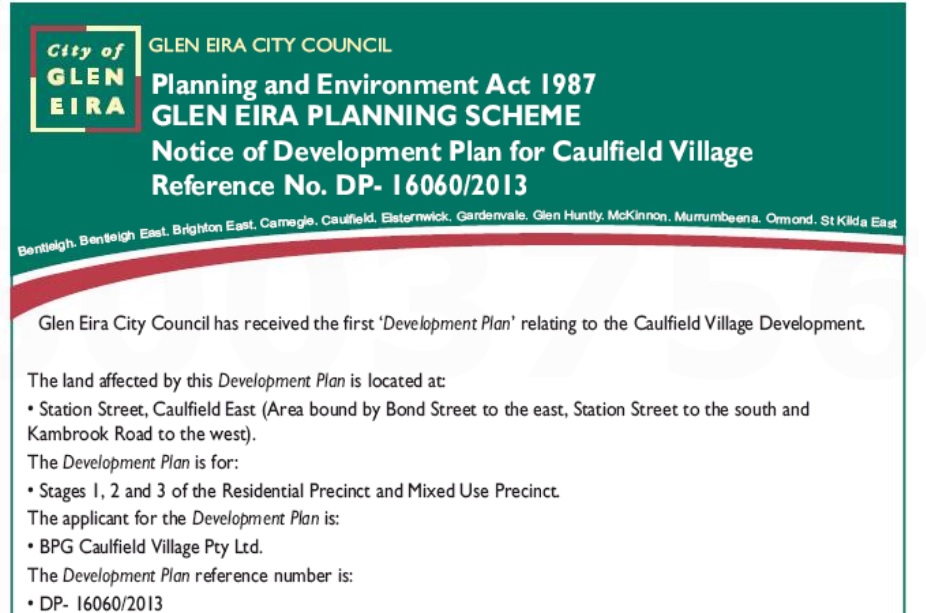
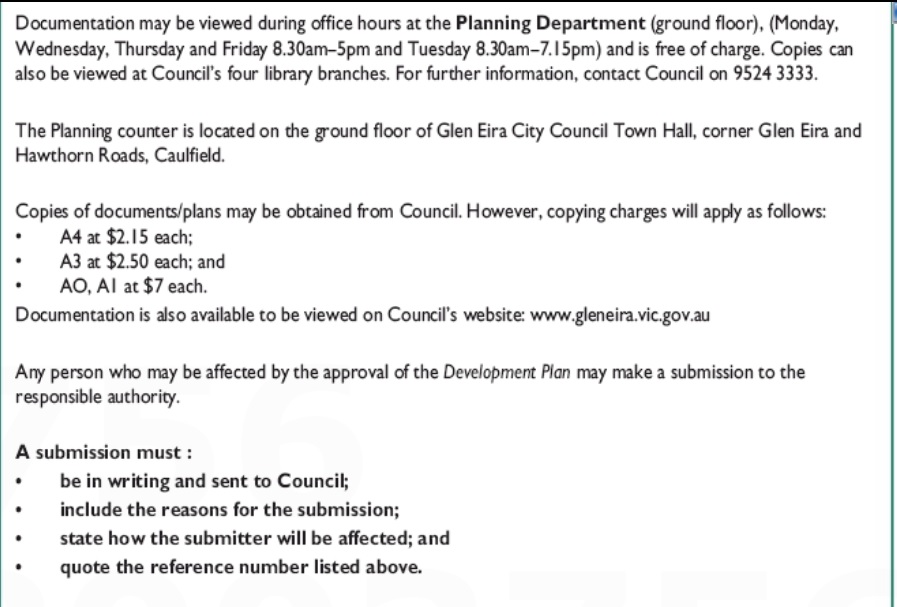
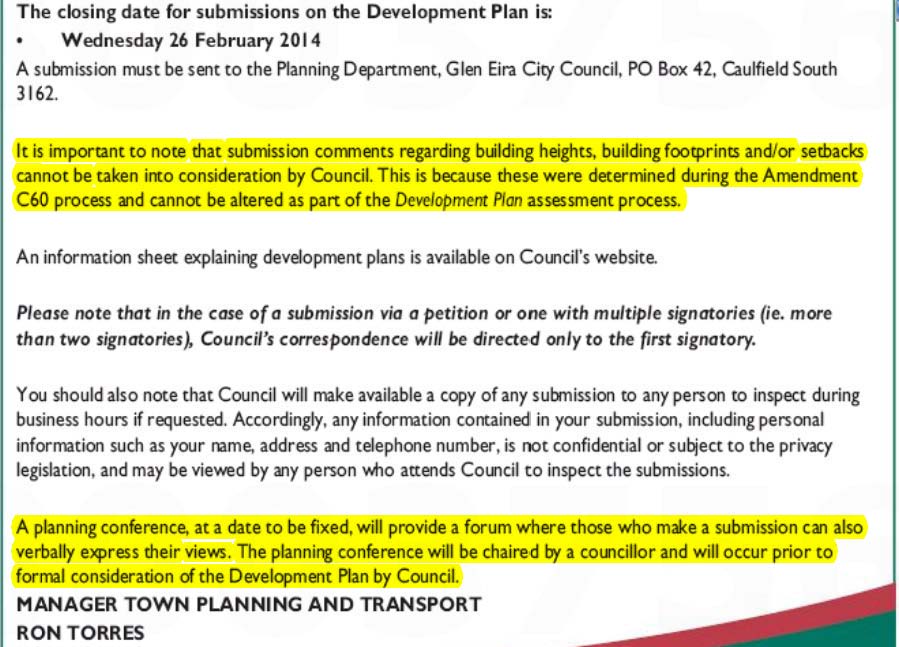
PPS: All the documents are available from:

http://www.gleneira.vic.gov.au/Council/Planning_and_building/Planning/Caulfield_Village/Development_Plan_1

PS: From ‘The Age’ today!

Victoria’s racing industry pay rates run a distant last

Date: January 27, 2014 – 9:38PM

Illustration: Matt GoldingIllustration: Matt Golding

Strappers and stablehands in Victoria’s racing industry earn the lowest pay and have the worst conditions, according to the national workplace ombudsman.

An audit by the Fair Work Ombudsman of ?eastern seaboard racing tracks resulted in Victoria chalking up the worst performance in properly paying strappers and stablehands – the people who groom, feed and saddle racing horses and clean and maintain their stables.

Only a third were found to be paying their staff properly, far worse than in other states.

The audit followed the ombudsman receiving almost 100 complaints over pay and conditions from people in the industry, 35 from Victoria.

Of the horse-training businesses checked in Victoria, only 31 per cent complied with workplace laws. In NSW 86 per cent of businesses paid staff properly as did 76 per cent in Queensland.

In all, ombudsman inspectors checked the books of 86 horse trainers in metropolitan and regional NSW, Victoria and Queensland late last year.

A report to be released by the ombudsman on Tuesday cites the case of one horse trainer in Victoria whose business employed stablehands hired for periods of less than the legal minimum of three hours.

One Victorian trainer interviewed as part of the report said he was not aware there was a minimum amount for shift lengths and paid back $1985 to eight of his employees.

The correct rate of pay for strappers and stablehands is about $21 an hour depending on which state.

A trainer who was noted in the ombudsman’s report was found to be paying her casual staff a flat rate of $20 an hour, despite many working on Sundays when penalty rates applied.

The trainer back paid almost $16,000 to eight of her workers.

Of the 86 horse trainers audited, 34 were found to have underpaid a total of 61 employees almost $40,000.

Read more: http://www.theage.com.au/victoria/victorias-racing-industry-pay-rates-run-a-distant-last-20140127-31j5f.html#ixzz2rddD7MkD

Apologies for what is an exceedingly long post but which focuses on 2 vitally important Amendment proposals that basically admit council’s previous stuff ups, plus the public relations exercise on the C60 and Caulfield Village. Please refer to the actual agenda items on council’s website for other items including – walking strategy, sporting ground allocations policy, and some very interesting in camera items concerning the Audit Committee.

Caulfield Village Development

Rocky Camera’s report is in response to the following Request for a Report passed at last council meeting – “That a report be prepared to determine the best methods to engage with the community surrounding the Caulfield  Racecourse in light of impending developments which will impact their amenity. That the report recommend ways to involve the community in helping to shape the future of their area be that through structure planning or another method used by other councils.”

We note at the outset that the request for ‘methods’ is not really addressed by Mr Camera’s response and ‘structure’ planning is mentioned only twice in passing, in the entire 6 pages of script! Instead, the report is a follow up to the Akehurst comments from this council meeting and the admission that residents’ opportunities to ‘object’ to the Caulfield Village are dead and buried!

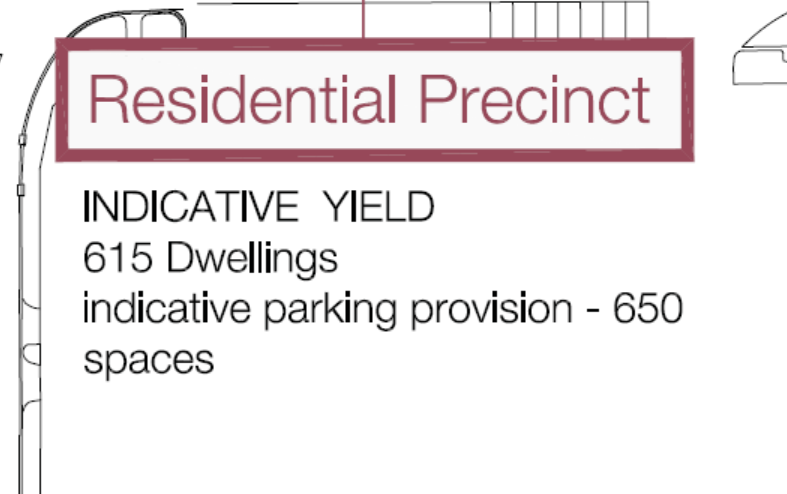
Once again there is plenty of misleading information. Even though Probuild has formally announced its intention to build 1500+ units, this report still maintains – “Caulfield Village will contain 1200 dwellings’ and ‘improvements to three main road intersections’. The report then continues with assurances that “details” are known and this followed (of course) ‘extensive community consultation’. Probuild could not have employed a better public relations firm that Glen Eira City Council in spruiking the development as evidenced by the following highly dubious claims.

This document gives certainty to the local community by precisely stipulating building envelopes; their heights, setbacks, and siting. It can be said that the Caulfield Village development is one of the most planned development sites in the municipality. The future development of this land has been “locked in” following a rigorous community consultation and amendment process, the community now has a high level of certainty in what to expect at Caulfield Village. This certainty even extends to the location of new roads, infrastructure upgrades, and the use of laneways. If any person is unaware or unsure of the future development of the Caulfield Village, they simply just need to turn to the Incorporated Plan. In this respect, the community’s involvement in “helping shape the future of the area” has occurred.

The degree of detail and certainty far exceeds what a structure plan could offer. At best, structure plans are policy documents, providing general guidance on future development. The framework for Caulfield Village, with precise controls, and a rigorous ‘recipe’, means there is already absolute certainty about what the extent of future development will be.

Thus, after a page and a half of unfounded assurances, the real truth emerges. All residents will be able to do regarding the Development Plan is submit ‘comments’. They will not have any objection rights to VCAT. The best residents can hope for is that someone with common sense realises that 1500+ units as opposed to 1200+ units, does in fact constitute a marked departure from the Incorporated Plan. The domino effect should then be applied to traffic, etc. But all we’re told is:

if the developer deviates from the Incorporated Plan (‘recipe’) and proposes, say, taller buildings than what is specified in the building envelope. In this case, a full town planning process, together with typical third-party rights must be undertaken. That is, if a proposal contains taller buildings than the agreed envelopes, or departs from the Incorporated Plan, the community needs to be further consulted.

What will be interesting is how ‘deviates’ is defined and by whom and what constitutes a ‘deviation’ from the sorely lacking detail of the Incorporated Plan!

There are several other admissions most notably that the open space levy extracted from the developers only amounts to $4m for the residential components. Given that the law at the time permitted up to 5% Council has again let the big boys off very cheap at 4%! Mention is made of the possibility of ‘back dating’ rates, but we assume that this will be calculated on the miniscule rates that have been part of the Planning Scheme since 2006/7 and not the uppermost limit currently available. Another present to developers!

We urge residents to read this report very, very carefully and to note the following:

  • The first development plan is already in the hands of council and will be made public early 2014
  • After so many assurances that ‘precise details’ are known about the future of this area, the recommendations confess that the C60 in effect only supplies ‘broad parameters’!

NEIGHBOURHOOD CHARACTER AND HERITAGE CONTROLS

If ever there was an admission of a total stuff up then Item 9.9 is the living proof. This harks back to Amendment c87 where the Neighborhood Character Overlays were introduced into the planning scheme. Readers will remember that councillors in their wisdom promised those residents who asked that their areas be included, or not excluded, that they could present their case to the Planning Panel, only to find that the ‘terms of reference’ could not be altered. Hence, all those individuals who believed council found out to their horror that their claims were not relevant to the deliberations of the Planning Panel. We also remind readers that both residents and councillors were not given the opportunity to put in any recommendations – it was all done ‘inhouse’ by officers and through the Planisphere report.

Well now (a year later) there is a massive public relations exercise about to happen, where a handful of residents from that time will get a look in. The proposals are minimalist in the extreme – a couple of more houses added to the heritage listing and basically one more street included. Of course, none of this will happen in the short term, given the length of time it takes for Amendments to get through. We simply ask why this couldn’t have happened right from the start? Why does it take this council attempt after attempt to get something close to ‘correct’?

LARGE SITES – NEIGHBOURHOOD RESIDENTIAL ZONE

This is nothing but a confession that the zone reforms are another major stuff up and this is purely a limited attempt at ‘damage control’ given the outcry from developers. It does not excuse, nor solve the problem as we see it because:

  • The proposed amendment only addresses lots that are larger than 2000 sq. m. What if block of land is 1000sq.m for example?
  • With no minimum size prescribed in the planning scheme we can have subdivisions upon subdivisions so the myth of two dwellings per lot may stand – but the overall effect would mean 2 dwellings on each subdivision. There is nothing in the planning scheme to prevent this and we believe it is already happening.

There is much, more more of significance in these agenda papers. As per the norm, major issues are all presented at the one time so that real discussion, debate, and the prospect of intelligent and careful decision making is jeopardised. We even wonder whether councillors have taken the time to actually read all 377 pages!

PS: We’ve neglected to mention the Elsternwick Plaza item. At last council meeting the following resolution was passed – “That Council not accept VicTrack’s revised offer and continue to advocate for finalisation of the lease as per the original plan.”. This was after the Lipshutz/Hyams motion was defeated. However, being persistent little councillors, we now find that Newton has undertaken further negotiations and that there has been some ‘movement at the station’. This new recommendations DOES NOT ADHERE TO THE EXISTING RESOLUTION. We presume that the motto of the gang is that if you don’t succeed first time around, try, try, try again! It will be fascinating to see if councillors have got the gumption to stick to their original motion or whether they will cave in as per usual. This item just happens to be 9.20 – last cab off the rank when ‘determination’ and ‘stamina’ have been well and truly exhausted by everyone! Ah, the games that we play!

Presented below is the transcript of a public question taken from the minutes of April 30th, 2009 and the response provided by the then Mayor, and councillor rep on the Racecourse Reserve Trustees, Helen Whiteside. Comparing the response presented below and the utter silence that emanates from current and past trustees today, we question:

  • why this difference in approach;
  • what has happened in the intervening years to create this ‘secret society’?
  • Who is responsible?
  • And why are council and councillors so complicit in this clamp down on information dissemination?
  • If details of trustee meetings were provided 4 years ago, then why doesn’t this council provide any public report?
  • Are all councillors even kept in the loop about what happens at these trustee meetings? Or does the ‘secret society’ now extend only to Newton and the annointed Lipshutz, Esakoff, and Hyams?

Subject: Caulfield Racecourse Trustees
“By way of a comprehensive report, please tell me what transpired at the last meeting of the Caulfield Racecourse Trustees on or about Thursday 19th March 2009.”

The Mayor responded to your Public Question. She said:

“The Trustees’ meeting took place on 19 March 2009. In attendance were 14 of the 15 Trustees, including myself, Cr Tang and Cr Staikos, the Secretary Mr Cleaver and the Business Affairs Manager of the MRC.

There were four main items of business.

Firstly, the Trustees considered the “Communique” between the MRC and Council. The “Communique” proposed that after training had been relocated from Caulfield, land on Neerim Road would be excised from the Racecourse Reserve and be
incorporated into Glen Huntly Park under the control of the Council. The Trustees by a majority decided that they did not wish Trust land to be excised. The Trustees decided to ask the MRC and Council to propose alternative arrangements to give
effect to the underlying intentions of the Communique.

Secondly, the Trustees considered an MRC plan for the development of the centre around the lake. The plan was in two stages with the community facilities in the second stage. Concern was expressed that the area for passive open space had been substantially reduced from what had been previously agreed and Trustees decided that the MRC and Council should consider revised plans for presentation to the next meeting of Trustees.

Thirdly, the Chairman advised that he had received a letter from the Ombudsman about alleged conflict of interest and the Chairman distributed a copy of the Chairman’s reply.

Fourthly, the Trustees agreed that two draft policies should be prepared for consideration at the next meeting:
• A draft policy on Conflict of Interest and
• A draft policy on who should be permitted to attend Trustees’ meetings.”


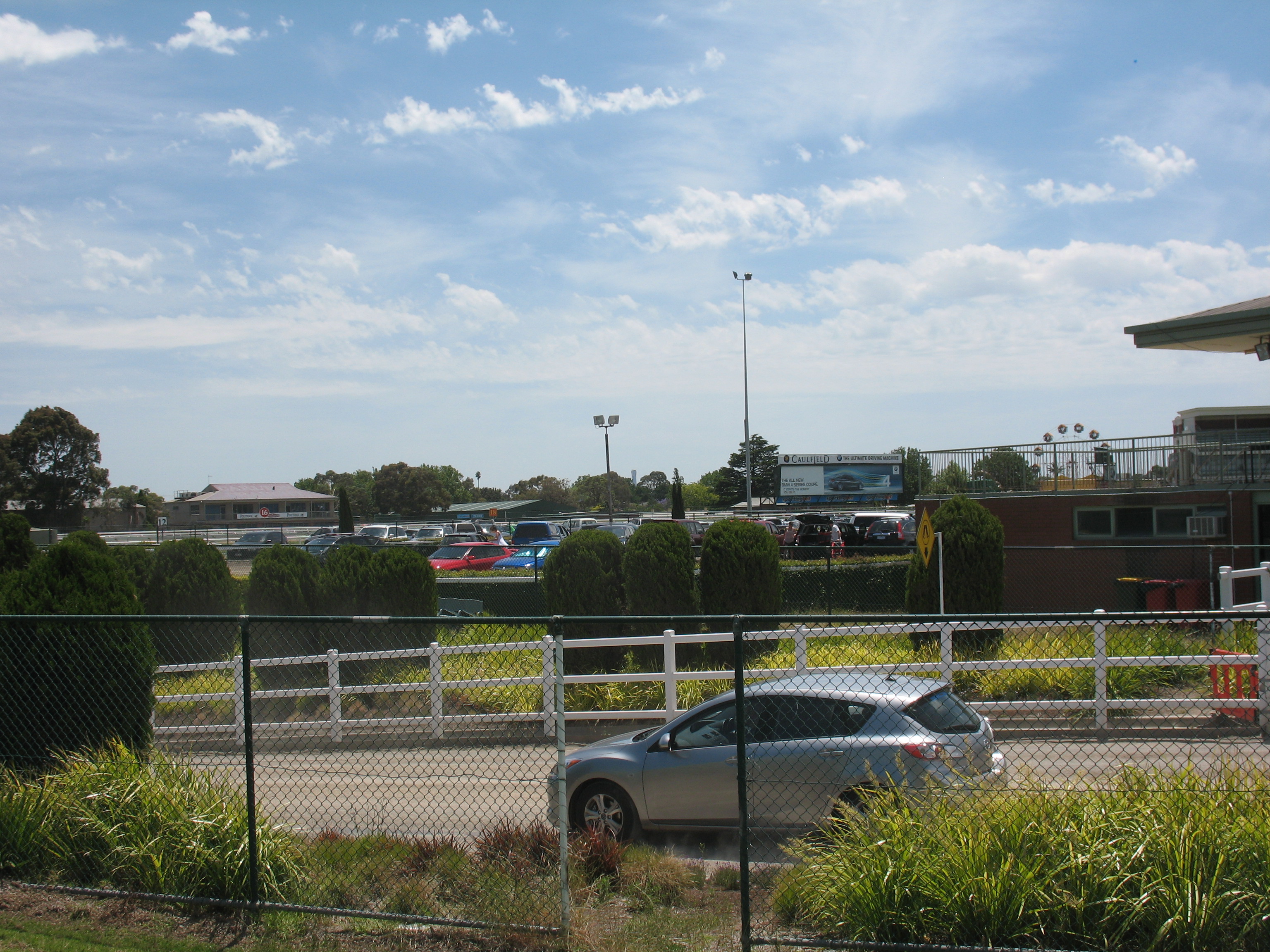
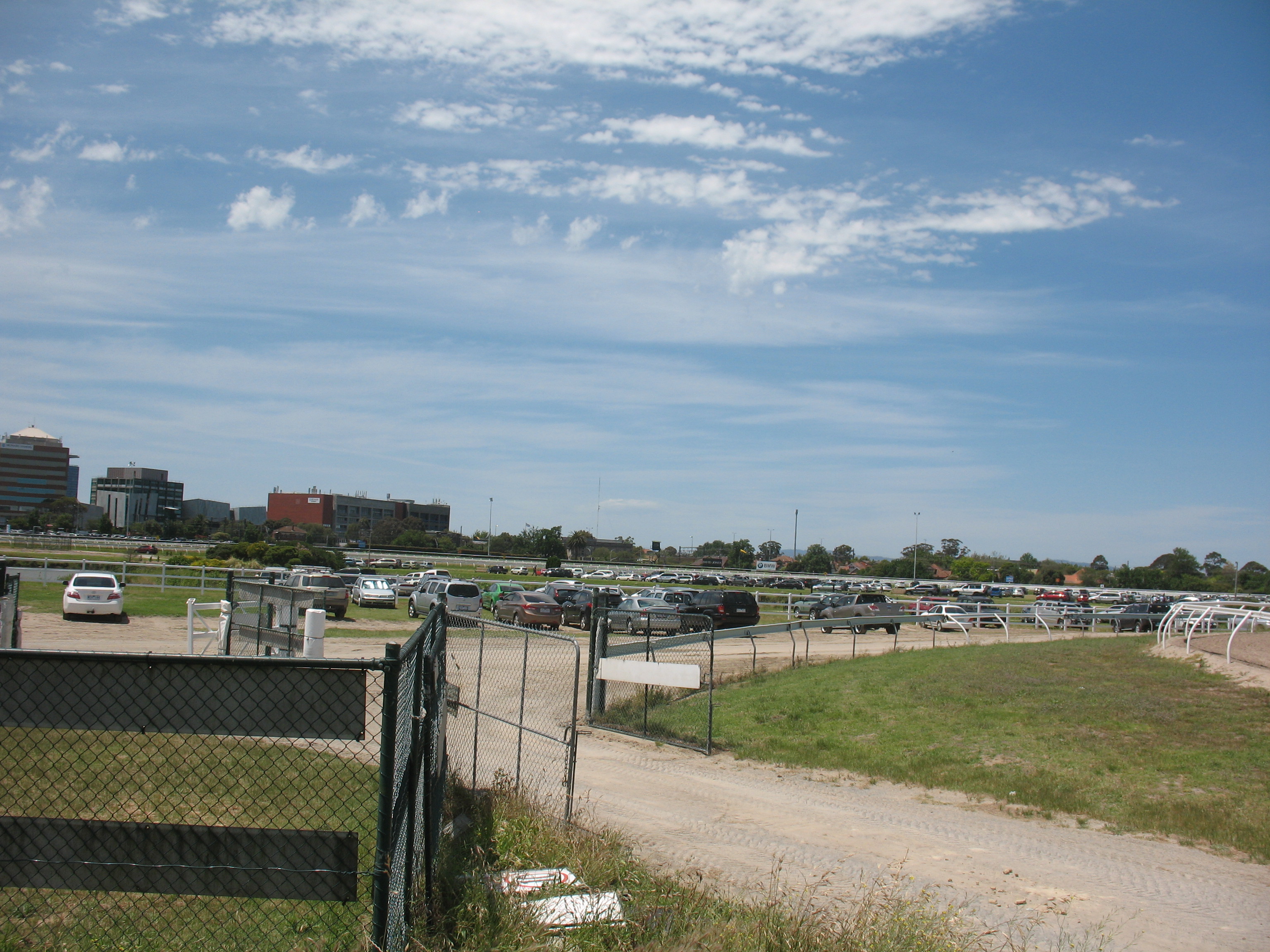
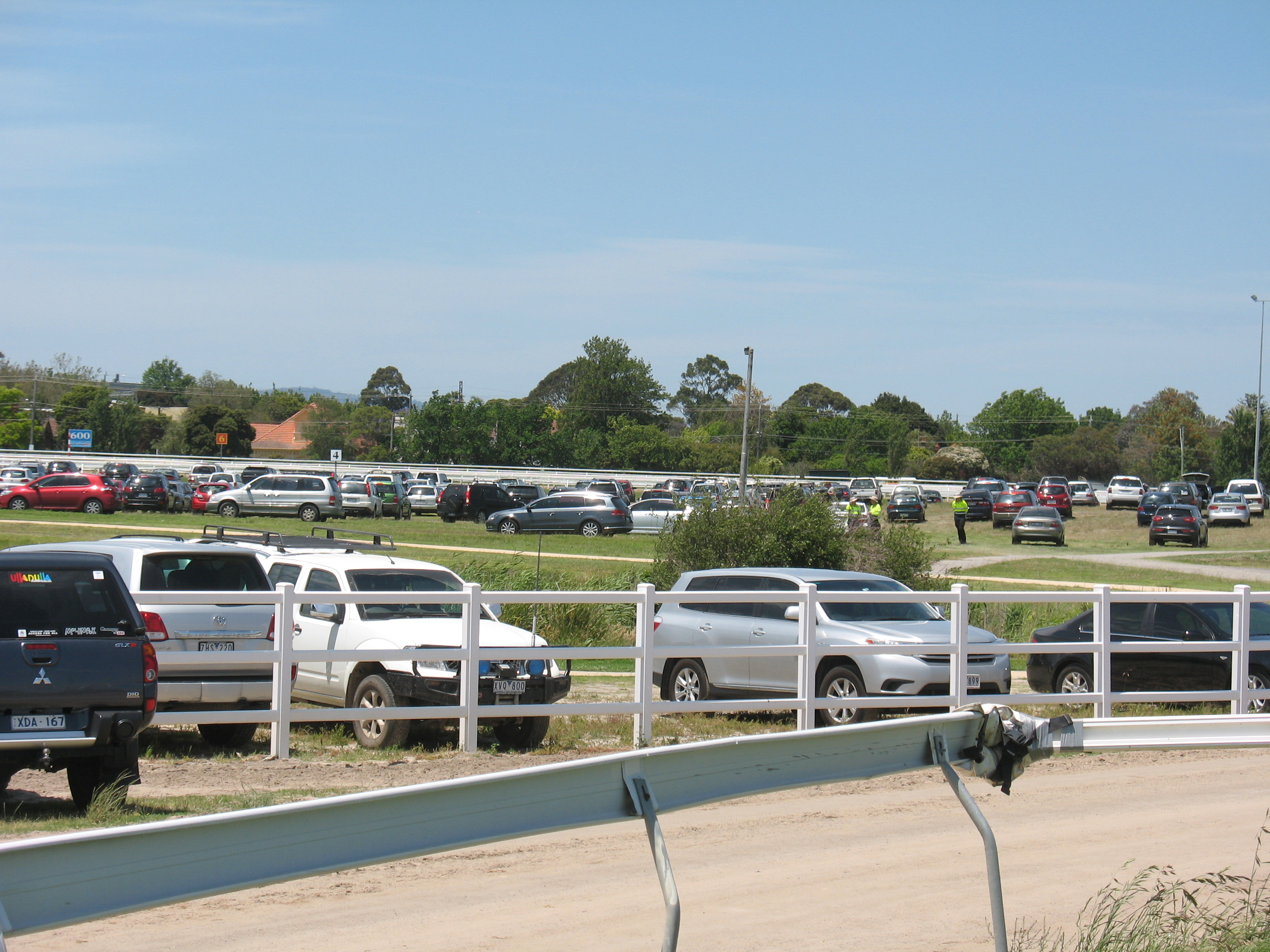
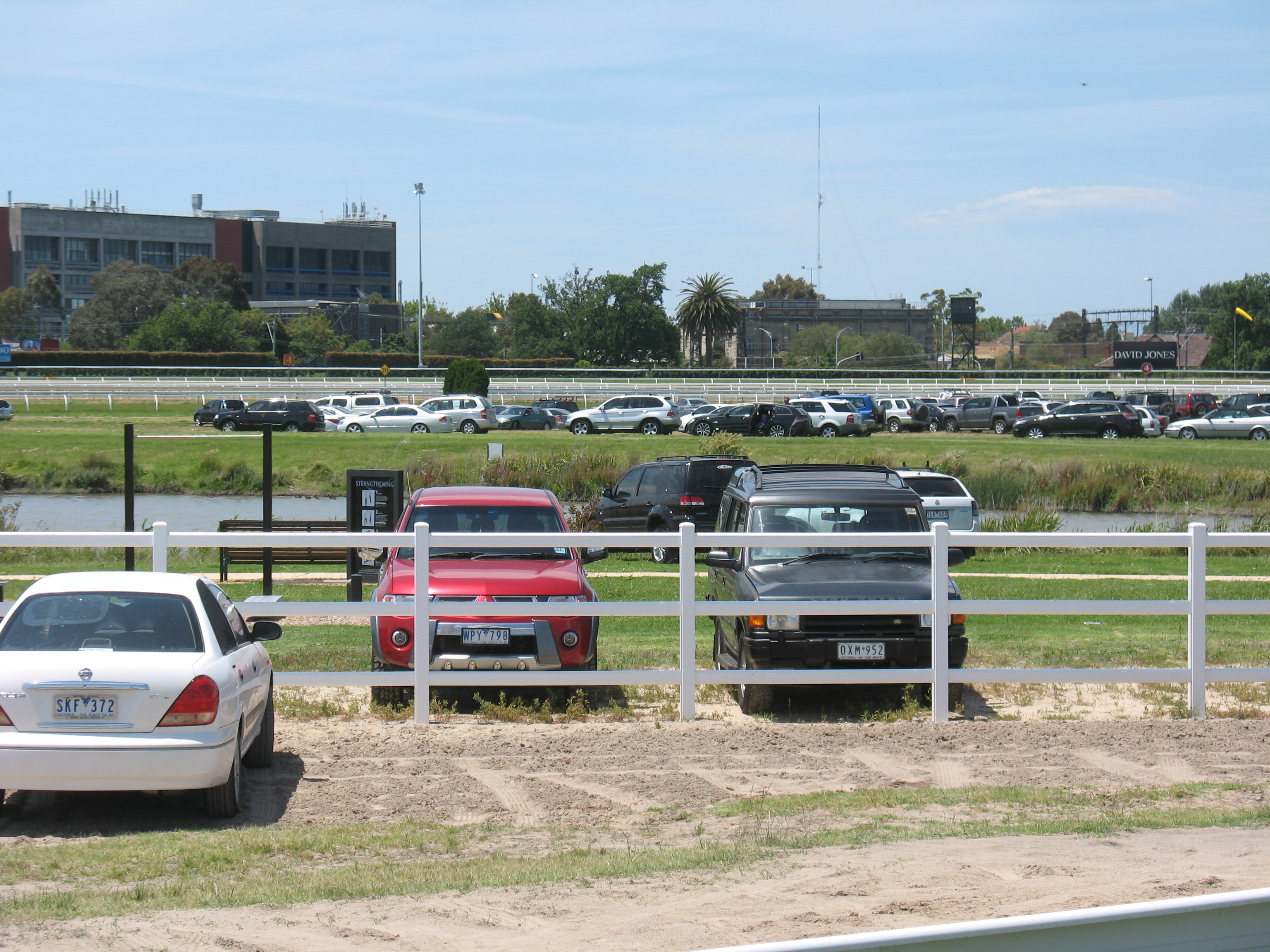
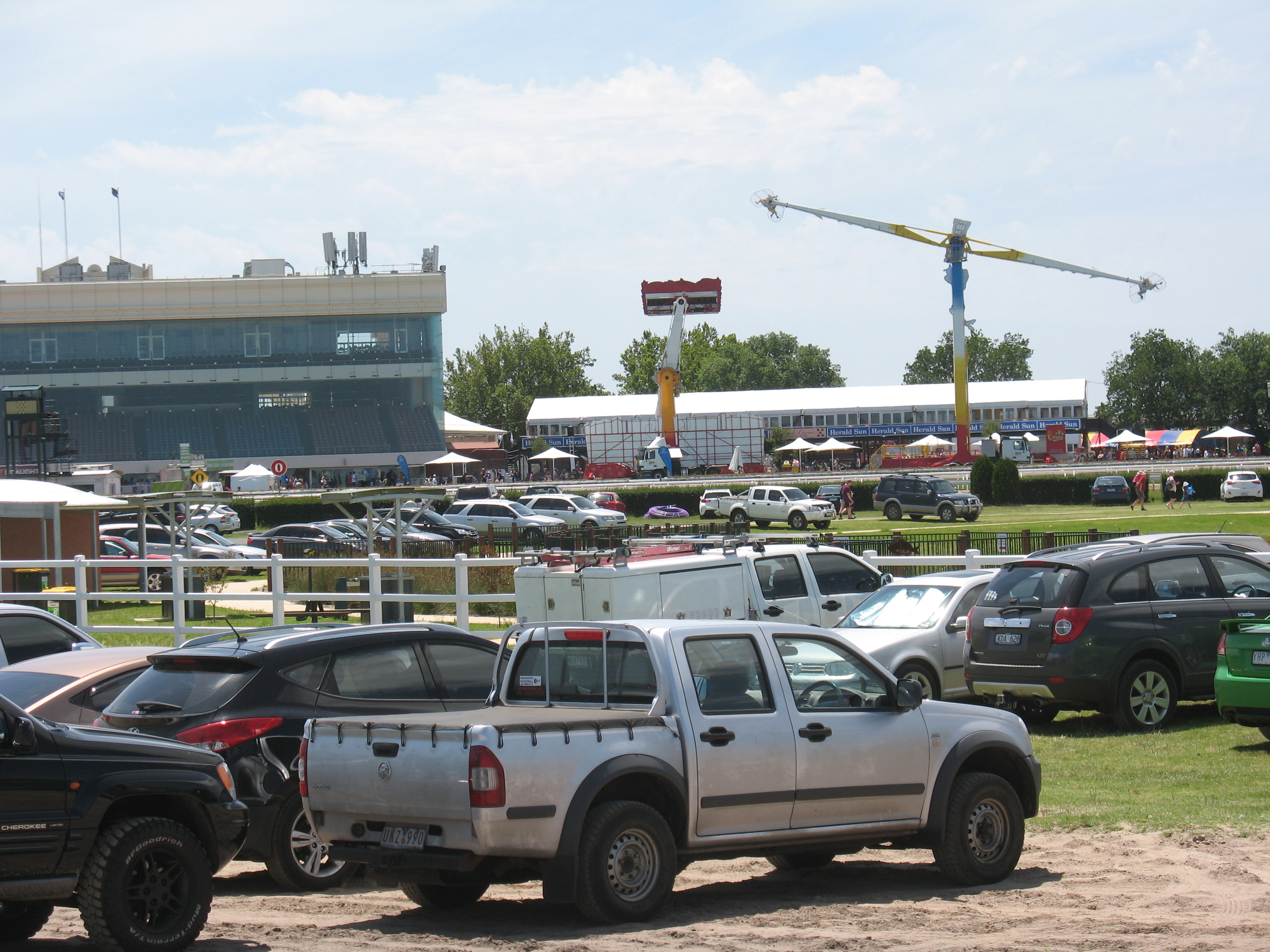
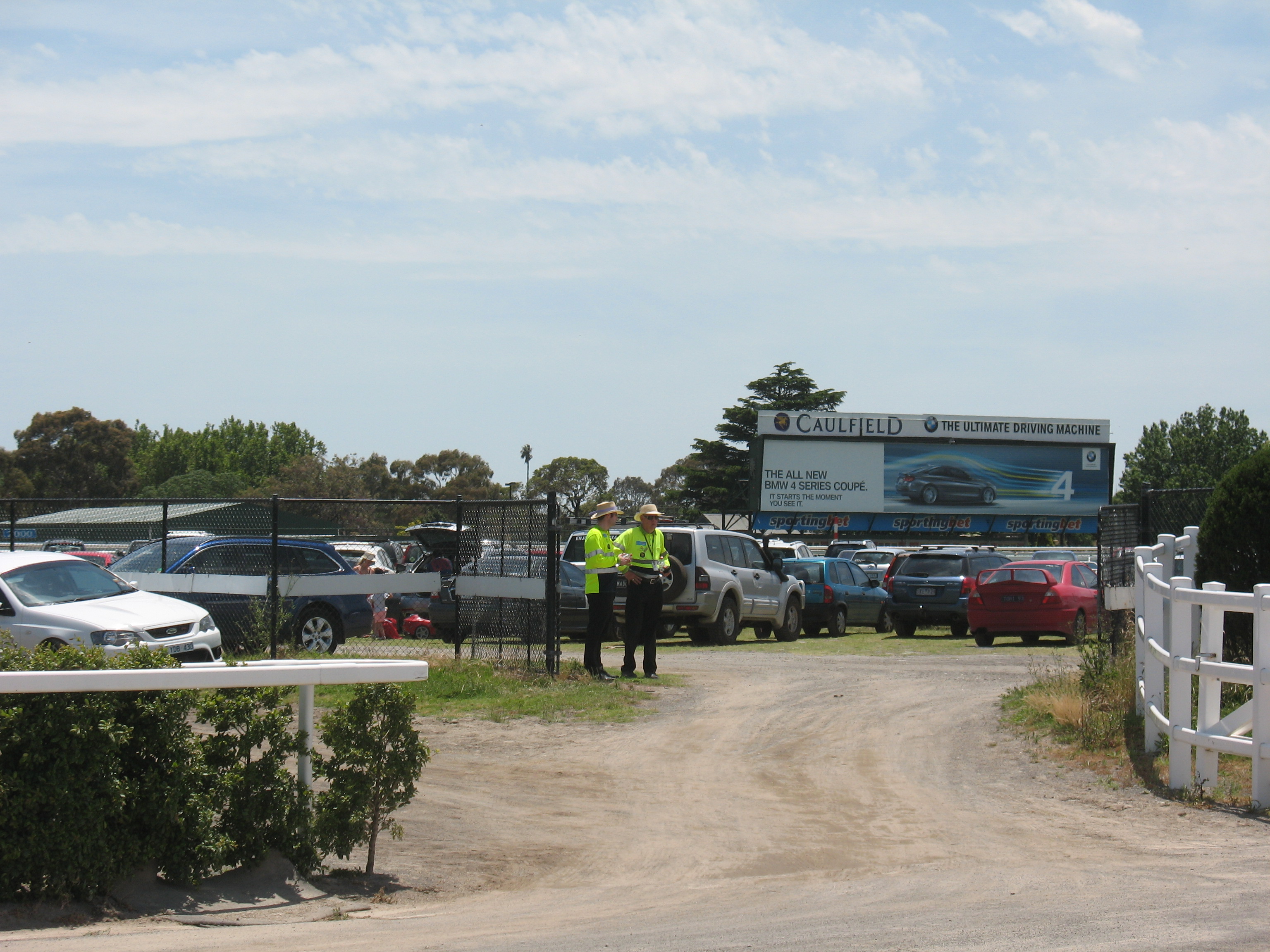
We’ve been sent the following photographs – all taken today (2nd December at 1pm). These photos show again:

  • the unwillingness or inability of Glen Eira City Council to do a damn thing about the MRC contravening the so called ‘agreement’.
  • The ‘agreement’ stated that car parking in the centre of the racecourse was only available on main racing days and 10 ‘special events’. Is this a ‘special event’? If it is, then we point out that there was no notification to residents; no adequate traffic management plan; and how can something that goes on for 2 weeks be considered as 1 single ‘special event’. Add on the flower show, the month long circus, and other bits and pieces and the length of time that is occupied stretches out to months and not 10 days!
  • What have our wonderful trustees and Newton done about any of this?

025

026

027029

030

031

We cite a public question that was asked at last Tuesday night’s council meeting as another example of too little done by council and too late!

Subject: Centre of Caulfield Racecourse Reserve

“Council’s stated position is for the development of various sporting grounds (ie baseball, soccer, basketball) in the centre of the Caulfield Racecourse Reserve. If these developments are to go ahead, then:

1. Will ratepayers be paying for these developments?

2. What is the estimated cost for these developments?

3. Has council, or any officer, had any discussions with either the MRC and/or the Trustees on these potential developments?”

The Mayor read Council’s response. He said:

“The Crown Land is reserved for “a racecourse, public recreation ground and public park”. Responsibility for using the land for these purposes rests with the Caulfield Racecourse Reserve Trust. Council has repeatedly stated that while the first use, a racecourse, is well satisfied, the other two are not.

In Council’s view, the Trust should be providing for the use of the land for public recreation and public park. The Trust could fund this by charging market rent for the land which is used as, or in support of, the racecourse. In that case, there would be no capital cost to ratepayers.

On 9 April 2013 Council adopted an indicative layout of the Crown Land, showing scope for sports grounds. Council sent that to numerous parties including the Trustees and the Minister.

Council officers have discussed matters with Councillors who also sit on the Trust as Trustees in their capacity as Councillors.”

COMMENT

What this answer makes 100% crystal clear is:

  • There is no ‘business plan’ and no costings for the development of all these sports grounds. All that this ‘vision’ represents are pretty little pictures drawn on a map.
  • Council has no intention of paying for any developments on this site – that’s assuming they even have the money.
  • Given the repeated ‘crying poor’ by the racing industry (especially the MRC) and the fall in crowd revenue, the prospect of the MRC/Trustees spending another cent on the centre of the racecourse is buckley’s and none. If the MRC has indeed spent $1.8m as claimed on cracked concrete paths, a woeful ‘playground’ and a toilet block, then how much would they have to spend to create synthetic soccer grounds, baseball diamonds, basketball courts, etc.
  • Given that the current ‘conditions’ clearly state ‘NO BALL GAMES’, then what is the likely response to baseball games for example, by the MRC?
  • What does all this say about council’s ‘position statement’ and its ‘advocacy’ program for more sporting grounds? Is it all on a wing and a prayer that either some rich sporting club, or government will cough up the necessary money? Are they hoping it is the State or Federal Government, the Trustees, or perhaps Maccabi?
  • Or is the publicity for more sporting venues just that – grandstanding with no real prospect of anything ever coming to fruition?
  • We also have to raise an eyebrow at the final sentence regarding ‘discussions’ between Lipshutz, Hyams, and Esakoff in their role as councillor representatives on the Trustees, and the pledge of ‘confidentiality’ (aka ‘secrecy’)! Were these ‘discussions’ with officers reported back to the entire councillor group? Were any of these ‘discussions’ actually raised at any trustee meeting? Was anything ‘resolved’? Or are these councillors simply taking ‘direction’ from officers rather than the entire council group? And there’s the big question – has the Minister even bothered to answer council? If so, then why isn’t this made public?
  • The most pertinent issue is how much of this so called vision is diversionary and as usual a couple of years too late? How genuine is the advocacy, when the ‘negotiations’ with the MRC were such a disaster in the first place and council can’t even hold them to the terms of the so-called ‘agreement’? And how much of it is for public consumption to convince everybody that there really is a need for more money to be spent on sport instead of drains, proper planning, consultation, and a million other services that this council is legally bound to supply and support?

We urge all residents to read the following very, very carefully since we believe it encapsulates everything that is wrong with Glen Eira City Council.

REQUEST FOR REPORT

Crs Delahunty/Magee
That a report be prepared to determine the best methods to engage with the community surrounding the Caulfield Racecourse in light of impending developments which will impact their amenity. That the report recommend ways to involve the community in helping to shape the future of their area be that through structure planning or another
method used by other councils.

DELAHUNTY: said that this is largely a response to residents and “road works currently going on in the area” and this has ‘raised some residents’ concerns about what our future plans are’ for traffic, and the protection of amenity in the area and infrastructure ‘projects that might be going ahead’ especially because of the ‘population inflow into that area’. Said that she thought council could be ‘innovative’ in how they tried to ‘engage the community in planning’ and that council could ask people what they ‘thought they need’. ‘Some have called this a structure plan’ whilst others just a ‘consultative process’. Said that ‘we do need a platform of advocacy’ and that council needs to ‘understand what residents in that area want’ and it’s important to ‘engage them in conversation because they are facing some changes’. On the 19th July Matthew Guy talked about Stonnington needing to have structure plans (ie in relation to the supreme court decision on Orrong Rd development) and that they lost at ‘vcat because they didn’t have any control’. Admitted that ‘we’re not facing the same challenges’. Whatever Glen Eira decides to call it (‘structure plans’ or ‘advocacy plan’)  she’s ‘asking for officers’ guidance on that’. Hoped that councillors could see that this is about ‘residents who are facing an uncertain future’ in an area where open space hasn’t improved and ‘in an area’ where ‘traffic flow’ and maybe ‘calming measures’ and ‘actually planning for the future’ is needed. She’s therefore seeking ‘guidance’ on the ‘methods’, measures and community views.

MAGEE: did not say anything – “I have nothing further to add’.

LIPSHUTZ: asked Akehurst about the current status of the area

AKEHURST: started off by saying that the ‘history of this area goes back many years’ and there’s the C60 which provides the ‘broad scope’ for ‘what development takes place’. Said that ‘in some ways’ a structure plan does provide a ‘picture of what the future might be’ but that the ‘future’ of the area is ‘very well known’ because ‘the detailed footprint of buildings is known’ as well as ‘the area for office’. ‘The number of dwellings is known’. Then stated that ‘what is not known is matters of detail’ and that will be known once the Development Plan is submitted for approval and before approval is given ‘that development plan goes out to the community for comment and consultation’ and that should happen ‘early in the new year’. People can comment ‘but I have to say it’s limited comment’ because ‘there is a degree of certainty’ that ‘has been locked in’ with the acceptance of the C60. Said that residents’ comments can only go to council and not VCAT because ‘that’s not available’. Claimed that ‘the reason for that is that the opportunity’ to talk about ‘the scale of development has come and gone’.

OKOTEL: asked about the need for ‘this report’

AKEHURST: said it was hard for him to ‘comment on that’ but there might be positives in ‘getting the community to understand what they can comment on’ and what they ‘can’t make a comment on’ and that ‘when the development plan goes out it was always intended that that would happen’. Said that they ‘already have presentations ready to go’ and that these presentations could answer ‘those sorts of questions’ that would crop up for residents. So he thought that there probably ‘is some value in informing the community of what their rights are’.

DELAHUNTY: reiterated that there is ‘value’ for residents and for councillors ‘getting advice’ and for council to be ‘engaging in a conversation’ with residents. Admitted that she doesn’t ‘live in that area’ but if she did she might be ‘feeling a litle bit frightened’ or ‘a little bit wary of what’s coming ahead’. So she would like her ‘representatives’ to ask for her ‘opinion on what’s coming ahead’ and for council to establish a ‘platform of advocacy’ for people’s needs. Council won’t know ‘what people want until we ask them’. Said that ‘we’ don’t ‘have experience on what traffic will be like’ and therefore they need to ask people in order to ‘get ahead’ fo the upcoming issues.

MOTION PUT: Motion carried. ESAKOFF VOTED AGAINST. Delahunty called for a division.

COMMENT

There may be some ‘excuses’ for both Delahunty and Magee. The former was not on council when the C60 was rammed through by the gang. Magee was not a member of the gang’s Special Committee. Having said that, the appalling hypocrisy (if not straight out treachery) of this council is writ large in the discussion on this request for a report. When council did basically nothing in terms of investigating traffic, infrastructure, etc. at the time of the C60, and the environmental impacts this would have on the entire region, it is now a bit rich for these kinds of ‘studies’ to be undertaken. And when residents weren’t listened to in 2011, why should they have any confidence that their views will be listened to now? And what can residents suggest anyway? The die is cast and it’s once again a tale of too little too late – as always intended we maintain.

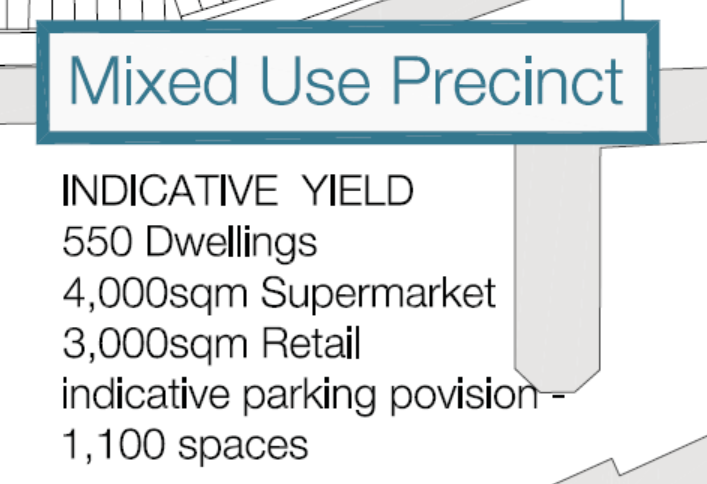
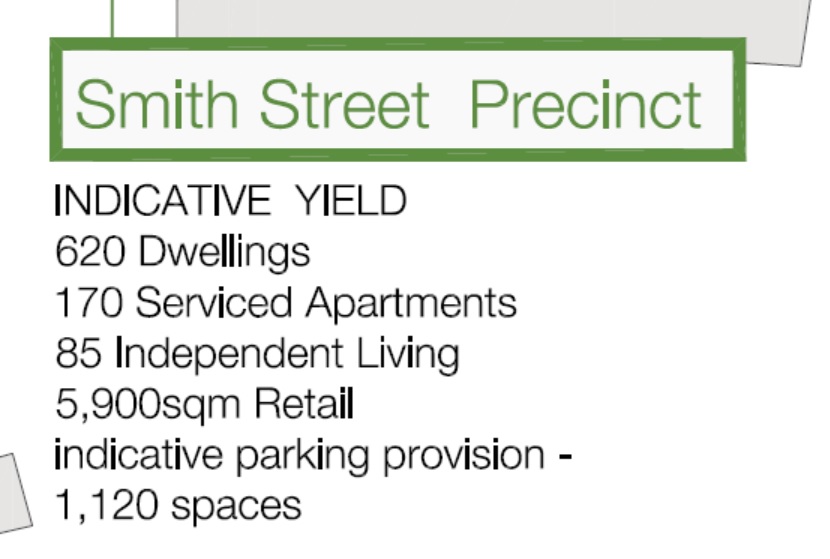
We must also admit our disgust upon hearing Akehurst admit that council has ‘presentations ready to go’ on the MRC stitched up Development Plan. What an absolute betrayal of all residents. No presentation, much less information, and god forbid, ‘consultation’ over the Residential Zones, but now, at the behest of the MRC no doubt, Council has worked its little butt off and done their hatchet work. Akehurst’s statements should also be seen for what they are – utterly misleading and probably intentional. He knows very well that if the development plan comes within cooee of the Incorporated Plan then this lot of compliant, sycophantic councillors will pass anything. The contractors have already admitted that the C60 will not be 1200 units, but over 1500. They have already announced that commercial and retail space is close to double that originally stated. As for height – well, dear readers, your guesses are as good as ours.

The entire C60 process was a sham and an atrocity right from the start. It sounds as if this will continue!

Source: http://www.parliament.vic.gov.au/images/stories/daily-hansard/Council_2013/Council_Aug-Dec_2013_Daily_30_October_2013.pdf

Yesterday’s debate in parliament on the Caulfield Racecourse is very long. Hence, we have edited some sections. The full debate is available at the link shown above. Readers should take note of the appalling positions taken by both the Liberal and Labor parties.

CAULFIELD RACECOURSE RESERVE

Ms PENNICUIK (Southern Metropolitan)—I move:

That this house notes that—

(1) the recommendations of the 2008 report of the Select Committee on Public Land Development regarding Caulfield Racecourse Reserve have not been fully implemented;

(2) Glen Eira City Council has been advocating for better public access and various improvements at Caulfield Racecourse Reserve for many years and on 19March 2013 adopted, by resolution, a position statement on Crown land at Caulfield Racecourse Reserve which stated that the Crown land is reserved by law for three purposes—

(a) a racecourse;

(b) a public recreation ground; and

(c) a public park;

(3) the first purpose, a racecourse, is well catered for, but the other purposes are not;

(4) the Crown land should be managed to achieve all three purposes equally, and that to achieve this, Glen Eira Council listed ten actions that need to occur, including the—

(a) allocation of land for public recreation;

(b) removal of horse training and car parking from the Crown land;

(c) removal of visual barriers (fencing) to the Crown land;

(d) provision of suitable access points; and

(e) reinvestment of income from commercial purposes to be used for public purposes;

(5) the most significant barrier to achievement of these actions over many years has been the inappropriate and out-dated governance structure that has been allowed to continue by successive state governments; and

(6) calls on this state government to—

(a) amend the membership of the trustees of Caulfield Racecourse Reserve to reduce the number of racing industry representation, include more community representation and retain representatives of Glen Eira City Council;

(b) ensure that the trustees of the Caulfield Racecourse Reserve comply with DSE guidelines for committees of management of Crown land and that the meetings, decisions and actions of the trustees are open and transparent;

(c) ensure that the governance arrangements over the Crown land achieve the equal purposes of a race course, public recreation and public park; and

(d) ensure that all financial arrangements and transactions associated with the Caulfield Racecourse Reserve subject to audit by the Victorian Auditor-General’s Office….

Again, I will begin with the first part of the motion:

That this house notes that—

(1) the recommendations of the 2008 report of the Select Committee on Public Land Development regarding Caulfield Racecourse Reserve have not been fully implemented… The recommendations regarding that particular site are worth again reading into Hansard, some five years later. There has been a lot of work done in the community with the local council and various MPs to try to get some of these recommendations implemented. Recommendation 5.8 states:

That the government investigate:

the history, membership structure, responsibilities and current arrangement of the Caulfield Racecourse Reserve board of trustees, particularly in relation to its duty to uphold not just horse racing, but all the purposes of the reserve in the original grant;

the purpose to which money raised by horse racing has been used; and

ways in which the government can ensure that the board of trustees operates in an open and transparent manner and in accordance with the terms of the grant.

So recommendation 5.8 goes straight to the governance issues at the Caulfield Racecourse Reserve, which is really the crux of the motion I have moved today. I will get to that in paragraph (6) of the motion. One would have to say that that recommendation has not been implemented.

Recommendation 5.9 states:

That the master plan for the Caulfield Racecourse reserve redevelopment be the subject of wide public consultation incorporating the municipalities of Glen Eira, Stonnington and Port Phillip.

Mostly that has been implemented. The redevelopment of a parcel of land known as the Triangle, near Caulfield railway station, has been the subject of some public consultation, but there has been a lot of public discussion and discussion between the racecourse board and the local council, which is the Glen Eira City Council.

Recommendation 5.10 states:

That the Minister for Planning strongly consider appointing community members and/or people with park and recreation expertise as nominees of the state government to the Caulfield Racecourse Reserve board of trustees to provide a balanced representation of interests and expertise. That has not been fully implemented. …..

Recommendation 5.11 states:

That the day-to-day management of the Caulfield Racecourse Reserve, by delegation from the trustees to the Melbourne Racing Club, be reconsidered. That has not happened either.

Finding 5.14 states:

The Caulfield Racecourse Reserve profits to the Melbourne Racing Club have been disproportionately directed to racing users, with inadequate provision for use of public park and recreation users as required by the original grant. Despite a minor investment of funds by the Melbourne Racing Club into some public facilities in the racecourse reserve, that finding continues to be the case.

Recommendation 5.12 states:

That the Melbourne Racing Club’s recent report relating to the Caulfield Racecourse Reserve fencing boundaries be publicly released. I do not know if that was ever publicly released. A letter was sent to me by the CEO of the Melbourne Racing Club some years ago mentioning the pros and cons of fencing, but the situation remains that if you circumnavigate the Caulfield Racecourse Reserve, most of it is shielded by a large tin fence, so that the public cannot see into the reserve. Access is still only through a couple of points around the reserve, and in my opinion the Melbourne Racing Club still tries to make that as difficult as possible for the general public.

Recommendation 5.13 states:

That the Caulfield Racecourse Reserve trustees direct a substantial amount from the profits made by the Melbourne Racing Club over many decades to the provision of public park and recreational facilities, including promotion of the public use of these facilities as recompense to the community.

Again only a relatively small amount of money is made available for public use, compared to that gazillions of dollars that the Victorian Amateur Turf Club, as it was known previously, and now the Melbourne Racing Club have made out of racing and associated activities, including a Tabaret, sports betting and various other activities, over many years. It really is scandalous.

Recommendation 5.14 states:

That the government support the joint communiqué between the Melbourne Racing Club and the Glen Eira City Council to the Caulfield Racecourse Reserve trustees, bearing in mind that further public consultation is needed with respect to the future use of public open space within the centre of the Caulfield Racecourse Reserve.

As I said, to some extent some of that has happened. Some works have been done in the centre of the reserve for public recreation facilities, but we still have a long way to go. Considering this work has taken five years, it is very minor. This is disappointing because following the tabling of this report some goodwill appeared to exist about bringing this reserve up to the standard of others around the world and making it a multipurpose, multi-use facility. It is a very large area of Crown land in the city of Glen Eira. Glen Eira City Council is starved of public open space, but this fight for genuine public access to the site from dawn till dusk has still not been won. That should be what happens.

The second part of my motion reads that:

Glen Eira City Council has been advocating for better public access and various improvements at Caulfield Racecourse Reserve for many years and on 19March 2013 adopted, by resolution, a position statement on Crown land at Caulfield Racecourse Reserve which stated that the Crown land is reserved by law for three purposes—

(a) a racecourse;

(b) a public recreation ground; and

(c) a public park.

The third part of my motion states: the first purpose, a racecourse, is well catered for, but the other purposes are not.

As I have said, this has been going on for many years—decades in fact. Various councils have tried, with various ways and means, to provide better public access to Caulfield Racecourse Reserve and to ensure that the Crown land is used for the purposes clearly stated in the trust deed. These are: racecourse, public recreation ground and public park. Anybody who goes to Caulfield Racecourse Reserve will notice that the racecourse is its identity. Its signage is all about racing. The signage referring to public access is very small and cannot be seen from a distance.

In fact Mr Ondarchie would not be able to read it, even from the distance between the Chair and me or that between Mr Ondarchie and me. He would not be able to read the signage telling him that, as a member of the public, he had access to the reserve. But the signs about the racecourse and racing events are huge and dominate the landscape. That is still the culture which exists at that piece of Crown land.

Part 4 of my motion summarises what the council said in its motion, which was put and carried unanimously on 19March.  (summary of council’s motion regarding training, parking on racecourse edited out here).

The sixth action concerns the revenues for public purposes, and this is very important:

The Crown land is public land and should be used for public benefit. The land is currently used for many commercial purposes including a Tabaret with a very large monetary turnover, training of horses early in the mornings and commercial exhibitions such as caravan and camper shows. Virtually all income from the use of this public land accrues to a non-public body. This should be changed so that a racecourse, public recreation ground and public park are provided and any commercial activities are charged a commercial rent, payable to the governing body and available for the governing body to reinvest in a racecourse, public recreation ground and public park. This does not happen. Only a small amount of money has been set aside by the Melbourne Racing Club, delegated by the trustees, to run the racecourse reserve on a day-to-day basis for any sort of public park or recreation facilities, and the rest of it goes to the Melbourne Racing Club. It is scandalous that a private body has been able to do this for so long.

The seventh action that the council wants to see is provision of access: Suitable access from multiple points must be provided for the public to enjoy the land. Access for all abilities must be provided.

As I mentioned before, the Melbourne Racing Club, while it has paid some lip service to this matter, still makes the Crown land appear as if it is only a racecourse and that the public is not welcome there. Access points are very few and the signage for access is very small. You would have to be very determined, live locally and be one of the few people in the know to make use of this public land on a day-to-day basis.

The eighth action is compliance with government standards:

The governing body must accept and comply with the DSE guidelines for committees of management of Crown land or be compelled to comply. All governance should be open and transparent.

With regard to that point, during the adjournment debate on 15 August last year I referred a matter to the Minister for Environment and Climate Change asking that he ensure that the trustees for the Caulfield Racecourse Reserve adhere to the then Department of Sustainability and Environment guidelines for committees of management of Crown land or be compelled to do so, and also be required to administer the Crown land for the three purposes set aside in the Crown grant. I am awaiting a response to that matter. I have had no response from the minister, and that occurred some 14 months ago. My staff have called the minister’s office to see whether he was intending to respond, but so far there has been no response.

The ninth action that the council adopted by its resolution of 19March was headed ‘Compliance with auditing standards’: The governing body is responsible for approximately $2 billion of public land and the Auditor-General for Victoria should be its auditor. Who could disagree with that? Nobody knows, and what has gone on is not public knowledge. How much money is made by the Melbourne Racing Club and what happens to it? Over many decades only a small amount—and I will get to that in a moment—has been put back into public recreation and a public park.

The Caulfield Racecourse Reserve has been mentioned in Parliament since the tabling of the 2008 report. The former member for Caulfield in the other place, Mrs Shardey, on 6 October 2010, which is three years ago, raised the issue about the lack of consultation on the land swap at Caulfield racecourse. Of course that has been an issue of much contention, and I will refer to it shortly. On 3 May 2011 the current member for Caulfield in the other place raised the issue of the agreement between the Melbourne Racing Club and the Glen Eira City Council for a $1.8 million upgrade of the reserve, and he also mentioned the Booran Road reserve, and what will be happening there still remains a puzzle. There has been some movement on that particular issue, but I draw the chamber’s attention to the amount of money involved—$1.8 million has gone into an upgrade of the centre of Caulfield Racecourse Reserve for a public park and recreation facilities. Out of all the hundreds of millions of dollars that has been made out of that public racecourse and reserve over decades, Melbourne Racing Club has generously put $1.8 million into the public facilities in the centre of the Caulfield Racecourse Reserve.

It is something, but one could not possibly say that is recompense for the amount of money that is being made by the Melbourne Racing Club, before that the Victorian Amateur Turf Club, over decades of occupying that land, running it solely as a racecourse, keeping the public out as much as it can and now it has thrown a few peanuts at the public by way of the $1.8 million.

I mentioned part of the council’s resolution, the ninth action, which was compliance with auditing standards, and I note that Cr Delahunty from Glen Eira City Council has written to the Auditor-General asking that he take over auditing the accounts of the Caulfield Racecourse Reserve. It seems to me that would be a sensible idea because it is Crown land, and the Victorian Auditor-General’s Office should concern itself with money and commercial activities on Crown land.

That brings me to the fifth part of my motion, which states that:

(5) the most significant barrier to achievement of these actions over many years has been the inappropriate and outdated governance structure that has been allowed to continue by successive state governments; and

(6) calls on this state government to—

(a) amend the membership of the trustees of Caulfield Racecourse Reserve to reduce the number of racing industry representation, include more community representation and retain representatives of Glen Eira City Council;

(b) ensure that the trustees of the Caulfield Racecourse Reserve comply with—

DEPI, now the Department of Environment and Primary Industries, although it is very difficult to find on that website—

guidelines for committees of management of Crown land and that the meetings, decisions and actions of the trustees are open and transparent;

(c) ensure that the governance arrangements over the Crown land achieve the equal purposes of a racecourse, public recreation and public park; and

(d) ensure that all financial arrangements and transactions associated with the Caulfield Racecourse Reserve are subject to audit by the Victorian Auditor-General’s Office.

I mentioned before that I would return to the issue of the land swap. …..As far as I have been able to work out—and I have asked the question of the Minister for Environment and Climate Change about that particular issue and I got the answer not very long ago—no payment was received by the government for the 54 square metres of land added to the Caulfield Racecourse Reserve, which is the small amount of land at the Booran Road corner. I am sure the minister knew that was not what I was talking about, so I will have to take that issue up with him again. But as far as I know, full recompense has not been paid to the taxpayers of Victoria for the Crown land that has now been acquired by the Caulfield Racecourse Reserve for development and exchanged for a smaller parcel that is now, as I understand it, under the committee of management of the Glen Eira City Council.

There is a very long history of the public being locked out of this reserve, which is meant to be for the public. Following the tabling of the report there seemed to be a period where there was goodwill and a sense that things might happen, but I think the council became very frustrated. One of the other councillors, CrMagee, was selected as chair of the trustees. He tried to bring in some changes, introduce proper governance and get the trustees to agree to abide by the Department of Sustainability and Environment guidelines; they did not. He tried various other things. I think the council just got frustrated, and that is why it adopted this resolution—to get something done.

The crux of my motion is that the governance structures are problematic and inappropriate. There is certainly a problem with conflict of interest. Decisions are being made as to what happens on that parcel of Crown land, which is supposed to be administered as racecourse, public park and public recreation in three equal parts, but the managing body is stacked with racing industry representatives and all the decisions go towards racing interests. One has to say that we have a huge conflict-of-interest issue, and it really should not be allowed to continue.

MrsMILLAR (Northern Victoria)—I am pleased to speak on behalf of the government in relation to this motion. I could in fact not be more pleased to stand to speak against this motion which in light of recent completed capital investment upgrades is lacking in substance.

The Melbourne Racing Club has a rich history at Caulfield Racecourse Reserve and operates with its local community firmly in mind. That history started with the Victoria Amateur Turf Club’s first meeting at Caulfield on 5 August 1876. In the motion Ms Pennicuik refers to the Glen Eira City Council advocating for improvements at Caulfield Racecourse for many years. I put it to the house that for 137 years the Melbourne Racing Club has been successfully holding race meetings; providing employment to large numbers of people in the local community—it currently has over 2000 employees, rising to 2500 during the Spring Racing Carnival; providing entertainment, enjoyment and a range of social benefits to the local community; providing economic benefit to local businesses and the wider Victorian economy; and, in addition to all of these significant and definable benefits, continuing to create racing history year after year. All of this speaks for itself.

There will always be those who seek for their own purposes to denigrate what others have created of their own free will. I am not going to speculate on the possible motivations for this motion, but nor will I remain silent as those across the chamber launch an unwarranted attack on this esteemed racing club, its proud history and the benefits and services which it continues to deliver to the local community and this state. Instead of giving recognition and appreciation for benefits and facilities extensively enjoyed by the local community, particularly the significant improvements over this period, this is an attempt to chip away at the edges and to undermine the legitimacy and achievements of the club.

This club continues to be open to engagement with the trustees and the local council on any and all matters in relation to the reserve, and this commitment has been made many times. As I have detailed in noting the recently opened capital improvements at the racecourse reserve, this motion is totally without substance. For these reasons the government will not be supporting this motion.

Ms PULFORD (Western Victoria)—In the few minutes that remain in this debate I would like to put the Labor Party’s position on Ms Pennicuik’s motion and speak on specific points contained within it. The Labor Party will be opposing this motion. The decision by the Glen Eira City Council was, we believe, a breach of an agreement less than two years old—an agreement between the club and the council that would have provided for the club to spend some $2 million to increase public use of the facility and provide new facilities, like toilets, barbecues, a children’s play area and the like.

On the point of the removal of horse training and car parking from the Crown land, this is not something the Labor Party supports, and Labor members are on the record in relation to this matter. There are significant consequences to those actions, and we do not support this blunt instrument.

In relation to paragraph 6 calling on the state government to amend the membership of the trustees of Caulfield Racecourse Reserve to reduce the number of racing industry representatives, I say that what we know is that right now the club has a trust that is operating independently. There is in fact a reasonably well-publicised disagreement between the club and the trust over various matters at the moment, and it is indeed the role of council, I would suggest, to represent the community’s views.

I will also just make a comment about paragraph 6(c) of Ms Pennicuik’s motion, and I am conscious of the short amount of time I have available to contribute to this debate. The motion proposes equal purposes for the Crown land—a racecourse, public recreation and a public park. I know we are in the middle of the Spring Racing Carnival, and I know that a lot of members enjoy going to the track year round and that a great many more Victorians go at this time of the year. I am not sure how you take one-third of a racetrack and still have it as a functioning racetrack. This is an impractical suggestion, and it is not made in a way that could possibly be cognisant of the practical realities ….Finally, it is disappointing the government led by the Deputy Premier and Attorney-General has continued to hold to their absurd definition of public land based on an obscure administrative order from 1988. The committee believes that this approach is obstruction pure and simple and is an attempt by the executive to frustrate the will of the Parliament. It is wrong that the government should seek to define or limit the ability of the Legislative Council to scrutinise its activities.

Finally, in 6(d), Ms Pennicuik’s motion seeks to ensure that all financial arrangements and transactions associated with the Caulfield Racecourse Reserve are subject to audit by the Victorian Auditor-General’s Office. I will make the point that this is a matter that comes under the Audit Act 1994, and if this is what the member seeks to do, perhaps she might like to introduce amendments to that act. The clock says my time is up. The Labor Party will be opposing this motion.

Business interrupted pursuant to standing orders.
First off, a mea culpa: we have removed a previous post (first time ever!) because we were in error regarding the Booran Road Reservoir as potential public open space. Unlike council, we do freely admit when we have erred!

This post concerns the Ministerial and developer initiated Amendment that there be permitted divergence from what the Caulfield Village Incorporated Plan originally stated. Council has to now provide an ‘opinion’ on the proposal.

Our first reaction is:

  • Here we go again! No ‘development plan’ has as yet been made public, but council are quite prepared to make decisions BEFORE any detail, or real plans are released.
  • The requested changes will be on crucial issues such as height and setbacks plus ‘intrusions’ into public open space. Instead of a straight out rejection on height, all council is recommending is ”the need for a town planning permit if a development plan exceeds a height in the Incorporated Plan”. We all know what happens to applications put in by the MRC/developer!
  • Council is again up to its old tricks of citing ResCode, when they know that ResCode does not apply – especially for buildings that will be 20 storeys plus!

Below are the relevant sections – ie the changes and officer responses.

1. An ability to allow Council to allow limited intrusions into the building height such as architectural features, plant and equipment such as a lift over run. The requested intrusions are limited to no more than 2m in general but no more than 1.5m within 3m of the edge of a building.

Officer comment

Council’s new residential zones recognised that it is reasonable to allow some intrusion of plant and equipment into building heights. This request is consistent with usual town planning practice and is therefore considered reasonable. Plant and equipment typically includes air conditioning units, vents, ducts and a lift over run.

2. An ability to allow minor building works such as verandahs, balconies, eaves, down pipes, street furniture and art works to intrude into stipulated setbacks.

Officer comment

When front setbacks are stipulated in town planning, measurements are taken from the street alignment to the wall of a building. It is common for minor building intrusions to be disregarded in setback distances prescribed. In fact, Rescode specifically states that verandahs, porches, pergolas and eaves are allowable encroachments.

The extent of any intrusion into a setback is not prescribed but needs to be assessed as ancillary or minor. For example, a porch at an entrance to a building provides a sense of entrance, identity and shelter and is acceptable provided it fulfills these functions and does not detract from the purpose of the setback which is usually for landscaping purposes.The area available for development is not increased by virtue of this request.

If Council is not happy with the extent of any intrusions, it would either condition a development plan to alter or remove the intrusions or refuse the development plan. There are appeal rights to VCAT between the developer and Council over any development plan dispute.

3. Clarification that Council can approve a Development Plan with building heights exceeding heights stipulated in the Incorporated Plan. However, as described above this would trigger the need for a normal town planning process with full appeal rights for all parties including objectors. This request does not alter the current situation but removes any ambiguity.

Officer comment

This change does not have any effect on the existing planning controls. Subject to emphasising the need for a town planning permit with full appeal rights there is no objection to this change.

Tuesday night’s agenda contains at least 4 crucial items for decision and discussion –

  • The Draft Open Space Strategy
  • The Tree Register
  • Caulfield Racecourse and the C60
  • Koornang Park removal of Cypress Trees

We will need some time to fully digest the implications of all these documents and recommendations. What is obvious from a superficial reading is:

  • Nothing much will change in terms of open space – everything is qualified by the term ‘where feasible’ – the typical Glen Eira Council jargon for ‘we will decide what, when and if something is ‘feasible’.
  • Developers have hit another home run with the mooted changes to the Incorporated Development Scheme for C60. Council officers do not see too much wrong with ‘little’ changes such as intrusions, height, etc.
  • It’s ironic that when on the one hand council consistently states its commitment to trees and landscape in Glen Eira it is again so willing to take out the  axes to an entire group of trees in Koornang Park. Taken together with the lame waffle that constitutes the tree register report (no author assigned of course!) developers are again given a free hand to remove as many trees as they like.

We urge all residents to carefully read these agenda items. We will provide our analysis of each in the next few days.

trustees

« Previous PageNext Page »