Councillor Performance


Some facts:

  • It is estimated by some that up to 12000 dwellings in Glen Eira are subject to flooding. Many of these properties are in the housing diversity areas
  • Large areas of Glen Eira also sit on a water table

The significance of the above is magnified when applications such as the following appear –

Address: 15-17 Belsize Avenue, Carnegie.

Proposal: Construction of a four storey building comprising fifty two (52) residential apartments above two levels of basement car parking

We are not structural engineers. Nor are we hydrologists. But given the prevalence of more and more basement excavation in built up areas within the city, we are starting to wonder what LONG TERM impact such excavations have on water tables, drainage, flooding, and neighbouring properties? Also worth asking is the following:

  • Does council have the necessary ‘expertise’ to adequately assess such an application or will they simply rely on the developer’s paid ‘experts’?
  • Will council consider the cumulative effect, or simply go by its site by site application philosophy?
  • Can council guarantee that neighbouring properties will not be impacted by this proposed deep excavation? What recourse do residents have if things go awry?

We’ve uploaded (HERE) a fascinating report from England which addresses some of the dangers of widespread excavations. Admittedly, conditions in England may be vastly different. However, the warnings they issue are universally applicable. Here are some quotes:

The Report identifies some of the considerations in relation to the effect on the surrounding buildings and areas where the risks may be higher. It also emphasises the need to consider attached properties as part of the same overall structure rather than treating a property in isolation.

Basement construction involves significant engineering structures, which create a permanent irreversible change in ground conditions. The complexity increases rapidly with the depth. This can have a long term impact on the future planning and development within the City of Westminster.

While an individual basement is unlikely to cause any significant change in groundwater levels, the long term cumulative effects need to be considered. In reality potential cumulative impacts will increase as more basements are constructed.

And for a closer to home example there’s this from Adelaide (7th May, 2014) –

DEVELOPERS of the controversial Baju Apartments at Henley Beach could be forced to pay hundreds of thousands of dollars to fix their handling of groundwater at the site.

According to a Charles Sturt Council report, developer Bayspring Pty Ltd has been removing groundwater from the Seaview Rd site without approval from the Environment Department and is in breach of the Natural Resources Management Act.

The basement of the four-storey apartment building, which opened in 2011, sits below the water table, making it susceptible to flooding. Since the apartments were built, groundwater around the basement has been collected and pumped out to sea.

However the Environment Department has told Bayspring the water must be returned to the aquifer and has been in talks with the company to find the best way to comply.

Residents are worried removing the groundwater would allow seawater to seep into the aquifer and change the make-up of the underlying soil, potentially causing cracking in their homes.

A council report has shown more than 134kL of water – the equivalent of one swimming lane of an Olympic-sized pool – is being pumped out to sea each day.

Western Adelaide Coastal Residents Association president Jim Douglas said removing that much groundwater could affect the water table. He said buildings close to the beach could be at risk of cracking or losing stability and the Baju Apartments would likely be the worst affected.

“The people there ought to be concerned about it,” Mr Douglas said. “Its bloody scary…and it is right under their floorboards.”

North St resident Lara Hollamby said the process to fix the issue was taking too long and closer monitoring was needed to reassure residents that damage had not already occurred.

She feared properties in and around Henley Square were at risk of becoming unstable if the removal of groundwater continued. “It’s not fair for residents and the people who live so close. “What recourse can they have if they do suffer damage? They deserve some peace of mind. “The removal of this groundwater has now been going on for years and there has been no meaningful monitoring during that time.”

Reinjecting the water into the aquifer or waterproofing the building are both being considered and could cost anywhere between $300,000 and $700,000.

A spokeswoman for the Environment Department said the practice of removing the water posed “no risk in the short-to-medium term to the integrity of the underlying aquifer”.

The department did not respond to questions about whether Bayspring would be fined for breaching the Natural Resources Management Act.

Colton State Labor MP Paul Caica said the Department had made it clear no damage had yet been done to the aquifer.

However the water needed to be returned to ensure there were no long-term problems.

“It has gone on far too long and it would be nice to have a speedy conclusion,” Mr Caica said.

Bayspring owner Richard Antunes did not respond to queries by press time.

Source: http://www.adelaidenow.com.au/messenger/west-beaches/developers-of-baju-apartments-could-be-forced-to-pay-hundreds-of-thousands-of-dollars-to-fix-groundwater-problem/story-fni9llx9-1226908678867

PS: WE’VE BEEN SENT THE FOLLOWING PHOTO BY A RESIDENT OF A DEVELOPMENT IN GLEN EIRA WHERE THE DEVELOPER IS CLEARLY PUMPING WATER ONTO THE FOOTPATH AND INTO THE DRAINAGE SYSTEM – TOGETHER WITH ALL THE DEBRIS FROM THE BUILDING SITE!

water


1

2

3

4

Set down for tomorrow – 21st August – under ‘Mediation’!

Room 2.6 – Member S. Cimino
1:30 PM P930/2014 BPG Caulfield Village P/L v Glen Eira CC
Caulfield Mixed Use Area – Land bound by Kambrook Road, Station Street and Normanby Road, Caulfield

PS: for a VCAT ‘Fact Sheet’ explaining mediation, see – https://www.vcat.vic.gov.au/system/files/mediation_factsheet.pdf

We note:

  • the secrecy involved
  • question whether any potential ‘outcome’ is sanctioned by councillors/Council or are ‘compromises’ to be the exclusive task of officers?
  • Why has there been no public announcement of this ‘mediation’?
  • What, if any, private deals have already been arranged? (forgive our cynicism!)

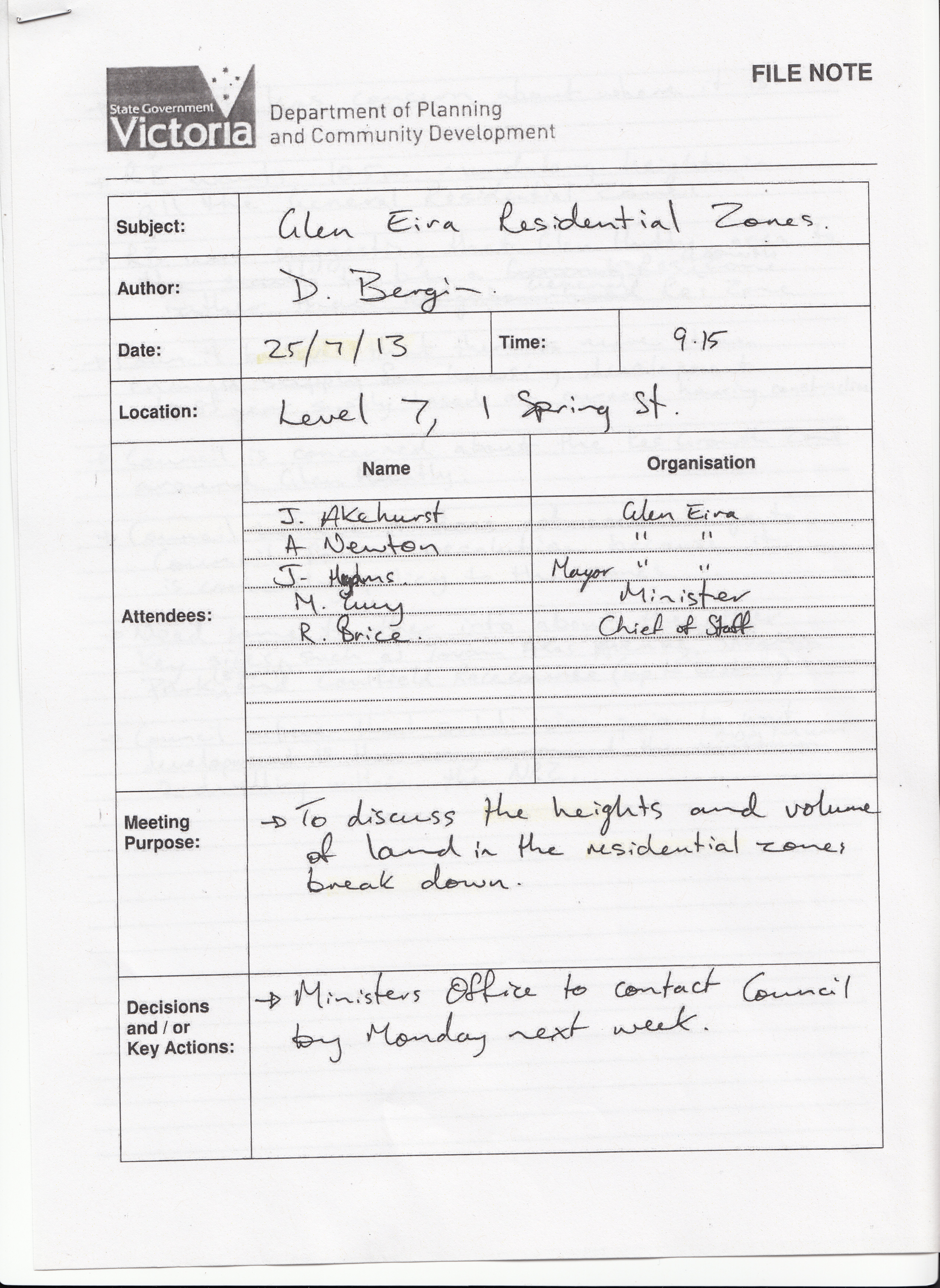
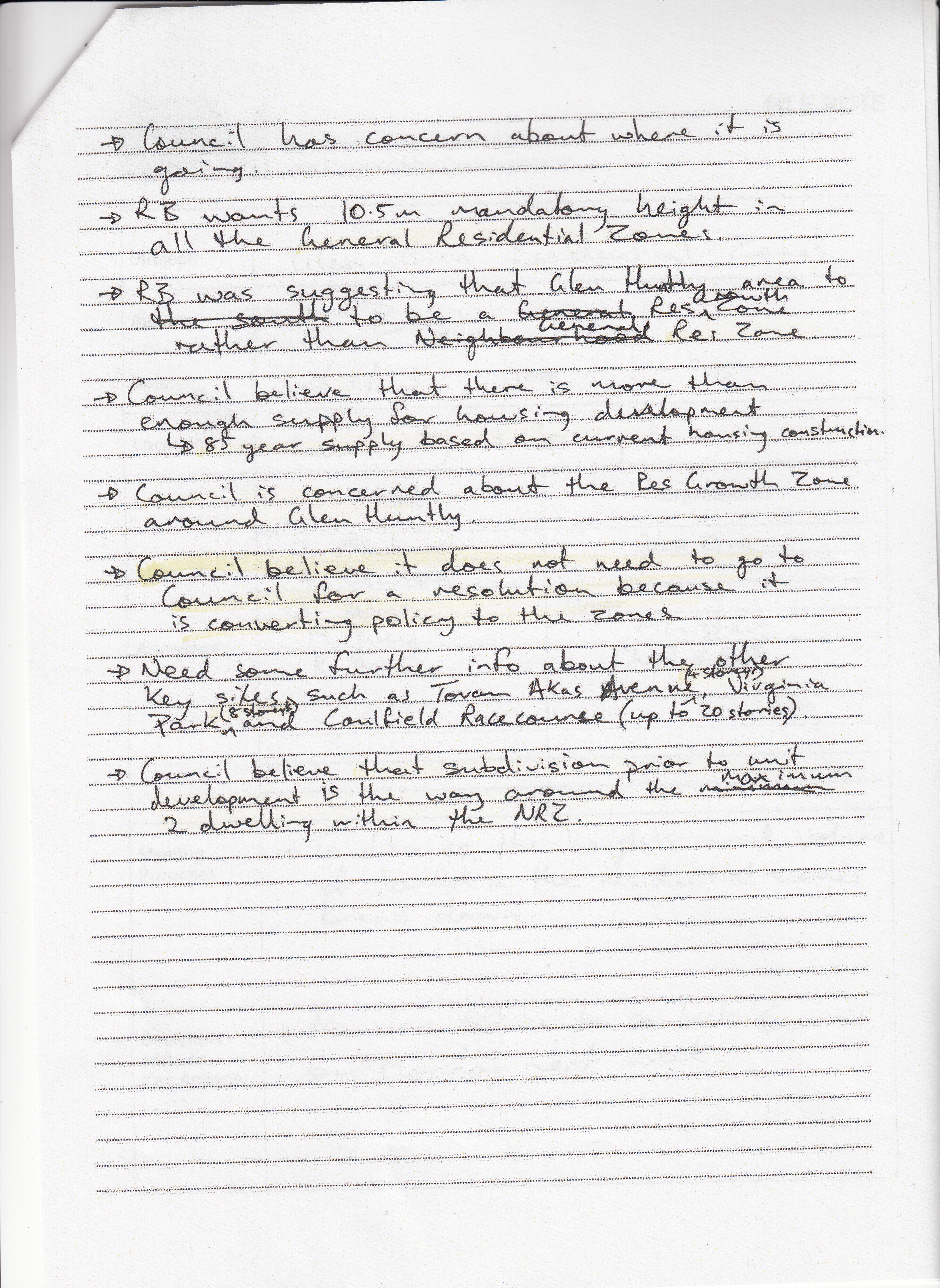
Below is part of the correspondence between Council and the department. The date of this correspondence is very important – well and truly AFTER the ‘reformed’ zones were introduced. Why wasn’t this glaring and detrimental change picked up earlier? Why hasn’t council done a damn thing about it in the past year? Why was there such indecent haste and secrecy to begin with? And why are we paying large sums of money to Akehurst and his planning department when clearly they can’t get things right? Either they are not doing their jobs adequately enough or are entirely indifferent to the repercussions of their decisions. Whichever, the result remains poor planning and the continued erosion of residential amenity.

IMG

Perhaps confusing at first sight, but nonetheless of major significance. Here’s why!

Do you, or any of your neighbours happen to live in a Minimal Change Area? (ie NRZ1)

Does your or your neighbour’s land happen to be larger than its surrounding properties? (say 700+ sqm)

Does your property happen to abut a General Residential Zone? (GRZ1, GRZ2 OR GRZ3)

If you’ve answered ‘yes’ to all of these questions then we regret to inform you that you are in what is colloquially termed, ‘deep shit’. Why? Because this planning department and its ignorant and compliant councillors have overlooked another basic flaw in the current planning scheme. The relevant clause that gives developers the right to erect more than two dwellings in minimal change on larger size blocks just happens to read:

Consider developments of more than two dwellings provided it is clearly:

  • demonstrated that the standards for site coverage, rear setback and private open space in the Schedule to the General Residential Zone have been met.

In other words, if the land happens to be larger than its neighbours, and if you are on the border of GRZ zones (but still in minimal change), then it is the GRZ ‘standards’ that apply AND NOT THOSE DESIGNATED FOR MINIMAL CHANGE!

There has already been one VCAT decision where the applicant argued along this line. Thankfully the member rejected the application because countless other standards such as setbacks, etc. were not met by the application. However, there was plenty that this member had to say about council and its planning scheme. We quote:

Mr Clarke (for applicant) urged me to apply the GRZ standards because the policy is clear as to its terms and it is sensible to do so when the intention of policy is to allow consideration of more intense development than two dwelling.

I find neither Mr Sissons’ (for council) submissions nor Mr Clarke’s opinions compelling as to what standards should apply for the purposes of applying the policy. The policy is poorly drafted and they have understandably struggled to find a coherent path of reasoning. (http://www.austlii.edu.au/au/cases/vic/VCAT/2014/969.html)

This entire episode does not only reveal the ineptitude of Council, but the continual mistruths that are allowed to go out in councillors’ names. Applying GRZ standards to minimal change areas IS NOT A ‘NEUTRAL TRANSLATION’ of what came before. Minimal change stipulates 25% permeability – GRZ 20%; site coverage in minimal change is 50% – in GRZ IT IS 60%; setbacks, and heights also differ markedly.

There are countless large blocks in minimal change that abut GRZ zones. A few examples can be quickly found along Orrong Crescent, Inkerman Road, Angdon road and Craddock Avenue, just for starters. If any of these properties were to come up for ‘redevelopment’ then the applicant has every right to argue that more than two dwellings are applicable and that the standards for GRZ zones should be applied. Not minimal change, we repeat, but the watered down ‘standards’ for the General Residential Zones.

It’s probably taken a year, but residents are finally get a true inkling of what bastardry has been perpetrated with the introduction of these disastrous ‘reformed zones’. Determined to be ‘first cab off the rank’ residents are now paying the price for planning that is not only inept, but constitutes a further erosion of all amenity and common sense. For this we must thank Newton, Akehurst and a band of councillors who simply do not have a clue, or don’t care!

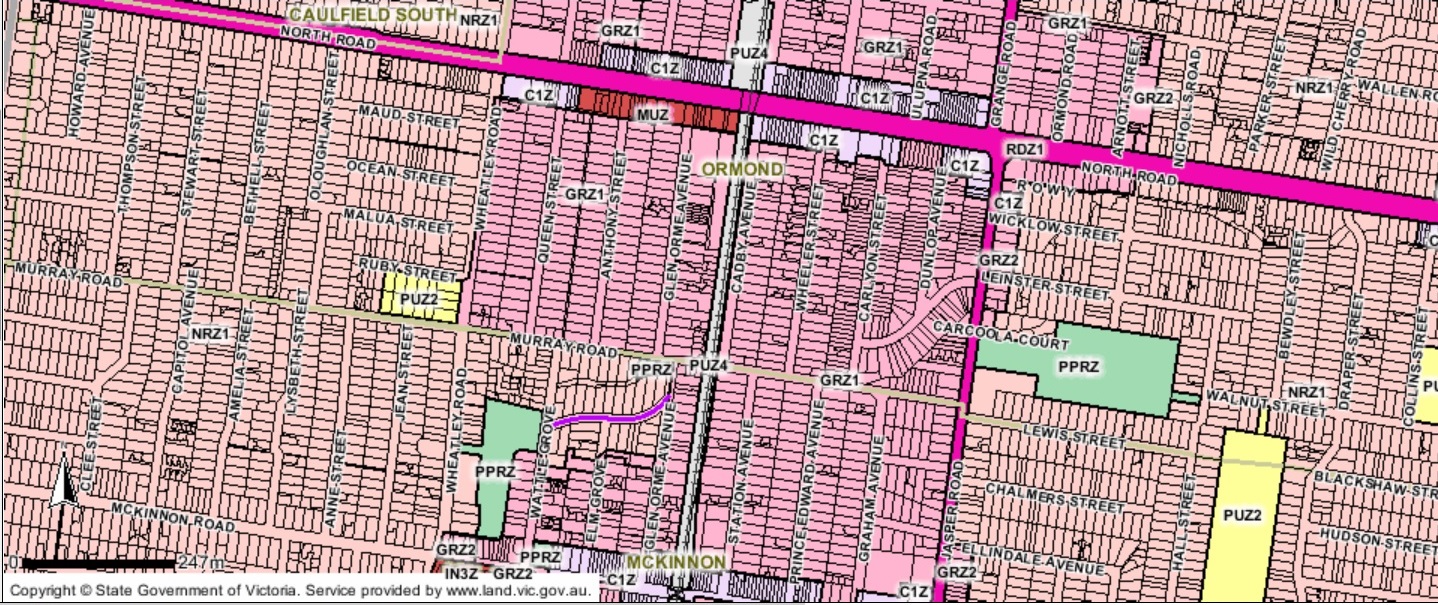
Less than 3% of Glen Eira is currently zoned as Commercial (C1Z). Not a huge area compared to say Stonnington’s 6.22% over a much smaller land area. One would expect that with proper, competent planning Council should have done everything in its power to ensure that properties in the immediate surrounds were protected from the possibility of innumerable high rise buildings sitting right on top of a single storey dwelling.

But that’s not the way this Council works. Other councils for example have 3 Neighborhood Residential Zones – Glen Eira has lumped everyone into the same basket with just one single zone. As for General Residential Zones others have up to 10 or 12 areas carefully selected. Glen Eira has a pathetic two zones – we discount the Alma Club fiasco as a ‘zone’. What this basically means is that other councils did their homework. They dissected their municipalities and consequences and then decided on appropriate zoning. They even had the temerity to revisit their housing strategies!

None of this occurred in Glen Eira. In their sloth, haste, and plain old incompetence Glen Eira has tried to sell the furphy that their new zones are a simple ‘translation’ of what existed before August 23rd, 2013. Apart from the fact that these old zones were based on a Housing Strategy dating back to 2002 (and which hasn’t been touched since) the ‘rules’ have changed – especially in regard to commercial zones. But did council take any of this into account? Did they do the necessary research? Did they, to put it bluntly, have the skill, will, and plain old competence to at least try and achieve the best results? Or is it, that they couldn’t give a stuff and were reluctant to put in place any restrictions on development?

Below we feature a mere small selection of the appalling potential results of such indifference and incompetence. There were many more examples we could have selected – but these should suffice. The point we make is that in all of these maps the commercial zones are sitting smack in the middle of areas zoned ‘residential’ – yet there is no appropriate zoning around these areas to provide relief to residents. With no height limits, no real setbacks, no parking plan overlays, and no open space, residents can look skywards and see only concrete and overhanging balconies. Our sincere commiserations to all residents living within cooee of these commercial zones!

PS: we forgot to mention that in Commercial Zones and Mixed Use Zones there are NO HEIGHT LIMITS! We also note that there is a wonderful letter from residents put up on the GERA (Glen Eira Residents’ Association) website.


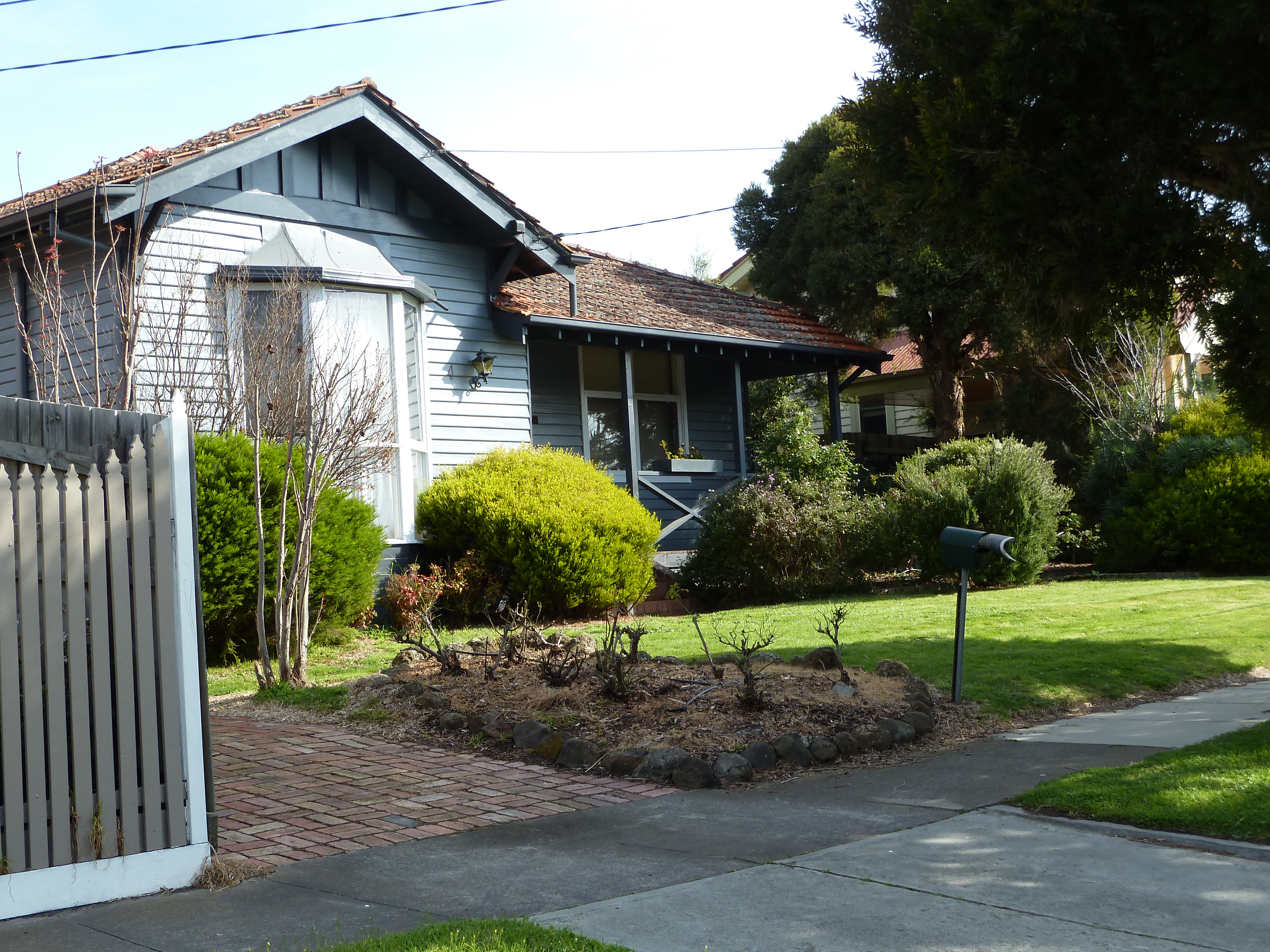
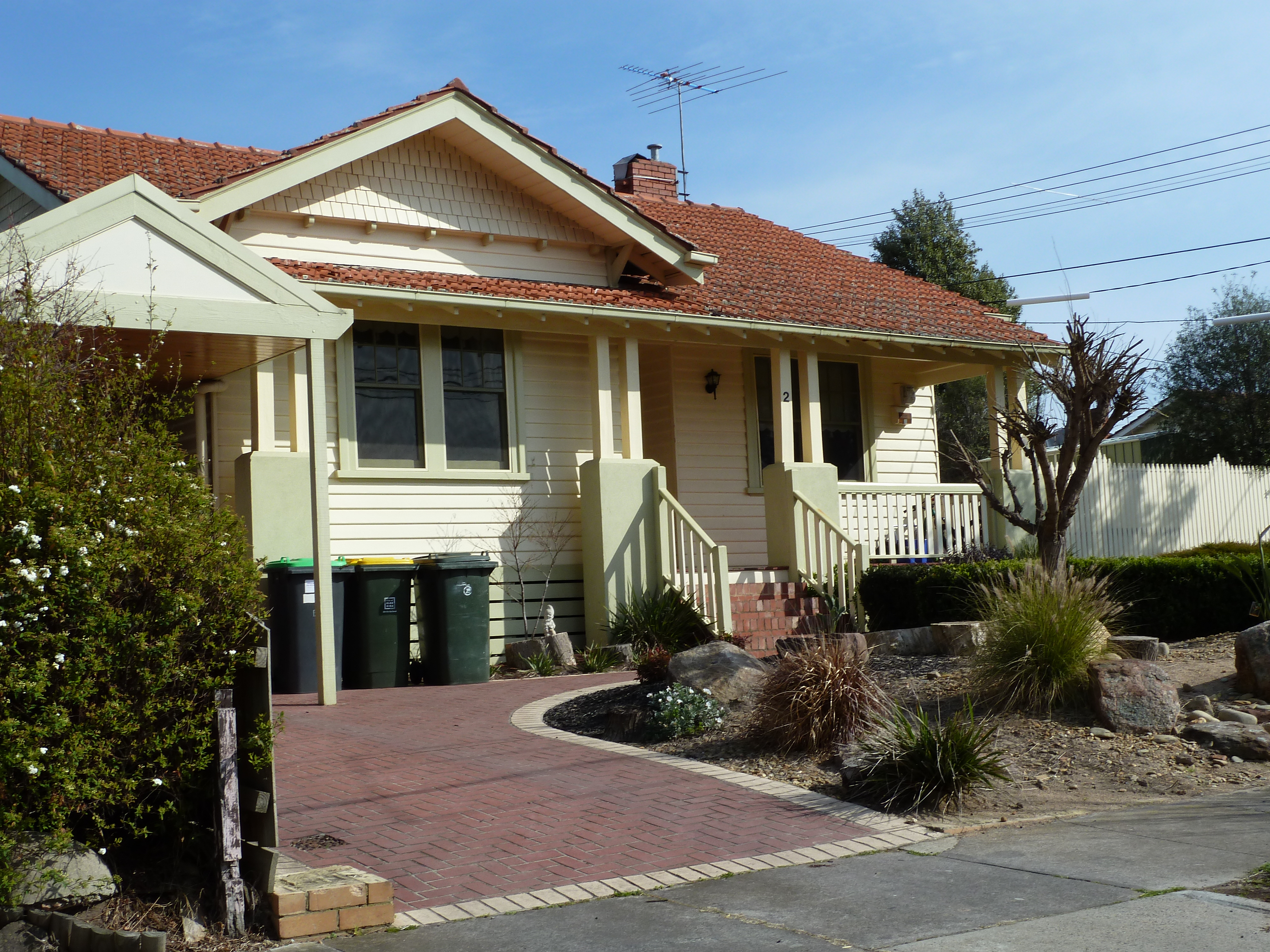
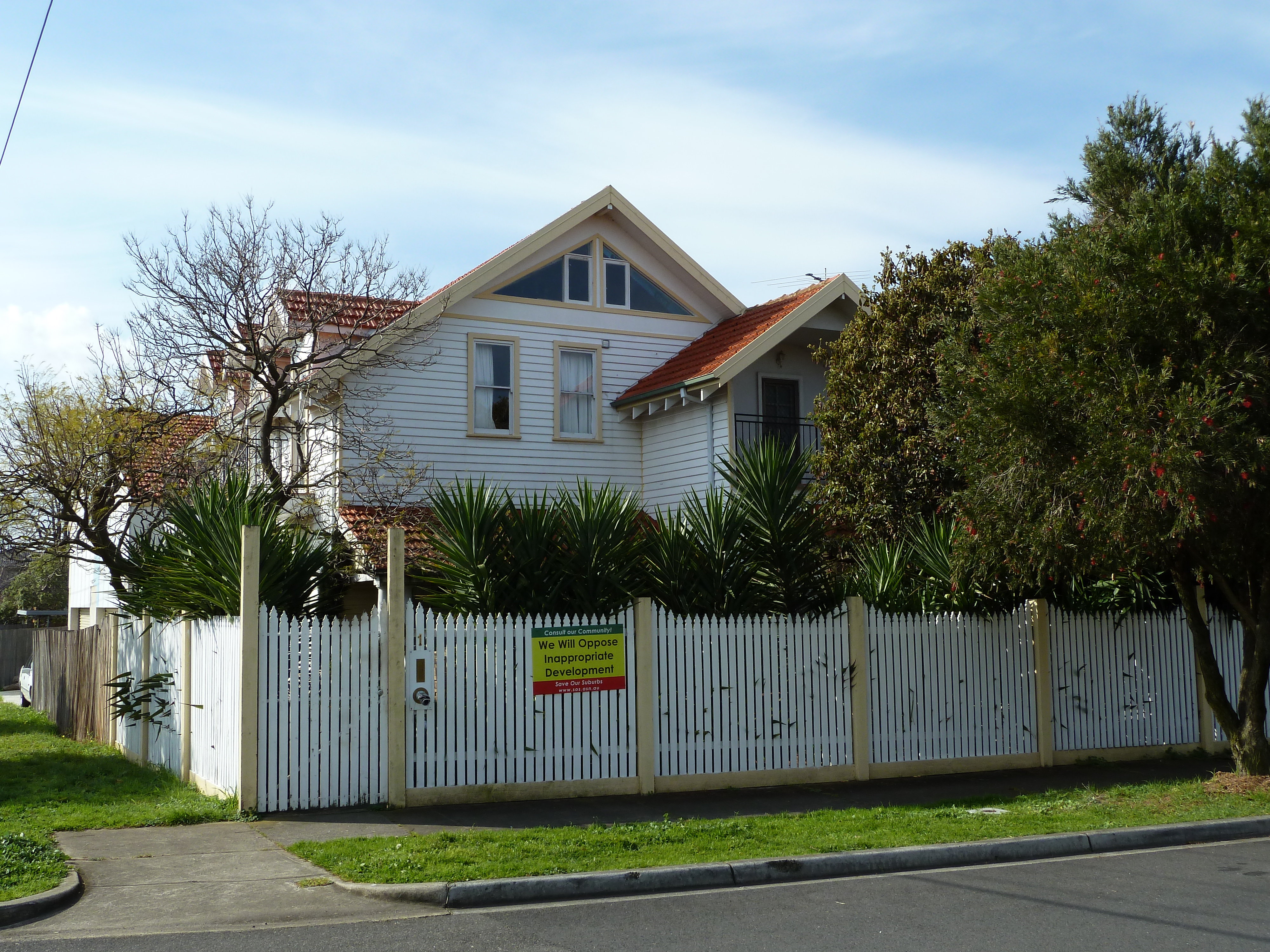
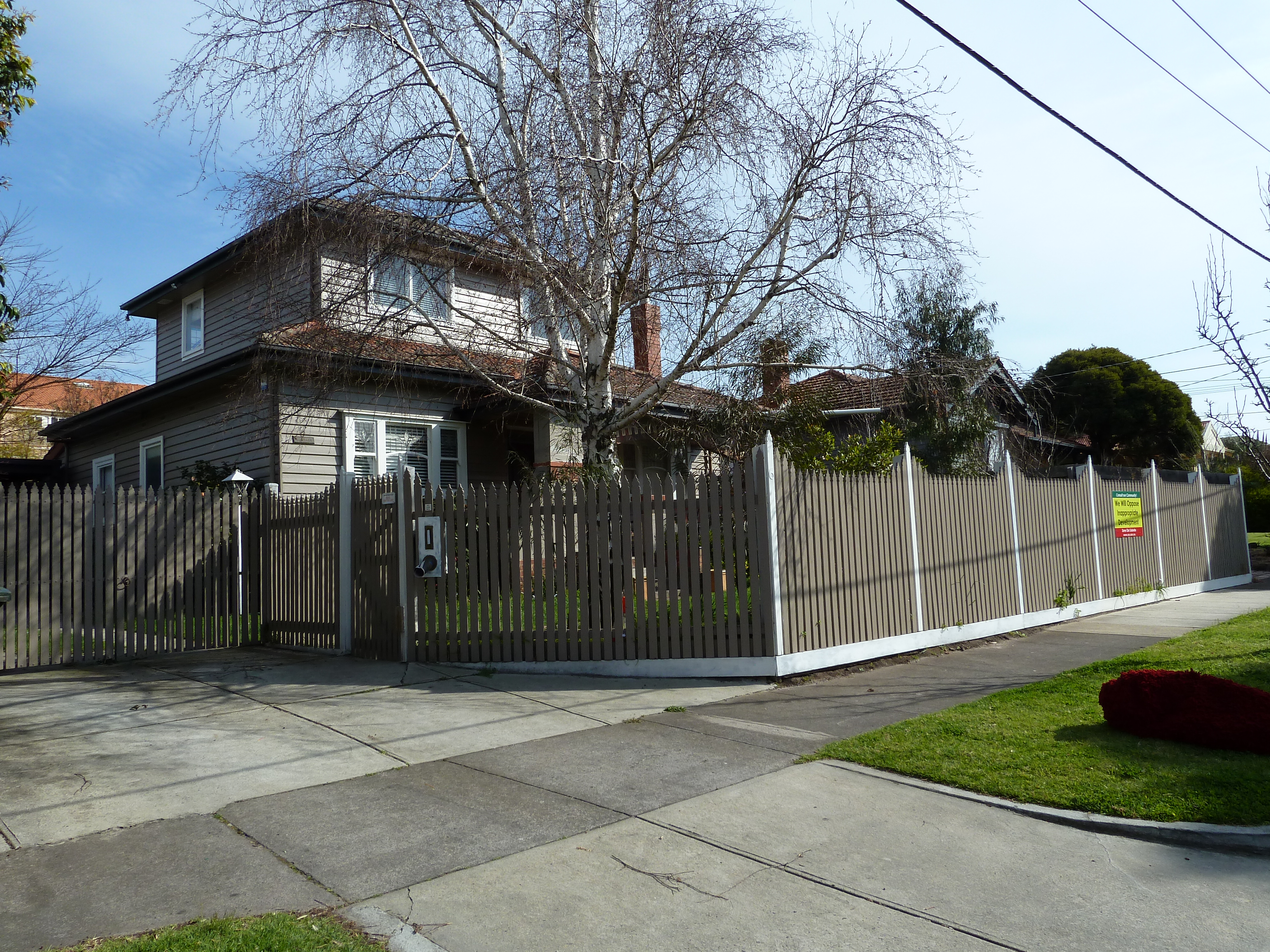
There can be no doubt that Glen Eira City Council will bend over backwards to assist greedy developers. We feature below the latest trend in property sales – the combination of several blocks of land into one, thereby creating larger size blocks and reaping a benefit to developers (and residents). Whilst council has no control over these private arrangements, they certainly have control over the number of dwellings that can be squeezed into one lot and the zoning that is applied. We have already seen the joint sale in Bent St., Bentleigh, and this is now happening throughout the municipality. Fair enough that residents are cashing in, but they are cashing in because they realise they cannot continue to live in these areas where all amenity is sacrificed for the holy dollar.

The photos below are the latest example PLUS another photo which provides a good reason why someone would want to leave the area.

P1000306

P1000304

P1000307

And what is council doing in the meantime? Absolutely nothing it seems! Here is a public question that was asked at last council meeting. We urge readers to pay particular attention to:

  • The failure to respond to the first part of the question
  • The emphases on OFFICERS. Where are councillors? Surely it is their role to decide on the policy that will constitute an amendment?
  • Other councils (Kingston, Boroondara, etc) have all specified the number of dwellings per lot size. Glen Eira’s OFFICERS, apparently refuse to do the same. The reason is obvious. They want to be able to cram as many as they can into whatever size block!

In December last year, Council resolved to seek Ministerial approval to exhibit Amendment C115. Why has there been no reference to this in Council’s Quarterly Reports and what is the current position of this Amendment?

The Mayor read Council’s response. He said:
“Amendment C115 concerns large lots (greater than 2,000m2) located within the Neighbourhood Residential Zone. The aim of the amendment is to increase the number of dwellings beyond 2 which would be the maximum number for a large lot zoned Neighbourhood Residential Zone (NRZ). Council cannot exhibit the amendment until authorisation is obtained from the Department of Transport, Planning and Local Infrastructure (Minister).

 
Authorisation has to date not been forthcoming on the basis that each large lot should have a stipulation as to how many dwellings will be allowed. This approach is not supported by Council officers as it would prejudge a dwelling yield in the absence of a specific development plan.”

We’re highlighting one particular decision from last night’s council meeting because we believe it exemplifies practically everything that is amiss in planning decisions by this council and especially the role that councillors should play.

To state the obvious, applications are meant to be judged according to the standards prescribed by the Planning Scheme. It is Council’s responsibility to enforce those standards. Full stop! The granting of a permit should never be decided on the basis of what councillors think might happen at VCAT if objections crop up and the case is taken to this body. Time and time again the arguments that issue from certain councillors is that VCAT is ‘arbitrary’, ‘inconsistent’ and that it all boils down to the individual member. So, if this is indeed the case, then how can Lipshutz state, as he did last night, that ‘I know VCAT will approve’ and hence the permit was granted. It is even worse when Sounness, who moved the motion to grant the permit, also argued on these same lines – ie. that he couldn’t see how Council could mount a ‘defence’ in VCAT and the best option is to ‘apply conditions’. Hence, a permit was granted. Whether or not some of the ‘fault’ lies with the Planning Scheme itself, has never of course been broached by any councillor. Nor has the question of how well Council actually defends its decisions at VCAT.

As for the regular VCAT Decisions report, Hyams together with Lipshutz again implied that resident objectors would be better off if they refrained from objecting. According to Hyams, one decision handed down was a ‘salutary lesson’ for objectors since they were now ‘worse off’ in going to VCAT because the developer got more than Council had granted in their original permit. In other words, DON’T OBJECT and leave everything to us, the ‘experts’.

We’ve know of no other Council, where such disdain for the rights of citizens is so frequently featured. Nor do we know of any other Council where arrogance is so prevalent. If Council’s record at VCAT is so wonderful due to this ‘expertise’ then they need to explain why the vast majority of their decisions in the past year have either been overturned completely or the conditions varied considerably. And scattered throughout the hearings there are occasions when resident objectors (that ignorant lot) were successful in completely overturning Council’s decision to grant a permit.

A very brief report on tonight’s council meeting. Delahunty was absent and Esakoff left the meeting around 9.30pm. The latter had requested leave of absence until early October.

PLANNING APPLICATIONS

No surprises here. Councillors followed their usual pattern of lopping of one floor from the 6/7 application, thereby making the height 5/6 storeys and reducing the number of apartments. Lobo was the only councillor to vote against the motion. For the first application of 4 storeys Esakoff moved that another condition be added – setback on top floor to be increased to 11.83 metres. However balconies could still intrude into the set back of up to 2.4 metres. Passed unanimously.

Childcare centre featured Lobo and Magee as the only councillors to vote against. Lipshutz trotted out the same old refrain of how this applicant had not been a very good neighbour in the past, but if he didn’t behave himself from now on and abide by all the conditions set down, then council would come down on him ‘like a ton of bricks’. Funny how often this same old argument crops up from Lipshutz AND HOW LITTLE ENFORCEMENT ACTION THIS COUNCIL EVER TAKES!

RACECOURSE & LETTERS

Neither Lipshutz nor Hyams declared a conflict of interest. Labor’s Lisa Neville copped a hiding for her equivocal response and council determined to keep ‘agitating’ so that the centre could be turned into a ‘sporting ground’!

VIRGINIA ESTATE

Only two speakers and Magee’s concern was with the involvement of Elizabeth Miller writing to council and the Minister’s alleged attempt to bypass consultation. He did not ‘care’ whether the entire precinct became commercial via an amendment as long as there was community input. More on this in the days ahead.

GISBORNE STREET/RIDDELL PARADE CONSULATION

Pilling showed his true Mayoral qualities here by not halting Lipshutz and then Hyams when, instead of speaking to the topic, both used the occasion to launch into personal attacks on the two objectors to the Open Space Levy Amendment. According to these councillors both objectors (who were named – a first for council) were ‘holding the community to ransom’. Pilling then had his own go by parroting what Hyams had said several council meetings ago – ie that the objections were motivated by ‘mistrust of council’. Much, much more on this in the coming days!

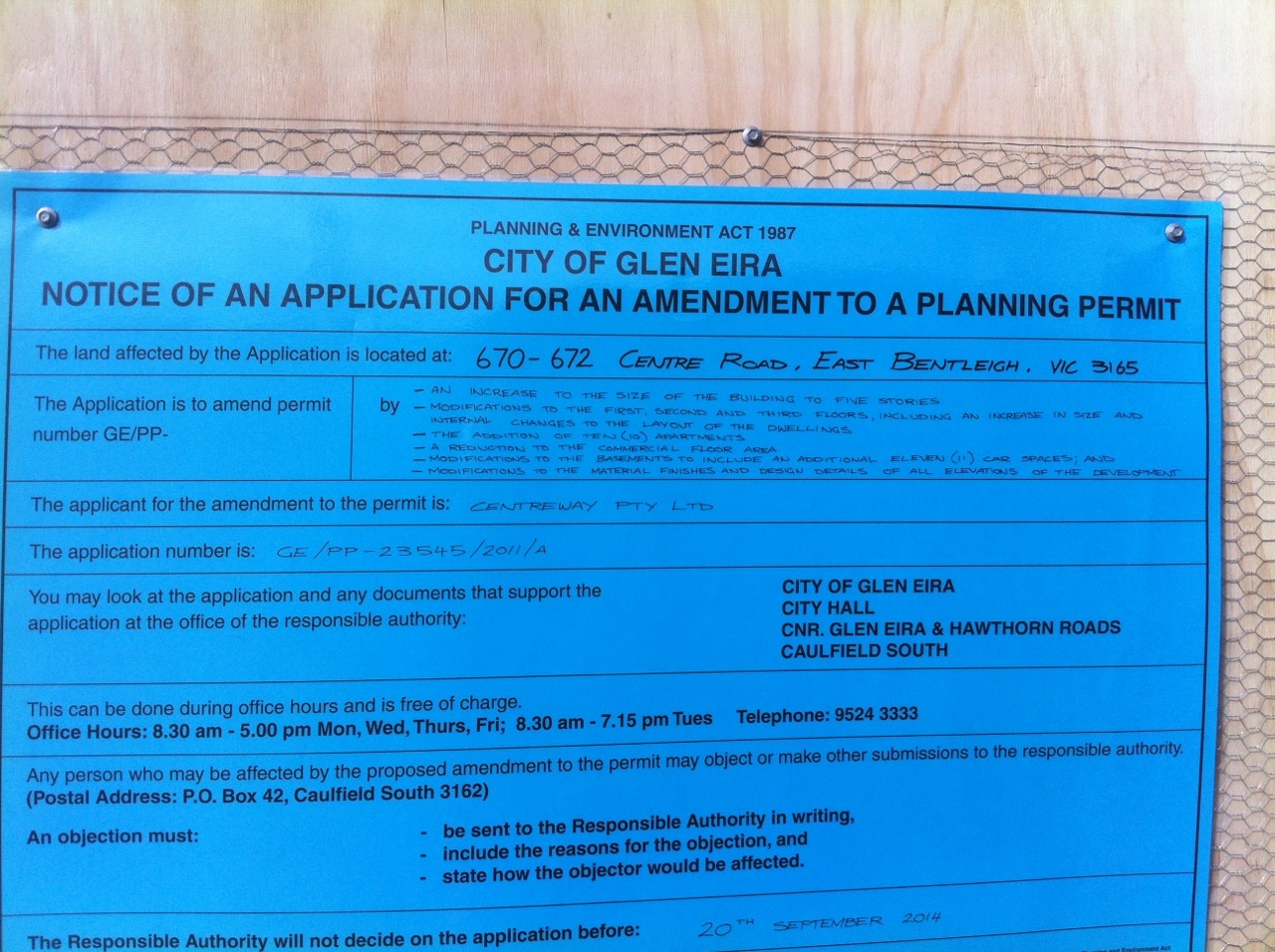
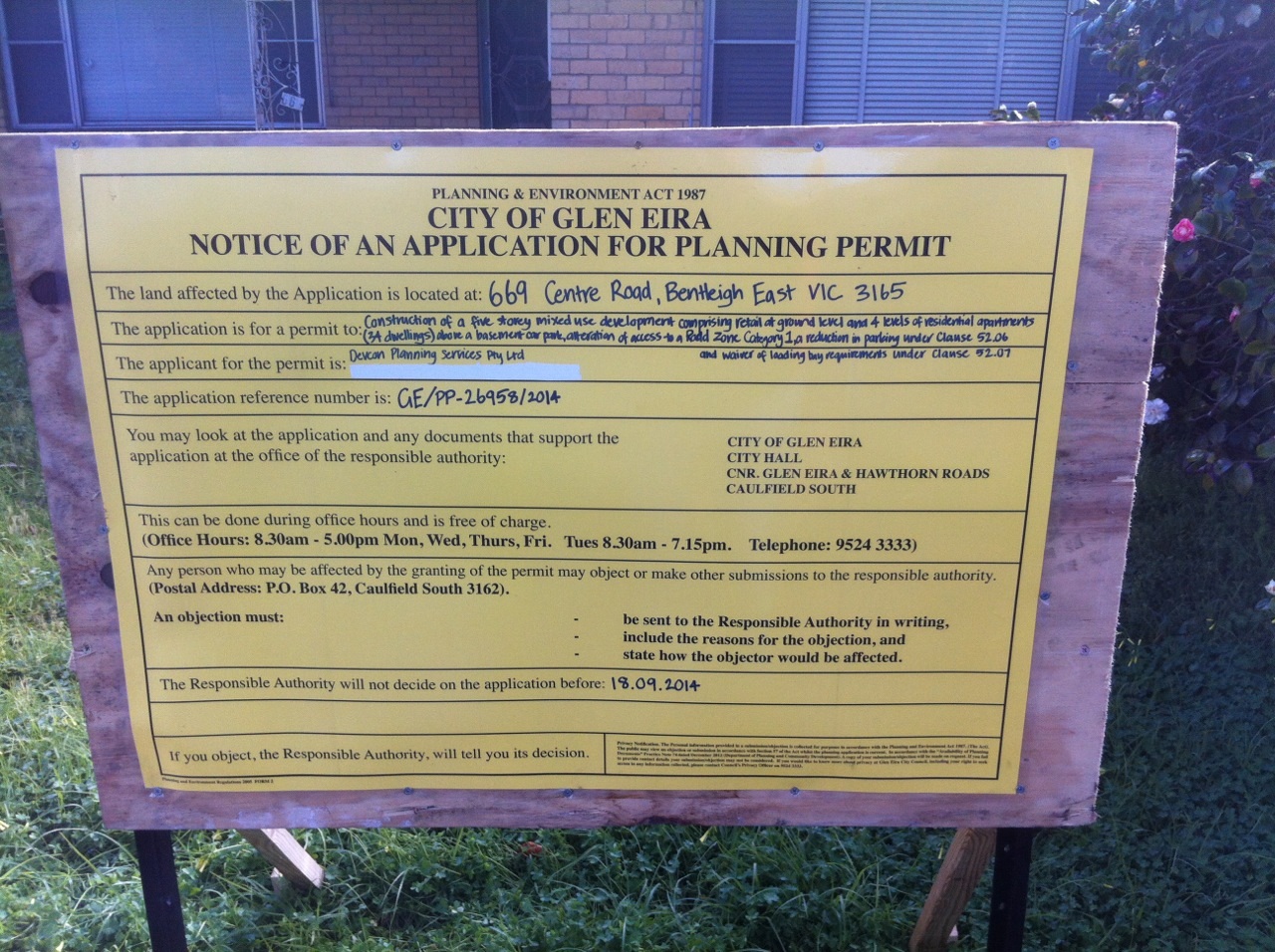
There are 3 significant planning applications in for decision tonight. Each is for multi-unit development and each has been recommended for approval. The details in brief are –

  1. Four storey, 33 dwellings, 2 retail, 2 offices and reduction in carparking and waiver of loading bays
  2. Part six and seven storey, 39 dwellings, 4 shops, reduction in car parking and waiver of loading bays
  3. Two storey child care centre for 118 children in a minimal change area.

Council’s recent trend of NOT DISCLOSING how many proposed units will be one bedroom should be deplored, especially when residents are continually fed the rubbish about creating ‘diversity’ in the municipality. What is even more deplorable is the continuation of officer reports that are entirely bereft of sufficient detail, though replete with waffle, repetition, generalities, and plain old humbug. ‘Clerical errors’ still manage to creep in – ie Council has labelled one zone as operating under Schedule 1 whereas it is in fact designated as Schedule 2. It would be wonderful if planners actually knew their own planning scheme or at least double checked what went out!

Here are some of the most memorable lines from the various officer reports –

Guidelines suggest 6 car spaces for the proposed shops. Four are proposed. Council’s Transport Planning Department has not raised any concern with the reduction of car parking for the shops, given that two spaces have been provided for each tenancy. Given the size of the shops, this will cater for the likely staff demand.

All habitable rooms will have access to daylight either directly through windows facing the front, side and rear boundaries or light courts which will provide an acceptable level of internal amenity.

Here’s a quote from the second application which is for the 6/7 storey building –

Furthermore, the architectural quality of the building is considered to be of a high standard. This is demonstrated in the level of visual interest exhibited in the facades, which feature balconies, balustrades, glazing and a mixture of materials that moderate the effects of visual bulk.

By way of comparison, the following quote is from the first application (ie 4 storeys). Please note the repetition with no explanation of why one design is deemed to be ‘high standard’ and the other application is only of ‘relatively high standard’ –

Furthermore, the architectural quality of the building is considered to be of a relatively high standard. This is demonstrated in the level of visual interest exhibited in the facades, which feature balconies, balustrades, glazing and a mixture of materials that moderate the effects of visual bulk.

There are further gems as well! We especially love the logic that since there already are 3 and 4 storeys in another municipality, that a six and seven storey building is therefore acceptable!

In light of the emerging built form in this centre (up to 5 storeys has been approved to the south at 77-79 Poath Road), and opposite in the City of Monash (3-4 storeys) the scale of the building is considered suitable.

State Government guidelines suggest seven (7) on site visitor car spaces as a “starting point” (1 space for every 5 dwellings). Council’s Transport Planning Department has not raised any concern with the on-site visitor car space provision. On balance, this is considered reasonable in this instance given: Visitor parking is most common after normal business hours…

There are countless other examples we could have provided, but we believe these will suffice in order for residents to come to some conclusions as to the quality and transparency of planning application reports.

Residents Beware! We are about to be dudded by this administration and its developer friends and councillors in the very near future in relation to the Virginia Estate site. Item 9.14 of today’s agenda tells us:

  • An amendment is in the pipeline to rezone all of the 12 hectares into Commercial 1 zone. Currently only the centre of this site is suitable for residential development and not its ‘ourskirts’ that abut residential streets.
  • No detail is provided by the Akehurst report as to the precise nature of this proposed amendment and its potential ramifications
  • There is absolutely no sense in rezoning this land unless the objective is to cram more residential units onto the land. Currently up to 10 storeys is mooted. How many units will 12 hectares hold we wonder?

What we do object to most strongly however is the entirely devious, disingenuous and ultimately misleading information that is contained in the Akehurst report. Readers are told –

The amendment seeks a rezoning of the land only. No development application has been received. Any future development will be subject to a town planning permit process which will be advertised to the public. VCAT appeal rights, including to the community, would also apply to any planning permit application. 

What Akehurst does not fully reveal in this report, and instead resorts to totally incorrect language of ‘town planning permit process’ is that Amendment C75 passed in 2011 comes with a specific Schedule that demands the submission of a DEVELOPMENT PLAN. In other words, whatever planning processes will evolve over time will follow the same course as the Caulfield Village fiasco – ie an Incorporated Plan that residents did not see prior to the Panel hearing, then a Development Plan where all residents could comment upon were heights and setbacks with NO APPEAL RIGHTS. In this instance however, there is not even an Incorporated Plan.

Below we quote what was written at the time of the original Amendment and these quotes come directly from the minutes –

8th June 2010 –

The schedule to the DPO, introduces a requirement for Council approval of a Development Plan (i.e. the “detail”) to be submitted down the track when the specific design of a particular building/s is known. The Development Plan must be generally in accordance with the Precinct Plan, however, no third party appeal rights apply at this stage. This is a similar approval mechanism as proposed by Amendment C60 (Melbourne Racing Club). It allows community input at the broad conceptual level. At the detailed level, Council must seek community feedback by advertising the development plan. However, there are no third party (residents) appeal rights. This approval process is becoming common in cases like this where there is no actual development currently under consideration.

It is recognised that this amendment does result in some uncertainty about “what” is being proposed and the ability for the community to have a say when the detail is known. To this end, the requirement for a Development Plan to be submitted when the detail of development is known should give some comfort to the community. Development Plans are required to be submitted on a precinct by precinct basis and are required to provide detailed information on likely traffic impacts and the traffic management works which may be necessary to accommodate the predicted traffic generated by the development. Council is also required to display these plans and seek community views. It is important to note, however, that third party appeal rights will not apply at this stage. This is a similar process to that adopted by the Melbourne Racing Club with its masterplan amendment.

Following the Panel Hearing, council had to decide what to do with the amendment. On 5th March 2011 the following appears in the minutes –

Does not forward the adopted Amendment to the Minister for Planning for approval until the Gillon Group enters into a Section 173 agreement with Council for the provision of infrastructure works.

The one issue where the Panel disagrees with Council is in relation to the extent of the landscaped setbacks to the south and east of the site. Council proposed an 8 metre setback to accommodate substantial canopy trees. The Proponent argued that 5m was sufficient. The Panel agreed with the proponent and accepted the evidence given on this issue on behalf of the proponent.

It is recommended that in this instance, Council should accept the ‘umpire’s decision’ and adopt the amendment with reduced landscape setbacks to the south and east.

Crs Lipshutz/Magee

That Council:

  1. Adopts Amendment C75 in the form recommended by the IndependentPanel with the following change:

(a) The exhibited setback of 8 metres to the southern boundary (Virginia Reserve Interface Precinct) and eastern boundaries (Third Avenue Precinct) is adopted.

  1. Does not forward the adopted Amendment to the Minister for Planningfor approval until the Gillon Group enters into a Section 173 agreementwith Council for the provision of infrastructure works.

The MOTION was put and CARRIED.


Please note that the final gazetted version of the Amendment includes the following in the Schedule –

West boundary (East Boundary Road Precinct): 8m landscape setback.

 South boundary (Virginia Park Precinct): 5m landscape setback

 East boundary (Third Avenue Precinct): 5m landscape setback for a 4 storey building from a public open space, or 5m landscape setback for a 3 storey building from interface with any residential use.

 More questions are therefore needed:

  • Given the above council resolution NOT TO ACCEPT the panel’s recommendations on site setbacks, why was this resolution not adhered to? Who made the decision to accept a 5 metre setback? And why was this never reported back to the public and/or council?
  • If a Section 173 agreement is in existence, then why has this never been made public – especially since East Boundary Road is already a nightmare?
  • Why is this Akehurst report so bereft of real detail? Are residents and councillors simply being sold more furphies and the ultimate agenda is to grant the developer everything he wants – aka the MRC?
  • Whilst this practice of Development/Incorporated Plans is certainly ‘legal’, residents need to start asking whether the manner in which this council accommodates such practices is indeed in the very best interests of the community.

Finally, we deplore the failure of officer reports to include:

  • All relevant information
  • The use of language that can only be seen as deliberately misleading

« Previous PageNext Page »