GE Council Meeting(s)


MAGEE moved to accept motion and Lipshutz seconded.

MAGEE: began by saying that the Centenary park pavilion had been on the agenda for around 15 years. Council has now got all the ‘documentation’ necessary following the previous council resolution to go ahead with design for the park. Stated that the car park ‘and the pavilion are going together’ and it will now go out to tender. Plenty of people had asked him about upgrading of facilities in Tucker ward and there is now GESAC, Duncan McKinnon pavilion and Victory Park so that ‘a lot of things have been happening’ in the area. Wondered how they could have missed fixing up Centenary ‘for so long’ but there’s only so much money available. The resolution is to ‘call for tenders’ so they will then know how much it is going to cost. On the car park which will be ‘reconfigured’ ‘THERE IS NO LOSS IN OPEN SPACE’. What’s happening is that they are ‘taking away a disjointed car park at the moment’ and ‘putting it all into one piece’ and ‘adding all that green space’. Thought it would be a ‘huge win’ for the East Bentleigh community and it ‘will go down with me when I leave this council’ as a ‘great achievement’.

LIPSHUTZ: agreed with Magee that the pavilion had ‘for many years’ needed ‘redevelopment’. The government grant would ‘assist’ here. The car park is a ‘vexed issue’ because ‘some people’ don’t want this changed but the motion will allow for both things (car park and pavilion) to be done. Nobody wants a ‘half job’ done so better to do it all at once and together. Pavilion will be done like other pavilions and Glen Eira is fantastic at doing pavilions.

LOBO: agreed ‘on one thing only’ that the pavilion ‘needed a facelift’. Said that the decision was based on the govt grant and people ‘wanting it’. Said that the pavilion did ‘need attention although there were others in our plan’ based on the priority listing ‘but we jumped the queue’. Was happy for the pavilion to go ahead but ‘what I can’t swallow’ is the $600,000 to be spent on the car park and ‘adding extra car parking’.  What this means is that if you deduct the $500,000 from the government ‘we are left with $100,000’ and ‘we’re saying this is justified’. Didn’t think that ‘this is the way to juggle our list of priorities’. Went on to talk about Victory Park where ‘we added 2 toilets for the girls’ and ‘where undressing under the trees, that’s fine’. On the $600,000 ‘there was no public consultation’ and this is ‘big money’. Said that with this kind of money people could buy houses in various areas. For him it was important that ‘people were not consulted’ and that ‘again the process is wrong’ and that ‘it is important that we get things right’ and ‘ask the surrounding people’ what they want. ‘No one was consulted’ and he got letters from people opposing it and saying they wouldn’t vote for him and the mayor if this went ahead. Lobo then asked for time extension. MAGEE VOTED AGAINST TIME EXTENSION. Lobo responded with ‘Thank you Cr Magee. I expected that’. Said there was one resident who was passionate and objected. ‘we didn’t get back to them’. When the decision was made in April he was overseas and wouldn’t have voted for the motion ‘only because of the $600,000’ – ‘if $200,000 maybe’.

DELAHUNTY: agreed with some of what Lobo said but also thought this was a great initiative. Said that the ‘car park makes sense, makes financial sense’ for the pavilion and car park to be done simultaneously.  Was also sensible ‘in terms of safety to remove that scrub land’ and traffic management. However, she didn’t ‘enjoy the process of it’. Said they had ‘consulted user groups’  and that she’d like to see more ‘conversations’ with people. Since there’s a consultation committee then they might have to look ‘structurally’ at how council consults. Would support the motion but it leaves her ‘with a bad feeling that we haven’t really spoken in great depth’ with people. They’ve got ‘correspondence’ from people who aren’t happy so it’s important to ‘enter into a conversation and explain why’ council is taking the position it is.  Unless that’s done ‘it takes away the transparency of decision making’ if there aren’t these ‘conversations’.

SOUNNESS: when an application comes in for private land development then councillors ‘have a conversation’ and residents and developers get their say. Here’s public land and ‘there’s a bit of a different process’ . Said that he realises that council ‘should be trusted’ about doing ‘the right thing for the right reasons’ but there should also be a way that councillors and staff are ‘interrogated’ about the decisions they come to. Claimed that his problem with this plan was that he couldn’t see the ‘connection’ between the car park, trees, pavilion, playground. Supported redoing the pavilion, but didn’t know whether the vegetation ‘was significant’ . Councillors had received an arborist’s report which isn’t published which said that this is ‘basically a bunch of scrub’ and that the ‘trees are suffering’ and of ‘poor standard’. The report isn’t in ‘this document here’ and he would ‘have loved to see’ it included because that makes things much more ‘transparent’. Referred back to last council’s meeting about assembly meetings and how the code of conduct stipulated that correspondence should not be published outside of those meetings but this was a case where that arborist’s report was vital for the decision and for people to ‘understand why we are making this decision’. For him ‘the case to keep the vegetation is not strong’. Thought there is a case to be made about ‘process’ and ‘wished’ that consultation had been ‘a bit more clear’. So will support the proposal and wishes that it could have been a little more ‘transparent’.

PILLING: acknowledged that there were concerns about cost and process. Read out his original motion from April and that ‘the majority of councillors did vote to proceed’. Said this was a bit like GESAC where ‘car parks are tacked on’ to the end of projects and that ’causes quite a few problems’. Supported ‘in future having a better process’ and that he would be supporting the motion.

HYAMS: said that Centary park would have been ‘done straight after Duncan MckInnon’ ‘regardless’ of the state government grant because it was ‘next on the priority list’. Saw Lobo ‘shaking your head and I can assure you’. Lobo then attempted to say something and Hyams told him that ‘he had the floor’. Agreed that $600,000 was a lot of money and if it was just for a car park he wouldn’t want to spend that amount but this was about ‘increasing the green spaces’ and ‘safety’ for pedestrians and motorists. The latter often find that one car park is full so they have to go back onto the road and do ‘a u turn’ and go into the second car park. So he’s happy to spend the $600,000 and ‘get it all right all at once’. In regards to girls undressing under trees in Victory Park ‘I want to assure the gallery that this was not the case’. Said that they had change rooms but had to walk through ‘each others change rooms to get to the toilets’. Lobo disagreed and told Hyams that he ‘had to get the facts right’. Hyams then said that when ‘a councillor is speaking that councillor has the floor’ and that as a deputy mayor ‘you would understand that’. Lobo interjected again. Hyams raised his voice with ‘Cr Lobo!!!! I have the floor’. Lobo again tried to say something. Again Hyams ‘Cr Lobo!!!!!!!’ Lobo then told Hyams to ‘take it easy’ and that ‘when I banged the table’ he was told he was ‘unprofessional. Now what are you doing?’ Hyams then said he was trying to call Lobo ‘to order’.

MAGEE: wanted to ‘clarify’ the bit about ‘people getting changed under trees’ and that the Leader had run this story but it was due to a lot of ‘moisture’ in the pavilion but that it was ‘warmer’  under the trees than in the pavilion. Said he would argue with anyone as to whether that ‘open space is worth anything’ (ie the trees/vegetation). He’d never seen ‘anyone’ in there and is only about 500 sq metres and is worth probably about a million dollars. Claimed that all they were doing was ‘moving’ this open space next to a playground. It’s also ‘not useable’. When he’s gone there the ‘weeds were knee high’ and they could be sprayed and cut ‘but in a month’s time they were back’. Was grateful for the government grant because this was money that ratepayers now ‘don’t have to fork out’. Said it was a ‘needy, worthwhile project’ that had been waiting around for years. Said that his kids play sport there and that it’s a ‘privilege’ to live opposite a park but that shouldn’t mean that this automatically grants ‘ownership’ to these people of the park. ‘There is no downside. There is absolutely no downside’. If it costs $600,000 then ‘so be it’ because for $600,000 they’ll be getting a ‘piece of infrastructure that will probably last for 100 years’.

MOTION PUT AND CARRIED. LOBO ASKED FOR A DIVISION. HE WAS THE ONLY COUNCILLOR TO VOTE AGAINST.

COMMENT

We wish to highlight several important points here:

  • The minutes of November 27th 2007 included the priority pavilion upgrade schedule. In part it read – It is recommended that a full review of the Priorities for Pavilion Upgrades be undertaken on a regular basis to ensure that changing circumstances are reflected. This review would include checking that the scores for individual pavilions are still correct. 6 years later NO REVIEW HAS BEEN MADE PUBLIC ALTHOUGH IT WAS CLAIMED THAT SOME FORM OF ‘REVIEW’ TOOK PLACE IN AUGUST 2011. Of course, this was done in secret and has not seen the public light of day! We even wonder if it ever took place or exists! Centenary Park in the 2007 version was NOT on the list to immediately follow Duncan McKinnon – Marlborough was listed as next in line.
  • Hyams’ claims here that girls changing under trees ‘was not the case’. We have referred to our own reports and for our entry of 22nd September 2011 we noted that Hyams made the following remarks – HYAMS: also ‘grateful’ to Miller for ‘first identifying this need prior to election’ (then securing funding and delivering the money)….’Cooper Pavilion not large enough to cater for all’ (the needs)…’children have to get changed outside so….defeats purpose of having a pavilion’…‘we have had other priorities which is the reason it hasn’t been done up to now’….(Caulfield Park Pavilion, Duncan mcKinnon Pavilion rated higher)…‘on the objective ranking table’ (priority list)…(now) ‘Centenary Park’s turn’. (September 22, 2011).
  • We also note that the budget for 2012/13 set aside $310 for ‘female change rooms’. The financial report for the month ending 31st October 2012 included the statement that the ‘female change rooms at Victory Park’ were $113 behind forecast. In other words, a year down the track these change rooms are still incomplete!
  • Rewriting history is endemic in Glen Eira Council. The facts appear to change according to whomever it will favour at any particular point in time.
  • Residents really need to start asking how come the ‘process’ is still so appalling bad after so many years of complaints about lack of consultation? What have these same councillors who complain about process actually done to improve the process?

 PS: We’ve been sent the following photographs of what 2 councillors describe as ‘scrub land’. Hardly it would seem when there are trees there of at least 40 feet height.
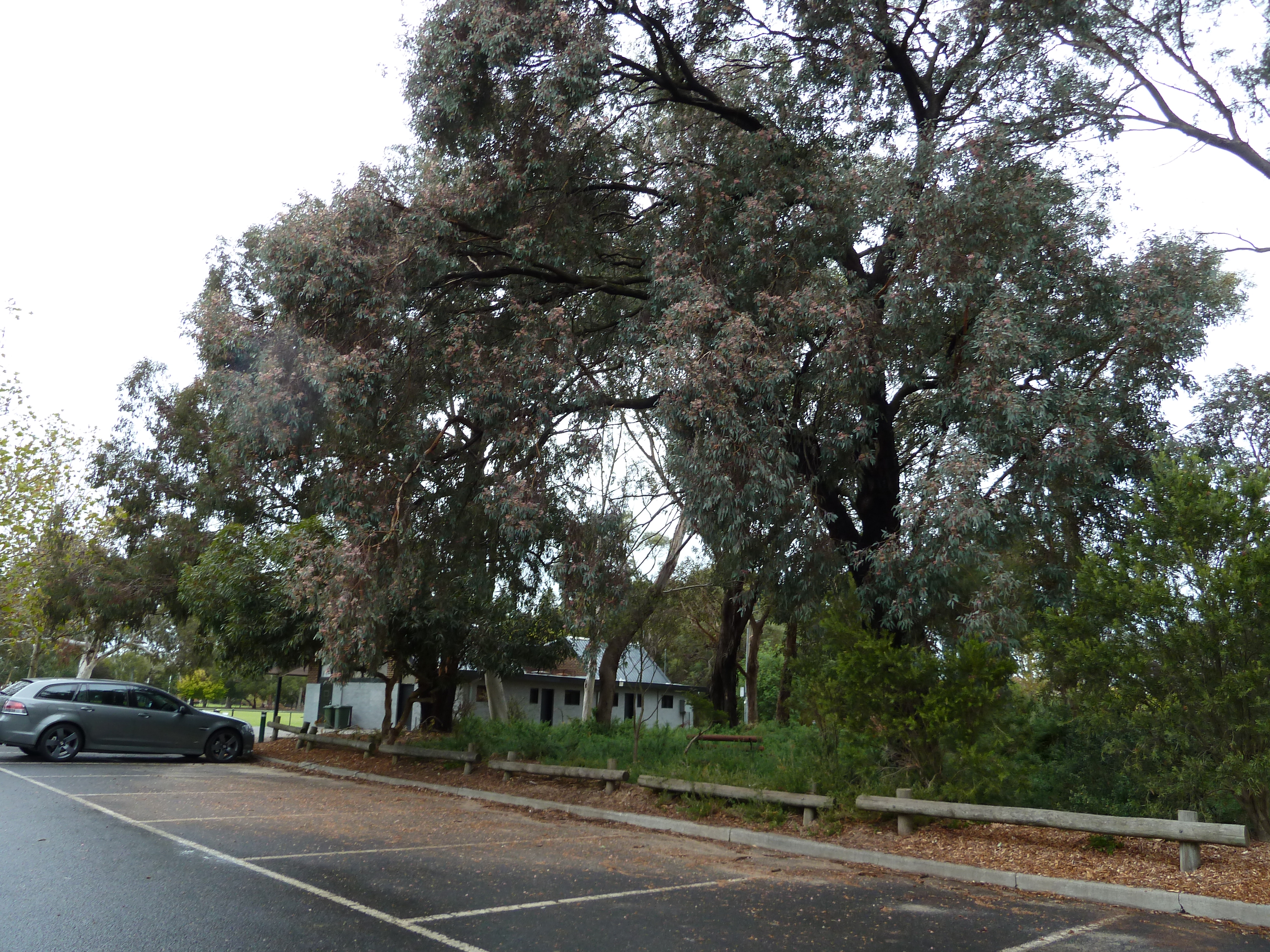
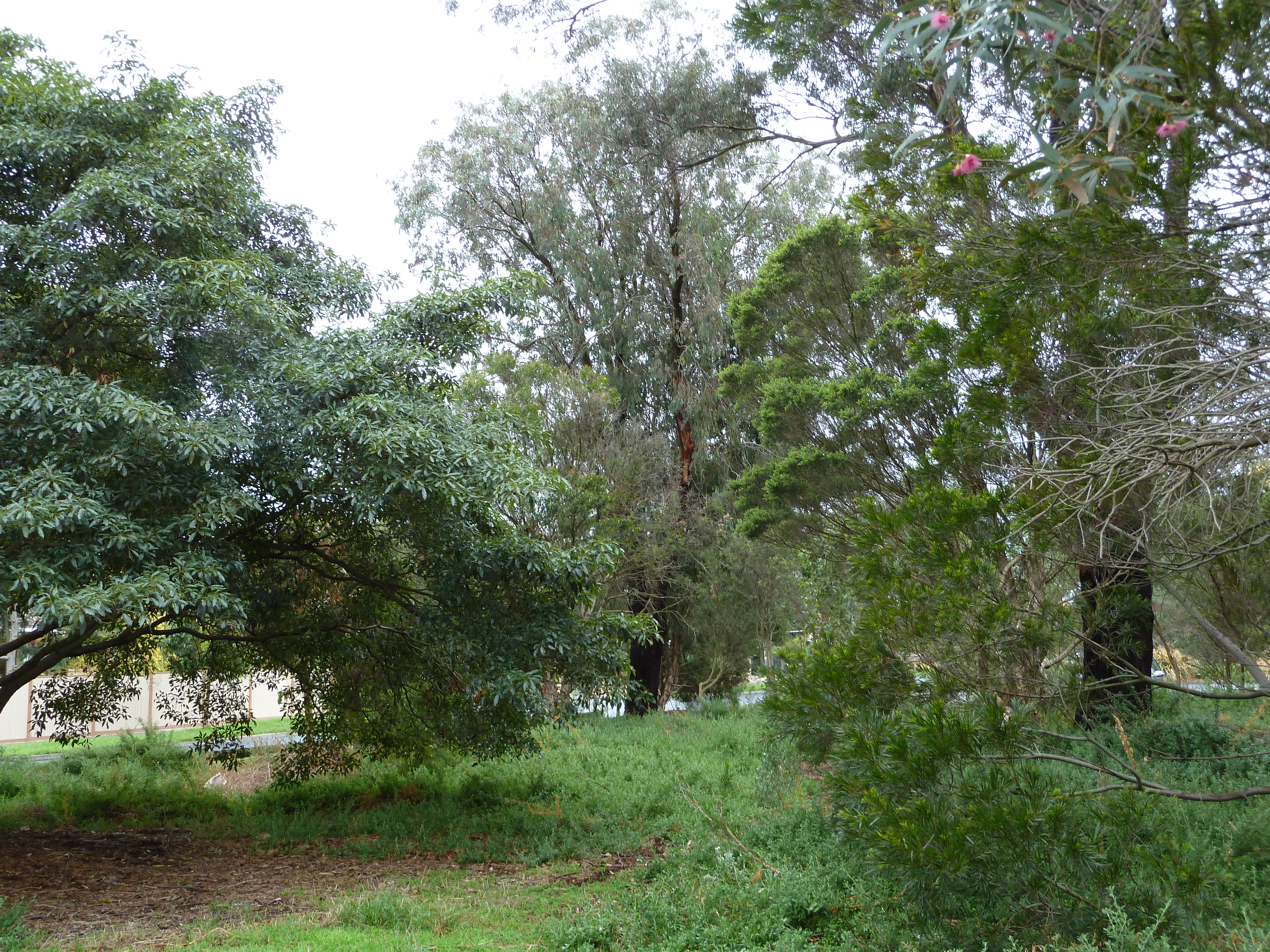
P1000134

P1000133


Just a very brief report for now on tonight’s council meeting. As expected:

  • The Centenary pavilion and amalgamation of the two car parks and removal of the trees and vegetation between the current carparks will go ahead. Cost of this new car park $600,000! Of course there were some crocodile tears as to how residents weren’t consulted and that council’s consultation process really must be ‘improved’.
  • Monash Uni Amendment went through in about 2 minutes flat with no dissenting or even questioning voice
  • Development applications went through practically unanimously with Hyams, Magee claiming that they didn’t like the application but planning law is planning law and so must be upheld!
  • Friends of Caulfield Park got their extra money but were told again that they had to be ‘sustainable’ and that this payment was a mere once off. Funnily enough no-one thought to bring up the point of why a community group that is doing council’s work should be ‘sustainable’ in the first place? Esakoff voted against.
  • Tree register was deferred and councillors wanted ‘more information’. Another report (pop up parks) was also sent back for ‘more information’. At last some movement on the station…….but only on ‘minor’ and/or relatively ‘trivial’ matters it seems.
  • Delahunty at least got up and said that one of the responses to a public question was NOT ANSWERED and that she was putting in a councillor request that the resident’s question be provided with a full answer.
  • There was also a Request for a Report on making audio and/or visual transmissions of council meetings. Burke apparently had suggested that the ‘difficulty’ with this might involve Heritage concerns for the building. He obviously has forgotten that he is in charge of the current audio recordings of council meetings. We wonder what ‘heritage’ damage would occur if these recordings were simply uploaded onto council’s website!
  • No prizes for guessing who did not utter a word on the Caulfield Park conservatory item – Lipshutz and Esakoff. It was voted in unanimously to ‘restore’ and include public input.

We will present a detailed report on all of these items in the coming days and ask residents to pay careful attention to the quality and logical consistency of most of the arguments.

Once again all information relating to GESAC is buried in the small print of the financial report in vague and obtuse language designed to reveal as little as possible. Attempting to piece together the various figures becomes an impossibility (deliberately so we believe) when no definitions of terms are provided, and no basic ledger of bottom line accounting on the project exists. Yet, there are still some startling announcements.

Below are some copied extracts. The last two are bolded because of their significance and we draw readers’ attention to the third extract in particular. Calling in bank guarantees is an astonishing move given that the court case is far from settled at this point in time. What happens if council loses? What does this say about the cash flow status if Council has to gamble in this manner for what is really a drop in the ocean of $1.8m in an overall budget? And what is the ‘unbudgeted variance’ of $99k for contractors? Surely not lawyers? Our guess at this stage is that the legal eagles’ costs would by now be triple this amount. Where is this figure in the accounts?

There are a number of issues concerning the building of the centre which are currently in dispute. They include the delay in completion of the centre (liquidated damages), variations, and back charges for use of Council utilities during construction and defects. The matters are the subject of civil proceedings brought by Council. A Directions Hearing on 23 August 2013 set dates for the parties to file documents. The parties are to confer and attempt to agree on a List of Issues. The parties are to hold formal mediation prior to 14 February  2014.

GESAC – Council has received income of $1.8M relating to the release of bank guarantees held by Council under the construction contract. This amount will be reflected in Council’s Income Statement on a progressive basis from August until 30 June 2014. The income recognised as at 31st August is $164K.

GESAC – there are unbudgeted costs associated with the defects and litigations issues relating to GESAC. These expenditure items will be treated as operational and will be offset (in part) by the income received from the release of the bank guarantees mentioned above. The unbudgeted variance in contractors relating to GESAC is $99K. 

Yes, council is in a legal stoush, but this does not mean that residents (and probably councillors) should be kept like mushrooms in the dark as to the financial side of things. The lack of transparency and accountability, throughout this entire project demands a full, independent investigation.

We are continually amazed by this Council’s inefficiency and disregard for all principles of good governance. Nothing makes this clearer than Item 9.15 – Significant Tree Register. We present this in full.

PURPOSE: To seek direction

BACKGROUND: Council regularly includes conditions in planning permits which require the retention of existing trees or the planting of new trees. In addition, the Council Plan, adopted in June 2013, states: Action 7m: Introduce Local Law which creates the framework for a Classified Tree Register”.

A similar action was in the 2012-13 action plan.

The Local Laws Advisory Committee has held a number of meetings on this issue and considered a range of approaches to regulating these matters. The issue has recently been considered at an Assembly of Councillors. The proposal did not attract majority support.

RECOMMENDATION: That Council provide direction.

COMMENT: It is nigh on a decade that the issue of a tree register has been lingering on and on with no outcome. Now we have the most absurd ANONYMOUS officer’s report that provides absolutely NO INFORMATION AND IN ITSELF POTENTIALLY REPRESENTS A BREACH OF BOTH THE Local Government Act and the Councillors’ Code of Conduct. It is clear that Lipshutz and his followers have been shafted on the issue. So how are these councillors meant to provide ‘direction’ or informed debate, when they are not permitted to disclose anything about discussions that occurred in assemblies? More to the point, if this is now coming up for some kind of council resolution, then the Act requires that the resolution be accompanied by reports or at least a summary of reports. Again, nothing is included.

Another agenda item that leaves egg on Lipshutz’s face is the Caulfield Park Conservatory debate. The majority of responses, even to this bogus survey and consultation, were opposed to the creation of a café and indicated that the conservatory should be maintained and restored. A good result. The pity is that ratepayers’ funds have been wasted (to the tune of over $17,000) on something that was decided by council years ago. Perhaps councillor Lipshutz could reimburse council and ratepayers for this profligacy?

Not so welcome is the report on the ‘design’ for Centenary Park and the amalgamation of the two car parks into one and the removal of the wooded area between the two carparks. Readers will remember that at council meeting it was stated that no decision would be made on this ‘amalgamation’ until the design was produced. Well the design is now in and of course the craze for bitumen and car parks and spending of hundreds of thousands of dollars is part of the design. It will be interesting to hear the take on this item and the ensuing resolution. Councillors have to decide whether car parks that already exist are to be ripped up, plus a well established nature area, so that more money may be needlessly wasted on new concrete and bitumen.

Another item of interest involves the Friends of Caulfield Park submission for a community grant in order to stage their concerts in the park. Whilst the recommendation does leave it open to councillors to decide whether to grant further funding to the group, the comments included in the Peter Jones report are quite remarkable. We quote:

While the program to be provided is likely to be worthwhile to the Caulfield community and park users Officers are concerned that the group are not working towards the event becoming financially sustainable in the future

COMMENT: It certainly looks good on the final community grant figures that organisations receive money for their events. The total is impressive. But, when one looks at the actual funding then a substantial amount is provided for the HIRING OF COUNCIL FACILITIES. Hence it is NOT money that comes out of council’s coffers and why groups should be made to jump through so many hoops to use council facilities that are paid for by ratepayer funds anyway is something that is never addressed. The other question of course is why a group providing such ‘worthwhile’ endeavours should be ‘sustainable’ anyway? When council spends a fortune on pavilions for sporting clubs or regrassing and regrassing sporting ovals do they insist that all these clubs are “sustainable”?

There are numerous other items that we will address in the days ahead – particularly on the ongoing fiasco of GESAC .

PS: We mustn’t forget another item that’s resulted from Delahunty’s request for a report on ‘pop-up parks’. Needless to say Council provides all the opposing arguments, some extremely dubious, rather than highlighting the positives. Here are some choice extracts opposing the introduction of such parks:

Consultation and feedback suggests that the Glen Eira community is seeking permanent new open spaces and at the quality that they are used to in Council’s existing parks.

When Council invited the community into open space, the Council has a duty of care that the land and improvements are safe. This includes managing any contamination, removal of hazards, provision of equipment (eg playgrounds) that can withstand heavy use, including use which is more than the intended use (eg attempts to vandalise). This usually involves materials of a higher than normal strength……..For the above reasons, the cost of making a pop up park available to the public may be similar to the cost of a permanent park – but without the longer period of the investment.

Conclusion

A pop up park may be considered where there is no option to provide a permanent park.

Where there are opportunities to provide permanent parks, that will generally achieve better parks, better use of public funds and a greater satisfaction of community needs.

The following motion highlights again the continued whittling away of what most people would regard as protocols conducive to transparent and open government. No surprises in guessing who moved the motion, nor who seconded. Readers should pay careful attention to the potential consequences of this motion, in that:

  • Since agenda items are only made public from Friday afternoon, and the motion reduces the time for submitting public questions by 24 hours, this really only leaves the weekend for residents to consider agenda items, and submit their questions. We would have no objections if the publication of the agenda also came out several days earlier allowing residents the necessary time to either contact councillors, gather information, or simply to compose their queries.
  • Lipshutz states that 2 questions are the limit and that a question consisting of several parts will be deemed as separate questions. Again, limiting public participation and accountability.
  • No minuting is the equivalent of no accountability.  

Here is what occurred:

Crs Lipshutz/Esakoff 

That the following be referred to the Local Laws Committee for the purpose of amending the Local Law with respect to meeting procedure. That Local Law 232 with respect to Public Questions be amended to provide: 

1. Questions must be received not later than 12 Noon on the preceding business day;

2. Where a public question has been asked and the person having asked the question is present at the Council meeting then that person may read the question;

3. Where a public question has been received but the person asking the question is not present at the Council meeting that question will not be read but will be answered in the mode that it was received (mail or email);

4. Answers to Public Question shall not be minuted;

5. Public Questioners shall be limited to 2 questions per person. Where more than 2 questions are submitted the Chair shall answer the first 2 questions. 

That when the Local Law Committee look at Local Law 232 that they also provide guidance on where Public Questions should appear in the Agenda. 

AMENDMENT 

Crs Okotel/Pilling

That answers to Public Questions be minuted.

The AMENDMENT was put and CARRIED and on becoming the SUBSTANTIVE MOTION (c) was again put and CARRIED. 

LIPSHUTZ: Thought that most people agreed that there should be public questions. Receiving information is important for making decisions and if questions come in on the ‘same day’ it doesn’t give officers much time to compile the requested information and give answers. He agreed that ‘there should be transparency’ but if people aren’t present and they ‘simply ask the question because they want to embarrass’ ‘or someone put them up to it’ they ‘should get the answer’ but in the way it was submitted. It shouldn’t be ‘read out and waste our time’. Some people do want the questions in the minutes but he thought ‘no’ it’s the same as when people write directly to councillors and they get answers but they are ‘not minuted’. Tonight there were 4 questions by the same person and we’re for 2 questions per person and ‘that’s it’. If a question has several parts then that will be regarded as 2 questions. If council wants to encourage people then ‘you don’t have someone hogging questions’.

ESAKOFF: basically said she’d already given her views on the Delahunty motion and didn’t need to repeat herself.

Delahunty asked that the reference to the Local Law committee be considered and both Lipshutz and Esakoff agreed. Delahunty said that her position hadn’t changed and that she opposed the motion.

PILLING: thought there were ‘merits’ in the motion and asked that an amendment that questions be minuted be accepted. Lipshutz refused to accept this as an amendment. Okotel then moved that public questions be minuted. Hyams allowed this as an amendment even though Burke’s view was that since it’s the ‘opposite’ of the motion it can’t be an amendment.

OKOTEL: said that the ‘purpose’ of public questions is that they go ‘on the record’.

HYAMS: supported amendment.

Amendment put and carried. Motion was put and carried.

Delahunty moved the motion to accept the Code of Conduct with ‘the deletion’ of those clauses related to ‘political parties’ and the new clause 4.8.3 (ie the new ‘gag’ clause – our term). Lobo seconded.

DELAHUNTY: Claimed that the gag motion was a result of ‘some actions that I took’ regarding Elsternwick Park such as ‘releasing letters from VicTrack’ and ‘letters from the member of Caulfield’ and council letters ‘to the media’. She felt that all this information was available under FOI. With the consequent pressure that was exerted there was an ‘agreement’. Said that ‘the outrage’ that followed was ‘in stark contrast to the lack of outrage’ and ‘lack of even discussion’ and ‘inaction from our representatives’ about Elsternwick Park. so ‘here we are’ attempting to ‘insert some reactionary and dare I say conservative’ to try and ‘stop that’. Quoted the ‘guide to ethical decision making’ and asked whether her actions were ‘lawful’, ‘consistent’ with policy and the code of conduct. All answers were ‘yes’ and looking at the ‘outcomes’ it was a win for the community. ‘I didn’t talk about’ people’s individual opinions nor what ‘was said behind closed doors’. ‘I gave information that was freely available under other means’ as a form of advocating for the park.  Said again that ‘the outrage towards my actions are in stark contrast to the lack of outrate’ and ‘inaction’ so ‘where are our priorities here?’ It therefore becomes ‘a litmust test for me’ whether the clause should be included. It represents a ‘ridiculous reactionary stance’ to what she believes is ‘ethical decision making’.

On the political parties clause Delahunty stated that ‘I don’t even know’ what it means and ‘can’t support something I don’t understand how it would be applied’. The code is supposed to ensure ethics ‘which is covered in other sections’ so there’s no need for this inclusion. Said that if she said that Southwick dragged his heels on Elsternwick Park would this be ‘a statement of fact’ or a ‘political’ statement. If Okotel gets up and mentions the hard work ‘is that a political statement’ or an ‘opinion’? ‘We have to act impartially – it’s in the Local Government Act’ so unnecessary. Supported other changes.

LOBO: started with personal biography and heritage (Goan, educated by Jesuits, etc) so Code of conduct ‘is important’. Called the current code a ‘soft’ version of ‘dictatorship’. Said ‘I am losing confidence in this country’ and didn’t think ‘it was true’ that ‘we are a democratic country’. When someone would tell him that this is a democratic country he would ‘tell them to piss off’. Went on to talk about ‘ethics’ and how this ‘comes out of family values’, ‘good conscience’ and ‘brains’ and ‘partnership’ and not ‘this garbage’ and it’s ‘not a democratic country’ ‘particularly this clause 4.8’ just because someone may ‘have done something wrong’ it’s an attempt to ‘put it on all of us’.  (yelling at this point). Hyams then told Lobo to ‘calm down’.

LIPSHUTZ then moved an amendment which inserted into the clause ‘public interest’. Delahunty didn’t accept the amendment. Okotel formally seconded the amendment. Lipshutz then said that he was overseas when the matters about Elsternwick Park were raised. Said he doesn’t know what ‘went on and frankly I don’t care’. What he’s concerned about is the ‘councillor group’ and since there’s ‘no opposition’ they have to ‘work as a group’. Claimed that the clause didn’t have anything to do ‘with one councillor going off and showing documents’ outside. Delahunty should have come to the councillor group. Said that as a councillor they get confidential information and information that is ‘half-baked’ and what they are ‘trying to do’ is that for the public they present ‘one voice’. That doesn’t mean that people can’t talk about things but when documents come into council it should be ‘approved’ by the councillor group to go out. On Lobo’s statements said that he ‘wasn’t sure’ whether anything he said has ‘to do with the Australian people’. The clause doesn’t hinder democracy but instead ‘makes sure we’re a team’. On the political party clause there ‘are people here’ who are aligned and that’s okay but as a group they ‘have to work together irrespective of our party allegiances’. Everyone ‘brings to the table’ their own ‘ethics, their own views’ but ‘working as a group’ political party purposes shouldn’t enter. The clause ‘makes us work as a team’.

OKOTEL: said that when elected they were elected to provide leadership and to make decisions in ‘as a group of nine councillors’. The objective of the code of conduct is to ‘facilitate that’ and the rules are there to ‘ensure that we are able to work together’ and without rules ‘people may not understand their role’ or ‘how best to interact with one another’. The two clauses in contention ‘will assist that’. Clause 4.83 is important because information can ‘be presented to help us in our decision making process’ so that when documents are coming in and out that these aren’t ‘released too readily’. It ensures ‘that we are able to function productively’ and ‘work together as a group’ and ‘make good decisions and not shoot ourselves in the foot’ when in negotiation.

Pilling then asked for clarification as to what the amendment actually was and whether it was the inclusion of the words ‘in the public interest’. Hyams confirmed that this was correct.

Lobo then asked Okotel if she could ‘tell me in a few words what is a document and what is a letter?’ Went on to say that MP Miller had sent a letter to Hyams to support a development at Virginia Estate, so he wanted to know what the difference was ‘between the two documents’.

OKOTEL: said that if Lobo was looking for a ‘legal definition’ then he should look at the Macquarie dictionary. She hasn’t got a dictionary in front of her but refers Lobo to that.

LOBO: (Hyams again asked Lobo to ‘calm down’ to which Lobo said ‘I can sing’)Lobo then asked  Okotel about smart metres and ‘Cr Esakoff has got a box full of complaints’. Went on to say that ‘some people have complained that they cannot reach you’. Said that council has written to Michael O’Brien about the metres and he had replied to council. He asked if he ‘shouldn’t show this letter to the press’ .

Lipshutz then interrupted with a point of order. ‘That’s not a question. It’s a debate’. Lobo tried to continue talking and Hyams informed him that when a point of order is raised the speaker must be silent. Lipshutz said that Lobo’s comments ‘were not the point of the’ item.

Delahunty then made a ‘point of order on a point of order’ saying that ‘that’s not the grounds that a point of order can be considered upon’. Lobo yelling out ‘we have to stop this nonsense’. Hyams ruled that it was in relation to the comments that Okotel had previously made. She then asnwered –

OKOTEL: Said that on the Minister’s letter she did let residents know the Minister’s and her ‘position’

PILLING: then said that he thought the reference to political parties ‘was too wide’. On 4.8,3 he supported ‘the vast majority of wording’ and would change the last bit about councillor group ‘approval’ to ‘councillor group being notified’. Foreshadowed his own amendment if this didn’t get up.

DELAHUNTY: thought that the inclusion of the words ‘contradicts the guide to ethical decision making’ and that there are ‘contradictions’ to other clauses and other bits of legislation such as the Local Government Act.

MAGEE: was against the amendment. Said everything they get is ‘written’ and rarely verbal. Therefore he would ‘have difficulty with this’. On Virginia Park he said that Miller knew more about what was going on than ‘council did’.  Said that when a ‘media organisation’ asks for ‘detail’ ‘what do you say? I’m sorry, I’ve got to go back and ask everyone?’ Said a developer writes to the Minister and then the local member and the result is that a resident ends up with a 3 storey building looking into his back yard ‘without giving him the right to go to the minister’ and without the right to go to council.  Saw no problem with giving documents out and gave an example of the MRC writing and he being gagged so he would ‘have great problems with that’. Said there ‘could be a situation where 5 or 6 councillors decide what is important and what’s not important’. Said that they’ve got a good system already and therefore this isn’t necessary.

HYAMS: said he ‘preferred’ the clause in there because of previous council where documents were leaked. When people write to council ‘it’s better for all us’ and for the community that ‘they can do so in confidence’ and not ‘used against them’. If it did happen to be ‘in the public interest’ then like the Magee example on the racecourse he ‘doubts’ that council would say ‘go jump’

LOBO: said that with this clause it amounted to ‘doubting the integrity’ of people. Esakoff then said she’s going deaf and for Lobo to tone it down. Lobo apologised and said he would bring ear plugs ‘next time’. Thought the clause attacks ‘my integrity’ because he’s been a banker for 27 years and at not stage ‘has a finger of mine been chopped’. Didn’t believe that the clause ‘should be applicable to grown ups’. People have to be treated with respect.

Amendment put and LOST. Back to Pilling’s foreshadowed amendment.

PILLING: included the terms ‘public interest’ and ‘councillor group notified’. Sounness seconded. Delahunty then asked Burke whether anything has ever been so ‘weighty’ that he couldn’t ‘advise councillors’. Burke  couldn’t but also said that there was no time when he didn’t feel ‘confident’ to raise something with councillors. Delahunty then refused to accept the amendment.

Pilling said that he saw the clause like anything else that was ‘discussed in assemblies’ and that it was all about ‘working with the councillor group’. Thought there was some ‘responsibility’ on councillors so this was a ‘compromise’ that would capture the ‘intent’ of the clause but not leave it completely in the hands of the ‘councillor group’ by being ‘notified’ rather than ‘approve’. It therefore ‘strikes the right balance’.

SOUNNESS: thought that councillors ‘should be sensible’ about this. Said he saw both sides where public interest was important but also that the ‘opportunity’ to phone other councillors and have ‘a chat’ was important. The outcome would be ‘successful’ because ‘councillors would talk to each other a lot more’. ‘I want us to work better as a team’. Said that the staff ‘give us frank and fearless advice’ and that’s important.

Hyams then turned to Newton and asked him if he felt that this clause in any way contravened current legislation. Newton said that ‘in my opinion’ it doesn’t.

Amendment put and passed unanimously.

The amendment then became the motion and was carried unanimously.

Item 9.5 – Meeting procedures

This involved 3 motions moved by Delahunty. The first was on the Notice of Motion and that the Local Laws Committee draft some ‘appropriate guidelines’ for its operation. Pilling seconded.

DELAHUNTY: started off by asking whoever provided the officer’s report how long it took them to compile and draft the report and if anything similar to the report had come to council previously. Newton responded that not to a motion like this. Delahunty then said that Notice of Motion (NOM) is a ‘basic function of every other council but not Glen Eira’. NOM gives councillors the right to ‘do what we were elected to do’ as in other councils and that the report proves that ‘we’re grossly out of step’ with everyone else in terms of ‘best practice’.  Said that when she publicised this other councillors from other councils couldn’t believe that Glen Eira didn’t have a NOM and that the meeting procedures at Glen Eira ‘were a joke’ according to an ex Glen Eira councillor. Read out the ‘purpose’ of council and councillors from the Local Government Act which emphasises providing a ‘system’ for good governance. This shouldn’t be different for someone who lives across a road in another municipality – all councils and residents should have the same rights. Said that the officer’s report ‘pretty much makes the case’ as to why a NOM is ‘needed’ but that there will be opposing argument put that will be ‘confusingly contradictory’. She went on to outline the likely arguments that would be put up – (1) there’s no difference between NOM and calling for a report. Delahunty said that she ‘agrees’ with this ‘in part’ but that requests for report ‘take a lot longer’ , waste time and money on the part of officers. The report on NOM took time and ‘all the information is freely available’. Said she didn’t go into this topic without knowing the bottom line or something about it so there was no need to ‘waste officer’s time’ in compiling reports.  Said the report and its ‘colours’ were nice but there was nothing in it that an ‘informed person couldn’t figure out for themselves’. Spoke about councillors ability to do some research themselves. Another argument that was likely to crop up was that decisions should only occur when ‘the information is present’. Residents expect councillors to be ‘informed’ and make their own decisions. Answering this argument Delahunty says ‘do your job’. Calling for a report ‘wastes money’. (2) another argument would be that requests for reports provide greater detail and information. Countering this argument Delahunty said she’s not arguing against removing the request for report because if councillors want more information then that’s the avenue to get it. Said she realised that what she’s proposing ‘is a shake up for the city of Glen Eira’ but not for every other council in the state.

At this point Delahunty asked for a 3 minute time extension. Lobo seconded.  LIPSHUTZ, ESAKOFF AND HYAMS VOTED AGAINST. Motion carried.

Argument 3 that councillors would likely raise is that NOM would ‘drag on’ and make meetings interminable and that NOM would be used ‘as a nuisance tool’.  Said that this argument was ‘so condescending’ that it wasn’t even worth ‘refuting’. Said that ‘this is our job’ and that NOM was an ‘avenue’ for councillors to represent community views. Repeated that systems should ‘be consistent across municipalities’. Claimed that you can’t have the argument that NOM is the same as Request for Report and then turn around and argue that the former is a waste of time if they are the same. And if they were the same then ‘we would already have this nuisance like behaviour’. Said that the ‘arguments for are very clear’ and that the opposing arguments are ‘contradictory and condescending’. ‘It is only a progressive councillor group that can change this’. Thought that the motion was very important for the municipality and that the public wouldn’t see much of a change except that less of their money would be wasted on officer reports.

PILLING: said that it has come up before and that now it’s a ‘sign of maturity’ by council that it’s come up again and that the time is right to fall into line with other councils. Thought that both NOM and requests for reports can sit ‘side by side’ and that it does ‘require responsibility by councillors’. Shouldn’t ‘pre-judge’ what councillors might or could do with NOM. Councillors need ‘all the available tools’ and as representatives of the community they have the ‘responsibility’ of using these tools ‘wisely’. Time and wasting money was an ‘issue’ but also what’s important was having ‘all the tools’. didn’t think that ‘the world’s going to fall in if we do have NOM’. Rather councillors would have ‘more options’ and they can ‘pick and choose’ which option is best. This can ‘only add to our governance duties’.

LIPSHUTZ: objected to the argument that if you’re speaking against the motion that you’re ‘condescending’ and ‘not progressive’. Just because every other council does this doesn’t mean that Glen Eira has to follow ‘if we’re getting it right’. Said that there are other areas where Glen Eira isn’t following others and they are still getting it right. ‘They should be following us and not the other way around’. Because others are different doesn’t ‘mean that they are right’ and it doesn’t mean that they’re following ‘best practice’. Said that when he first got on council he was in favour of NOM but then he realised how council works and that making ‘important decisions’ was vital. Claimed that ‘I live in the real world not the fancy world’ and that Delahunty’s claim that the public expects councillors to be ‘informed’ people ‘is rubbish’. Councillors are elected because they are ‘aligned with a particular area’ such as Greens, Labor. Said that he’s seen councillors showing up who haven’t read a thing on the agenda or reports and then voting. ‘That’s simply the real world’. As councillors they have to make important decisions and represent people ‘as we see fit’ and that when he wants to represent people at council he ‘wants to know what the facts are’. Gave the example from last council where a mulch shed was closed ‘simply because one councillor did his own research’ from the internet and then ‘convinced a whole lot of councillors’ that the facility should be closed. ‘That was a wrong decision and council reversed it’s decision’. Since everyone lives ‘in the real world’ it could come down ‘to factions’ and raising a whole lot of things which has got nothing to do with a council report. Currently ‘the system works’ and people have got the chance to raise something by asking for a report.

Lipshutz asked for a 3 minute extension. Delahunty seconded. Carried unanimously.

Claimed that ‘no councillor here is denied the right’ to raise any issue but they ask for a report so they get ‘informed decisions’. They can then reject or challenge the report. This way it’s an informed decision rather than an ‘ad hoc decision’. Said that other councils ‘can’t do that’ and that the time it takes officers is part of their job. Said that in every level of government no-one goes into parliament and ‘off the top of their back’ make ‘a motion and seek to change the law’. Referred to Kevin Rudd asking for ‘multiple reports that he probably never read’ but he ‘asked for reports’. Everyone asks for reports so that they can make ‘important decisions’. Admitted that this does cause delay and gave the example of Sounness asking for a report on Caulfield Park and that they will get that report. Then with the report the information is there and it is ‘totally transparent’. If it’s urgent then there’s ‘urgent business’. Summed up that the issue isn’t about time or money or being progressive but all about councillors ‘being informed’. ‘If every other council does it it’s not the reason why we should do it’. Delahunty talks about people living across the street and they should all be the same. Said that planning law is not the same and that Port Phillip is different to Glen Eira – ‘we are out there on our own’ and that ‘other councils want to emulate us’. Said he couldn’t think of ‘one thing’ that in his time on council they didn’t do ‘properly’ with request for report and he couldn’t see ‘one thing’ that a NOM would solve.

ESAKOFF: said that not only did she take offence at being called ‘condescending’ but took offence at many of the other comments. They are elected but aren’t ‘experts’ in ‘any one thing’ and that’s why they have CEO’s and other senior administrators. They’re there because councillors can’t do their jobs and that’s what they are there for. Glen Eira has got requests for reports and no other council has this. ‘we don’t have notices of motion. We have a superior product’. They can ask for a report and get it back that details the ‘pros, the cons and everything else in between’. ‘It is transparent completely’ and councillors aren’t making ‘decisions on the run’. Councillors don’t ‘have the time to become a director in any one department’ since councillors have other lives like work, parenthood, running households, jobs, and ‘we need to sleep at night’, ‘we’re not Kevin Rudd’. Councillors don’t work this way. They get reports from officers upon which ‘informed decisions’ are made. ‘That is best practice’ and she didn’t think that ‘what other councils do is best practice’. She’s spoken to councillors from other councils and ‘many do not like’ the NOM because they see it as ‘abuse’ and a ‘tool that is used for the wrong reason’ not always but sometimes. ‘It is used as a political wedging tool’ and is ‘unfair’ because it means that councillors ‘are forced to make a decision on the run and without any proper information’. Repeated that she ‘resents’ a ‘lot of the things that have been said’ and that it is a ‘disgrace’ to have been ‘brought to this table’.

LOBO: said that councillors ‘should try to work together as a team’ and that ‘good councils talk and explains their point of view’ and puts on a ‘good show for the public’. ‘we are on a stage’ where councillors ‘should know our script’. There shouldn’t be any ‘holes’ in this script. Said that council should also try to be ‘innovative’ and try to be ‘different from other councils’ but also seeing ‘what is good’ in these councils. Concluded that balance is needed and that councillors have to show that ‘we are united’ on various issues.

SOUNNESS: said he took Esakoff’s point that he’s not an ‘expert’ and that’s why he appreciates officer’s reports. Was ‘very pleased’ with the way the requests for reports processes have worked and been ‘satisfied with the quality of the result’.  ‘It’s a good system’ and since he’s never been on any other council he ‘can’t compare’. He had spoken to other councillors and in the end it was still ‘council that made the decisions’. Thought that how other councils did their notice of motion ‘was a bit much’. Noted that there was the option of laying the motion on the table because councillors felt that they didn’t know enough and wanted more information. Agreed with Lobo that council was a ‘stage’ and that people get ‘stagefright’ and might rush a decision although he didn’t know anything about the mulch issue. He would be ‘comfortable’ with both NOM and requests for report but would prefer the requests for report since ‘the product at the end of the day is much better’. Went on to say that he did question how he could speak to something if it wasn’t on the agenda but that this was really a ‘very small element’. All this was ‘inconsequential’ because the really important policy decisions like the Health Plan come through an officers’ report. Said he couldn’t see that NOM would be used that often but that didn’t mean that ‘it wasn’t a good tool’. But tool’s ‘need to be designed to serve a purpose’ and he wasn’t sure ‘what that purpose is’. Thought it important that councillors respect officers and that the reverse should also be true.

Asked for a 30 second time extension. Seconded by Magee. Motion passed unanimously.

Wasn’t sure if NOM ‘was a solution’.

MAGEE: when he became a councillor knew nothing about NOM. Thought that requests for reports worked pretty well but it ‘often’ doesn’t contain the information ‘that you wanted’ but it does have information that is ‘right’. Thought that the NOM was therefore one way of ‘circumventing’ the ‘disappointment of an officer’s report’. But on further reflection he realised that a notice of motion wasn’t something that just appeared. It had to be given notice of and therefore there still was the opportunity for ‘other councillors’ to knock it on the head if they thought the NOM ‘was silly’. And officers can also come back and ask ‘have you thought of this’ and if councillor wants more information then it can be turned into a request for a report. So ‘just because someone raises a notice of motion doesn’t mean it’s going to get through’. Said that he didn’t think he would ever use a NOM because he likes to reflect on things before he sends off emails to councillors or officers. But the NOM option is a tool and can be ‘used as well as’ a request for report he doesn’t see anything wrong with this. Said that previously he had supported Pilling’s original attempt but had come to council tonight thinking he would vote against it but has changed his mind because he now thinks that it can’t do any harm. If the NOM is ridiculous then it won’t get through and it does give people time ‘to comment’.

OKOTEL: asked whether there could be a ‘dual system’ since there was nothing in the report about this.

NEWTON: said that there could be both on the same agenda if councillors decided that after a notice of motion they wanted further information which would lead to a request for a report.

OKOTEL: asked that if there was this dual system what ‘would be the benefits’ of having NOM

NEWTON: said it was up to council to decide on meeting procedures and not up to officers to provide ‘opinions’. Council could institute ‘one or the other or both’.

OKOTEL – did not speak further at this point.

HYAMS: concurred with Esakoff and Lipshutz about Delahunty’s comments and thought that ‘we should stick to the arguments’. There are arguments for and against NOM and there shouldn’t be ‘derogatory comments’ made. Said that Glen Eira is ‘the only council’ that has requests for reports and that’s why there is no NOM and did think that ‘the current system is superior’. When first elected claimed he was in favour of NOM until a fellow councillor of the time sent him a fax of a proposed NOM and it was ‘very derogatory and attacking’ and it implied that ‘this is what I could do’ and inform the papers that the NOM would be moved. As a result of the media coverage it wouldn’t then matter if the NOM got passed or not since it had already made it ‘out there’. Went on to say that Delahunty was ‘lucky’ because Glen Eira was her first and only council and there are instances where ‘people’s motives aren’t always pure’. Then asked the rhetorical question ‘what is it we can’t do under the current system?’ Claimed that councillors can ‘get anything we want on the agenda’ by just putting in a request for a report or in urgent business.  In contrast to Delahunty who said that her conversations with councillors from elsewhere was surprise that Glen Eira didn’t have a NOM, he had spoken with councillors who said ‘how lucky’ Glen Eira was that they didn’t have this process ‘because of all the shenanigans they put up with at their councils’. Gave the example of the East West Link where a request for a report came back with ‘good information’. Said that if it was only a NOM without the ‘background information’ he ‘would have probably voted against’. Didn’t think that a request for a report would have come out of such a NOM because the matter was pretty much ‘cut and dried’ in that ‘either you thought it was’ a good idea or ‘you don’t’. ‘We don’t just want to make decisions here, we want to make informed decisions’. It may be fine to think that councillors would do their own research but some councillors don’t even read the agendas so expecting them to do their own research is ‘asking a bit much’.

Asked for a 3 minute extension. Delahunty seconded. Motion passed unanimously.

Hyams went on to give 2 examples of councils with NOM who got things wrong and wished that ‘they hadn’t’ got it wrong in the first place. Cited Marrackville council who passed a motion about boycotting Israeli products only to discover that their computer systems contained Israeli made parts. To change would cost millions so then they  ‘voted against it’ and he thought that it cost the Green’s candidate a seat in parliament because it ‘made council look so bad’.  Went on to give another example of Yarra City banning restauants from using outside heaters on environmental grounds. Said they banned them and then discovered it was ‘actually causing more carbon emissions to wash all the blankets’ that they wanted restaurants to use. They then went back to heaters and ‘probably wished they hadn’t done that either’.  Argued that ‘sometimes we don’t know what we don’t know’ so there’s the chance that an officer’s report wouldn’t be called upon and that the NOM would stand. They are all elected as a council so council determines what goes on the agenda and not ‘one or two councillors’ and that’s ‘democracy’ whilst NOM ‘doesn’t conform with my idea of democracy’ which is that ‘the group makes the decisions’. ‘I don’t think it’s broken so I don’t think it needs to be fixed’. ‘The current system we have is better than anyone else’.

OKOTEL: wanted to ‘echo’ the thoughts of Hyams, Esakoff and Lipshutz. When elected she saw herself as a community person but ‘never claimed to be an expert’ and can’t be. She hasn’t ‘studied every area that council is involved in’ and ‘very much’ relies on information from officers. Without officer information she did think that there was a ‘danger’ about making wrong decisions. Said that in the case of NOM and someone didn’t vote but abstained because they didn’t know enough then that ‘vote would be taken as a vote against’. Thought that it was ‘so important’ that ‘we do have the information to support our positions’. Referred to the East West link report and that even though the media had covered this widely it was still good to ‘have information provided’ by officers so that councillors ‘could sit down in your own time’ and discuss with others and therefore make an ‘informed decision’ rather than ‘on the night’ and ‘under pressure’ to make a right decision. Councillors take ‘seriously’ the responsibility of ‘making the best decisions for our community’. Couldn’t see ‘any benefit’ in a NOM that would assist this obligation. Didn’t think that she could make good decisions without information.

Okotel asked for a minute’s extension. Magee seconded. Motion passed unanimously.

Referred to Hyam’s points about council’s making wrong decisions and then rectifying those decisions these council’s ‘have expended ratepayer’s money’. Would hate to see this as an outcome in Glen Eira even though the motives behind any NOM are ‘well intended’.

DELAHUNTY: started by saying that she ‘mis-spoke’ in that she wasn’t suggesting that people were condescending but that the arguments were. In the past perhaps people abused NOM and in other council’s but didn’t think that they should be making procedural laws on the basis of the past and what might happen. Also said that she didn’t see how comments on Rudd were relevant and that she was intent on ‘playing the ball and not the man’. Agreed with Pilling that NOM is about ‘all available tools’ and that councillors would use the ‘appropriate’ tools. Said that her view was that NOM should be delivered to councillors at least ‘5 working days’ beforehand so they have got the chance to think about it, discuss with others and if included for the next council agenda then there would be the opportunity top discuss at a councillor’s assembly. So it’s not decision making on the run. ‘This is actually more time than a request for a report’ is given to councillors to decide on. Joked that she was ‘actually kicking myself’ that in her foreshadowing of the opposing arguments she forgot the one about ‘if it ain’t broke why fix it’. Does think that it’s about ‘conservative versus progressive values’ but doesn’t think there’s anything wrong with people calling themselves either or thinking along these lines. Said that ‘if it ain’t broke why fix it’ is a conservative catchcry and ‘doesn’t make sense’.’Why would we wait until something is broken before we fix it’. Went on to give an analogy with her roof and the water damage this was causing. Tiles aren’t ‘broken’ but they need fixing in order to fix the follow on problems of water damage.

Delahunty asked for 2 minute extension. Seconded by Lobo. Motion voted against by Lipshutz. Motion carried.

Council’s meeting procedures are ‘broken’ in a subjective way because they are ‘inconsistent’ with others, and ‘potentially wastes money’. ‘Our system is out of step’ and needs fixing and ‘won’t be the end of the world’. didn’t think there would be ‘nuisance behaviour’ because ‘I trust people around this table’ despite different values.

MOTION PUT AND DEFEATED

It was a marathon meeting tonight which we will report upon in detail in the coming days. However Glen Eira continues to be run by the Newton acolytes and hanger-ons such as Lobo and Sounness. There is no prize for guessing who voted against council finally embracing what every other council in the state has such as Notice of Motion. Democratic process and respect for community views are dead in Glen Eira thanks to Lipshutz, Hyams, Esakoff, Okotel, Lobo and Sounness who voted against Delahunty’s motion. Her support came from Magee and Pilling.

Delahunty’s attempts to right the wrongs of the Right of Reply, as well as engendering public participation into Public Questions also failed. Lipshutz even attempted to have an amendment which called for public questions NOT to be recorded in the minutes. This fortunately did not get up.

But perhaps the most telling and reprehensible action by Hyams Lipshutz and Esakoff occurred early on when Delahunty asked for an extension of time to deliver her argument. These three voted against the time extension. Unheard of and definitely the first time in living memory that anyone has sunk so low as to deny the mover of a motion the opportunity to present their reasoning in full.

GESAC, LAWYERS & LIQUIDATED DAMAGES

Buried in the financial report we finally, after several months silence, get some more comment on the tussle with Hansen & Yuncken. Problems are far from resolved. How much this is costing ratepayers in legal fees is anyone’s guess. But we can at least be certain that it is not chicken feed and that there are some very real problems with the construction of GESAC itself. Here’s what’s been disclosed –

The GESAC construction contract was entered into between Council and Hansen Yuncken in December 2009, for an amount of $41.2M. The defects liability period has been extended under the contract and the final certificate of completion will not be issued until at least May 2014. Council has paid $39.99M against the contract. The contract provides for mechanisms to determine matters in dispute.

There are a number of issues concerning the building of the centre which are currently in dispute. They include the delay in completion of the centre (liquidated damages), variations, and back charges for use of Council utilities during construction and defects. The matters are the subject of proceedings brought by Council. A Directions Hearing has been adjourned to 23 August 2013.

It would seem that another $122,000 has been ploughed into GESAC this financial year (as carry over) and that’s on top of the previous $45,000 a few months back. Please note: we still do not know how many full time, part-time and casual staff are under the employ of council and how much this is costing per year. Transparency and accountability are the inevitable victims here especially when all figures are either fragmented or lumped together into a general, but vague number. We’d even go so far as to doubt whether councillors themselves have ever sighted a proper balance sheet or ledger that clearly itemises every single expense against every cent earned as income.


RECORDS OF ASSEMBLY

Revisions and amendments to the records continue unabated. At least 4 ‘alterations’ to the ‘minutes’ this time around. Rewriting history has become par for the course it would appear.

For the VERY FIRST TIME (August 13th) and well after the 5th August announcement by the Minister on the Residential Zones, we find the notation – Item 9.14: Mandatory Maximum Height Limits over all Residentially Zoned Land. Only after the fact does this major item surface in the Records of Assembly and its link to C110. For month after month the records of assembly have been nothing more than a deliberate attempt to camouflage and thus keep secret what was going on.

COUNCILLOR CODE OF CONDUCT

In the light of the above paragraph it’s quite laughable that one of the proposed changes to the code includes the insertion of the word ‘transparency’ – The business of the Council is conducted with efficiency, impartiality transparency and integrity.

One extraordinary new addition reads: 4.8.3 It is important that outside parties feel they can deal with Council in good faith and that officers can advise councillors in confidence. In order to achieve this Councillors should not distribute or disclose the contents of correspondence to or from Council or internal Council working documents unless it is for the benefit of Council and the Councillor group has agreed.

The noose tightens some more but the hypocrisy remains. That’s why Newton can decide to publish private correspondence of individuals and councillors as he has done in the past with equanimity?

Our last comment on this document draws readers’ attention to the glaring absence of ANY MENTION OF DISPUTE RESOLUTION PROCESSES BETWEEN COUNCILLORS AND STAFF, AND/OR THE PUBLIC. All that this code contains is a short blurb about disputes between councillors alone. Given this council’s history under Newton (ie investigation after investigation) the inclusion of protocols that deal with councillor/staff disputes would seem to be essential. Other councils that have been chosen for the Notice of Motion item have no problems in including such protocols in their codes of conduct – ie. Bayside; Boroondara, Greater Dandenong and Knox. There are plenty of others throughout the state – but NOT GLEN EIRA!

Pilling and Sounness were absent. Lipshutz moved a motion that the Residential zones item (listed last on the agenda) be considered first. Motion passed unanimously.

Hyams moved motion and added that council writes to Minister thanking him for ‘translating our existing policies’ into the new zones. Seconded by Lobo.

HYAMS: started off by saying that this is ‘possibly’ the most “important planning reform’ in history. Council introduced in 2004 the Minimal Change/Housing Diversity/Urban Villages policies but this isk even more ‘important’ because these are ‘mandatory zones’. ‘So what we say goes’. That contrasts to the past where VCAT could ignore council because they were only ‘guidelines’ and this ‘will no longer exist under these zones’. Went on to speak about the 3 new zones and that together they ‘will cover 95% of Glen Eira’ and ‘every resident of those zones will have their amenity protected better than before’. Stated that Glen Eira is the first council to ‘achieve’ this. Talked about the 78% being Neighbourhood Residential Zones and these were all the previous minimal change areas. These will have 8 metre height limit; 2 units per block, 50% site coverage and 25% permeability. All of this ‘will preserve the leafy backyard character’ of most  residences. Next there’s the General Residential Zone (previous housing diversity) and this will have 10.5 metre height. Said that there would be ‘two types’ here – Schedule 1 ‘in the neighbourhood centres’ and Schedule 2 along tramlines. These latter ones that abut ‘neighbourhood residential zones’ and ‘they will have increased rear setbacks’. Last is Growth zones and they ‘conform’ to villages and height limit of 4 storeys and ‘mandatory setbacks’. ‘These are great outcomes for Glen Eira’ because development can still go on but is ‘directed to the right areas’ whilst ‘residential areas are protected from over development’. There’s also ‘certainty’ which is good for both residents and developers. Back in 2010/11 when the community was consulted, people said they wanted mandatory height limits and ‘now they have those’.  Also achieved increase in permeability from 20 to 25%. ‘That’s basically why we didn’t consult this time around’ since ‘we had the old Minimal Change Areas and Housing diversity Areas which were well understood’ plus they got what the community wanted. Said that even if they had consulted he couldn’t see how ‘we would have got a better outcome’.

Said that the zones are ‘applied’ by the Minister in ‘discussions with us’ and ‘we got most of what we were after’ because they could show that there is ‘adequate’ space for ‘growth in Glen Eira including the C60 Caulfield Village’ and because the staff had ‘such a good grasp’ of all the issues in Glen Eira. They could answer all questions and ‘put a case very quickly and convincingly’. Congratulated Newton and Akehurst. Said that existing applications would be considered on old scheme and it could take a year before all of these were gone through.

LOBO: said that residents have been saying that Glen Eira needs a ‘structure planning policy’ to protect ‘people’s greatest asset’. Said that many residents had ‘borrowed from the greedy banks’ or used their super money to pay out the banks and ‘free themselves from the big claws’ of these banks. So they are now realising that ‘good attention’ is needed for ‘good planning’. What’s happening in the streets is of ‘great concern’ and people are right because ‘the value of the property will decrease’ and they took this into account when ‘preparing the new zones’. Matthew guy created the zones ‘earlier this year’ and ‘he has a carte blanche authority’ and that this is ‘different’ to the normal exhibition and panels for amendments. The Minister ‘has amended the Glen Eira Planning Scheme’ and included ‘many things that council wanted’ as well as ‘changes initiated by the Minister’ such as rezoning the Alma Club site and the Ripponlea ABC studio site to what was formerly Housing Diversity from minimal change. Residents got what they asked for ‘three years ago’. Now people will know ‘for certain what areas will be clearly protected’ and what areas will be developed. ‘With this, the wings of VCAT will be clipped’.

LIPSHUTZ: Glen eira is the first council to ‘adopt these plans’ and that’s because they have ‘vision’ and that’s because years ago Akehurst and ‘his team’ saw that ‘we neeed to have distinct areas to protect our suburbs’. Because these plans already exist they were ‘able to translate very quickly’ into the new zones ‘and that’s a credit to our officers’. “it is revolutionary’ because VCAT can’t now ignore. It’s LAW. Said that newspaper reports say that it will ‘stifle development’ but as he ‘lives in the area, I don’t want high rise in my suburbs’ . there are ‘appropriate’ areas for high rise but ‘not in many of these areas where we have fine homes’ or heritage, or ‘single storey’. The zones are ‘protecting our neighbourhood, we are protecting our municipality and that’s important’. Congratulated officers and ‘the government’ because the latter ‘had the guts’ to do something about an issue that has been going on for years.

ESAKOFF: stated that in the past VCAT only had to ‘consider’ policy and now it is mandatory. Was sure that there ‘would be far less applications to VCAT’. Noted that there are ‘other zones’ but they’re not included in the amendment and ‘they will be treated the way they have always been treated’.

MAGEE: Apart from commercial zones, there is now a ‘sense of security’ for developers because they know what they can do and get a loan easier. Developers can therefore plan better. Said that the 4 storey buildings around tram lines is only 2.2% ‘of our city’ and ‘you might actually struggle to find a block big enough’ to build 4 storeys because of ‘setbacks’ on top floor. So a lot of these could ‘end up being 3 storeys’. Said it was a ‘really good outcome for the residents of Glen Eira’. Said he bought his house in minimal change and away from main roads but his back door neighbour built 3 units and he can touch them ‘with a broom’ and that ‘this won’t happen again’ with these zones. Congratulated officers on ‘getting this through’ and didn’t think it ‘was a surprise because that’s the sort of work we do here’…’we are very good at what we do’. In the future council can say ‘no, it’s wrong’ and ‘go away’ to developers because they haven’t got it right. Also have to thank the state government in ‘being proactive and helping us get this in place’. ‘I think the outcome for Glen Eira is superb’

DELAHUNTY: ‘generally’ supports that this is a ‘good outcome’ but the ‘Minister sought different zoning’ for the Alma Club site and ‘that was done without any consultation with Council’ and she ‘finds this a little bit disappointing’ because he zoned differently there and could have also looked at the ‘old Open Space Strategy’. ‘It would have been a fantastic opportunity to have had that conversation’ with the Minister. The same goes for the ABC site. Also ‘at the start’ she had ‘reservations’ about the ‘lack of public consultation’. She ‘lost the argument’ on that one but ‘I have to say I deserved to lose the argument’ but since she wasn’t part of the 2010 consultation and ‘that doesn’t mean that the community’s views have necessarily changed’ so people got what they wanted. She’s just left with the ‘inkling of bad taste’ about the Alma Club and ABC sites.

OKOTEL: congratulated for the ‘very hard work’ by Newton and Akehurst and team. It was a ‘very quick turnaround to make sure this happened’. The old system was ‘plagued by inefficiencies and uncertainties’ for planners and residents so it’s ‘pleasing’ that there are now height limits and that will ‘certainly’ eliminate the uncertainty.This is ‘exciting and well overdue step’. Said that she ‘maintains’ that a ‘consultation process would have been appropriate’ and that since this was in 2010 this wasn’t the direction prior to the  ‘submission being made to government’ and it ‘was a submission put to government and ultimately it was the government’s decision in terms of what the new zones look like’. But ‘despite that’ the decision is ‘very pleasing’

MOTION CARRIED UNANIMOUSLY


« Previous PageNext Page »