February 11, 2014
February 9, 2014
PRECINCT 1 (with more to come!)
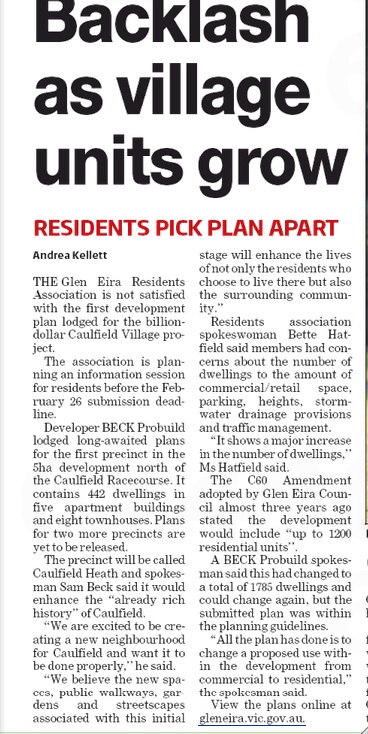
442 dwellings comprising 5 buildings and 8 double storey townhouses that are either 3 or 2 bedroom.
|
BUILDING |
HEIGHT |
ONE BEDROOM |
TWO BEDROOM |
THREE BEDROOM |
| 1A | 6 storeys |
29 |
27 |
1 |
| 1B | 6 storeys |
65 |
29 |
9 |
| 2A | 5 storeys |
36 |
24 |
0 |
| 2B | 4 storeys |
34 |
8 |
4 |
| 3A | 5 storeys |
88 |
66 |
14 |
| TOTAL |
252 |
154 |
28 |
THUS 58% OF PROPOSED NEW DWELLINGS ARE SINGLE BEDROOM! Only 28 dwellings (excluding the 8 townhouses) will be 3 bedroom apartments, equalling a paltry 6.45%!
How many of these little boxes will have direct sunlight is never clearly enunciated. Instead we have such qualifications as – Where possible, new dwellings have been orientated to achieve optimum solar access to balconies and internal living areas. We can only surmise that this means that most bedrooms will be devoid of natural light!
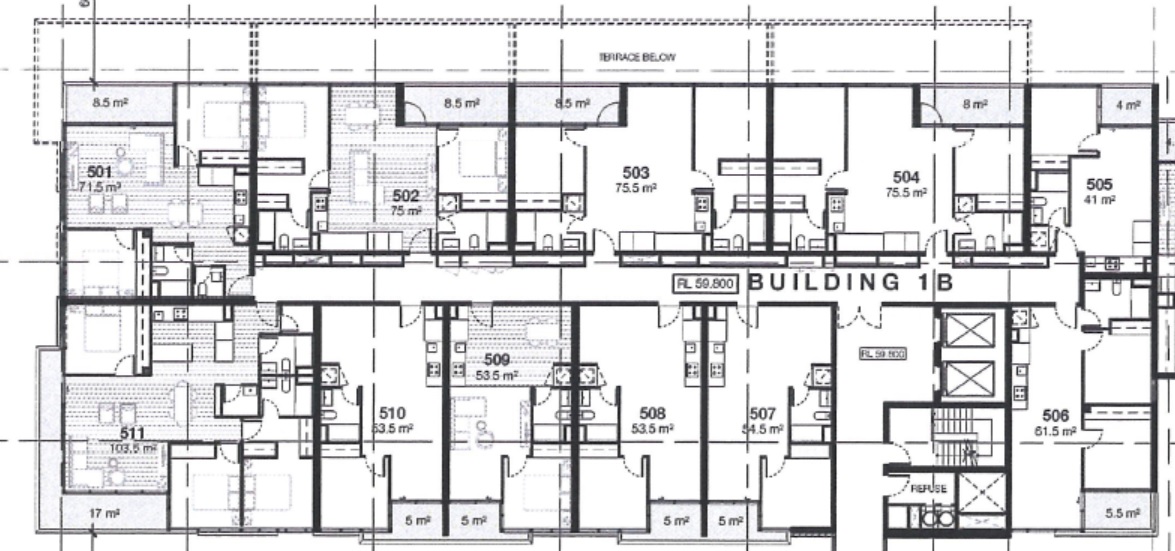
PS: For those with an eye for looking at plans, we’ve included a ‘snap shot’ from part of the Development Plan which is repeated throughout. Please note at the top right hand corner the size of apartment and the size of balcony – a miniscule 4.0 sq. metres. This should be read in light of the following Age article where the City of Melbourne is considering plans to ensure that apartments do not become chicken coops because of size and where London has enforced a 50sq.m minimum size for one bedroom places. See: http://www.theage.com.au/victoria/council-considers-minimum-floor-size-for-citys-shrinking-apartments-20130727-2qrhi.html
February 7, 2014
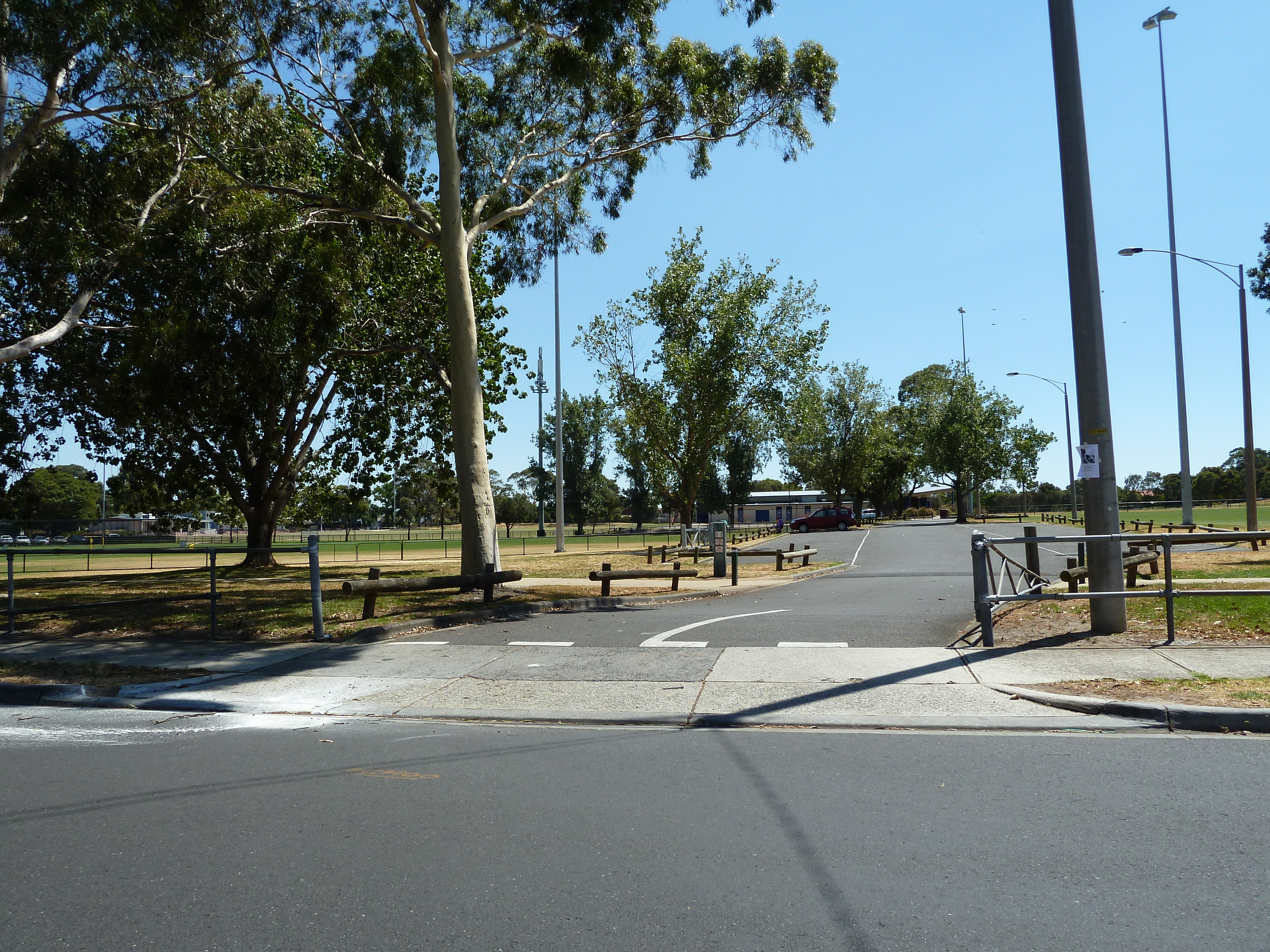
Another mature tree (if not more) is to go in order to make way for more concrete plinths and car park. This time at Princes Park. The cost to ratepayers (at this stage anyway) is $388,000+ according to the response to a public question at last council meeting.
We are not decrying the need for upgrades or improving areas that need it. What we are decrying is the potentially wanton waste of public money without justification. This section of Princes Park HAS been ‘redeveloped’ in recent times – a new pavilion, 3 new car parks, plenty of yellow brick roads, and ‘landscaping’.
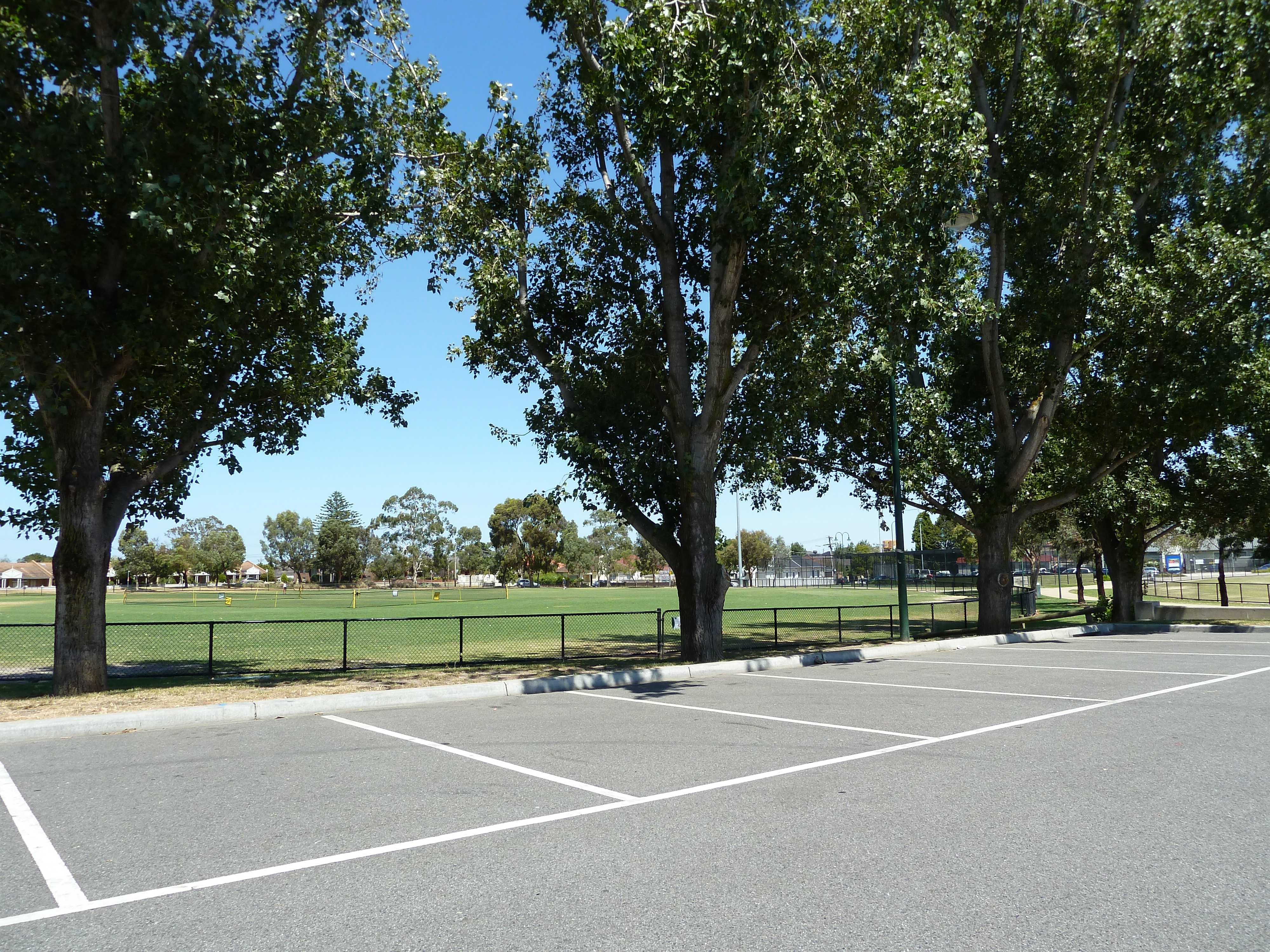
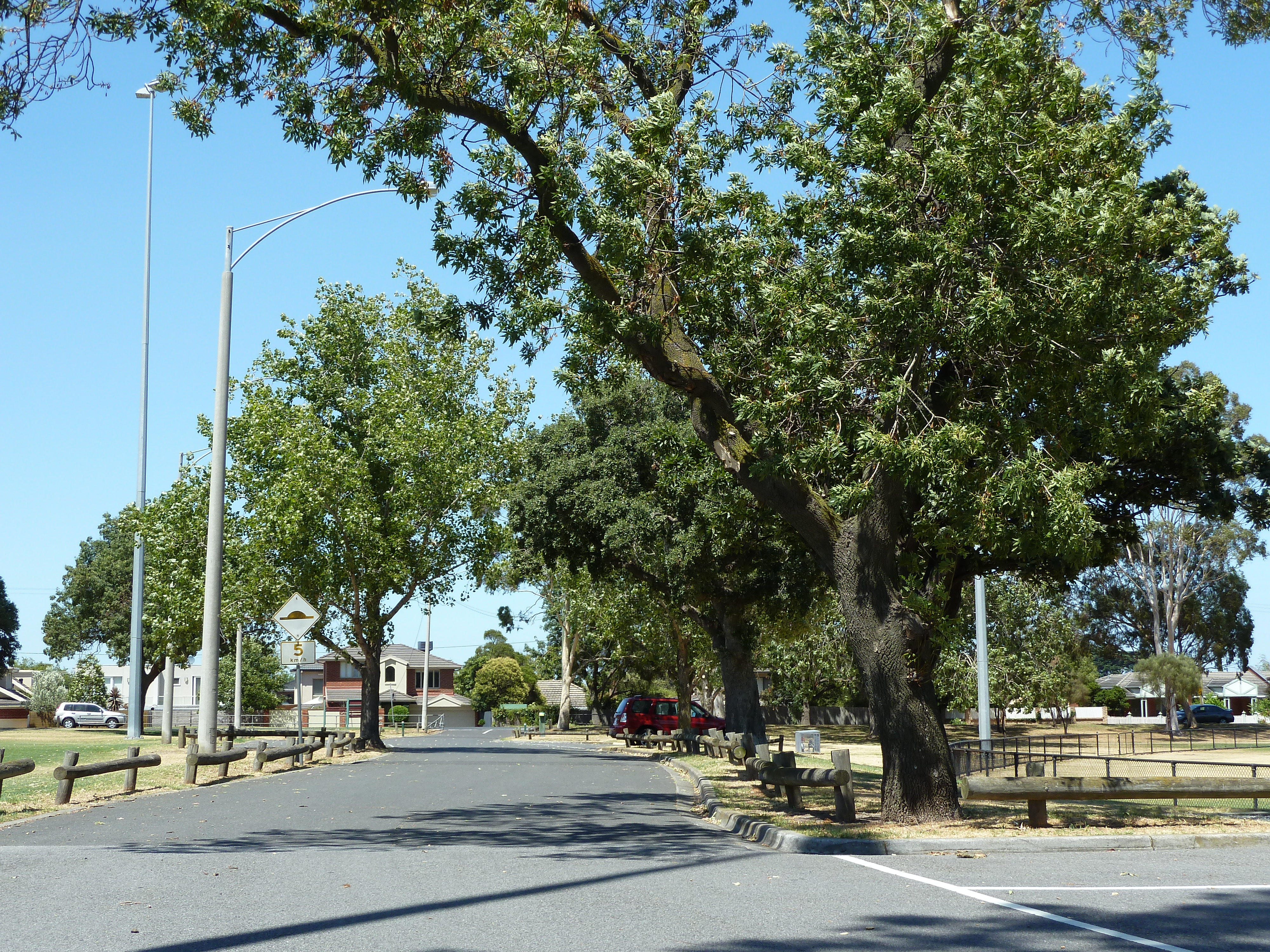
More importantly, anecdotal evidence suggests that this Dover St car park is never full – even on weekends when sport is being played. Residents have not been provided with any data that would support the potential expansion of the car park or its surrounds. What surveys have been undertaken? What monitoring has been done in the past 5 years? Where is there any quantifiable ‘evidence’ that ripping out more trees, and putting in more paths is ‘essential’? And if a new yellow brick road is about to appear parallel to the existing roadway, then what does this say about that recent argument of ‘safety buffers’ that justified the ripping out of countless trees in Caulfield Park, since the proposed new pathway will be running close to current sporting grounds. The arguments put up in defence of the Caulfield Park carnage would appear to be cancelled by what we assume is about to happen at Princes Park. And the final clincher, – how much further open space will be lost to bitumen, concrete, and car parks?
Nor does any of this explain why the public cannot be privy to ‘consultation’ and access to the actual plans or designs. Have councillors ever clapped eyes on the plans? Have they really done their fiduciary duty and considered whether such ‘developments’ are worth the cost, much less needed? Or have they simply bowed their heads and said ‘yes sir, whatever you say sir! How high should we jump sir’?
Here are some photos taken in the past few days of the area.
February 6, 2014
This post features the ‘discussion’ on visitor car parking and Esakoff’s motion. Readers should focus on part (c)
Crs Esakoff/Okotel
That Council:
(a) Notes the report.
(b) Acknowledges that each multi-dwelling planning permit application contains a different set of circumstances. Therefore, the provision of onsite visitor car parking must be considered on the individual merits of the particular application being assessed.
(c) Request further investigation in to pathways, such as fast track assessment processes, that encourage and promote provision of adequate, accessible visitor car parking, especially in areas where parking demand is already high and in growth areas in general.
The MOTION was put and CARRIED unanimously.
ESAKOFF: said that by inserting the extra clause in the motion that she ‘hoped’ to ‘encourage’ an extra pathway for ‘adequate and accessible visitor car parking’ – in particular in those areas where there is already ‘high demand’ for parking. Thought this meant ‘predominantly’ Carnegie and to ‘a lesser extent’ Bentleigh. Stated that parking rates are ‘discretionary’ and she thought that this motion was a ‘tool’ or a ‘mechanism to reduce building costs’ . Went on to say that if visitor car parking is provided at all then it ‘shouldn’t be in car stackers’ in basements, but ‘we’re seeing more and more of them’. Her aim was to ‘promote’ and ‘encourage applicants’ to work within the ‘pathway’ ‘similar to the way we offer the faster and more efficient’ fast tracks programs or ‘pre-certification process’ and this could be done ‘via a tick all the box system’ and these can then be ‘swiftly’ and ‘efficiently be processed through the planning department’. Would also cut ‘costs for developers’ such as ‘saving time’ and reducing ‘angst in neighbourhoods’ where these applications apply. In turn, this would ‘then prevent another delay at VCAT’. All of this would mean a ‘faster and more efficient process’ that would also have to adhere to other planning components. But she’ fear(ed)’ that ‘we are degrading our present liveable city’ into a ‘nightmare’ for people living near activity centres. Admitted that not all councillors would agree with her because they wanted to reduce cars in these areas and providing car parking doesn’t do this in their view. On this she said that this is likely to be ‘a very slow change’ and is something for future generations. So, ‘in the meantime we need to address the problem’. Activity centres have changed from ‘predominantly retail’ to now have many residential apartments, and restaurants and cafes that are ‘open to very late at night’ so ‘parking demands are long into the evening’. She thought that ‘they can only get worse and not better’. Her motion therefore was aimed at ‘attacking this from a planning perspective’ and to ‘provide adequate provision now’.
COMMENT
Please note how devoid of anything relating to residents is the above argument. How on earth the equivalent of a fast track system or similar will CHANGE the outcomes of more or less visitor parking remains a total mystery. Once again this council creates the illusion of concern for residents, but fails to attack the central problem – ie. not processes but making dramatic changes to the Planning Scheme, such as parking overlays, parking precinct plans, and creating sound schedules that become mandatory! It’s also illuminating that all of Esakoff’s little speech basically focuses on benefits to developers. Please also note that Esakoff is in favour of a ‘tick the box’ approach, when this has consistently been condemned by Hyams, for one, and overall Glen Eira policy statements!
OKOTEL: claimed that Esakoff had ‘covered all the points’ on the issue. Thought that it was ‘essential that we investigate pathways’ for visitor car parking especially since ‘we see more and more applciations’ in activity centres for waivers. ‘This is something that will continue to happen under our current policy’ so council needs to ‘pay attention now’ and if they don’t it will ‘possibly cause a lot of problems’ such as accidents from traffic and people ‘enjoying’ their ‘municipality’.
COMMENT: Okotel has unwittingly undermined Esakoff with her statement ‘this is something that will continue to happen under our current policy’. Exactly! Implicit in this statement is the acknowledgement that the Planning Scheme is a dud and however much tinkering there is with ‘process’, unless the Scheme changes, then all will stay the same!
SOUNNESS: started by saying that dwelling and ‘having a place to park’ cars are linked. Having somewhere to park is ‘common sense’. Said he recognised that there are ‘benefits’ and that it’s important to know whether there is an ‘excess’ of ‘demand over supply’. The advice that has come from Traffic Management to staff know how things ‘operate’ in other municipalities so having ‘more information’ is good.
PILLING: said that Esakoff was probably referring to someone like him when she spoke about opposite viewpoints. He thought that ‘by encouraging visitor car parking brings more cars’. Thought that having more cars in places like ‘Koornang Road’ and Murrumbeena Road only ‘exacerbates the problem’. Said that he would ‘vote in favour’ because ‘it’s always good to have more information’.
HYAMS: thought that people would be driving cars and hoping ‘that they would find somewhere to park’. Believed that developers should provide car parking that ‘at the least is recommended by ResCode’ instead of ‘trying to shift’ this onto streets and wanted to see developers ‘abide’ by this.
ESAKOFF: thought that ‘demand for car parking’ is going to creep into ‘our Minimal Change’ areas. Said that driving around ‘there’s very few car parking spaces left on the street’. Didn’t know if this is a result of more teenagers with cars or people ‘not using their garages’. Streets ‘are full now’ and ‘we’re going to be in a great deal of trouble’ if the problem ‘isn’t addressed now’. Admitted that there are other councils who aren’t providing any visitor parking but ‘they are predominantly inner suburbs’ and ‘what goes on’ in these suburbs is ‘not clearly what Glen Eirians want’. Went on to say that mothers with prams need to be able to park close to ‘where they’re going’ and this also applies to ‘the elderly’ and ‘the disabled’. Stated that there are ‘many reasons’ why people use and need cars. Hoped that ‘we can do something with this new pathway’ and that ‘it is a success’.
COMMENT
1. On the one hand Esakoff talks as if this nebulous ‘pathway’ is already in existence. Sounness and Pilling want ‘more information’. Yet, there is absolutely nothing in the motion that directs when or how, any ‘investigation’ and its ensuing ‘information’ will be (a) reported back to councillors (b) reported back to Council and a vote taken! Nor is there any clear direction as to exactly what is to be investigated – are we talking ‘supply and demand’? Area versus number of residents? Street availability for parking to accompany each application? And then what?
Conclusion? Another useless exercise in public relations reliant on vagueness and which still leaves plenty of room for backroom decision making. In the meantime, the central problem (ie Planning Scheme) remains untouched! Well done councillors!
February 5, 2014
This post concerns what happened at the final council meeting of last year (December 17th). In response to an earlier Request for a Report, the following motion was put and carried. We draw readers’ attention to the fact that Hyams, Esakoff and Lipshutz voted against the motion. We also highlight the fact that what purports to be the actual motion/resolution is NOT what Delahunty said. Two significant words have been omitted from 3 (a) and 3(b) thereby totally changing the outcomes and meaning of the resolution. The entire motion as presented in the now accepted and doctored minutes reads:
Crs Delahunty/Magee
That Council notes:
1. A further part of the process for the amendment of C60 is the consideration / approval of development plans which will involve further community consultation.
2. The first development plan has already been submitted to council and will be the subject of community consultation in early 2014.
3. The report sought to address the area surrounding the Caulfield Racecourse as a whole not just the area comprising C60 and as such further requests:
a. That the recent traffic study conducted on Queens Avenue, Caulfield East including the area around the Neerim Road intersection and the Sir John Monash Drive intersection,
b. That the recent traffic study conducted on Eskdale Road Caulfield East showing the impact, if any on the local street of the changed traffic conditions on nearby Kambrook Road; and
c. That any studies of pedestrian movement along Queens Avenue be examined for potential improvements to safety and accessibility.
4. That the Minutes of this Item incorporate the Resolution of 9 April 2013 in full and the Planning Conference held on 4 April 2011 in Attachment 2.
When Delahunty moved this motion she included in Clause 3 (a and b) the phrase “be provided”. In other words, Delahunty’s motion was asking that the traffic reports which have already been done be given to councillors, or possibly even be made public. By omitting these words from the minutes the entire resolution is exiled to some never-never land of inaction. Yet, not one single councillor at last night’s meeting commented upon this omission. We have to wonder if Delahunty herself would have asked that the minutes be corrected.
The full significance of all this becomes obvious when one follows the ‘discussion’ that took place on the motion and the pathetic and duplicitous arguments proposed by Hyams, Esakoff and Lipshutz. Here’s what happened:
DELAHUNTY moved motion. Magee seconded.
DELAHUNTY: stated that some traffic studies had been done in the ‘Caulfield East area’ and that ‘a number of residents have contacted’ her about the traffic and she doesn’t want to be ‘dismissive’ of these people. Said that she thought that residents need ‘actions now’ and that it’s ‘wise’ to understand ‘what might occur in the future’. Wanted this done in a more ‘informal discussion’ and ‘incorporated into community consultation’ and wanted the community consultation committee involved in this. For now, she just wanted that councillors ‘get more information about’ traffic studies on top of what was done in 2011.
MAGEE: Magee did not speak to the motion.
HYAMS: began by saying ‘it’s not so much the substance’ of the motion but the ‘timing’. Said that there would be lots of ‘changes’ to the area and that noone could say that they were ‘all right’ and that there were still going to be ‘a lot’ of changes in the next couple of years especially to the ‘road structure’ and that council had ‘put in’ a ‘lot of conditions’. Thought that all this ‘might be a bit premature’ and didn’t want to have ‘all this effort’ put into ‘producing reports’ when it could all be ‘out of date reasonably soon’. Conceded that it’s important to ‘keep an eye’ on things but wasn’t sure ‘whether this is really the time to do this’.
SOUNNESS: started off by saying that the C60 is ‘controversial’ and that residents were worried about what was ‘going to happen’ and how it was going to work. Said that the processes are ‘confusing to the community’ and therefore there was a ‘need for help to explain to the community’ what is happening. ‘It’s a process of being clear and transparent’ and that’s the role of council. Developers can work within their own area, but the changes and processes should be made clear. Thought that the motion was a ‘good way’ that ‘council does do its communication’ and that the community consultation committee would be ‘a very good place’ to explore all the options. Reiterated that this was ‘confusing’ and that there is ‘uncertainty, there is doubt’ and ‘Council has a role in trying to mitigate that fear’.
ESAKOFF: agreed with Hyams in that the motion is ‘too premature’.
LIPSHUTZ: agreed with Sounness that there was ‘angst’ in the community and although Delahunty’s motion is something that ‘should happen, but not right now’. Said that the ‘first step is to let the development plan come through’ so the community ‘can see’ what’s there. Only then should council ‘look at the whole precinct’. What’s happening now is that the motion proposes to look at roads without knowing what the whole precinct is going to look like. ‘When it does come in things may change’. Residents need ‘to know from an informed position’ and ‘doing it now is not an informed position’. ‘What we should be doing is allowing it to happen and then have consultation’ once the development plan is in so that then ‘everyone can become involved’.
PILLING: thought the motion had enough ‘merit’ for it to be passed.
DELAHUNTY: said that she had ‘changed what I originally wanted to ask’ as to whether there was an ‘additional work’ and there wasn’t because the traffic studies had already been done. Said that the motion isn’t asking for additional or any consultation but the methods of consultation are the focus. Wanted to ‘include the whole precinct’ and not just one area. Wanted to know how council or the consultation committee could ‘increase the scope’ of consultation. Wanted some ‘scope’ to ‘understand pedestrian movement’ along Queen’s Road because people had notified her about ‘safety’
MOTION PUT AND CARRIED – ESAKOFF, HYAMS, LIPSHUTZ VOTED AGAINST.
COMMENT
Residents should consider very carefully WHY Esakoff, Hyams and Lipshutz voted against a motion that requested information on traffic and parking. Their nonsense argument of ‘premature’ is an insult to the intelligence of residents. This is akin to saying ‘let’s wait til the tsunami hits and then see what our emergency plans are like’!!!! Utter rubbish! When the MRC proposes 2,046 units, with no provision for on site visitor parking, no real and plausible explanation of what is going to happen to the displaced MRC members’ car parks on race days, and when Monash is booted out of its current car parking arrangement at the racecourse and staff and students have nowhere to park, then residents have every right to ask that information is supplied BEFORE any of the disasters happen. Making matters worse, nothing in the MRC parking plan, and absolutely nothing from councillors, talks about the flow on effects of both parking displacements and the hordes of new residents congesting an already over-congested area.
Further, if council has actually done some traffic analysis of nearby streets then how can this be ‘premature’? The accompanying report states unequivocably that the Development plan was already in council’s hands. Hence, Lipshutz knows full well (if he bothered to read it) what the plan entailed. If by chance he wasn’t privy to it, then this is just another black mark against an administration that keeps its councillors (or some of them) completely in the dark until things are sufficiently ‘massaged’ and vital decisions are made on the basis of LACK OF RELEVANT INFORMATION.
Regardless of whether or not all councillors had clapped eyes on the Development plan by December 17th, any information that may shed further light on decision making must be available. Council will be deciding again in a piece meal fashion – development plan, by development plan. Who knows when the next Development plan for the second precinct will be forthcoming. But in the meantime, the MRC will already have ‘cemented’ the residential component of the project and the traffic mayhem will have been let loose on unsuspecting residents.
A truck could literally be driven through the gang’s arguments. Lipshutz wants to ‘wait’ for plans for the ‘whole precinct’. Somebody should tell him that the documents DO REVEAL the plans for the ‘whole precinct’ – however briefly! Also included in this first Development Plan are 3 documents relating to traffic management for the entire area. But, and this is a big BUT, the MRC have basically only looked at 4 streets and not Queens Ave, Sir John Monash Drive, Eskdale Road, etc. If council has done what the MRC ignored then this is crucial information that should be given not only to councillors, but provided to the public at large.
What Lipshutz, Esakoff and Hyams are in fact doing, in our view, is to push the MRC agenda. We have no idea when the subsequent development plans will be released. It could be years away, but in the meantime, the residential precinct will be underway and traffic chaos will ensue. And that’s what Lipshutz, Esakoff and Hyams are basically arguing for. Let’s wait and see they say. Our view is ‘forewarned is forearmed’. And once this particular development plan is rubber stamped by the gang, whatever follows will be too little, too late. The wheels will be set in motion and undoing what’s been done becomes an impossibility. You can’t undo something after the fact. Traffic analysis of all the area, especially those streets not included in the MRC development plans, are essential to decision making now. They are essential for the public to understand what will happen and will provide residents with the grounds for objections – that of course assumes that the council investigation is indeed ‘objective’ and honest. We have our doubts.
Governance overall continues to be a major problem. How many more times will minutes create fiction out of fact? How many more times will this councillor group allow inaccurate and distorted versions of what really occurred to enter into the formal record and thus aid and abet the continual rewriting of history?
But most important is the very fact that these three councillors are Trustees. This inevitably calls into question whether or not they really have the interests of residents at heart, or are basically MRC stooges. Remember, they and Newton are responsible for C60; they and Newton are responsible for setting up a Special Committee where 4 councillors (a minority!) decided the fate of thousands, and they are responsible for the failure to listen to the community. This latest incident is only further evidence of why their actions, their words, and their hidden agendas, require a full Royal Commission.
February 4, 2014
Both Lobo and Delahunty were apologies for tonight’s Council Meeting. Here are the lowlights:
Finally, and we will be making a major post on this tomorrow, the minutes were accepted without any correction. Needless to say, they are not an accurate or true reflection of a resolution that was passed on December 17th! Keep watching this space!
February 3, 2014
How many residents’/loading bay/visitor car parking spots has this council waived in the past few years? We wouldn’t be surprised if it approaches a thousand places given the rate of development that has occurred in Glen Eira. What all this means is that local neighbourhood streets are primarily bearing the full brunt of such dispensations. Heaven help residents who just happen to be living off any of the main shopping centre strips. They represent the immediate casualties.
We’ve decided to present some of the officer decisions on major developments for the life of this current council. All of these ‘recommendations’ were approved by councillors with a little bit of tinkering via conditions. Please note the:
1056-1060 DANDENONG ROAD CARNEGIE – 12 storeys, 173 dwellings, (13th November 2012)
264 car spaces proposed and Planning Scheme requires 276 (12 shortfall)
Council’s Transport Planning Department consider the planning scheme requirement of 3 parking spaces per 100 square metres of restricted retail floor area to be greater than the likely parking demand in this area. A parking provision closer to 2 spaces per 100 square metres is considered more appropriate (therefore a minimum of 32 spaces is required compared to the provision of 35 spaces for the restricted retail use component). It needs to be noted that non-compliance with a planning scheme car parking requirement does not necessarily flag a car parking shortfall for a particular site. This is because the planning scheme requirement is general in nature and the provisions are premised on a lower number possibly being acceptable having regard to the circumstances of a particular site. There is availability of on-street parking in the area for any overflow short term parking. In addition, the existing use of the site would have generated some demand for on street parking.
127-131 Gardenvale Road,Gardenvale – 4 storey building; 2 retail 12 dwellings (2 shortfall)
No visitor parking has been provided. The Planning Scheme requires 2 on site visitor car spaces as a “starting point” (1 space for every 5 dwellings) however this can be reduced or waived depending upon traffic evidence and local circumstances. On the one hand, Council’s Transport Planning Department has requested the provision of two at-grade visitor car spaces. On the other hand, the applicant’s traffic engineering advice suggests that no visitor car parking is required given the ability to accommodate this parking demand in the surrounding streets. On balance, a dispensation is considered reasonable in this instance” (27th November 2012)
483-493 GLEN HUNTLY ROAD ELSTERNWICK – 8 storey; 4 retail; 57 units (Shortfall 16)
In this case, a reduction in the visitor car parking requirement is justified. If sustainable transport modes are to be promoted, then a reduction in the visitor car parking requirement should be encouraged. It is considered appropriate to provide a modest level of visitor parking. However providing additional on-site parking for visitors will only encourage more vehicle traffic to an area which anecdotally has issues with traffic. It is also noted that a visitor parking rate of 1 space per 10 dwellings (as proposed in this case) has been supported previously in activity centre locations. Notwithstanding this, a shared arrangement could be incorporated with the 4 retail car spaces being made available outside normal business hours (achieving the 9 spaces suggested by Transport Planning).
(5th February, 2013)
451-453 SOUTH ROAD BENTLEIGH – 5 storey; a shop; 12 units (Shortfall 2)
No visitor parking has been provided. The Planning Scheme requires 2 on site visitor car spaces as a “starting point” (1 space for every 5 dwellings). However this can be reduced or waived depending upon traffic evidence and local circumstances. Council’s Transport Planning Department has not raised any concern with the lack of any on-site visitor car spaces. On balance, a dispensation is considered reasonable in this instance/ (2nd July 2013)
674 CENTRE ROAD, BENTLEIGH EAST – 3 storey; 2 shops; 8 units (Shortfall 3)
A total of 8 car spaces have been provided on site within two car stackers. A total of 8 spaces are set aside for the residential component (as required by the Planning Scheme) and no spaces for the retail component. No visitor parking has been provided. The Planning Scheme requires 1 on site visitor car space. Transport Planning also prefers that 2 retail spaces are provided on site (1 for each shop). However these spaces can be waived depending upon traffic evidence and local circumstances. On balance, waiving the visitor space and the retail spaces is considered reasonable. (24th September 2013)
2 MORTON AVENUE, CARNEGIE 6 storey; 40 units; 1 shop (Shortfall 7)
The proposal generates a parking requirement of 49 car spaces. The proposed provision of 42 car spaces provides the required car parking rate for each of the dwellings (and provides an extra car space for one of the dwellings) but seeks to waive 7 visitor car spaces and the shop car space. The applicant is also seeking to waive the requirement for a loading bay for the shop. With the current permit, the waiving of 1 required visitor car space for the dwellings and the waiving of the loading bay for the shop were allowed. One car space was provided for the shop. It is considered satisfactory in this case to waive the parking and loading bay requirements for the shop given its small size, even in the enlarged form anticipated through the conditions addressing urban design issues. However, it is considered that at least 2 car spaces should be provided for visitors to the dwellings. This would necessitate the installation of a larger car stacker system.
It is noted that there is one visitor car space for the proposed 38 dwellings on the adjoining site to the east at 3 Morton Avenue. The primary justification for a reduction in the number of visitor car spaces is the availability of vacant spaces within on-street and public car park areas. Additionally, a note will be included to prohibit future residents from obtaining resident and visitor parking permits with a condition stating that the owner is to inform residents about this limitation.
(COMMENT: the argument that visitor car parking cannot be provided via stackers, has gone out the window on this application. Again, so much for consistency!) (6th November 2013)
730A CENTRE ROAD BENTLEIGH EAST – 5 storey; 29 units; ‘food and drink premises’ (Shortfall 6)
Car parking has been provided for the residential component only (one space per dwelling). Given all dwellings are one or two bedrooms, this complies with the Planning Scheme. However a waiver of car parking for visitors and for the food and drink premises has been proposed. Council’s Traffic Engineering Department has reviewed the proposal and consider at a minimum three car spaces for the visitors and nine car spaces for the food and drink premises should be provided.
A recommended condition will require minimum car parking rates as follows:
1 car space per dwelling (one or two bedroom)
9 car spaces for the food and drink premises
A minimum of 3 visitor spaces (December 17th 2013)
677-679 Centre Road BENTLEIGH EAST – 4 storey; 10 units; 2 shops (Shortfall 2)
No visitor parking has been provided. The Planning Scheme requires 2 on site visitor car spaces as a “starting point” (1 space for every 5 dwellings). This can be reduced or waived depending upon traffic evidence and local circumstances.
Council’s Transport Planning Department has not raised any concern with the lack of any on-site visitor car parking. On balance, a waiver is considered reasonable in this instance given
(17th December 2013)
February 1, 2014
Agenda item 9.4 on Visitor Car Parking says it all in the following recommendation:
…..each multi-dwelling planning permit application contains a different set of circumstances. Therefore, the provision of on-site visitor car parking must therefore be considered on the individual merits of the particular application being assessed.
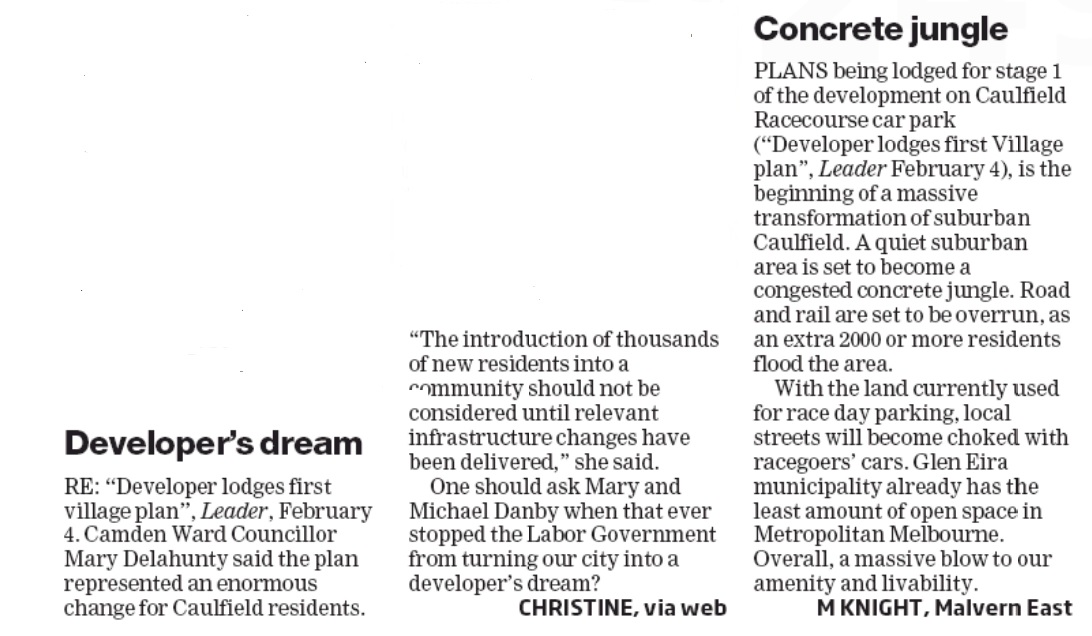
For eons this has been Council’s official line on most policies or strategies. It does, however, beg the central and most vital question – what’s the point of having any standard, policy, plan, strategy, if that standard is not applied? The answer of course is dead simple. Council does not want to be ‘tied down’ with something that could potentially limit development. That’s also why there has never been any attempt to implement sensible Parking Overlays throughout the municipality (except for the ‘gone missing’ C99 for student housing) or even Structure Plans that address parking in a comprehensive and analytical manner. And that’s why council will probably accept the Caulfield Village development plan where NOT ONE SINGLE VISITOR CAR PARKING SPACE has been assigned for 442 dwellings!
Akehurst’s arguments are worth looking at in detail. There is the usual point about ‘mandatory’ versus ‘discretionary’ parking rates and how council is ‘powerless’ under such circumstances where VCAT is the single ‘villain’. But as councillors themselves have repeatedly stated – why should VCAT enforce the standards when council on its own repeatedly whittles away at those very standards? Esakoff remember, recently settled quite happily for 3 visitor car parks, when 5 should have been demanded.
Akehurst then presents the bogus argument of a 40 seat restaurant and its need for 16 onsite parking spots. What is not disclosed is that if this same restaurant had a parking overlay assigned, then the rate would be 3.5 car parking spaces for every 100 square metres of leasable floor space instead of the 0.4 ratio! And besides, most problems are not the result of restaurants, but residential over-development! It’s a pity that Akehurst doesn’t release any figures on how many units have been built and how many potential parking spots have been waived by this council and its failure to insist on its own policy!
Much is made of VCAT decisions and the reliance on ‘evidence’. We would also love council to rely on ‘evidence’. Unfortunately most VCAT decisions feature council actively supporting car parking waivers with very little quantified data presented by council’s advocate: Some recent examples:
Further I note that on-street parking is available along Centre Road and Grey Street at peak visitor times (i.e. non –business hours) that the Council is satisfied is sufficient to meet demand. (http://www.austlii.edu.au/au/cases/vic/VCAT/2013/2067.html)
I also agree with Council that one car space for each shop is appropriate. The shops have a floor area of around 50 sq m. (http://www.austlii.edu.au/au/cases/vic/VCAT/2013/1791.html)
…the proposal has a shortfall of two car parking spaces for visitors. Condition 1(j) requires the provision of one car parking space for visitors to be provided within the basement car park. This reflects a position of Council that some waiver of parking may be acceptable. (http://www.austlii.edu.au/au/cases/vic/VCAT/2013/1713.html)
Whilst other councils undertake thorough local analysis in order to introduce Parking Precinct Plans, or Structure Plans, Glen Eira does nothing. We doubt that council even knows how many street parking spots are available in its Activity Centres, much less in other zones. Akehurst’s report is true to form for a council that has consistently failed to enforce its own plans and is reluctant to put in place any strategy which will ameliorate the impact on local amenity – especially if it means that development may be somewhat curtailed.
January 31, 2014
In typical piecemeal fashion, another Amendment is up for discussion at next week’s council meeting. It involves ‘non-residential uses in residential areas’. Granted that with the new residential zones, there are some changes – ie businesses may set up within 100 metres of a designated activity centre without permit requirements depending on size, etc. Much is still the same however. What therefore needs to be seriously queried is:
We’ve done what we’ve done in the past – compared the proposed new version with the old. It should be obvious to even Blind Freddy that what this administration now proposes is to expand development and business ‘opportunities’ in residential areas at the cost of local amenity, environment, traffic, parking and all the other components that go into sound planning. For starters, here are just a few of the sentences which have now been dropped completely from the proposed amendment – followed by the more important changes via the table.
Stormwater runoff directed into garden areas to reduce watering and demand on drainage infrastructure
To maintain and protect any dwellings/buildings of historical/cultural significance
To ensure that adequate provision is made for appropriate on-site parking for all non-residential uses
To maintain the garden character of the neighbourhood
Car parking facilities not dominate the development or street frontage
|
CURRENT PLANNING SCHEME |
PROPOSED AMENDMENT |
| Objectives
To encourage the development and location of new non-residential uses in areas which are compatible with the residential nature of the area and comply with orderly and proper planning principles. REMOVED ARE THE FOLLOWING important clauses –
|
Objectives
To encourage the development or extension on non-residential uses, in suitable locations which comply with orderly and proper planning principles. |
POLICY
|
INSTEAD THERE ARE THESE QUALIFIED STATEMENTS –
Ensure that the streetscape character of the neighbourhood is respected and maintained, particularly in terms of building height, length, location, setbacks (front, side and rear), front fences and appearance. Retain existing dwelling stock, where practical, and any associated extensions/alterations maintain or enhance its residential character. |
| Performance measures
Do not exist in current version |
PERFORMANCE MEASURES
Any buildings are not greater than mandatory maximum height specified in the relevant residential zone applying to the subject land. (note: does this now mean that a 3 or 4 storey medical centre may be built in a GRZ or RGZ zone?) |
| LANDSCAPING
The retention of any significant trees or landscape features be a high priority in the design |
LANDSCAPING
Retain any high priority significant trees or landscape features within the design where possible.
|
| GENERAL AMENITY
The developments not overload the capacity of public infrastructure |
THIS IS MISSING IN PROPOSED VERSION |
| SET BACKS/CORNER SITES
Buildings proposed fronting the long side of a corner site have a side street setback of 3 metres
Where car parking areas abut residential dwellings, and adequate landscape buffer (suggested width of 1.5m) be provided and be heavily planted with large shrubs and trees. |
The planning scheme for corner sites now states –
The same distance as the setback of the front wall of any existing building on the abutting allotment facing the side street or 2 metres, whichever is the lesser.
Where car parking areas abut neighbouring residential dwellings, an adequate landscape buffer (minimum width of 1.0m) be provided and be heavily planted with large shrubs and trees. |
| HOURS OF OPERATION
Mon-Friday – 8.30am – 6.00pm Saturdays – 9.00am – 1.00pm Sundays/Public Holidays – Closed |
HOURS OF OPERATION
Mon- Friday – 7.00 – 6.30pm Saturdays – 8.00am – 6.00pm Sundays/Public Holidays – Closed |
January 30, 2014
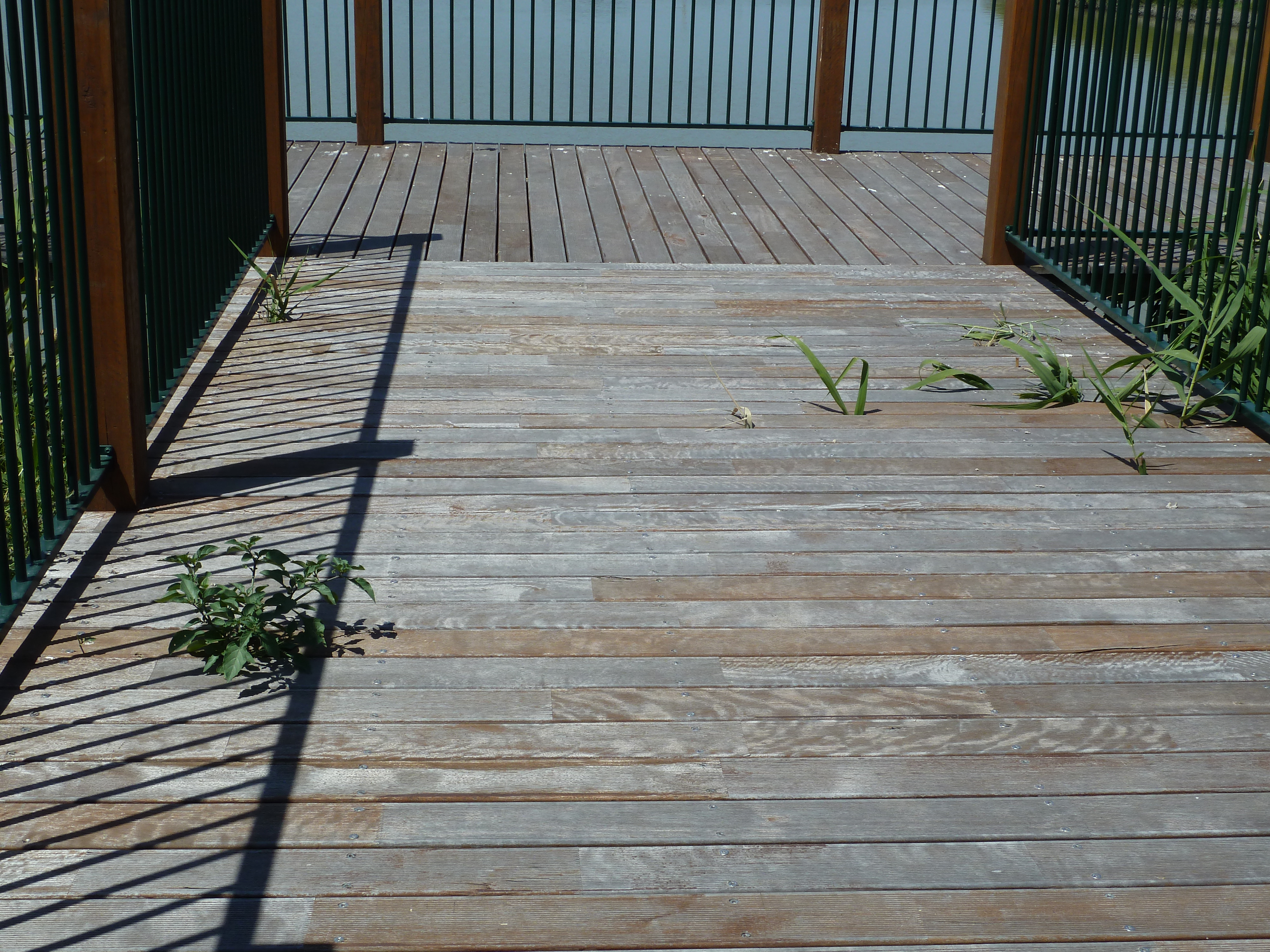
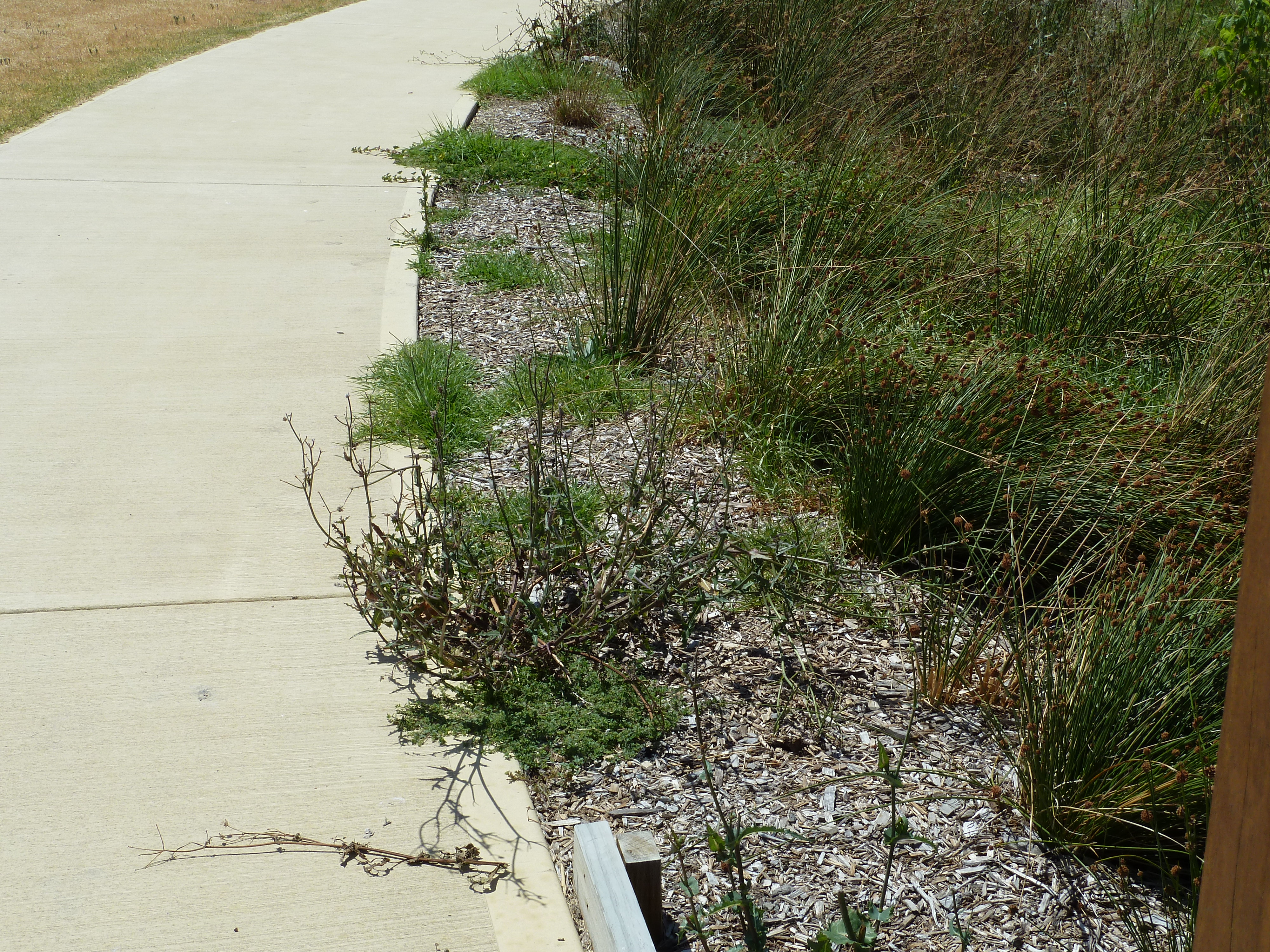
We paid a visit to the centre of the racecourse (aka ‘The Wasteland’) this afternoon in order to check up on some emails we’ve received regarding the state of the upkeep of this land. What we found confirmed what residents had been saying:
So much for the ‘Agreement’; so much for proper maintenance, and so much for Council supervision and possible breaches of the Health Act!