Councillor Performance


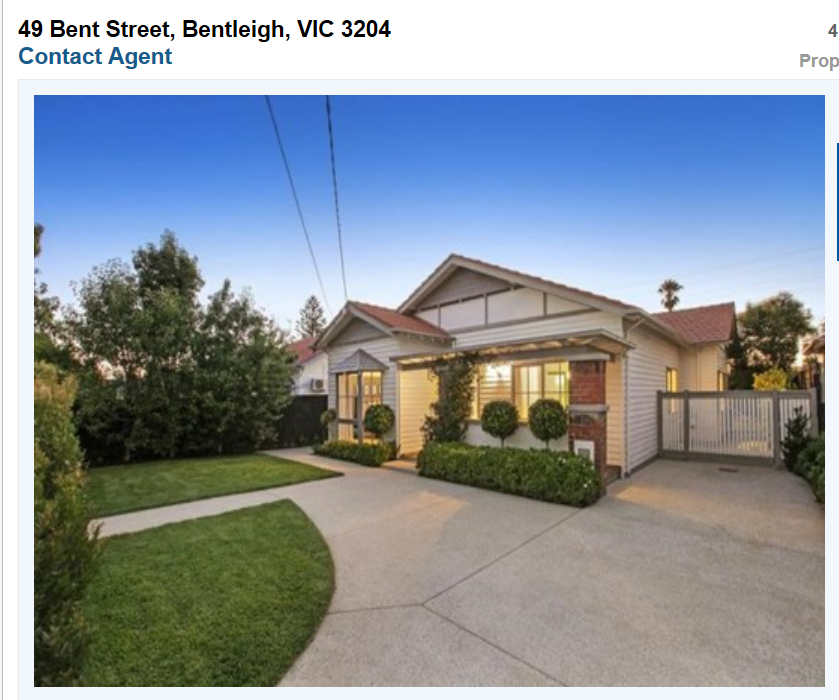
bent

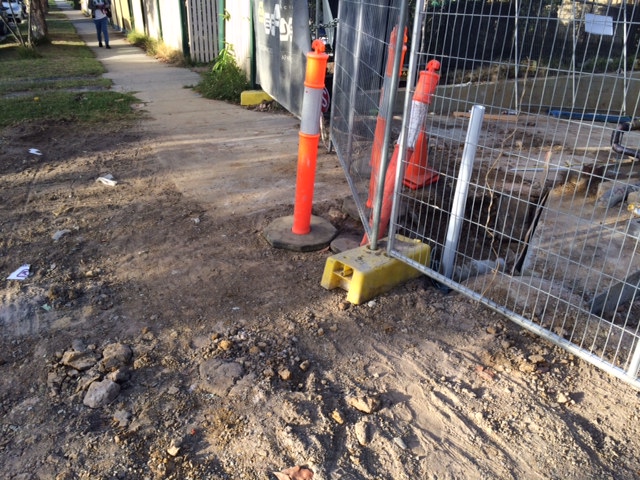
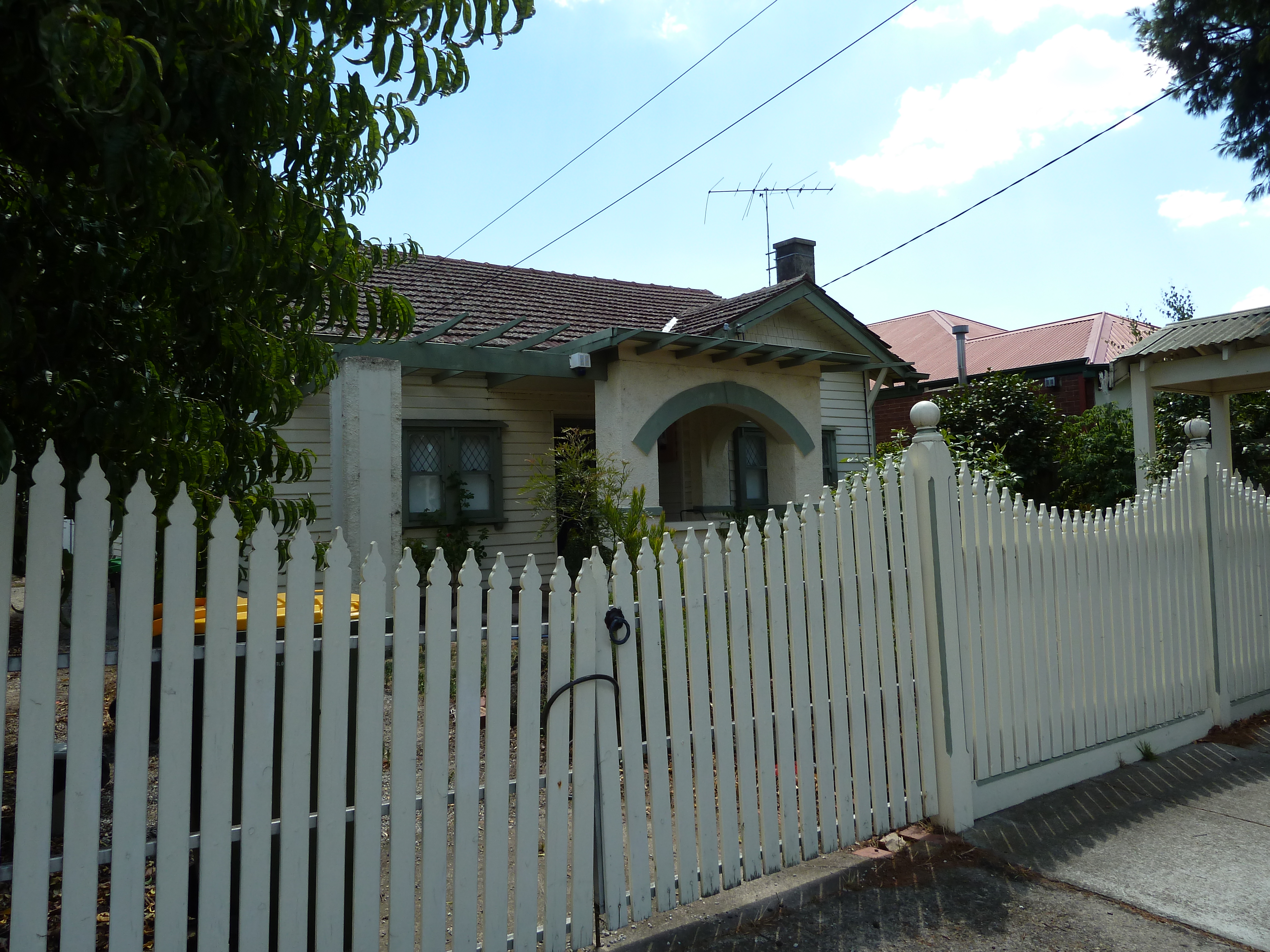
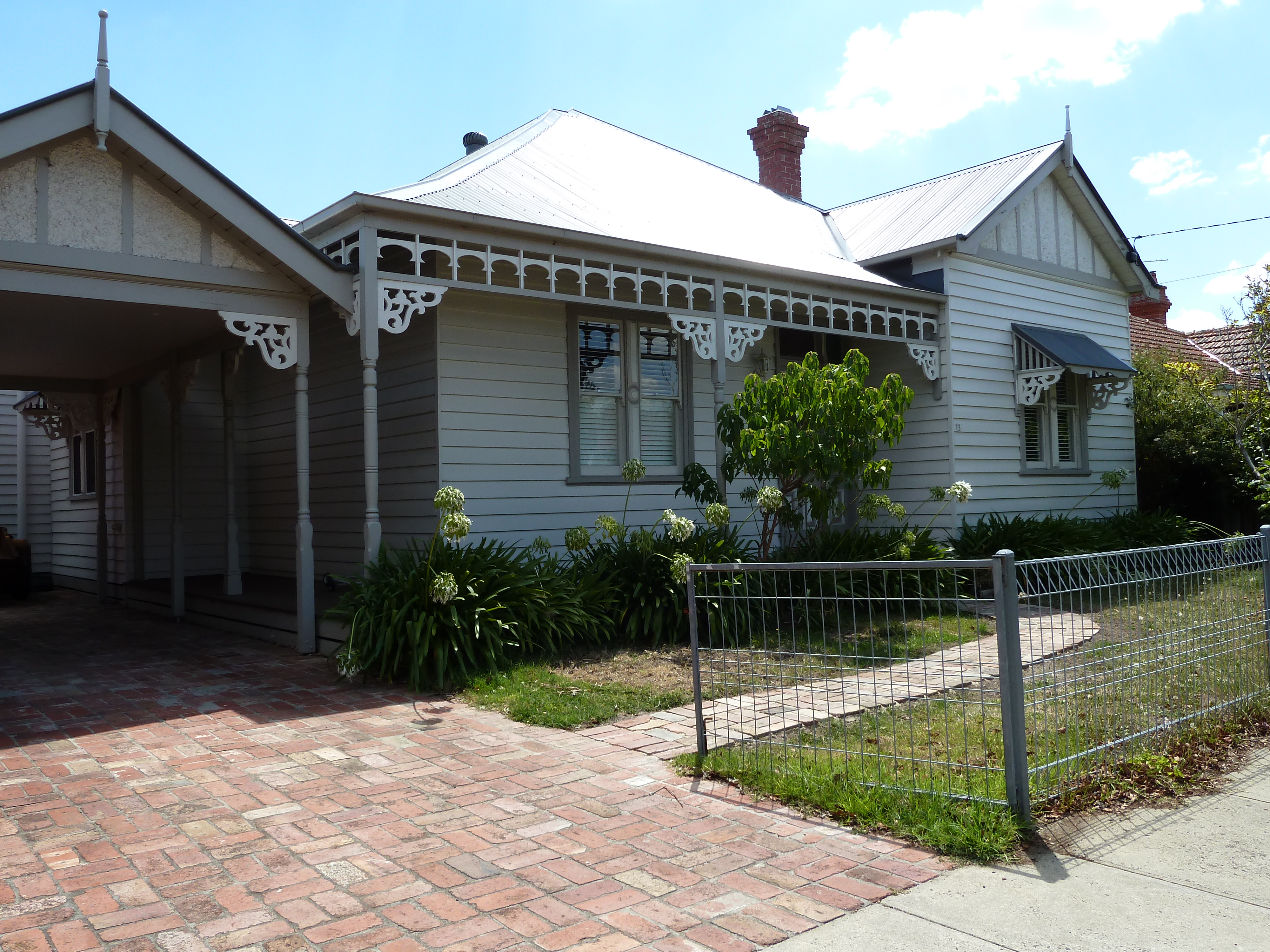
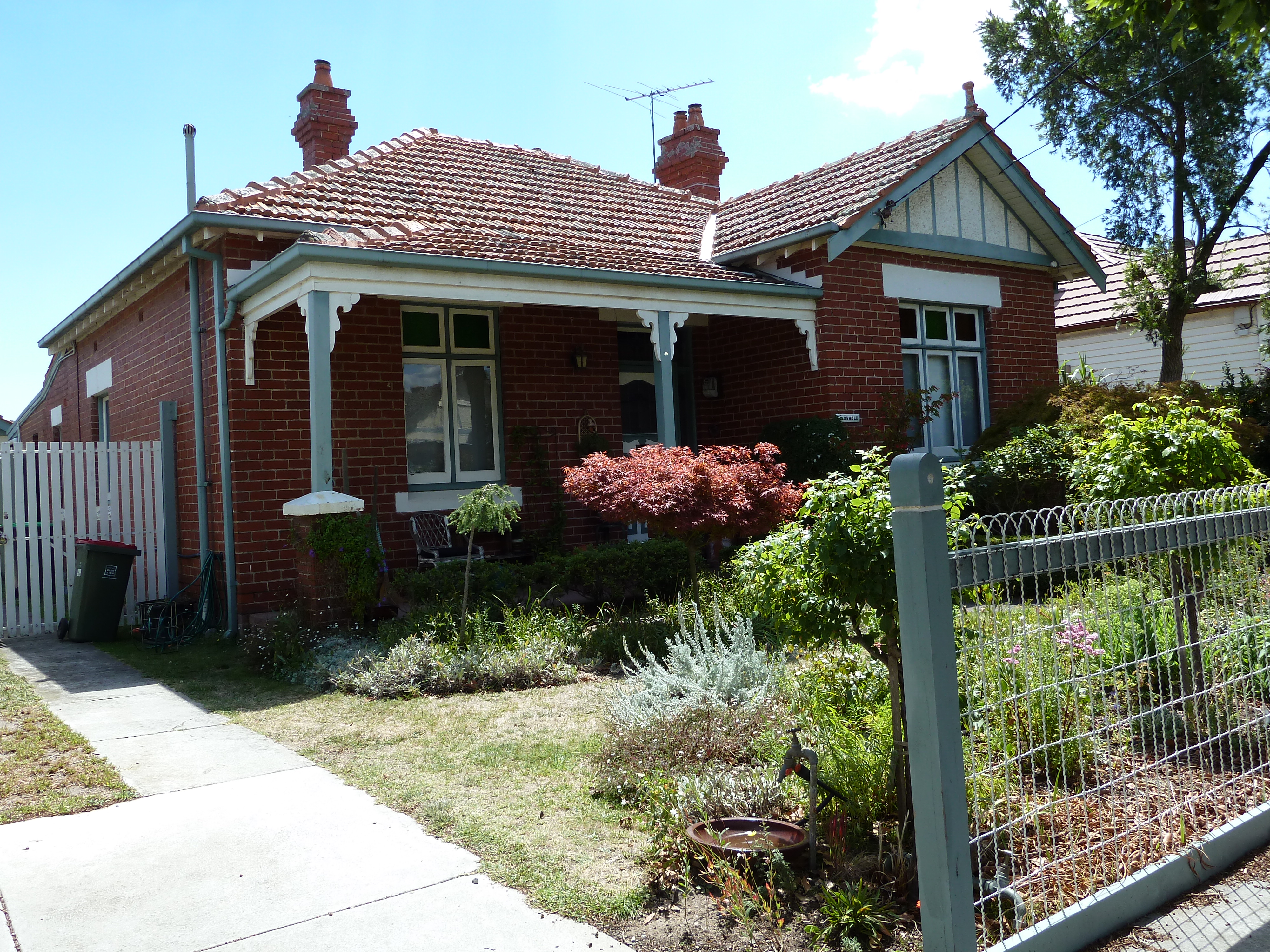
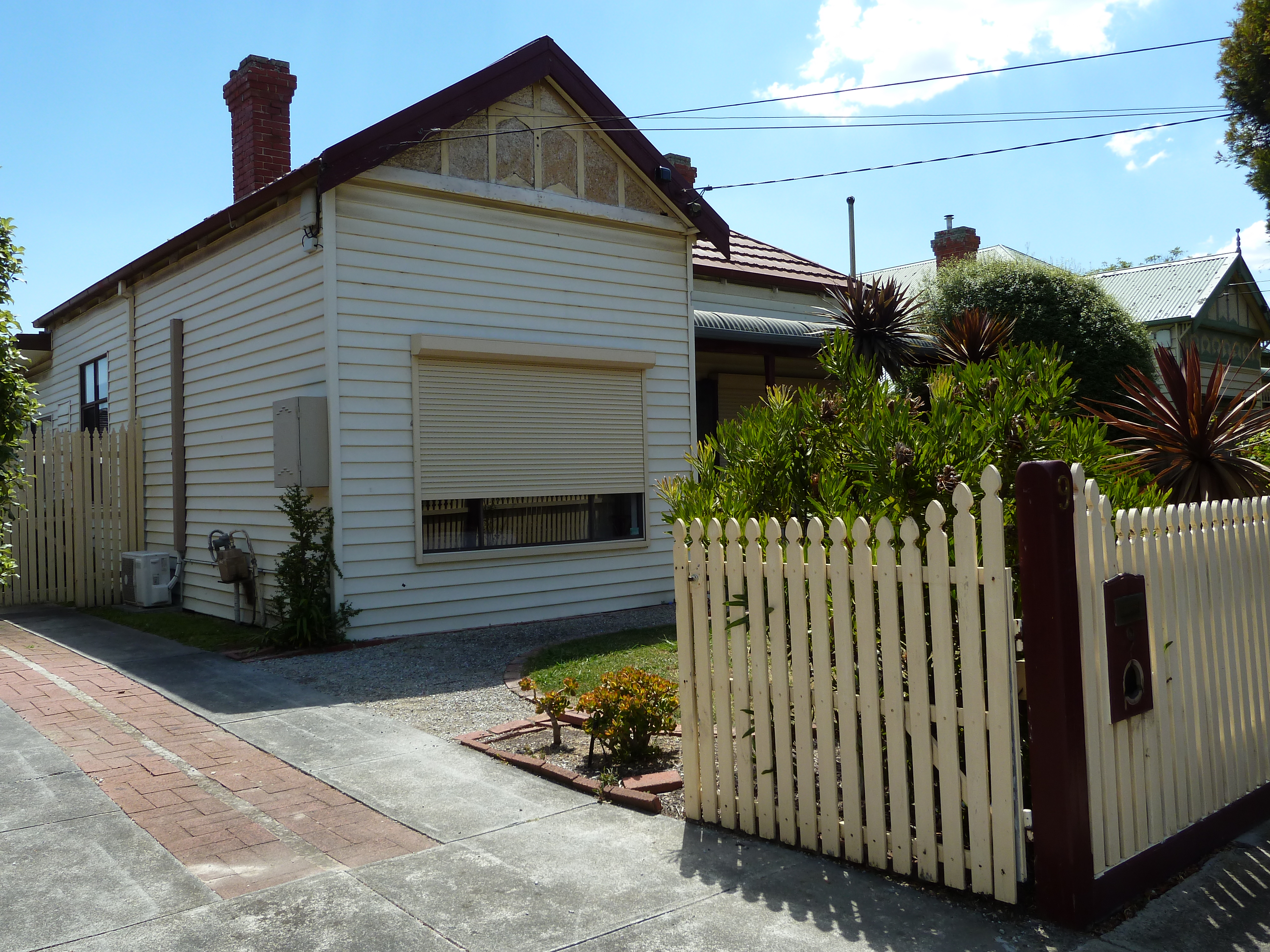
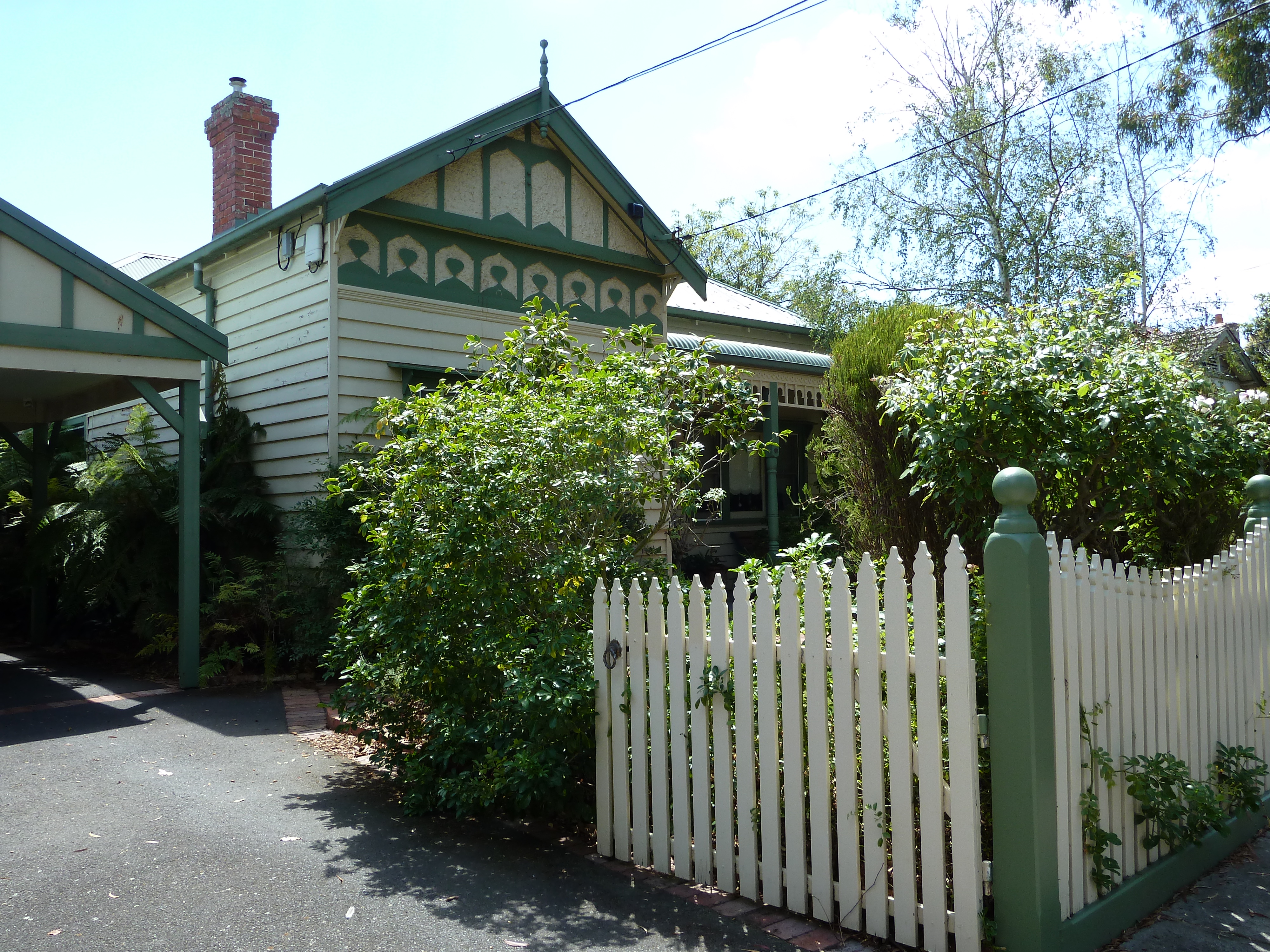
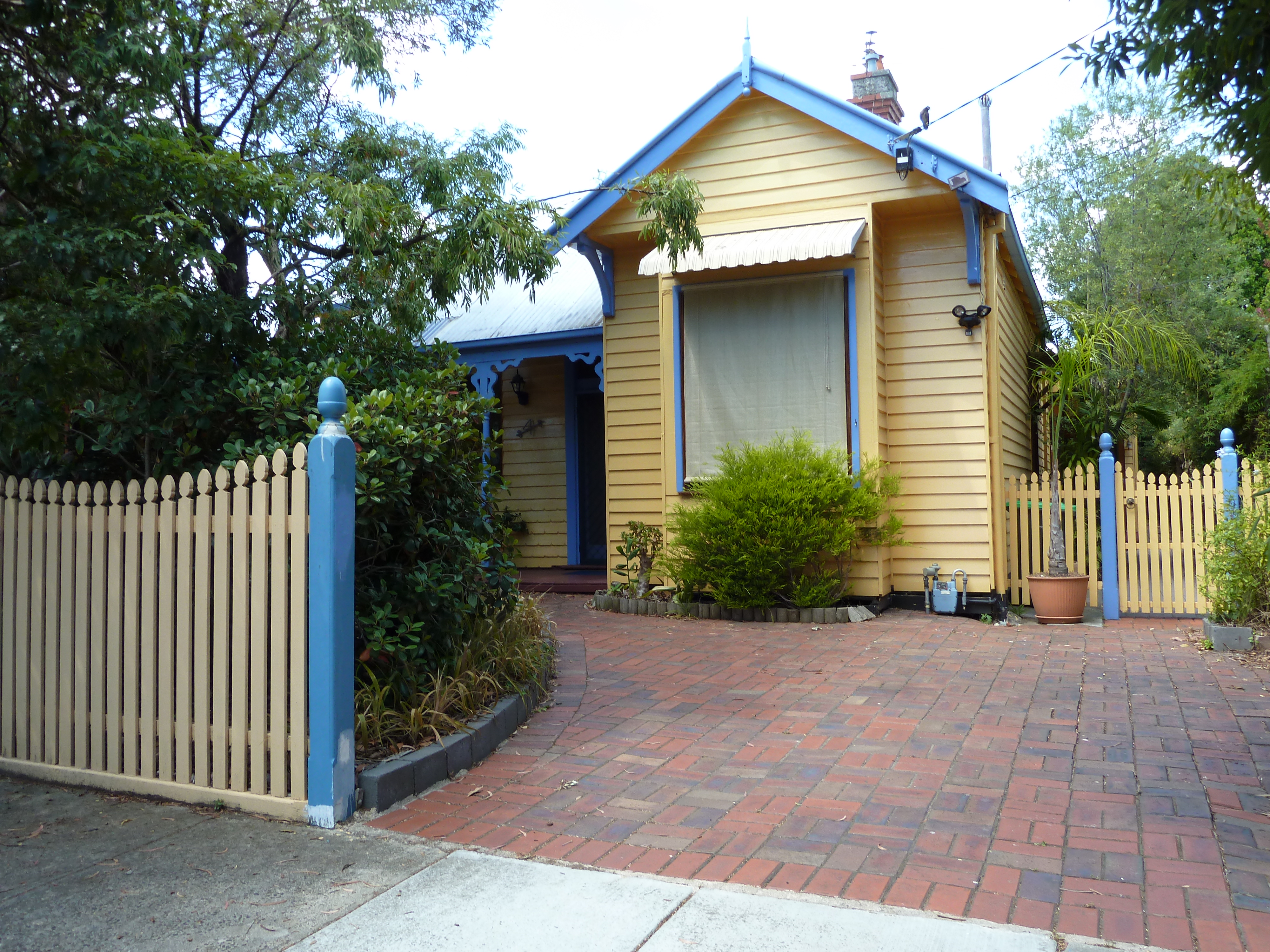
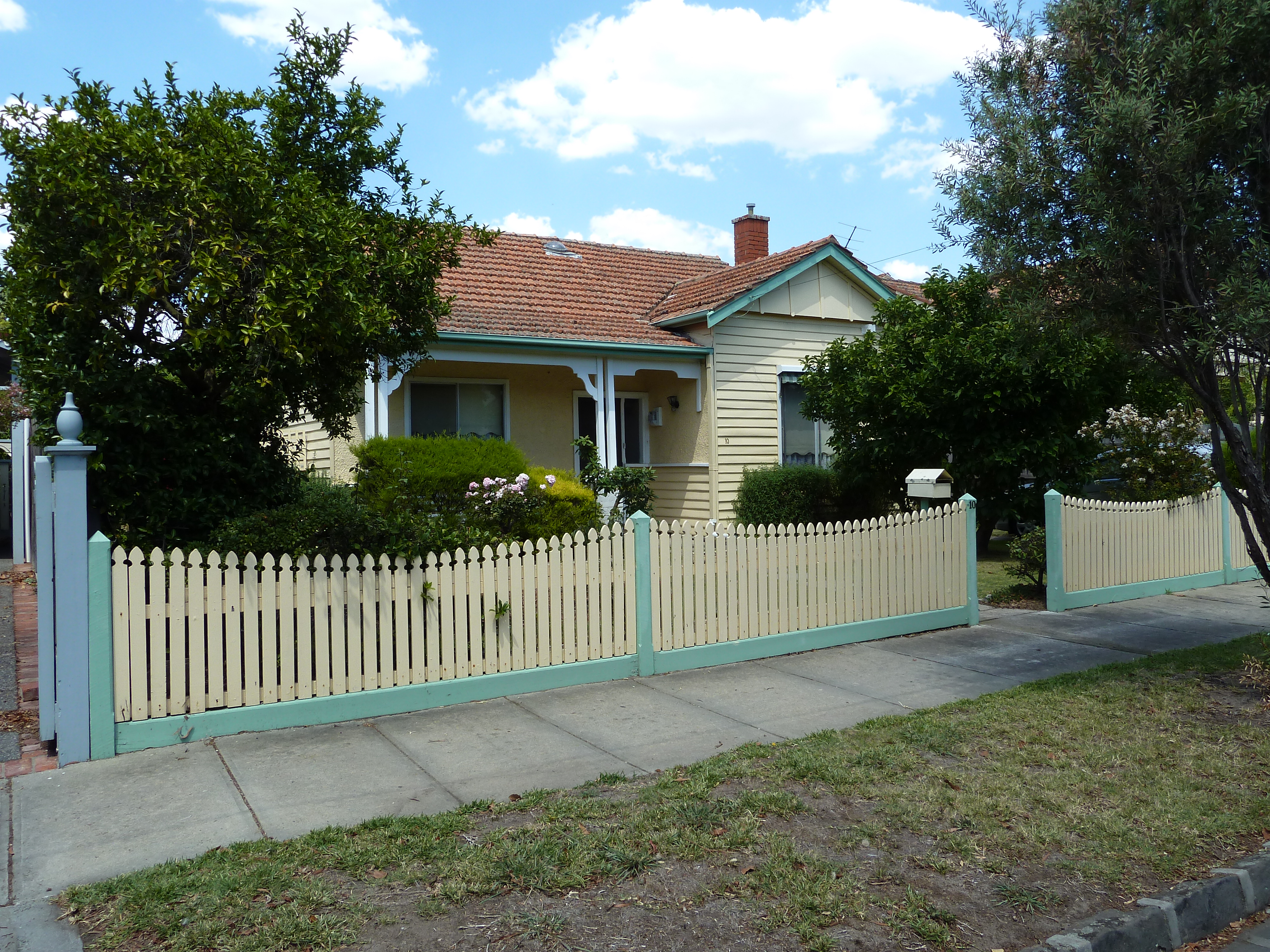
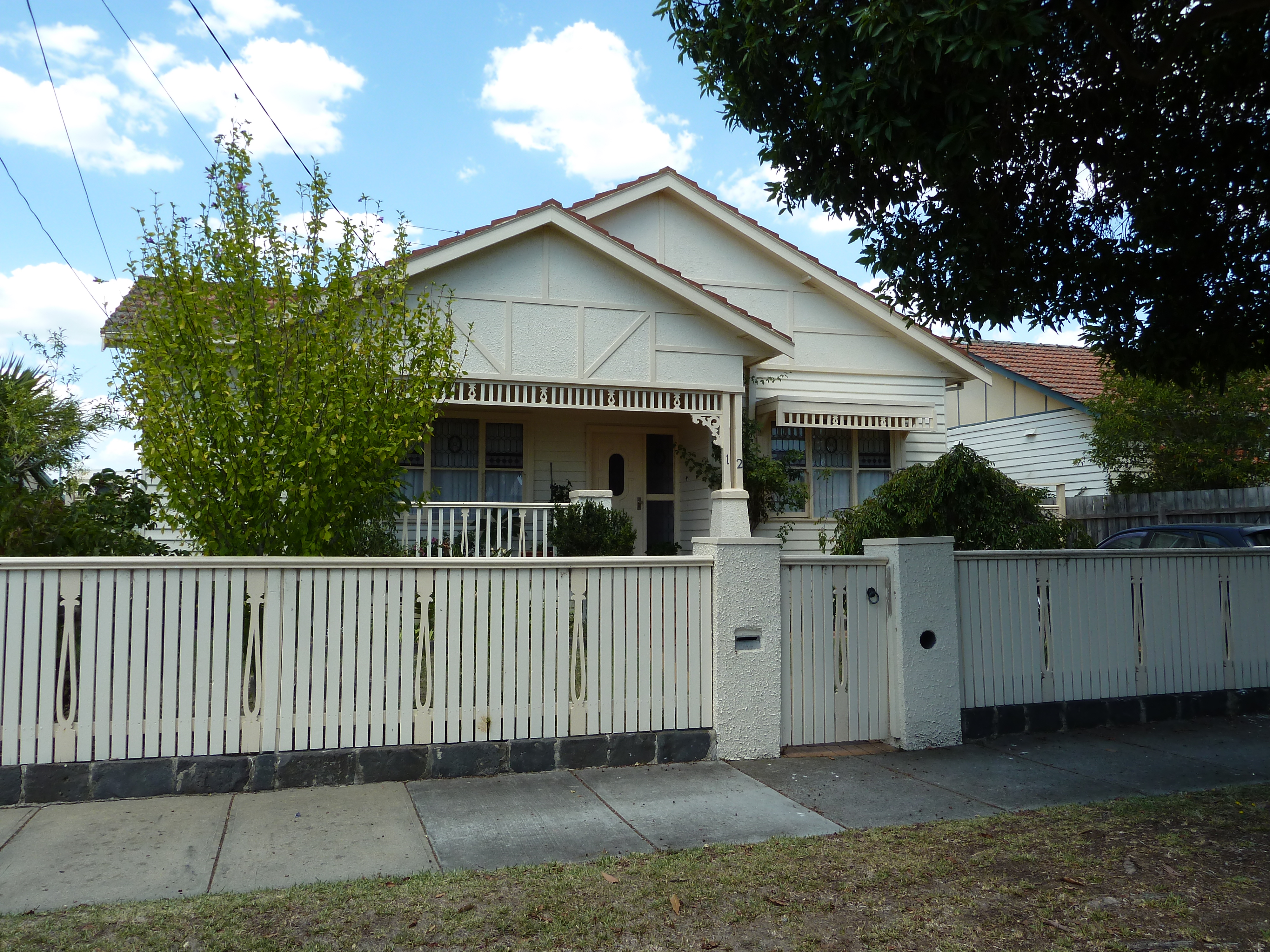
On paper this property is ‘protected’ by the new zones. It is in the Neighbourhood Residential 1 category. Safe, allegedly, from multi storey, multi unit development. The reality is quite different. We do not know the reasons why this owner has decided to sell, but we assume that he is getting out whilst the going is good – given the disaster that has been wrought on Bent Street via the new zones.

Here’s the big picture:

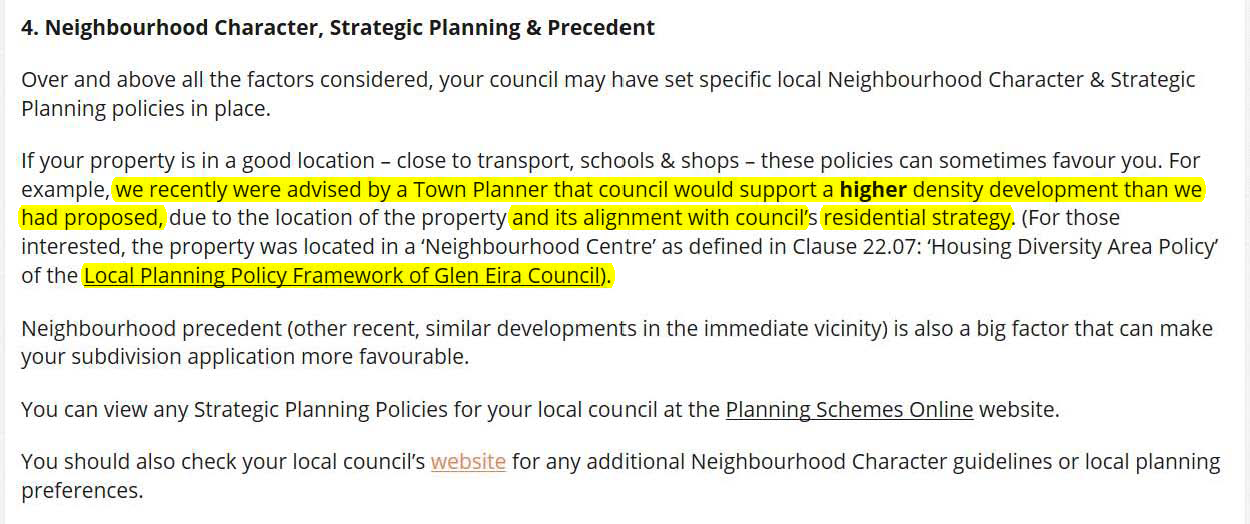
  • More than half of the properties in Bent Street are zoned Residential Growth Zone (RGZ1)
  • About a third are zoned General Residential Zone (GRZ1)
  • And that leaves this and another 20% or so, stuck in the middle with council pretending that they are ‘safe’, and that what is happening around them will have no impact on their lifestyle and amenity.
  • Some of the streets highlighted below even have Heritage Overlays, but still zoned as ‘ripe’ for development. Only Field and Exhibition are covered by Significant Character overlays.

Here is how Bent Street is zoned –

Untitled

We urge readers to carefully consider the quality of the arguments presented by each councillor in the following report. It concerns the 5 storey application for 18 units in Hawthorn Road, Caulfield North. We have previously commented on this in relation to an earlier application across the road and which was rejected outright. See: https://gleneira.wordpress.com/2015/02/03/wheres-the-consistency/.

Worthy of note:

  • Hyams’ selective presentation of the ‘facts’ – only to be shown up by Okotel and Esakoff
  • Lipshutz’s continued contrariness – supports, then rejects. Perhaps Lipshutz should have a read of Moreland’s current submitted amendment where they are seeking a building design/environmental sustainability amendment and are not waiting for any ‘building code’.
  • Delahunty’s wild claims of ‘affordability’ and anecdotal/personal evidence as the rationale for car park waivers. Where is the quantified council traffic assessment?
  • Sounness’ implication that living near an already overcrowded park and along a tramline is justification for allowing what Lipshutz called ‘dog boxes’
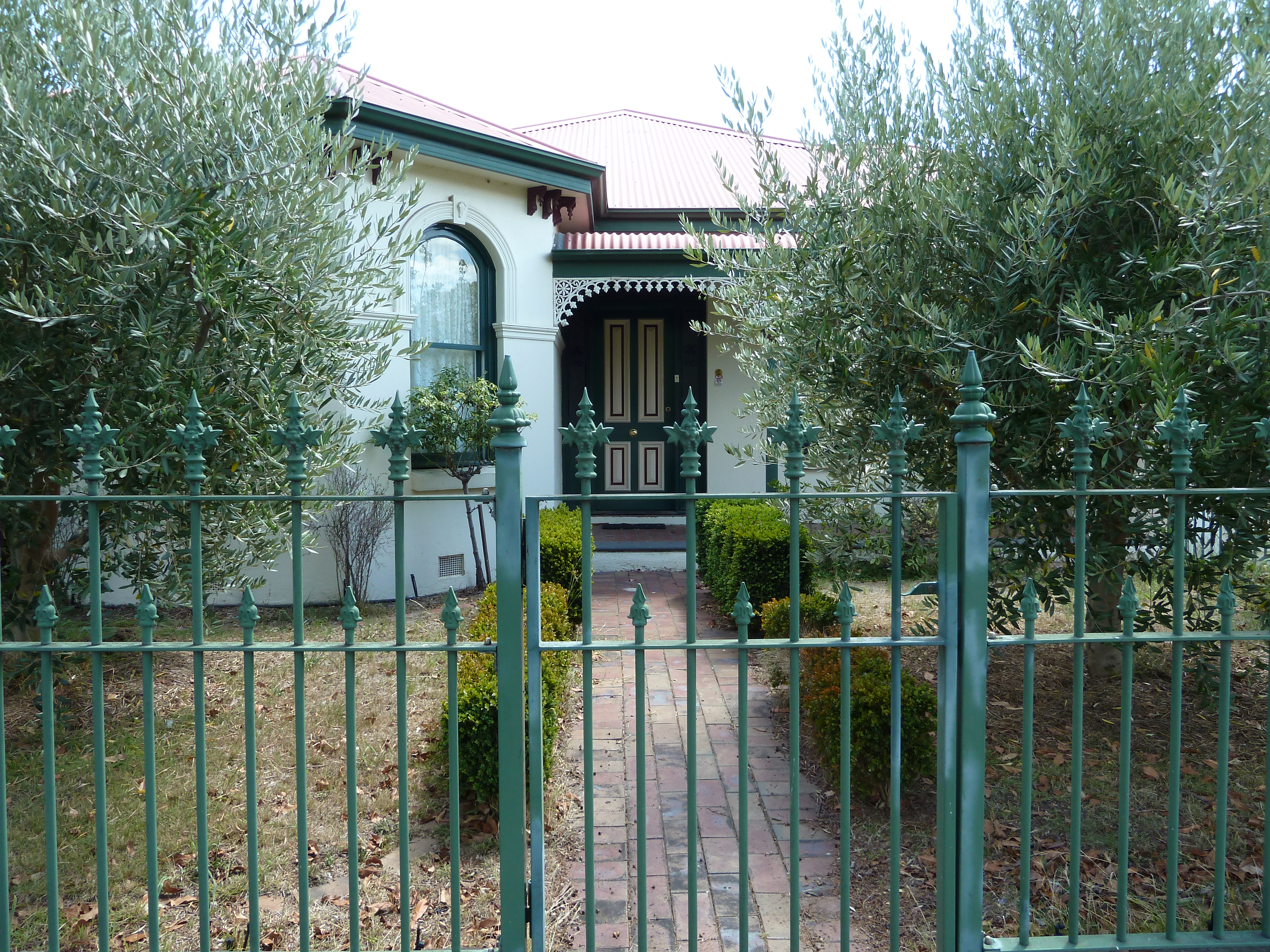
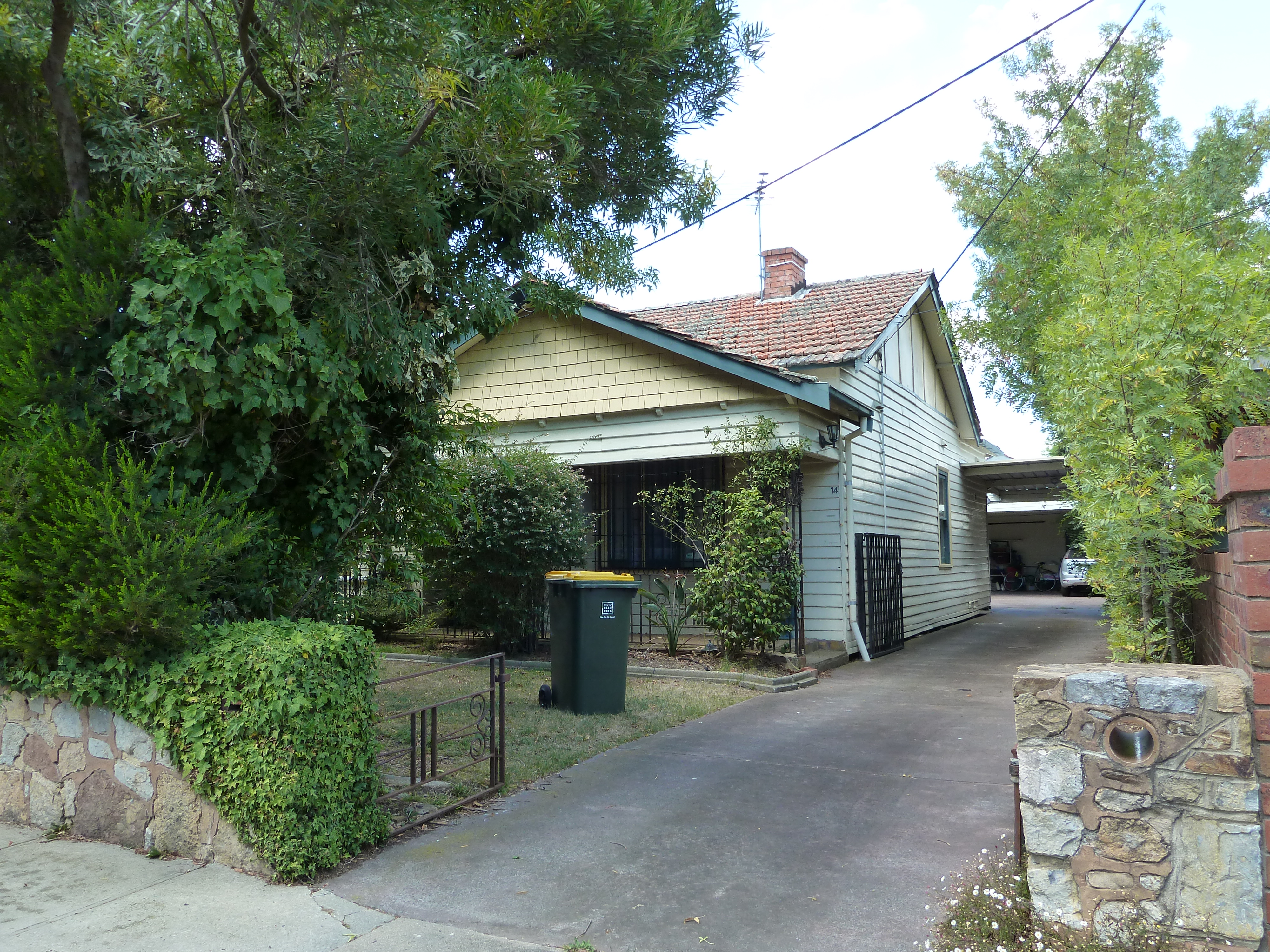
  • There’s also the question of why the house shown below has been zoned Commercial 1 to begin with? No one of course queried any of this!

cromwell street

Hyams moved motion to accept ‘as printed’. Sounness seconded.

HYAMS: said that the question was whether this was the ‘right place for a five storey building’. Went on to explain that this is a commercial zone, and backs onto a house also in the commercial zone. There’s a tramline and unlike Centre Road this is ‘far more commercial in nature’ than Centre Road. Went on to say that in terms of precedents, that VCAT had already given a permit ‘further down Hawthorn Road’ for a five storey building ‘near Princes Park’ so if a 5 storey can go ‘down there’ it can go here. Setbacks mean that it will be a three storey fronting Hawthorn Road. All parking under ResCode is provided on site and only shop parking is less but since there are less shops proposed the situation for parking will mean that ‘it is an improvement on current situation’. Will be a construction management plan, waste disposal plan, etc. Balconies will also be screened to avoid overlooking. This is ‘quite a reasonable application in this area’.

SOUNNESS: conditions considered overshadowing and other issues. Applicant has ‘made a very good effort’. Sounness does recognise that ‘five storeys is quite a substantial size’ but that part of the city can handle more density because of the ‘proximity of the park’ and the tram routes. Said that the ‘turntable for cars’ is something he hasn’t seen for a long time so that’s a new feature.

ESAKOFF: said that she would have liked to see ‘the deletion’ of one floor. That would be a better ‘outcome’ even though the property next to it is also zoned commercial even though ‘it is a residential property and is lived in as a home’. So the ‘impact on them’ for 5 storeys ‘is not a good one’. Car parking would also ‘be better with one less floor’. Said that parking at Balaclava Junction is ‘damn near impossible’. Said she wouldn’t be supporting a 5 storey building. Added that the 5 storey further down Hawthorn Road ‘got up’ because of VCAT and that there weren’t any ‘residential interfaces’ since this site is next to Maple Street Rec Centre and other shops alongside.

LIPSHUTZ: supports this because it is ‘well designed’. It is ‘set back’, and ‘ticks all the boxes’. But he was also ‘concerned’ about the impact on the house and parking. Said that when he first ‘came on council’, three storeys were ‘being knocked back’ and now there is five, six and seven storeys. Said he doesn’t want to see ‘huge developments’ which end up with ‘borrowed light’ but that this is a State problem and council can’t ‘deal with it’ because there aren’t any ‘building laws which say you can’t build dog boxes’. ‘That’s what you’ve got here’ and there will be ‘more and more’.

OKOTEL: supported Esakoff’s comment about lack of car parking, especially for the retail since the 3 offices are being replaced and the development is providing 1 car space instead of 4 required for the retail and she thought it was ‘important’ that car spaces be provided for ‘those who are working in retail’. ‘One car space is not enough’ and especially since policy dictates that there be more.

DELAHUNTY: supports the motion and said that ‘I don’t love it’ but that she ‘doesn’t hate it enough’. Said it’s only 18 so height of building ‘doesn’t mean a whole lot’ in terms of ‘intensity’. Claimed that she ‘doesn’t have any trouble parking there’ but does have trouble ‘sometimes’ with her bike because of the mass of people ‘in and out’. Said she didn’t see any problem with lack of retail parking spaces and that when such spaces are underground they aren’t even used. Borrowed light isn’t an issue with the conditions put on such as being able to open the ‘opaque window’ so that ventilation and light can come through. Thought that it’s important to ‘realise’ that ‘we’re not being asked to live in the building’ and ‘not being asked to buy the property’ but this ‘keeps property prices down’ so people can afford to live there. It’s important to ‘encourage’ people ‘into the area who have all sorts of different socio-economic backgrounds’. Thought officers had made this ‘reasonable’ and that it is ‘environmentally friendly to have shop-top dwelling’ near transport.

MOTION PUT: VOTING FOR – Sounness, Delahunty, Pilling, Magee, Hyams,. VOTING AGAINST – Lobo, Esakoff, Okotel Lipshutz. Motion carried.

On Tuesday night a public question was asked regarding what our councillor representatives on the Racecourse Reserve Trustees were doing to ensure that the Auditor General recommendations were being fully implemented. Council’s response to this question is quite literally astounding. What is even more astounding is that not one councillor had the courage to stand up and either query this response or, to disassociate him/herself from this nonsense.

The response is in direct conflict with the Auditor General’s report in all facets. Either the Auditor General does not know what he is talking about, or council does not have a clue as to its responsibilities to the community and to proper governance. Here are some quotes from the AG Report –

The management of the reserve was vested in a group of trustees who represented the government, the Melbourne Racing Club (MRC) and the local municipality—Glen Eira City Council. (page vii)

Under the Crown grant, 15 trustees are appointed by the Governor in Council to manage the reserve—six each representing government and the Melbourne Racing Club (MRC) and three representing Glen Eira City Council. (page ix)

More recently, the government and Glen Eira council trustee representatives have recognised that governance standards in line with contemporary practice should be introduced. (page xii)

The land was permanently reserved in the 19th century for three purposes—a racecourse, public recreation ground and public park. Management of the reserve is vested in 15 trustees—six government nominees, six Melbourne Racing Club (MRC) nominees and three council nominees representing the local municipality, Glen Eira City Council. (page 1)

Within the trust, there have been differing views about how these competing uses can be reconciled. More recently, this has created tensions between trustees representing the Melbourne Racing Club (MRC) and those representing the government and Glen Eira City Council. (page 26)

The make-up of the trust enables MRC, Glen Eira City Council and state government views to be considered as part of its decision-making processes. Until recently, however, members of the local community had no direct means of engaging with trustees on matters of importance to them. They had to rely on council representatives to present their views. (page 28)

Each and every one of these Auditor General statements establishes that Lipshutz, Hyams and Esakoff are REPRESENTATIVES of Glen Eira Council and therefore the local community. They are ‘directed’ by Council in the interests of the local community.

Yet, the response to the public question denies this obligation, and flies in the face of not only the Auditor General’s report, but community views and expectations. If Hyams, Lipshutz, and Esakoff do NOT represent the community via council, then they should be sacked immediately or have the good grace to resign forthwith.

Here is the question and the official Council ‘response’ – it cannot be deemed an ‘answer’!


“In September the Victorian Auditor General published the report on the Management and Oversight of the Caulfield Racecourse Reserve. I attach copy 3B of page 38 “Access and signage issues at the reserve” and I ask you to note that there are 22 out of 24 indicators of inadequate access. Please tell me what instructions our councillor members of the C.R.R.T., Cr Esakoff, Cr Hyams and Cr Lipshutz are being given at council to overcome this undesirable situation as the VAG in Clause 6 Page 39 recommended the need to “upgrade public access and improve signage at all entry access points and within the reserve to a standard that improves safety and encourages increased community use.”

The Mayor read Council’s response. He said:

“Although three councillors are trustees of the Caulfield Racecourse Reserve, they serve as trustees in their own rights, not as representatives or delegates of Council, and therefore, Council does not instruct them.”

Pilling moved motion to accept Option B (ie no Heritage Overlay sought by Council). Lipshutz seconded.

PILLING: thanked residents for petitions, emails on issue. Said that he’d been living in the area for 20 years and didn’t know ‘the existence of this property’. Council has had ‘a position’ on the property since 1996 and it wasn’t protected. Tonight council has to ‘balance the needs’ of the purchaser who ‘acted in good faith’ with the planning scheme and the need to ‘address some community concerns’. Thought that Option B met these two needs because they are sending this to an ‘independent’ umpire. Said that Option A was ‘too late’ since after ’20 years’ not to ‘have a position’ and that Option B was a ‘reasonable take’ in trying to balance all the positions.

LIPSHUTZ: began by ‘quoting’ Aristotle in saying that ‘old does not make heritage’. Said that there had been ‘numerous reports’ on the building and ‘every study’ had decided not to put heritage listing on the site. He agrees and the situation ‘now is unfair’ to the seller and the purchaser. Opting for Option A is to ‘involve yourself in a commercial decision’ and ‘frustrating a reasonable buyer’. going to Heritage Victoria is the appropriate course of action. They will decide and he ‘doesn’t see that council should be involved in that’. Even if Heritage Victoria doesn’t see it as fit for heritage listing then ‘we can come back’ and act. Permits are required so council could decide not to grant a permit for demolition or to review the issue. Option B provides ‘protection to all parties’ and if the Heritage Report doesn’t see the property as fit for protection then ‘council still has an option’.

SOUNNESS: said there was a municipality wide review of heritage but that ‘things happen’ and things get ‘altered’ and ‘overtime there is a reassessment’. The current situation is that council has ‘commissioned’ independent consultant and they have come back recommending Heritage protection because it is associated with history and place. Said that this means that ‘heritage values need to be respected’. Said that ‘conversations’ are taking place at both state and council level on this and the community has spoken via over 900 signatures on a petition. Said he would like to think that council can ‘recognise community concern’ and also the history concerns. Didn’t want to say anything about the purchase being ‘at risk’ because ‘that’s not for me to do so’. Hoped that ‘demolition can be avoided’. Said that if Heritage Victoria didn’t think it has state significance then the property ‘loses its protection’ of the interim order. So where does this leave council? Thought that the history does have value.

OKOTEL: began by saying it has been a ‘difficult issue’. Went through the consultant’s report saying that it identified ‘historical significance’ and even the Glen Eira historical society and the National Trust also see signficance. On the ‘flip side’ the vendor and purchaser are not for profit organisations and have both gone to some expense ‘in this process’ and that a new aged care facility is ‘something’ that is needed. The property settlement is conditional on ‘permit approval’ and it would therefore be ‘too late to apply a heritage overlay’ but since settlement hasn’t yet happened council could look ‘to apply heritage overlay at this point’. Thought that council needs to provide ‘certainty’ to community and ‘those involved’ even if it takes 18 months and that council should start the process ‘immediately’. By going to Heritage Victoria this could just ‘delay the process further’ especially if they decided that heritage doesn’t apply. Said that she wouldk be basing any decision on the current consultant’s report, on the Historical Society’s views and the National Trust views, so there is ‘sufficient evidence’ to support the need for a heritage overlay.

ESAKOFF: her ‘preferred option’ was to ‘wait until we’ve received the report from the State Government’ but she wasn’t sure if others supported this option. She would like to ‘proceed’ in this way because ‘it would give us one more report, one more opinion’. Said that assessments can be different whereas the first report didn’t recommend heritage and this one does, ‘clearly there are different views’. She would like another report and ‘see what that report says’ but since that isn’t the case ‘I have not made up my mind’ and she will be listening to what others say. Said the issue was complex and that the place had only closed recently but ‘by the state of the place’ she thought it ‘must have been longer’ and that ‘I’ve heard it isn’t in a great state’. Council has got Option A and Option B and there are ‘positives and negatives’ on both sides. Wondered whether the fact that once upon a time a former councillor resided there is enough to make it ‘worthy’ of protection. ‘That may be’ and there is a ‘connection’ but whether it’s a ‘strong connection is debatable’. Worried about the ‘loss of aged care’ and it would be ‘a terrible crime to lose that’ option. Council worked on heritage from 1996 to 2003 and they used the C+ criteria for designating places as heritage worthy. Claimed that this meant of ‘local significance plus worthy of retention’ whereas c was local significance but not worthy’. No objections ‘back then’ and from what councillors of the time told her it was an ‘horrific time’ and ‘polarising issue’. ‘It wasn’t a good time’. Therefore to ‘reopen that’ she didn’t know if that is ‘good or bad’. Said the changes to the building are a ‘factor’ and so if the fact that most heritage properties are ‘on a main road’ and ‘not hidden away and certainly visible’ from streets.

LOBO: ‘what’s wrong with Glen Eira trying to knock off iconic buildings?’ First there was the conservatory and ‘now we are going for Frogmore’. He has had phone calls from 11 people on the matter and didn’t think that ‘we should pre-empt what the State Government is going to say’. Thought that ‘people’s sentiments’ have to be taken into ‘account’. ‘we must give a chance for people’s feelings’ and for them to see that ‘we’ve done all we could as councillors’.

HYAMS: said this ‘was a tough one’. Said he had read the report and the 1996 view was that it wasn’t in a ‘heritage area’ and couldn’t see ‘how this is all that relevant’ and possibly makes it ‘more valuable’ because it’s a ‘rare’ example then. ‘On the other hand’ the fact that there are ‘late additions’ and the building is hard to see make it ‘a bit less valuable’. With the current assessment he’s ‘not convinced that it’s history’ unlike Whitlam’s house because he was an important person. More because it’s architecture is important. If it hadn’t been purchased he would be leaning towards applying heritage but ‘in this case’ there are competing values – protecting heritage values but also making sure that people ‘can rely on our planning scheme’. Plus the need for more aged care.

Heritage can be ’emotive’ but this is an ‘imposition on the affected people’ and both are ‘charitable organistions’ and both provide aged care who ‘won’t be able to do what they intended to do if we heritage list’ the property. Plus ‘they’ve gone to the huge expense of putting the money down’ and this was all ‘done in good faith’. Council made an assessment and ‘they thought this was an assessment they could rely on’. But he does care about heritage and was president of the Glen Eira Historical Society so ‘it’s really a matter of weighing up competing interests’. Thought it was important that ‘stakeholders’ can ‘rely on our planning scheme’ and waiting for the government’s decision is ‘going to help in this case’ because they tend to look at State significance and council has to look at local significance. So ‘reluctantly’ he thinks he is going to ‘vote for the motion’.

DELAHUNTY: hadn’t made up her mind and was listening to others and found it hard to ‘weigh up competing values’ but in the end has to ‘look at what’s in front of us’. Has to ‘ignore’ the old assessment because it’s got criteria that ‘I wouldn’t necessarily agree with’ and wouldn’t agree with some criteria in the new assessment such as a local councillor having lived there. You also ‘have to strip away’ the issue of current and future owners. Thought that it was ‘unfortunate timing for all parties involved’ but council has to make a decision. In the end there’s an old assessment that ‘says by the narrowest of margins that this shouldn’t be included’ in heritage and a new assessment that says it should. So she will ‘go’ with the new assessment.

MAGEE: thought the matter was ‘simple’ either you ‘want to save it or you don’t’. Said you can ‘feel the history just standing next to it’. Councillors have different views and values and here councillors have the opportunity to let a building ‘survive’ and even if Heritage Victoria knocks it back then he still wants it known that Council wants to ‘save it’ via an amendment’. The community ‘certainly wants to save it’. So ‘it’s incumbent on us to give it every opportunity’ so it can be saved.

PILLING: said he knows all councillors are concerned about the property but also concerned about ‘two organisations’ providing aged care that is ‘sorely needed’. Thought that Option A ‘really penalises those two non-profit’ groups. They acted in ‘good faith’ and he supports Option B because it ‘does give due credit to them’ whilst ‘acknowledging there could be heritage value’ on the property. ‘To go down the Option A is just a mixup’ and raises uncertainty with the planning scheme overall. When people apply under the planning scheme they ‘know what the rules are’ and ‘we stick to those rules’. This provides ‘surety to a whole range of residents’. Option B gives credit to these organisations and still offers the opportunity for heritage.

MOTION PUT TO VOTE: VOTING FOR OPTION B – LIPSHUTZ, PILLING, HYAMS. VOTING AGAINST – LOBO, MAGEE, DELAHUNTY,OKOTEL,SOUNNESS,ESAKOFF. MOTION LOST.

Souness then moved motion to accept Option A (ie apply Heritage overlay via amendment). Seconded by Okotel.

SOUNNESS: Said that he’s not looking at aged care or anything about the sale but purely the question of whether the building is worthy of heritage protection. Said he’sk got sympathy for those affected and that aged care is important but that’s not what he has to decide here. Said that they’ve argued the principles ‘back and forth’ and initiating an amendment is the way of ‘testing’ these heritage principles. Asking for an amendment is to start the process for this testing.

OKOTEL: the latest report should carry the same weight as the 1996 report but it does ‘highlight issues that the earlier report omitted’ and that it is ‘important’ that council ‘now turns its mind to those issues’. It mightn’t be state significance but is of ‘local significance’. Council should also consider the historical society’s views and the National Trust.

PILLING: said this could signal the ‘death’ of the project and he ‘wouldn’t be surprised’ if both the vendor and the purchaser ‘just walk away’. Aged care is needed in the municipality. The motion is the ‘death knell’ for that.

DELAHUNTY: hoped that the ‘purchase goes through’ and that it remains an aged care facility and that the historical significance of the site is maintained.

SOUNNESS: said that if the sale falls through then ‘that’s not what I’m here for’ but also ‘that’s what I’m here for’. Sees the need for aged care but also sees the need to care for the ‘aged buildings’ of the municipality as well as its people. Conlcluded by saying that without an appreciation of history of a place they lose the history and mistakes are repeated.

MOTION PUT: VOTING IN FAVOUR – SOUNNESS, LOBO, DELAHUNTY, ESAKOFF, OKOTEL. VOTING AGAINST – LIPSHUTZ, PILLING, HYAMS


Readers will remember that in September last year an officer report recommended the total rejection of a planning application for 6 storeys at 144 Hawthorn Road, Caulfield North. Councillors approved this recommendation. The site was zoned Commercial 1 and abutted properties zoned General Residential Zone (GRZ). Now there is another application in for a property diagonally opposite this rejected site. It is for 5 storeys and 19 apartments. The land is also zoned Commercial 1 and abuts GRZ. The officer report recommends a permit.

Now one may quibble about the difference between a five storey and a six storey development, especially when council’s track record is to lop off a couple of storeys and then to grant a permit. In the first application it did not occur. One application was rejected outright and the other application would seemingly be set to get a permit. We have to wonder why – especially when the officer reports for each application are seen side by side. The most important things to note are:

  • At grade car parking is required for the 144 Hawthorn Road application and car stackers are okay for the current application
  • The first application made a point of the need for shop car parking. The second waives this obligation.
  • Council’s Engineering department saw no problem with drainage. This does not get a mention in the second application.

Below are the comments side by side from the respective officer reports. We can only conclude once again that consistency in applying planning law is at the mercy of sheer whim, or possibly other hidden agendas.

The column on the left applies to last year’s application and the right side column is the current application.

comparison_Page_1 comparison_Page_2


Developer’s letter to Glen Eira homeowners leaves families and mayor steaming

  • Andrea Kellett
  • February 02, 2015 12:00AM

A DEVELOPER enticing Glen Eira residents to sell their homes for above-market prices in return for long settlements has raised the ire of anti-development residents, plus the city’s mayor.

The Elsternwick-based Bayland Property Group has angered those opposed to “inappropriate” development in their residential streets, after delivering letters offering to pay “significantly over market value”.

“You may have noticed a number of townhouse and apartment developments in your local area,” the letter states.

“This is due to zoning changes you would have read about in the newspaper and online.

“Bayland, as developers of both townhouses and apartments, would love the opportunity to talk to you about purchasing your property.’’

Glen Eira mayor Jim Magee is seeing red over the reference to Glen Eira’s residential zones.

The building boom in Glen Eira has nothing to do with the zones. There’s nothing you can do today that you couldn’t do 10 years ago,’’ he said.

Members of a residents’ group set up to fight inappropriate residential development in Glen Eira have posted photos of the letter on their Facebook page and the Leader has been shown a letter of complaint written to Bayland.

“If anyone at your office had done their homework on our area you would realise residents are strongly opposed to developers. These letters only increase our anger,’’ the resident wrote.

“Those who wish to sell will do so which is totally their private business, we are all tired of being harassed.’’

The Bayland Property Group did not respond to repeated requests for interview over three weeks.

Source: http://www.heraldsun.com.au/leader/central/developers-letter-to-glen-eira-homeowners-leaves-families-and-mayor-steaming/story-fngnvlpt-1227202261561

Item 9.2 – 1 Wahgoo Road, Carnegie – Heritage Protection

This item raises heaps of issues as to the value that council places on heritage. The property is Frogmore in Carnegie. The site has no heritage listing dating back to the 1996 Council assessment. The latest ‘review’ recommends Heritage listing via an overlay. The large site has been bought by Jewish Care and residents fear that demolition of the building would consequently ensue.

Officer reports are there to provide ‘guidance’ and ‘advice’ and ultimately we suggest, to proffer specific and clear recommendations. In this instance the recommendation is for ‘council to decide’. Perhaps, well and good, if the report is fair, unbiased, and comprehensive. We don’t believe that this is the case in this instance.

Basically, two ‘options’ are provided. But, it is in the wording of these options, that all semblance of objective, fair appraisal, is missing.

Recommendation ‘A’ reads –

One option would be to act on the recent reassessment and initiate a planning scheme amendment process to include the property in the heritage overlay.

Council would need to ask the Minister for Planning to place interim protection over the site. Given the previous assessment that heritage was not appropriate, no objections being raised for many years and that a new owner has acted in good faith on the basis of existing controls, there is no assurance that the Minister would grant such an interim control.

If interim controls were approved, the Council would need to exhibit an amendment to apply a heritage overlay. Submissions could be made for or against. The matter would go to an independent panel which could consider all submissions. Again, given the original process and that the owner has acted in good faith on Council’s decision not to place a heritage overlay, there is no assurance that the panel would support the amendment. Any amendment would need to be approved by the Minister. The process would take approximately 18 months.

COMMENT

  • ‘heritage was not appropriate’. Quite misleading we suggest since the ‘criteria’ applied by council was that Heritage listings be part of ‘an identified historic area’. Yet all the legislation and even Council’s own Planning Scheme ostensibly contradicts this application of policy. Section 21.10 of the Glen Eira Planning Scheme makes it absolutely clear that single sites may also be worthy of heritage protection A number of areas and individual properties comprehensively demonstrate important eras in the growth of Glen Eira and survive in a reasonably intact state.
  • The officer report even admits that Frogmore received a 1996 rating of “C” – just not the C+ that placed it in a ‘historic area’. Readers should remember that this is Carnegie after all, and given land development history, ‘expendable’!
  • Repetition of the ‘owner acting in good faith’ is arguably entirely irrelevant to the question of whether a building is worthy of heritage protection or not.
  • The presence or absence of ‘objections’ is also entirely irrelevant. With little publicity, and certainly little opportunity for residents to have direct input into council matters it is not surprising that Frogmore and its potential heritage status has been enveloped by silence. Further, several other comments made in the officer report could also act as a major deterrent to public involvement– ie the expense of obtaining private heritage advice by any interested resident.
  • The Minister’s approval would be required regardless of the two options provided in the report. According to The Heritage Act, – After considering the report of the Heritage Council, the Minister may make any determination in relation to a recommendation that the Heritage Council could have made under Division 3. Hence, ‘there is no assurance’ that even with Heritage Council approval the Minister would give it the nod!

Recommendation ‘B’ states –

Option B: Not re-open the heritage issue at a municipal level but abide by whatever decision is made by the Heritage Council.

The heritage process of 1996 – 2003 considered all properties in Glen Eira. It placed 3,893 properties under heritage controls. It was a very public process with many stages of consultation. It provided opportunities for views to be put for or against heritage classification of any property in the municipality. The views being expressed now might more appropriately have been expressed during the seven year process and been taken into account and determined then or in the eleven years since then.

It is reasonable for prospective purchasers to act on the basis of the Council’s planning scheme, especially given that the heritage status of every property in the municipality had been considered and had been decided. It would be unreasonable to change the rules after the purchaser had acted in good faith and committed significant funds.

COMMENT

  • Is this Seaview revisited? Council stuff ups again?

The suggested wording of the ultimate motions also require comment. Here is what an Option ‘B’ resolution would contain –
That Council:

(a) note the heritage process over the period 1996 to 2003 which provided the appropriate opportunity to put views for or against the heritage status of 1Wahgoo Road, Carnegie;

(b) note that the current owner of the property has acted in good faith and committedsignificant funds on the basis of Council’s planning scheme; and

(c) forwards the attached consultant report to the Heritage Council and agrees toabide by the Heritage Council’s decision in this matter.

In our view parts (a) and (b) of this motion are inappropriate and entirely irrelevant. If anything, they undermine to a great extent the ‘neutrality’ of any potential Heritage Council decision and thus potentially sway the argument in favour of rejection. We also wonder whether the 1996 policy was simply an early version of Amendment C87, where sites for Significant Character Overlays were all selected by officers with no allowable input by councillors or residents!

There are many other comments scattered throughout this report that need to be questioned. The most glaring concerns the fact that Frogmore is not ‘visible’ from Wahgoo Road. This is an argument for not having a Heritage listing. Funnily enough many of the the most prized Heritage properties in Glen Eira are also not ‘visible’ from the main road – Ripponlea being the perfect example.

There are several important items up for decision next Tuesday. Here is the first one –

Item 9.1 – Public Acquisition Overlay on 53 Magnolia Road, Gardenvale

Purchasing land to expand public open space is commendable. In this instance we can only shake our heads in bewilderment at the continual inconsistency and contradictions that are the hallmarks of planning in Glen Eira. Please note:

  • 53 Magnolia Road had a public acquisition overlay. It was removed in January 2008 (process for amendment started in 2007)
  • At the time the following statement was made in support of removing the overlay – Gardenvale Park is a small neighbourhood park. The addition of this small house block (497m2) will not greatly increase the park’s size. Gardenvale Park, as it has been developed, serves the needs of the local community and does not need to be extended in area. (Minutes of 27th November 2007)
  • The decision to proceed was made in camera on the 1st May 2007. The formal resolution read – Crs Robilliard/Lipshutz – That Council – a) Seek authorization from the Minister for Planning to prepare a planning scheme amendment to remove the Public Acquisition Overlay from 53 Magnolia Road, Gardenvale.
  • Now in 2015 we get the story of how deficient in public open space Glen Eira is, and how this amendment fulfills the Open Space Strategy. Forget the fact that Council and residents knew in 1987 and again with the 1998 Open Space Strategy that Gardenvale was lacking in open space. The 1998 Strategy went even further in specifically recommending that Council maintain the overlay on this property.

There were two submissions at the time of the proposed removal. One of the submitters included the following comments –

Procrastination by the Council over more than 10 years has seen the building deteriorate to the extent that the only likely course of action for the current owners or any near future owners would be to demolish the building. It is barely habitable. Whereas, if a decision had been made by Council earlier, the building may have been saved and the streetscape and entrance to the Park left relatively unaffected. The Council has also missed the opportunity to acquire the property at a reasonable cost and thus expand the park.

Now, 8 years later, Council decides that it does need to reimpose the public acquisition overlay. Of course, Council will now have to pay 2015 prices and not 2008 prices. Further, why couldn’t this proposal have been included as part of Amendment C120 (open space levy) as other councils have done given the very short time frame between the two?

House prices in the area are well over $1,000,000. What were they in 1987 and again in 2007?

The right decision has ultimately been made. But this still begs the question of:

  • why was this application allocated to a Delegated Planning Committee (ie only officers) to begin with? Surely given past history and community objections, it should have gone immediately to a planning conference and formal Council decision?
  • Will Lipshutz, Esakoff & Hyams declare a conflict of interest?
  • Will the Officer report neatly sidestep the alcohol and parking issues?

We wait with bated breath!

cinema

Council’s heritage overlay policy dates back to 1996. Despite Panel Reports recommending ‘reviews’ of these overlays, nothing approaching a comprehensive and up-to-date review has been embarked upon. Council in its wisdom also decided that many properties found in such overlays could also be zoned as ripe for development under the Residential Growth Zone.

Here is an example of the latest application:

Address: 441-461 Glen Huntly Road, 9 Beavis Street, Elsternwick

Proposal: Demolish the existing building on the land (Heritage Overlay) construct and carry out works associated with the construction of a ten storey building and two buildings of four storeys plus basement, use of the land for the purpose of Accomadation (sic) and shop (Supermarket), a reduction in the visitor car parking requirements of Clause 52.6 and the removal of easement pursuant to Clause 52.02

« Previous PageNext Page »