GE Consultation/Communication


Below is the latest Friends of Caulfield Park email –

Council “thumbs it nose” at the Community

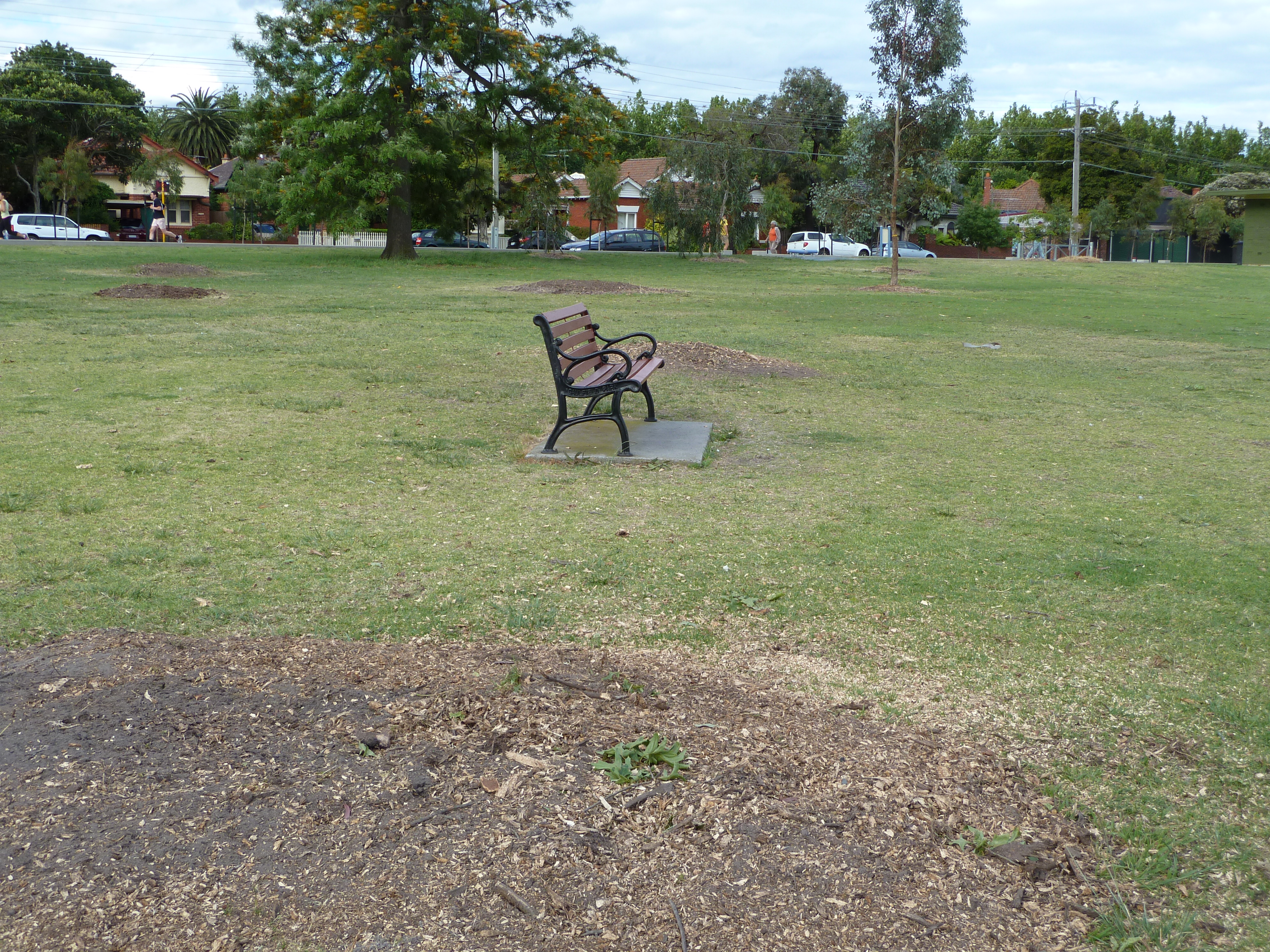
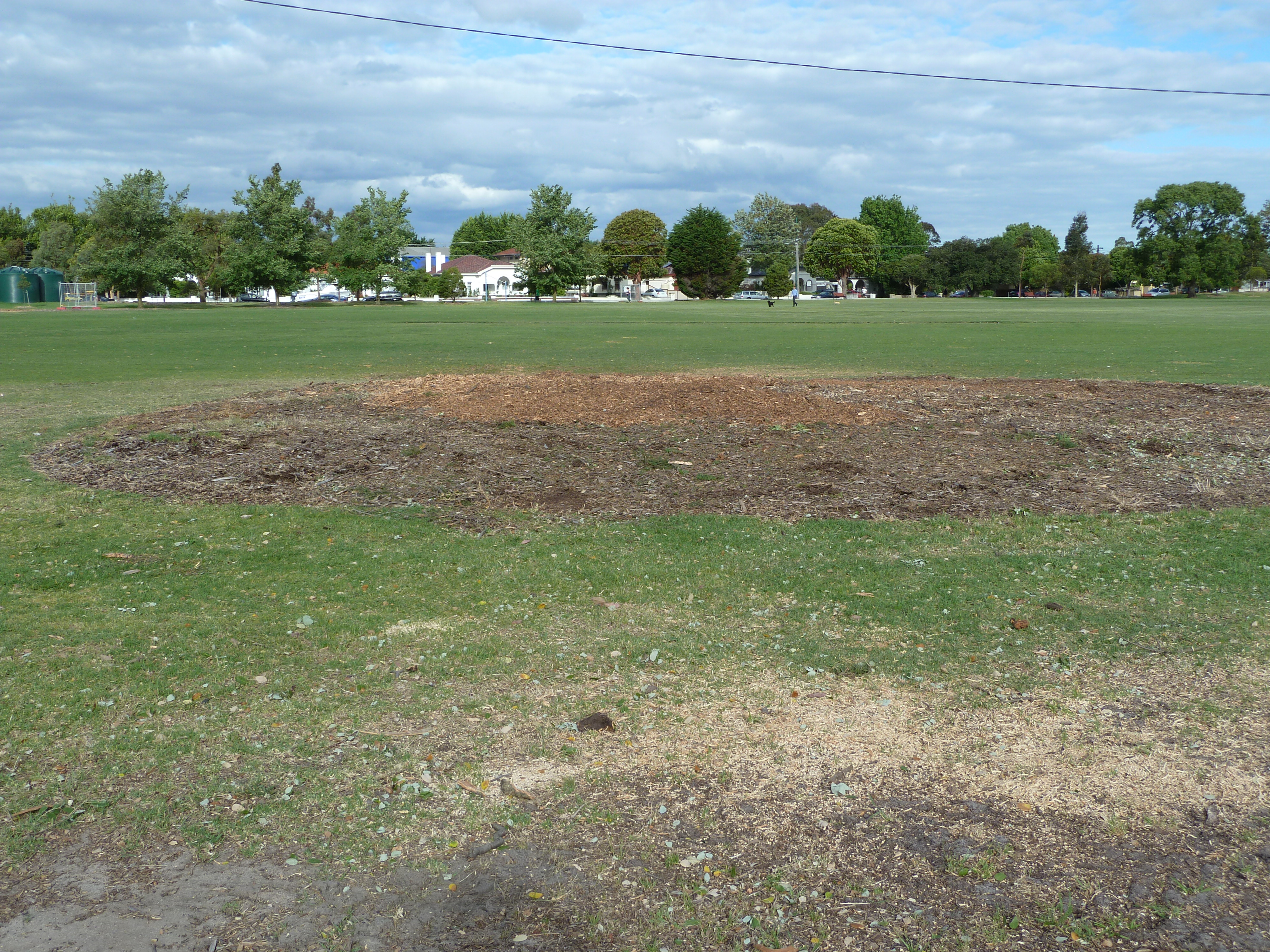
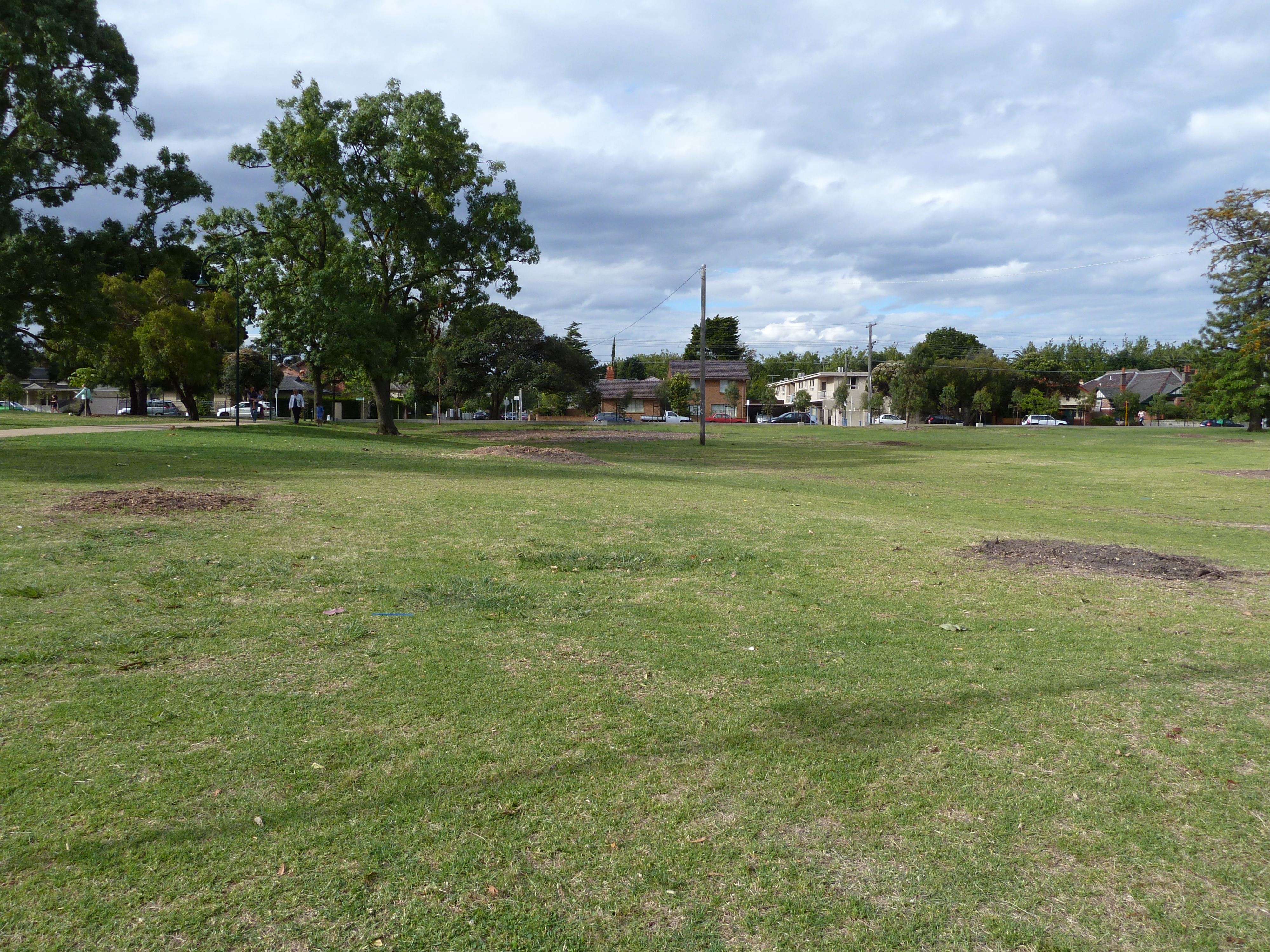
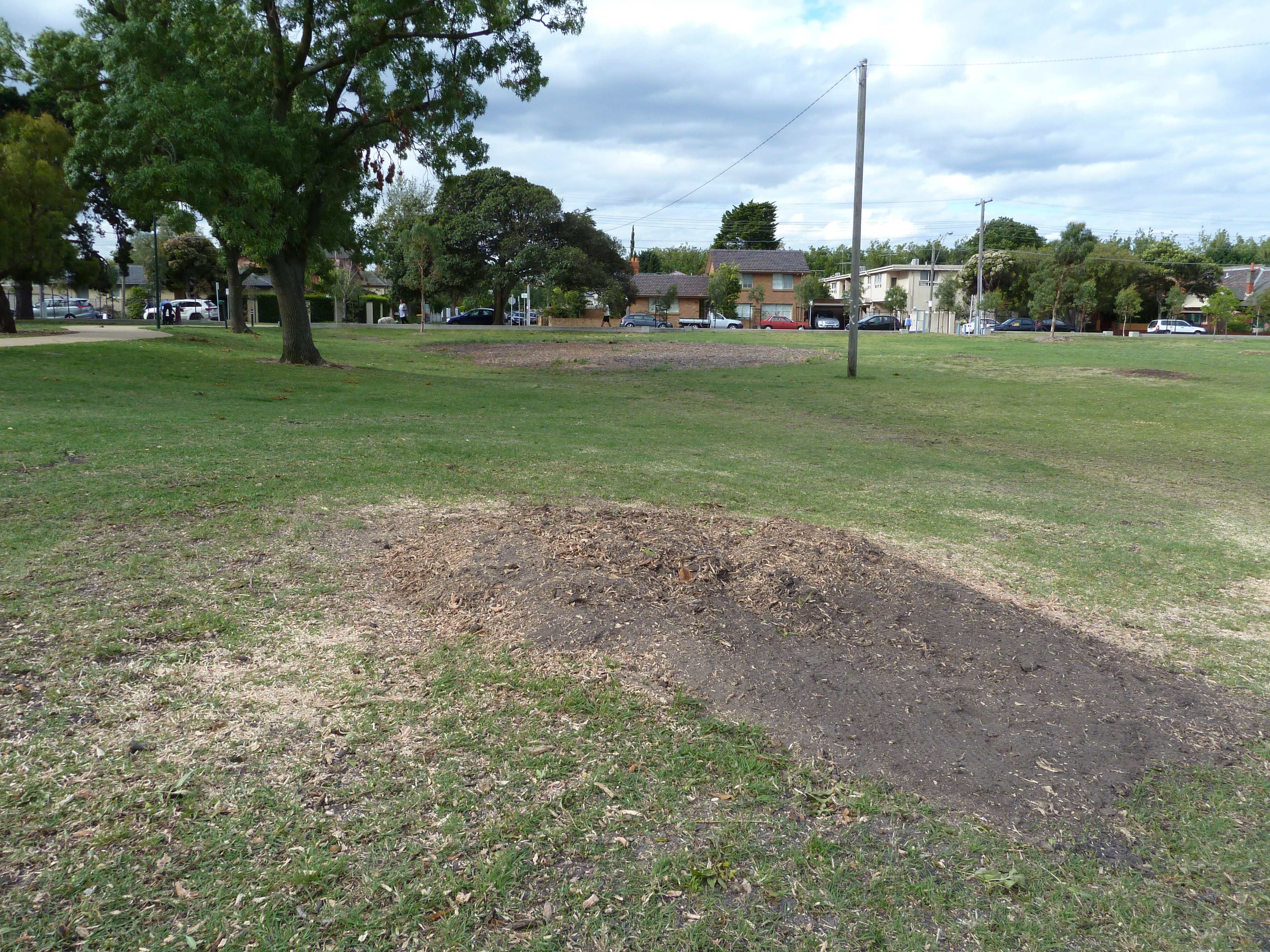
Like storm troopers, the secret executioners gathered in the early hours of this morning and, instructed by the administration and its officers, swooped on the 39 trees and cut them down.

The mayor said all the Councillors were behind this move.

He said there was nothing wrong with this action.

We disagree.

We know not all the Councillors were behind him and were kept in the dark about this destruction.

We believe that the Mayor and the administration realised that the FoCP petition of over 500 names (gathered in less than a week) would be presented to Parliament tomorrow and that their plan to cut down the trees would be in jeopardy.   They thought once cut down they were gone and they could proceed with their ill-conceived plan in peace.  With the Festive Season upon us we would all forget their contemptuous action and let them get on with it.  This is bureaucracy at its arrogant worst in overriding community wishes.

We have shown how their justifications for cutting down the trees are fabrications.  So what is the real reason for their determination to proceed, no matter what the community thinks?  If anyone knows the background to their hidden agenda, please drop a note to PO Box 2511 Caulfield Junction 3161.  It appears that they are somehow beholden to sports clubs above all other interests.  Something is rotten in the City of Glen Eira

David Wilde is handing in the Petition on the Parliament steps tomorrow at 9 am and would like others to join him.  If you are able to do so, then ring him on 0417 032 437 tonight up to 9 pm. We realise this is short notice, but please do your best.

What next?  The Council thinks it can thumb its nose at us.  They need to learn that the community is not impressed with their anti-social, anti-community behaviour.  There are two issues here. The one is the loss of the trees, and the other is the Council’s total disregard for the expressed concern of the community about this matter.

Let the Council know what you think of them.  Here are their contact details.  Email, message and phone them and tell them their behaviour is no longer acceptable.  Tell them we want those trees replaced with mature trees where those that were cut down previously stood, and that they cannot spurn the community in this way.

David Wilde

President

We’ve deleted the list of contact details for councillors and Newton!

PS: NOT ONLY DO THEY COME IN THE DEAD OF NIGHT, BUT THEY MAKE SURE THAT ANY ‘EVIDENCE’ IS REMOVED QUICK SMART – so unlike what happens to other trees that are removed and the trunks can lie around for days, if not weeks, untouched. This section of Caulfield Park is now a total wasteland! Residents should remember that the original ‘timetable’ announced that the trees would be removed IN JANUARY!

P1000215 P1000211 P1000212 P1000213

PPS: And from today’s online Leader (http://www.heraldsun.com.au/leader/central/glen-eira-council-culls-21-trees-at-caulfield-park/story-fngnvlpt-1226779662643)

Glen Eira Council culls 21 trees at Caulfield Park

  • Andrea Kellett
  • December 10, 2013 4:17PM
Cranes were used to help remove the mature trees at Caulfield Park. Picture: RICHARD CORNISH

Cranes were used to help remove the mature trees at Caulfield Park. Picture: RICHARD CORNISH Source: Supplied

GLEN Eira Council stands accused of organising a dawn raid tree chop in Caulfield Park without telling residents who were campaigning to save the trees.

Contractors removed and mulched 21 mature trees at the north-eastern end of the park this morning and Friends of Caulfield Park president David Wilde found out while walking his dog in the park at 8.30am.

“This is a deceptive and manipulative move by the administration,” Mr Wilde said.

“When I rang the mayor he said they had done everything by the book … If the book involves deception and manipulation then the book needs to be rewritten.”

Glen Eira Mayor Neil Pilling – a member of the Greens Party – said councillors were told preliminary works were about to start ahead of oval redevelopment but were not told an exact date.

Council signs erected in the park a month ago said redevelopment works for ovals three and four would start in January.

The council is now saying that does not include today’s “preliminary” works.


Trees being chopped up for removal from Caulfield Park. Picture: Derrick den Hollander

Trees being chopped up for removal from Caulfield Park. Picture: Derrick den Hollander Source: News Limited

Cr Pilling said the council had listened to the community and reworked its plans to reduce the number of trees that needed to be removed for oval refurbishment.

He refuted allegations of deception and denied councillors had been told not to tell residents.

“No, certainly not,” he said.

“We didn’t know exactly what day it was going to happen. We were advised a week ago that preliminary works would start in the second week of December and that included the trees.”

Caulfield MP David Southwick is also understood to be livid.

He had planned to table a petition to save the trees, containing about 600 signatures, in Parliament tomorrow.

His office confirmed this morning that he was not told about today’s tree chop.

“We had no idea it was going to happen today,” spokesman Adam McKee said.

Caulfield resident Richard Cornish, who photographed the tree chop at 8.20am, described today’s events as a “disturbing, devious dawn raid”.

Residents had vocally opposed plans to chop the trees down, organising protests and lobbying the council and government.

Cr Pilling was swept up in a storm of community outrage last month after news of the council plan to rip out the trees around two sports ovals to “improve” open space at the park’s eastern end.

Listed below are expenditure figures taken directly from the past 8 budgets which focus on sporting facilities and equipment. As a comparison we also list the amounts assigned to drains and Local Area Traffic Management over this time. Please note that the definition of ‘drains’ according to council is: “Drains include drains in road reserves and sports grounds drainage and irrigation”. Hence when the budget, for example, cites $3m on ‘drains’, residents need to subtract the amount that is set aside for sporting grounds and ‘irrigation’ in order to ascertain the real figures being spent on ameliorating the potential for flooding in residential areas.

At first glance some of the figures presented below appear to be repeated (ie coach boxes). However, no location is provided for many of these apparent ‘duplicates’, and since the sums differ, we can only assume that more than one location is intended.

Some of the costings simply beggar belief as does the numbers of ‘cricket net’ and ‘cricket cover’ replacements. With an ageing population, and a fall in the numbers of residents partaking in ‘organised sport’, we have to seriously question whether the priorities of this council are in line with the majority of residents’ priorities.

Last, but not least, we have omitted many of the “set up” expenditures on GESAC which according to council accounted for more than $7 million.

2006/7 BUDGET

Bricker pavilion – $1.15 million

Implementation of the Joyce Park master-plan – $758,000

Cricket wicket replacement – $54,000

Caulfield Park pavillon/Cricket net Replacement/Car Park access $1,000,000

Sport Ground Lighting program – $327,000

Sport Ground drainage, irrigation & surface reshaping – $277,000

Cricket Net replacement program – $159,000

Sport Ground Drainage – Centenary Park – $124,000

Sport Ground Spoon Drain -King George VI – $57,000

Sport Ground Spoon drain – Koornang Park – $45,000

Replacement of deteriorated coaches boxes at sportgrounds – $36,000

Replacement of deteriorated coaches boxes at sportgrounds – $25,000

High Jump Mats (Junior & Senior) & Enclosure – $45,000

Tennis hit up wall replacement – $37,000

Replacement of Cricket wicket covers at Sportsgrounds – $30,000

Drains – $1.6m

LATM – $100,000

BUDGET 2007/8

Caulfield Park Pavilion – $4.63M

Tennis hit up wall – concrete floor replacement – $18,000

Redesign of new pavilion – $200,000

Synthetic wicket cover replacements – $5,000

Sportsground rolling lighting program – $365,000

Steel goalpost replacement – $25,000

Cricket net replacement program – $246,000

Caulfield Park cricket wicket relocation – $225,000

Players shelter – $25,000

Softball roof and reshaping of diamond – $40,000

Drainage – $3.3M

LATM – $50,000

BUDGET 2008/9

Caulfield Park pavilion – $605,000

Sportsground drainage – $500,000

Sportsground lighting – $305,000

Design works at Duncan McKinnon – $200,000

Duncan McKinnon drought tolerant system – $150,000

Cricket net replacement – $95,000

High jump enclosure modification – $25,000

Minor pavilion renewal works – $40,000

Cricket net replacement – $95,000

Sports Ground lighting rolling program – $305,000

Wicket soil replacement – Moorleigh – $25,000

Improve accessibility to sports fields – $6,000

Sports ground fencing – $14,500

Sports ground drainage – $500,000

Expansion of wicket tables – $20,000

Cricket wicket area remedial works – $28,000

Duncan McKinnon Master Plan – $70,000

Sports ground shelters – $70,000

Duncan McKinnon athletics track speaker system replacement – $5,000

Sports ground spoon drain – Moorleigh Reserve – $50,000

 Drains – $3m

LATM – $50,000


BUDGET 2009/10

Sports Grounds Lighting $175,000.

Sports Ground Drought Tolerant Grass – Spring – Centenary – Reserve No.1, Koornang Park, EE Gunn-Oval No.1 $1,234,000

Reconstruction• Sports Ground Drainage, Irrigation, Reshaping and Redesign $650,000;

Reconfiguration of Marlborough Reserve $75,000

Installation of Excluding Zone Fencing $80,000

Sports Ground Drought Tolerant Grass – Autumn – Victory Park  No.1, King George Reserve No.1  $542,000

Cricket Net Upgrades/Replacements Program – $132,000

Pavilion Renewal Upgrade Program – $700,000

Sports Ground Lighting Timing Switches – $15,000

Cricket Wicket Reconstruction, Replacement, Remedial Works – $112,000

Replacement of Soccer & Football Posts – $40,000

Sports Ground Drainage, Irrigation & Redesign – $60,000

Synthetic Covers for Cricket Wickets – $40,000

Athletics Track Line Marking & Maintenance – $50,000

Fitness Equipment Undersurfacing Works – $30,000

Half Costing Fencing Assistance Program – $50,000

Drains – $3m

LATM _ $100,000


BUDGET 2010/11 

Sport ground drought tolerant grasses rolling program – $1,305,000

Sports ground lighting rolling program – $150,000

Duncan McKinnon Pavilion Upgrade – $750,000

Crcket Net synthetic surface replacement program at Koornang Park – $15,000

Detail design and documention of master plan – Marlborough Reserve and Caulfield Park sports grounds 3 and 4 – $55,000

Sports ground shelter (EE Gunn Reserve) – $30,000

Reshaping and resurface of Diamond 3 at Bailey Reserve – $50,000

Synthetic covers for cricket wickets – $40,000

Drip irrigation – sports fields – $130,000 

Drains – $3m

LATM – $325,000


BUDGET 2011/12 

Sports Ground Drought Tolerant Grass  $1,435,000

Sports Grounds Upgrade $70,000

Pavilion Renewal Upgrade $5,500,000

Replace Coaches Boxes (EE Gunn Reserve) – $35,000

Replacement of Synthetic Cricket Wicket Surface – $50,000

Driveway for Tractor Access to Sports Field – $30,000

Upgrade of Athletic Track Throwers Cages, Shot Put Zone & Surrounding Surfaces – $70,000

Drains – $3,

LATM – $360,000


BUDGET 2012/13

Sports Ground Drought Tolerant Grass – $650,000

Sports Ground Lighting -$125,000

Pavilion Upgrade- Duncan Mackinnon – $1,085,000

Pavilion Upgrade (Design) – Centenary Park – $200,000

Installation of Synthetic Cricket Wicket Surface – $30,000

Packer Park Velodrome Upgrade – $160,000

Heating Systems Renewal within Pavilions – $48,000


Drains – $3.94m (Including $450,000 govt grant that has to be returned since the full project for Boyd Park was abandoned)

LATM – $200,000


BUDGET 13/14 

Sports ground drought tolerant grasses – Caulfield park (ovals 3 and 4) – $650,000

Sports ground lighting, Duncan Mackinnon Oval; Duncan Mackinnon Track – $160,000

Pavilion upgrade – Duncan Mackinnon – $2,150,000

Construction of new Pavilion – Centenary Park – $1,300,000

Replacement and installation of synthetic cricket wicket surfaces within practice nets – $15,000

Softball diamond fencing upgrade – $85,000

Public tennis court resurfacing – $50,000

Packer park velodrome track resurfacing – $85,000

Centre wicket protecting fencing – $14,000

Drainage of tennis courts – EE Gunn Reserve – $60,000

Sport ground safety fencing Oval 1 King George Reserve – $25,000

Drains – $3.5m

LATM – $200,000

The ongoing saga of the intended ‘relocation’ of Caulfield Park ovals and the originally proposed removal of 39 trees should be a lesson to all Glen Eira residents. What has been made clear is:

  • The lack of straight talking and honesty from this administration and its councillors
  • No such thing as community consultation and certainly not adopting any community suggestions
  • When found out telling porkies simply change the argument and find another bogus excuse
  • Councillors, as always, remain superfluous appendages to the plans hatched by officers
  • Open space is becoming the exclusive preserve of sporting clubs under this regime
  • The environment, and especially trees, and tree management come in as very low on the list of priorities for this council

The arguments for the proposed expenditure of what we anticipate to be close to $800,000 have changed continually. Yet, in the fine print of various documents, the truth emerges – that is, if the poor resident can even find, collate, and then consider the implications of the buried, nebulous figures. Presented below are statements extracted from the last three Quarterly Reports. Taken together they provide the raison d’etre for what is happening now.

September to March 2013 – Summer season 2012/13 one social cricket club did not request an allocation. Team numbers down this summer season, the reduction was mainly with junior cricket teams.

Summer 2013/14 season team numbers dropped from 235 to 204, (31 team decline) the decreases were:• Softball 1 senior men’s, 3 senior women’s & 2 juniors

• Cricket 2 senior women’s and 23 juniors

Winter 2013 season team numbers have increased from 249 to 272 (23 teams) the increases were:

• 13 soccer teams

• 4 AFL teams

• 6 lacrosse teams

We do not take issue with the need for sporting fields as such. What we do take issue with is the lack of transparency by this council, the continual dissemination of deliberately misleading information, and why residents should always be the last to know what the real corporate vision is, the costs involved, and the deviousness with which plans are implemented. This is all best summed up in the latest email from the Friends of Caulfield Park!

Dear Mary

Thank you for coming clean yesterday about the real agenda driving the enlarged ovals.

We now know that it is not insurance and the buffer zones, they were simply a pretext; it is about cramming in as many junior soccer ovals as possible and cutting down trees that the kids might run into.  Further, it finally clear that the intent is to use the sports area at night since there is, for the first time, the stated intent to put in lights.  As usual, there was no consultation and it is certainly not in line with the Master Plan.

So it turns out that in objecting to the justifications given for cutting down the trees that we have been chasing a trail of red herrings while those in the know sat and smiled.  No wonder this Council keeps us all in the dark!  The paradigm of mushroom management is obvious.

Also, a benefit of enlarging the playing fields that is given in the Council website news update is typically misleading.   It compares the present number of available junior grounds with what could be achieved under the administration’s proposed plan. The real comparison should be with the number that would be available under the FoCP plan.  The difference would be far smaller.

We looked back at your election flyer where you stated that you will “work hard to preserve the beauty of Glen Eira, to increase the livability of our wonderful suburbs”.  How can you reconcile these undertakings with supporting the transformation of one of Melbourne’s premier parks, a park not owned by the Council but administered in Trust, into a treeless green wasteland?  Instead of the treed ovals of the past, we are left with interlocking treeless areas with a few saplings round the periphery.  Perhaps you can rationalise it, but those people who elected you have a much harder task.

We realise that the insurance need was a red herring, but we did as I believe that you suggested and we contacted the MAV about the insurance situation.  We were reliably informed that while all councils have an obligation to protect the safety of users of property for which they are responsible, there is NO set directive about buffer zones and no specific insurance requirements about buffer zones. Furthermore, contrary to what may have been said, there are no discounts on premiums as a result of having these buffer zones.

It seems to us as though the Administration is either deliberately misleading Councillors or is simply providing selective information to support its programs.  Certainly each time we demonstrate the emptiness of a justification to cut down these trees, a new one pops up.

Kind regards

Spike Cramphorn

Secretary FoCP

PS: the latest FoCP email

Dear Mary,

Thank you for your phone call.  You are right the phrase to “come clean” is not appropriate in this context and does not reflect what I intended to convey.

What I should have said was that after talking to you and looking at the Council’s new information, the total amount budgeted, and the amount allocated for this portion of the work, it had become clear to us that the the Council’s intent had always been to expand this area to accommodate lots of junior football fields whilst talking cricket ovals.  We then surmised that the uncommitted amount in the budget was for night lights and felt that we, the Friends of Caulfield Park had been unable to learn any of this until as late as possible.

It has been said that the FoCP are always negative, but this is only because we, the only representatives of the informal and casual users of the park, are left out of any consultation process on matters that affect Caulfield Park.  When there is a material departure from the  Master Plan, as in this instance, we believe that this is not appropriate and that often, with some minor adjustments, we could achieve much better outcomes for all.

None of this was attributable to you personally and I did not intend to convey this.  To the extent that it appeared to do so, I apologise without reservation.

Yours sincerely,

Michael

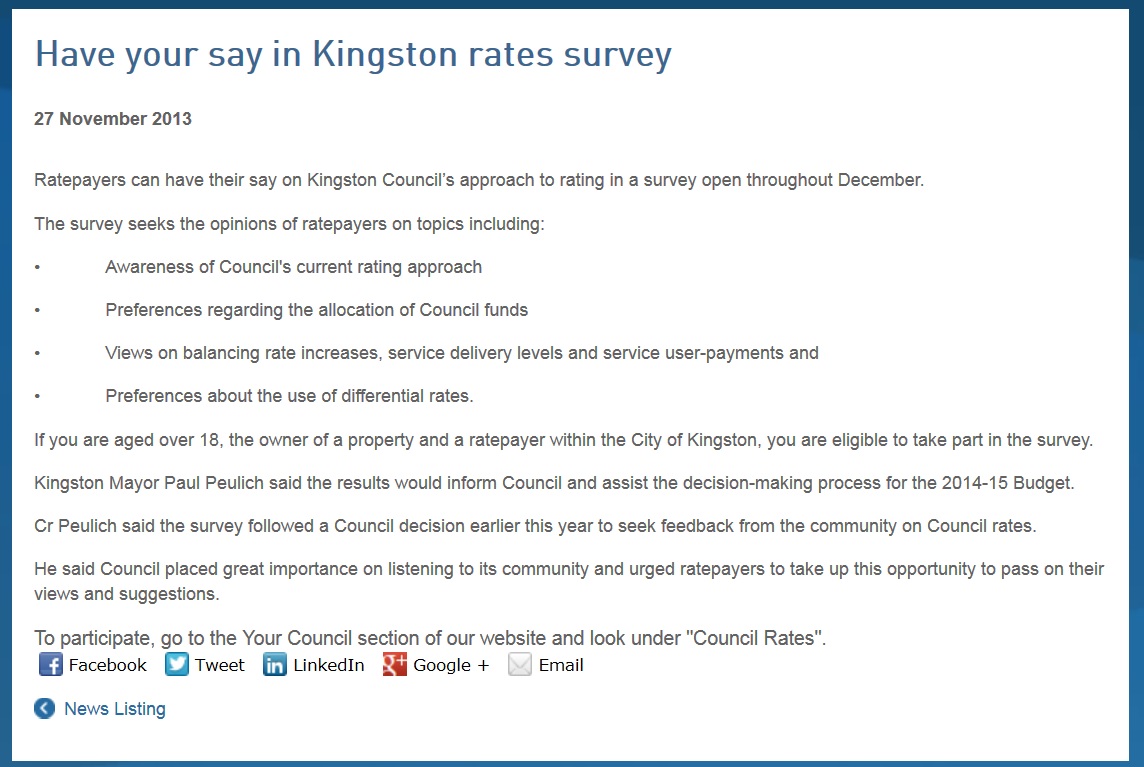
kingston

We urge all residents to read the following very, very carefully since we believe it encapsulates everything that is wrong with Glen Eira City Council.

REQUEST FOR REPORT

Crs Delahunty/Magee
That a report be prepared to determine the best methods to engage with the community surrounding the Caulfield Racecourse in light of impending developments which will impact their amenity. That the report recommend ways to involve the community in helping to shape the future of their area be that through structure planning or another
method used by other councils.

DELAHUNTY: said that this is largely a response to residents and “road works currently going on in the area” and this has ‘raised some residents’ concerns about what our future plans are’ for traffic, and the protection of amenity in the area and infrastructure ‘projects that might be going ahead’ especially because of the ‘population inflow into that area’. Said that she thought council could be ‘innovative’ in how they tried to ‘engage the community in planning’ and that council could ask people what they ‘thought they need’. ‘Some have called this a structure plan’ whilst others just a ‘consultative process’. Said that ‘we do need a platform of advocacy’ and that council needs to ‘understand what residents in that area want’ and it’s important to ‘engage them in conversation because they are facing some changes’. On the 19th July Matthew Guy talked about Stonnington needing to have structure plans (ie in relation to the supreme court decision on Orrong Rd development) and that they lost at ‘vcat because they didn’t have any control’. Admitted that ‘we’re not facing the same challenges’. Whatever Glen Eira decides to call it (‘structure plans’ or ‘advocacy plan’)  she’s ‘asking for officers’ guidance on that’. Hoped that councillors could see that this is about ‘residents who are facing an uncertain future’ in an area where open space hasn’t improved and ‘in an area’ where ‘traffic flow’ and maybe ‘calming measures’ and ‘actually planning for the future’ is needed. She’s therefore seeking ‘guidance’ on the ‘methods’, measures and community views.

MAGEE: did not say anything – “I have nothing further to add’.

LIPSHUTZ: asked Akehurst about the current status of the area

AKEHURST: started off by saying that the ‘history of this area goes back many years’ and there’s the C60 which provides the ‘broad scope’ for ‘what development takes place’. Said that ‘in some ways’ a structure plan does provide a ‘picture of what the future might be’ but that the ‘future’ of the area is ‘very well known’ because ‘the detailed footprint of buildings is known’ as well as ‘the area for office’. ‘The number of dwellings is known’. Then stated that ‘what is not known is matters of detail’ and that will be known once the Development Plan is submitted for approval and before approval is given ‘that development plan goes out to the community for comment and consultation’ and that should happen ‘early in the new year’. People can comment ‘but I have to say it’s limited comment’ because ‘there is a degree of certainty’ that ‘has been locked in’ with the acceptance of the C60. Said that residents’ comments can only go to council and not VCAT because ‘that’s not available’. Claimed that ‘the reason for that is that the opportunity’ to talk about ‘the scale of development has come and gone’.

OKOTEL: asked about the need for ‘this report’

AKEHURST: said it was hard for him to ‘comment on that’ but there might be positives in ‘getting the community to understand what they can comment on’ and what they ‘can’t make a comment on’ and that ‘when the development plan goes out it was always intended that that would happen’. Said that they ‘already have presentations ready to go’ and that these presentations could answer ‘those sorts of questions’ that would crop up for residents. So he thought that there probably ‘is some value in informing the community of what their rights are’.

DELAHUNTY: reiterated that there is ‘value’ for residents and for councillors ‘getting advice’ and for council to be ‘engaging in a conversation’ with residents. Admitted that she doesn’t ‘live in that area’ but if she did she might be ‘feeling a litle bit frightened’ or ‘a little bit wary of what’s coming ahead’. So she would like her ‘representatives’ to ask for her ‘opinion on what’s coming ahead’ and for council to establish a ‘platform of advocacy’ for people’s needs. Council won’t know ‘what people want until we ask them’. Said that ‘we’ don’t ‘have experience on what traffic will be like’ and therefore they need to ask people in order to ‘get ahead’ fo the upcoming issues.

MOTION PUT: Motion carried. ESAKOFF VOTED AGAINST. Delahunty called for a division.

COMMENT

There may be some ‘excuses’ for both Delahunty and Magee. The former was not on council when the C60 was rammed through by the gang. Magee was not a member of the gang’s Special Committee. Having said that, the appalling hypocrisy (if not straight out treachery) of this council is writ large in the discussion on this request for a report. When council did basically nothing in terms of investigating traffic, infrastructure, etc. at the time of the C60, and the environmental impacts this would have on the entire region, it is now a bit rich for these kinds of ‘studies’ to be undertaken. And when residents weren’t listened to in 2011, why should they have any confidence that their views will be listened to now? And what can residents suggest anyway? The die is cast and it’s once again a tale of too little too late – as always intended we maintain.

We must also admit our disgust upon hearing Akehurst admit that council has ‘presentations ready to go’ on the MRC stitched up Development Plan. What an absolute betrayal of all residents. No presentation, much less information, and god forbid, ‘consultation’ over the Residential Zones, but now, at the behest of the MRC no doubt, Council has worked its little butt off and done their hatchet work. Akehurst’s statements should also be seen for what they are – utterly misleading and probably intentional. He knows very well that if the development plan comes within cooee of the Incorporated Plan then this lot of compliant, sycophantic councillors will pass anything. The contractors have already admitted that the C60 will not be 1200 units, but over 1500. They have already announced that commercial and retail space is close to double that originally stated. As for height – well, dear readers, your guesses are as good as ours.

The entire C60 process was a sham and an atrocity right from the start. It sounds as if this will continue!

Item 9.14 – Audio Visual Recordings of Council Meetings

Delahunty moved a motion that more information be provided on how Kingston and Melbourne City Council operate their recordings of council meetings. Magee seconded.

DELAHUNTY: said that she basically wants to ‘increase the participation in local government’. This would let people see what council does at ‘a time that’s convenient’ for them. Thought it was very important that they keep looking at the various ‘options’ around and how other councils have ‘found solutions’. Said that ‘I’m quite okay with spending some money in the next budget’ on this. Wanted information on streaming as opposed to ‘digital recordings’ because choices on costs are involved here. Looked forward to the report coming back.

MAGEE: said that many people don’t come because of various reasons like shift work or child care and can’t make it. But they say that they ‘wished’ they could and want to know what happened. The minutes of meetings ‘doesn’t fill in all the blanks’ like ‘who said what, when and where’. It’s also good as a ‘historical’ record or ‘archive’. Said that all the history of GESAC is gone and that’s a shame. Also schools would benefit when they’re studying local government. Mainly it’s a way for the ‘other 140,000 people’ to find out what’s going on and they probably don’t even know when council meetings are on at the moment. People might only be interested in one thing like a planning issue so with this they could look it up and see what happened. Said he wasn’t in favour of live streaming but it’s something that ‘could be released with the minutes of the meeting’. Saw it as a ‘tool’ for the future.

HYAMS: supported the motion to ‘increase’ involvement and would like to see more people in the gallery. Even the reporter is absent tonight but with this they could write up their reports from the office the next day without attending because ‘we all know how cash strapped the Leader is’. Said that there are probably a lot of reasons why people can’t make it to meetings so it’s worthwhile to ‘at least examine’ the issues.

LOBO: said it was an ‘important tool’ so residents will know how ‘we are performing’. Said that residents have told him about councillors coming and ‘knocking on their doors’ and that they ‘know nothing about the candidate’. Therefore this should help people ‘gauge how the councillor is performing’, ‘how they are behaving including banging on the table’. Also ‘how they are gossiping, how they are passing remarks’ .

PILLING: thought it was a ‘good idea’ to ‘investigate’ this further.

DELAHUNTY: reiterated the point about increasing participation. Thought that there ‘was all round merit’ to the motion.

MOTION PUT and Lobo asked for a division. The only councillor to vote against was ESAKOFF.

COMMENT

Once again there is a motion for ‘more information’. We interpret this as an implied criticism of the original report though of course not one word to this effect was uttered by anyone. We also find it interesting that Lipshutz, Okotel and Esakoff remained silent throughout the discussion. According to the Code of Conduct councillors are expected to voice the grounds for their votes. Surely it is incumbent on both, and especially Esakoff to state her reasons for voting against the motion? We predict the logic of their actions go something like this:

1. This is only the call for another report. The real ‘debate’ will happen next time around when there could possibly be a motion to install audio/recordings. Better to keep our powder dry until this eventuates.
2. This gives them time to ‘work’ on their colleagues and to concoct some further spurious arguments against
3. To be seen to reject a motion for a report is not good public relations. As Hyams has so often said, to reject a report would imply that they are not ‘democratic’ and open to new ideas and that they’ve got something to hide!

We will be watching this with great interest but doubt that if it eventuates it will be clear of ‘editing’ and ‘censorship’. The only certainty is that this is all still a long, long way off. Further, does this call for another ‘policy’? Inclusion into the Local Law? or merely another set of ‘guidelines’ that are entirely ‘flexible’ and open to interpretation. If the former, can we expect that the Local Laws Committee will be involved? We also remind readers that not so long ago Hyams made the comment that he was opposed to recordings since there were often ‘asides’ that might be picked up! All in all, the potential permutations and combinations are fascinating to contemplate! Decisiveness is definitely not the hallmark of this set of councillors!

A very brief report on tonight’s marathon council meeting. Full coverage in the next few days.

  • Approximately 20 residents marched into the meeting after it started and stood there for several minutes holding placards about saving the Caulfield Park trees. Hyams couldn’t resist making a supercilious comment.
  • Lobo was the ‘conservatives’ target on the first item. Delahunty was the second target given her comments regarding Southwick’s involvement with the Elsternwick Plaza lease and the problems with VicRoads
  • More backsliding and more reports requesting more ‘information’ on audio/webcasting of council meetings
  • The sporting ground allocation policy deferred until next meeting. Talk of lack of transparency and Lobo laid the blame at the feet of one club – presumably Ajax.
  • Public questions went largely unanswered and on one point when challenged by Delahunty, Pilling continued his inauspicious debut as Mayor by fluffing the answer and having to be corrected by Hyams. Burke of course, rapidly interceded.
  • All in all a brain-numbing talk-fest that achieved practically nothing. On the Caulfield park trees the only concession was that the 2 elms would remain and that 13 would be ‘relocated’. We express deep concern for the survival chances of these 13 trees going on past record.

The ‘Sporting Grounds Allocations Policy’ is finally out for decision on Tuesday night.  It is a document that, if passed, will simply mean more of the same – namely:

  • Full control by officers
  • No prioritising in favour of local sporting groups
  • Review of policy placed in the ‘never-never land’ of some distant and non-specified future dependent on what happens at the racecourse
  • And of course, no ‘consultation’ whatsoever!

The first thing to note about the policy is its limited scope:This policy applies to the allocation of sports grounds and associated pavilions. It does not apply to Council land which is leased (eg to tennis clubs, bowls clubs or croquet clubs), indoor recreation facilities, Council tennis courts for hire or permits for commercial operators (eg personal trainers) etc.

‘Indoor recreation facilities’ would obviously include the GESAC basketball courts. With this single phrase, the whole contentious issue of the Warriors versus McKinnon Basketball will never be subject to full and transparent scrutiny by anyone – including councillors. We wonder if they even know the amounts that ratepayers are possibly forking out to cover the costs of courts standing empty. Do they have any idea as to whether or not the Warriors have handed over the $165,375 they ‘promised’ as their yearly payout in 2011?

All of the above leads to the central question that the policy, and Newton’s ‘report’ so neatly attempts to side-step. Should local sporting groups, and/or residents be given priority when it comes to any service provided by council – whether this be sporting grounds or places in child-care? We believe they should. Residents through their rates pay the major proportion of all these facilities. Councils are there to serve their residents first and foremost.

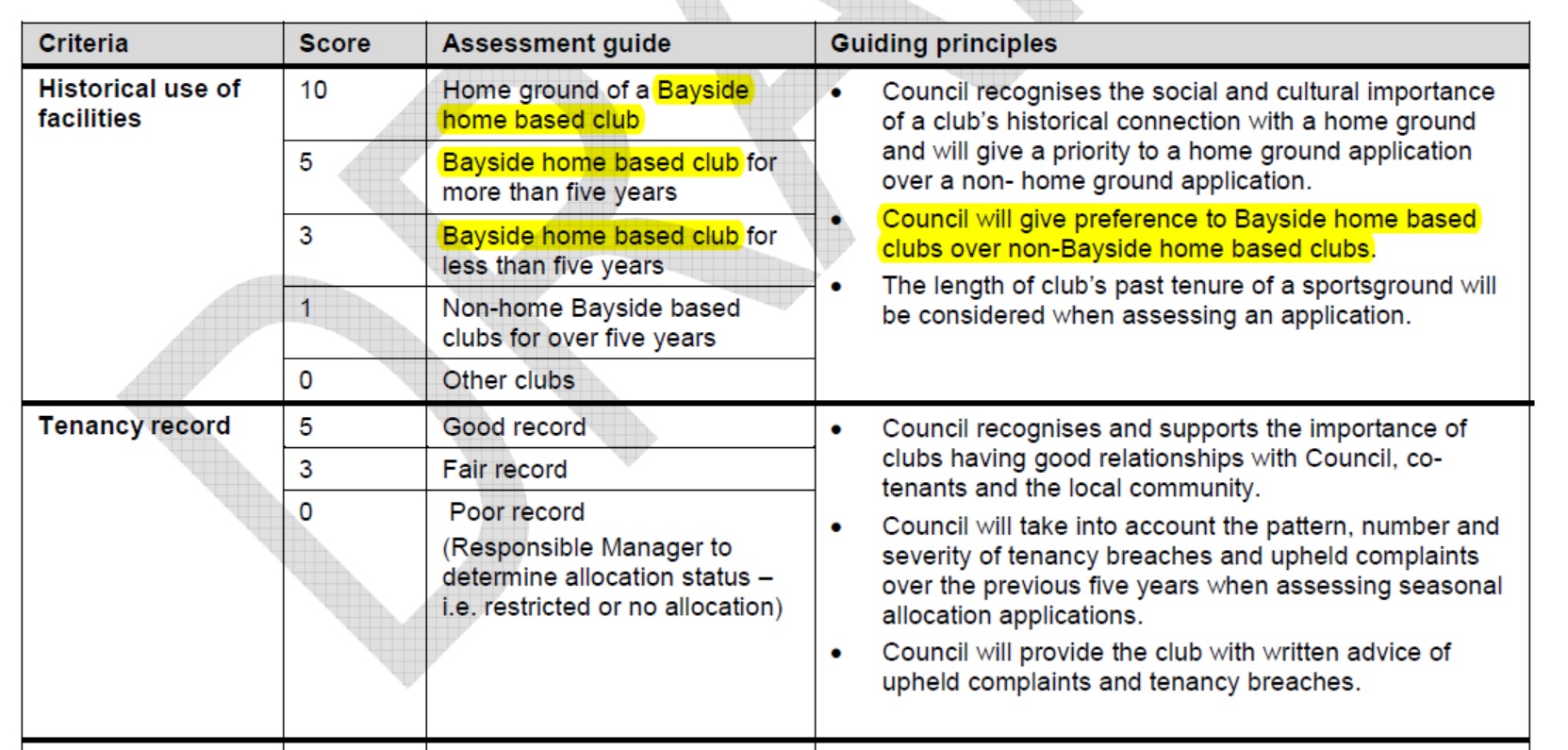
On this point, the policy includes the rather obvious, and innocuous list of criteria – ie incorporation, financial stability, good behaviour, previous tenancy, etc. All well and good. What is NOT INCLUDED AND WHICH FORMS A CENTRAL PLANK in other councils’ policies is this – taken from the Bayside document. “Where two or more sports clubs have applied for an available sportsground and officers are unable to facilitate shared use, the following assessment criteria shall be used, with the highest scoring club/s given priority allocation”.  A long list of criteria then follows, each broken down into clear ‘marks’ for each category. All Glen Eira can come up with are such guidelines as ‘1-20’ or ’20 points’. More important is the following component of the Bayside criteria and the emphasis on local sporting groups –

bayside

Newton’s introductory report is replete with the usual spin, obfuscation, and attempts to deflect the argument away from this crucial point. He relies on the legalese connotations of ‘discrimination’ as justification for all the above. The examples cited are either totally irrelevant or sheer nonsense. We ask readers to consider the following:

  • The Equal Opportunity Act defines ‘discimination’ in a very limited way – ie someone ‘disciminates’ on the basis of gender, race, religion, etc. There is nothing in the Act that prevents a council from assigning specific priorities to a policy.
  • Newton lists in his defence of the indefensible such examples as: lolly pop people; councillors not being residents; businesses, etc. Again this is codswallop. Heaps of councils have assigned specific priorities when it comes to offering child-care places and RESIDENTS of municipalities have first pick of the cherry in most of these policies. Kingston for example has as its primary objective: “To ensure the maximum number of children within the City of Kingston,receive a kindergarten preference”. If you live in Kingston, you’re first cab off the rank. According to the Newton implied argument this would be ‘discrimination’!!!!

The bottom line is that in so many services, other councils clearly insist that their residents, who pay for such services, are given priority over ‘outsiders’. Not in Glen Eira and not in this sporting ground allocation policy that seeks to cement the status quo of secrecy and lack of accountability.

Finally, we repeat our comment and this is acknowledged within the policy itself. It is councillors who set policy. They have the power to set the objectives and vision. Newton and his men must then be responsible for the implementation of this vision in a ‘timely manner’. Councillors can therefore resolve that it is they who determine sporting ground allocations; it is they who can resolve that local residents be placed higher on a list of priorities than outsiders; and it is they who have the power to ensure that the fiasco of GESAC basketball allocations never, ever, occurs again. But will they?

Here is Pilling’s response to the countless complaints that have come in regarding the Caulfield Park oval extension and the removal of 39 trees. We then feature the Friends of Caulfield Park’s answer to Pilling. In our view the writing is on the wall as to the kind of Mayor Pilling will be!

Thank you for your letter concerning the works to be undertaken to Caulfield Park ovals 3 and 4. I am responding on behalf of all of my colleagues.

I understand the genuine concerns that you have about the thirty-eight trees that are to be removed to allow these works to fully proceed. Whilst this is the case I feel it is important to emphasise twenty-five trees in the works area are to be retained as part of the proposed works and an additional forty trees will be planted in the area, including some indigenous trees that do not currently feature in the park.

Decisions like this aren’t taken lightly and all Councillors considered carefully the issues before coming to a similar view; that the long term benefits to all park users including reducing present risk issues significantly outweighed the short/medium term tree losses. Below is the background and reasons for this decision to proceed.

The Caulfield Park Master Plan  adopted over a decade ago and after extensive community consultation, envisages that works in the north east of the park would separate the two ovals. Masterplans have provided Council with designs and management direction for specific parks and in some cases implemented as a whole or progressively as in the case of Caulfield Park depending on funding availabilties. They also offer suggested solutions to risk issues such as in this case and are  reviewed regularly to ensure that the actions planned are still currently necessary. In this case Council concluded that the upgrading of Ovals 3 and 4 was still a much needed priority. In the 2013/14 budget $600k was allocated to install drought-tolerant grasses on these ovals and thus complete this successful program for Caulfield Park.

The two ovals currently do not make the best use of the available space.  The ovals overlap which presents a risk to players of running into each other or a ball from one game coming into contact with someone playing in the other game.  This identified risk puts a liability risk on Council.  In previously implemented park redevelopments, Council has taken the opportunity to eliminate these situations (eg Lord Reserve, Murrumbeena Park and Caulfield Park). This same approach and process was taken when Caulfield Park ovals 5, 6, and 7 along Balaclava Road were redeveloped in 2008/9. During that phase of implementation of the Master Plan, Council planted 320 trees whilst removing 13 trees. As is the case now the number of trees removed in 2009 were kept to as minimum as possible.

There is also an expectation amongst the community sports clubs that Council will take this action to eliminate any potential risk to players.

In short these ovals are compromised and the situation needs to be improved. The prospect of reconfiguring or combining the ovals that would essentially mean a reduction in playing surfaces is not supported by Council. Currently there are difficulties accommodating all forms of community sports on the limited number of grounds in the municipality especially in junior sport. To reduce is not a realistic option nor is to proceed spending $600k on an inadequate situation.

In relation to Caulfield Park whilst the western end is totally dedicated to passive use only, the eastern end is dedicated to both passive and active use and these uses sit harmoniously side by side.

The works to ovals 3 and 4 at the eastern end of Caulfield Park will lead to these ovals becoming safer by reducing risks to participants by reconfiguring the ovals to appropriate standards.

The ovals will be more environmentally sustainable with far less water used while providing a superior surface for players and passive users alike, even in drought like conditions which are in line with future climatic predictions. As well an upgraded irrigation system and the installation of sub-surface drainage will form part of the works.

I hope that provides a more comprehensive explanation of this issue, as always I am available to meet up onsite to further discuss your concerns.

Yours sincerely,

Cr Neil Pilling

Mayor

City of Glen Eira

FOCP’S REPLY

Dear Neil,

Thank you for your reply and your view of FoCP’s concerns.

I hope that you can see from the public response to this proposal that you have not made a fully thought through decision in this matter and that you will revise it to match the whole community’s expectations.

In your letter you make several points:

  • You mention that decisions like this “aren’t taken lightly”.  This seems farcical when there was no external consultation.  It flies in the face of Council’s purported consultation program.  If you were serious, why were we, the Friends of Caulfield Park, not asked for an opinion?  Were you trying to avoid finding out what it was?
  • How can you pretend that you all “considered carefully all the issues” when you did not find out what they were?  Which ones did you consider?  Please spell them out.
  • What are the “long term benefits to all park users”?  Please spell them out.
  • Please identify which park users, other than cricketers, fall under your description “all”.
  • “reducing present risk issues seriously outweighed the short/medium term tree losses”  What are the risk issues to which you refer?  You state that “The two ovals do not make best use of available space”.  You suggest that the overlap “presents a risk to players of running into each other or a ball from one game coming into contact with someone playing in the other game”.  Frankly, this probability is less than someone tripping over the concrete plinth. There are seven ovals set aside for cricket at Caulfield Park.  This whole weekend, at the height of the cricket season, three ovals were used for four half-day matches.  People running after balls will be running towards each other, so how could they collide?  Have you considered the risks to non-cricketers that Council is increasingly exposing itself to?  Will you be banning walking around the oval perimeters while sports matches are in progress in order to reduce risk on Council?  The bigger the oval, the bigger the games and the bigger the players and the greater the risk to non-participants (the majority of park users).
  • You state that “these ovals are compromised and the situation needs to be improved”  Why not reserve these ovals for junior cricket, or have one large and one small one?  Were these options considered?  Did you consider what could be done if the tree loss was to be minimised?  Tree loss seems to be at the bottom of the list you have considered.
  • You state that there is “an expectation amongst the community sports clubs  . . .to eliminate any risk to players” .   Do you know that the great majority of users of the park are not using it as part of a sports club?  There is an expectation amongst the members of the community that you will not cut down trees and that you will not increase risk to passive users of the park by taking sports arenas out to the pathways they use.
  • You mention the Master Plan as a justification.  The Master Plan is 15 years old.  Communities change and it does not reflect today’s users.  The imminent arrival of 1,000 new people from the C60 development was not on the horizon then.  To reduce passive space is like lowering the wall in front of a tsunami. As you know, the adherence to that Master Plan has been skewed many times, generally in favour of the sports groups.  Some instances are the far greater than planned Pavilion in the centre of the park, the relocation of the main path through the park (which now makes it possible for Council to seek to create larger ovals than are in the plan).  You will see that the Master Plan shows an extensive region of trees along the north-south path between the ovals (check the map you sent me).  Also, when is the amphitheatre to be removed if you are following the Master Plan so slavishly?
  •  You go on to state that whilst the western end is totally dedicated to passive use only, the eastern end is to both passive and active and that these uses sit harmoniously side by side”.  Actually the western quarter may be primarily passive, but the great majority of the park’s area is given over to organised sport (check the map you sent me).
  • You state that “there are currently difficulties accommodating all forms of community sports”.  The existing ovals are seldom used simultaneously.  If you want more sports areas, why doesn’t Council do something a bit more effective about using the centre of the Caulfield Race Track?  This is ideal for sporting activities as trees cannot be planted there as they would obstruct the view of the racing.
  • Further you state that “To reduce is not a realistic option nor is to proceed spending $600,000 on an inadequate situation”.  Firstly let me remind you that  the contract is for $450,000 and that if you were not enlarging the ovals and taking down trees, you would not be spending so much, so it would not be unrealistic.  In any case the budget provided $650,000 for grasses, not for enlarging ovals.  This is clearly a new idea as you are also planning to pull out about a dozen trees planted by Council in the last couple of years.
  • Because of climate change the need for shade is becoming paramount to make the park safe for passive users. The replacement of 39 trees, many of which provide shade, will both reduce the available shade and increase the heat profile of the park.  This exposes the park and the park users to increased stress.

We, the Friends of Caulfield Park, and the greater community who have been sending you emails hope that you will confer with your fellow Councillors and find out that there is a better outcome along the lines we have suggested.

The lack of consultation to date has been appalling.  Why are you only now offering to meet us on the site. What happened to last month or the one before?

Yours sincerely,

David Wilde

President

There are many agenda items of interest for Tuesday night’s meeting. This post will focus only on Paul Burke’s lamentable effort to maintain the status quo and not have audio recordings and/or webcasts of formal council meetings available to the public. The arguments trotted out are entirely predictable and far from convincing.

First off, readers are hit with the suggested cost – $44,000+. Next there is the ‘legal risk’ with statements such as this – Although the likelihood of a defamation action being brought against the Council, individual Councillors or council staff for comments made at a meeting may appear remote, the broadcasting/podcasting of Council Meetings increases the risk due to the larger audience created by the broadcast/podcast of the meeting.

Burke then goes on with this incredible statement – The increased risk is created due to the much wider audience created by the broadcasting/podcasting. Obviously if comments are made at a meeting with no public gallery and the meeting is not broadcast and the comments made receive no publicity it is unlikely that any action would be brought, but this could be different if the meeting is then podcast.

So, are we to assume that it is ‘permissable’ for councillors or administrators to ‘defame’ others when no-one is present in the public gallery, but unacceptable when visitors are present to witness or hear the potential defamation?

What then follows are some attempted distractors such as ‘file size’ and whether people will be able to find the ‘specific items’ that interest them in the recording. Below we feature how simple the solution is and how it does not present any problems whatsoever for Manningham. They simply splice the recordings into the specific agenda items. It shouldn’t take Einstein to figure this out.

manningham

Then comes the typical Glen Eira administration tactic of only presenting ‘selective’ rather than full and comprehensive information. Burke lists several councils and their policies and current practice. Not only is this list incomplete – but it is WRONG, WRONG, WRONG! For example Burke states that Frankston council only provides audio recording for ‘internal use’. Nothing could be further from the truth. Here’s what the Frankston website has got to say on the issue –

Members of the public can request an audio recording of a Council Meeting on CD. This new initiative is to increase the accessibility of Council meetings for those unable to attend in person.

Recordings of Council meetings are available for meetings occurring on or after 6th April 2010. Recordings of Council meetings will be retained for three months only.

On completion of the required details in the form below, a CD will be mailed to the person at the nominated address. Please allow up to 10 working days for the CD to arrive.

Please note that the audio recordings do not constitute an official record of the meeting. The official record of a Council meeting is the Council meeting minutes, which can be accessed on Council’s website or upon request to Council’s Governance unit. (http://www.frankston.vic.gov.au/Your_Council/Council_and_Committee_Meetings/Meetings/Council_Meetings_Available_On_CD)

Burke of course does not reveal that there are numerous other councils that broadcast their council meetings. These include:

Melbourne City Council

Hobson’s Bay – Audio recordings of Ordinary and Special Council meetings will be made available for download on the internet via the Council’s website not later than the day following the meeting and will be retained and made publicly available for 12 months following the meeting date. Members of the public may purchase copies of recordings for a fee of $1.00.

Mornington Peninsula – http://www.mornpen.vic.gov.au/Our_Shire/Our_Council/Minutes_Agendas/Council_Meeting_Audio_Recordings

Ballarat – moving towards this with a resolution passed on September 25th 2013 – http://www.ballarat.vic.gov.au/media/1882408/25_september_public_minutes.pdf

There are probably many others that we have not bothered to chase down. Once again the failure of officers to provide accurate and comprehensive information for councillors is unforgiveable. No specific recommendations are part of the item – so it is once again over to councillors to make a stand and to earn their keep. Will transparency win out over secrecy? Will the rhetoric of increasing public interest and participation stand up or will councillors merely ‘note’ the report and consign this to the dustbin of history for another 3 or 4 years? Will Burke be told to rewrite and this time ensure that he earns his $200,000+ pa salary by providing accurate information or will it be passed off as another ‘clerical error?

Allowing residents to actually hear the continual shenanigans, the appalling level of debate, the inconsistencies, and the repeated failures of good governance is not something that this council and its administrators want to publicise. Transparency and accountability are anathema. That’s why we will continue to provide what we regard as a vital public service in reporting on each council meeting.

PS: HERE ARE A FEW MORE COUNCILS THAT DON’T HAVE THE ‘PRIVACY’ AND ‘RISK’ ISSUES THAT GLEN EIRA ALWAYS SEEMS TO HAVE. THEY HAVE INSTITUTED AUDIO AND LIVE BROADCASTS OF THEIR RESPECTIVE COUNCIL MEETINGS WITHOUT TOO MUCH TROUBLE IT WOULD APPEAR!

Greater Bendigo – Council meetings are broadcast live on Phoenix FM 106.7Mhz. http://www.bendigo.vic.gov.au/About_us/The_Council/Council_meeting_agendas_and_minutes

Moyne Shire Council – http://www.moyne.vic.gov.au/Page/page.asp?Page_Id=2562&h=0

Wellington Shire Council – http://www.wellington.vic.gov.au/Your-Council/Council-Meetings/Live-Council-Meetings

« Previous Page — Next Page »