GE Planning


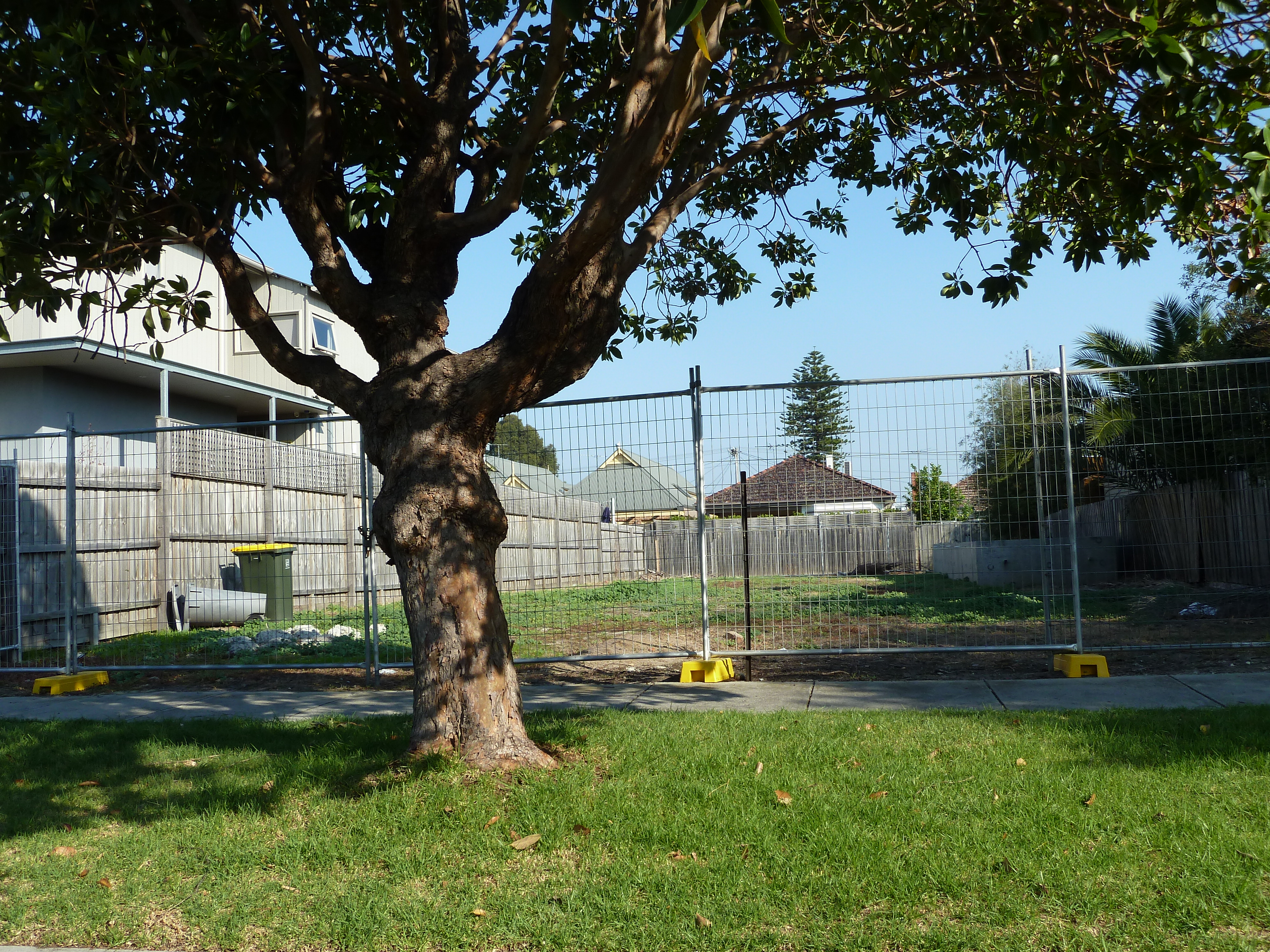
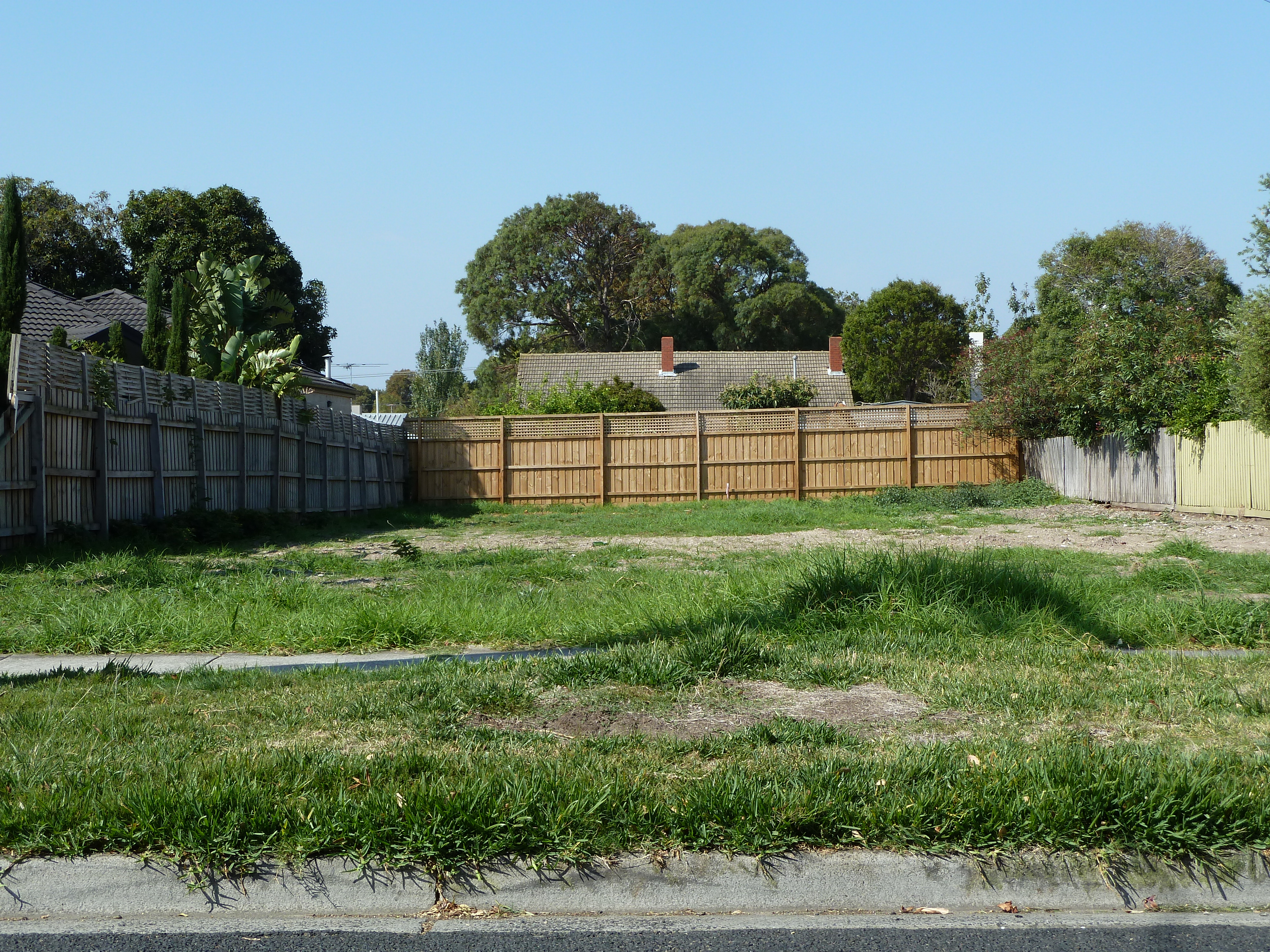
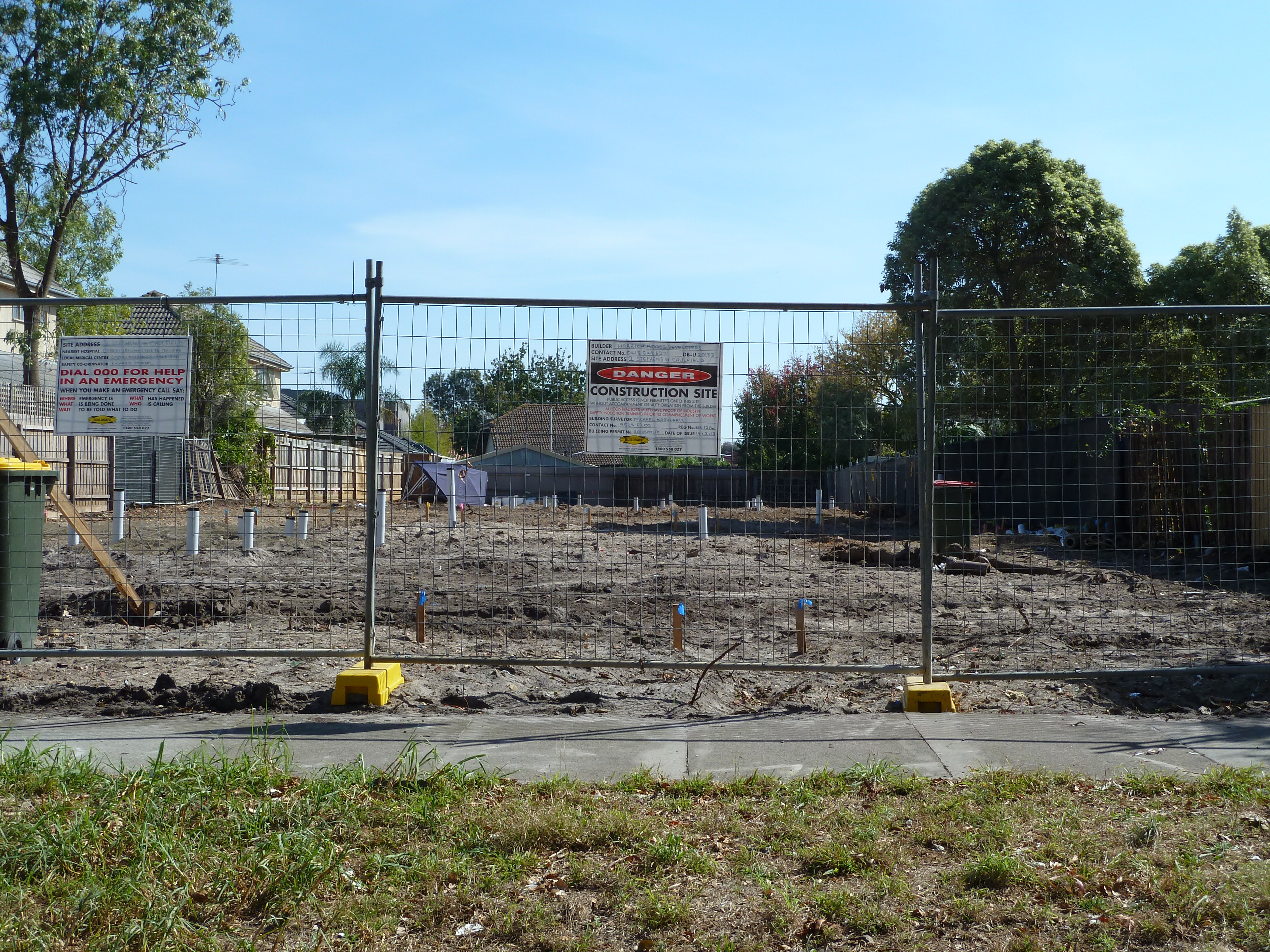
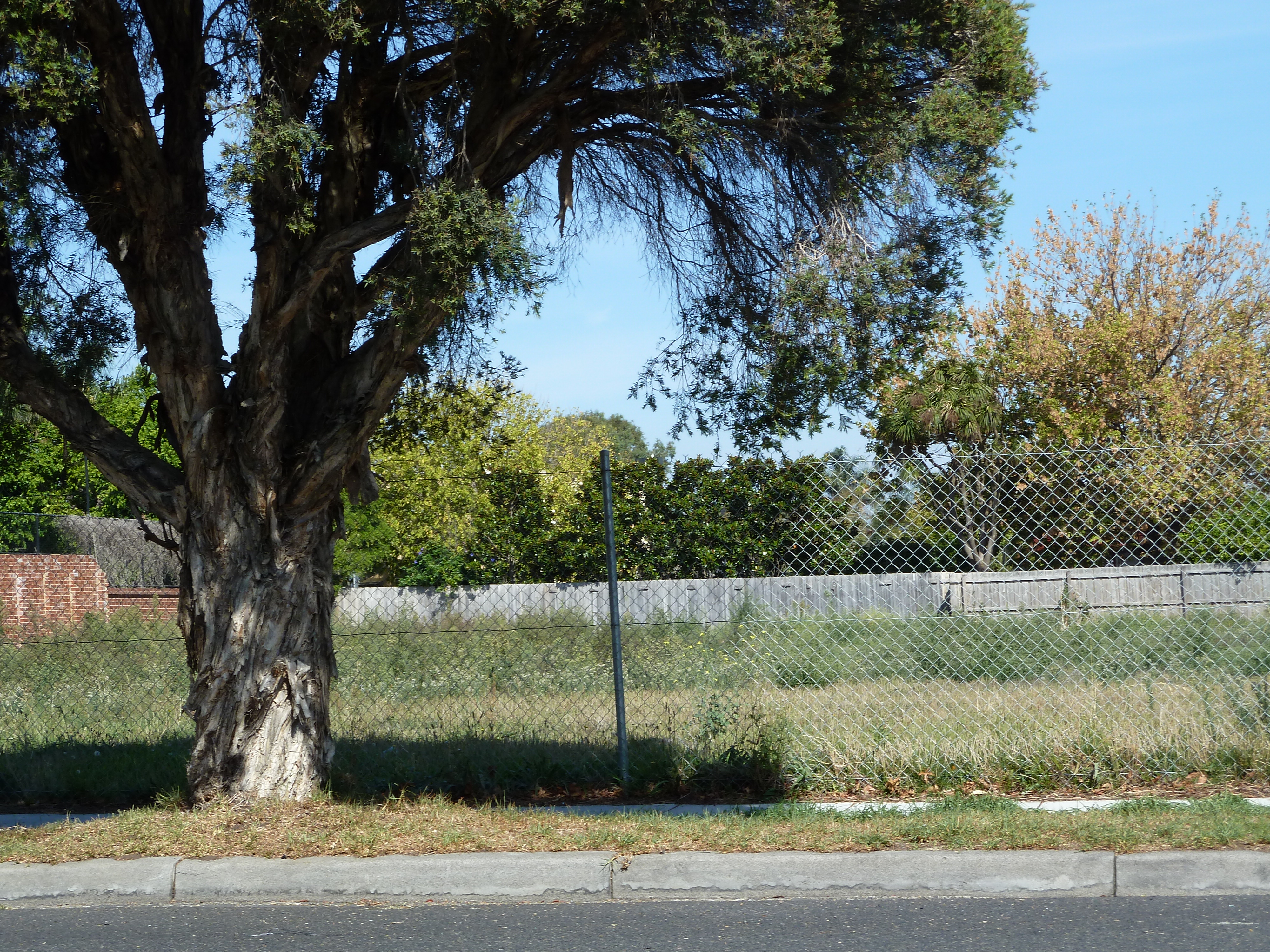
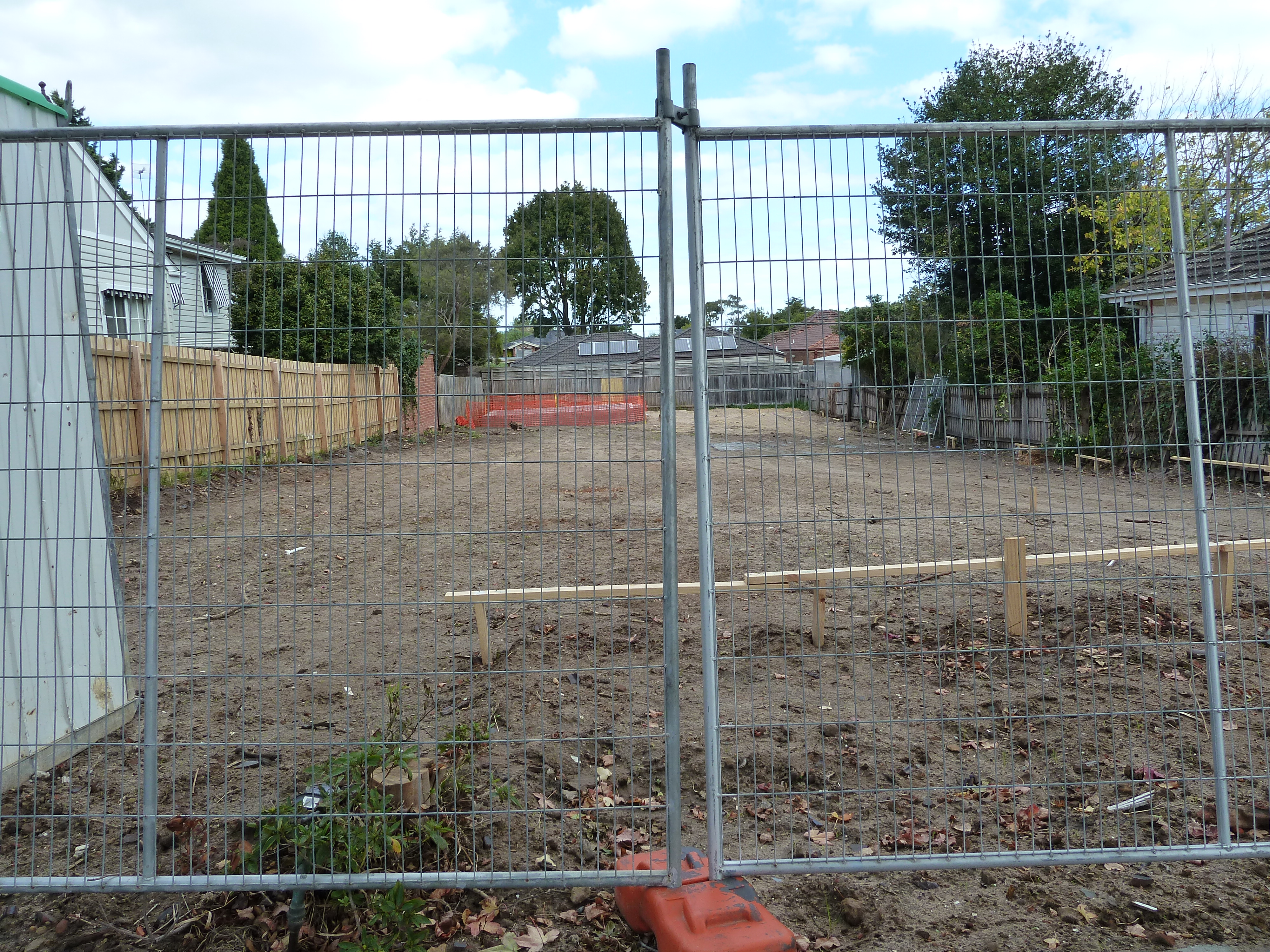
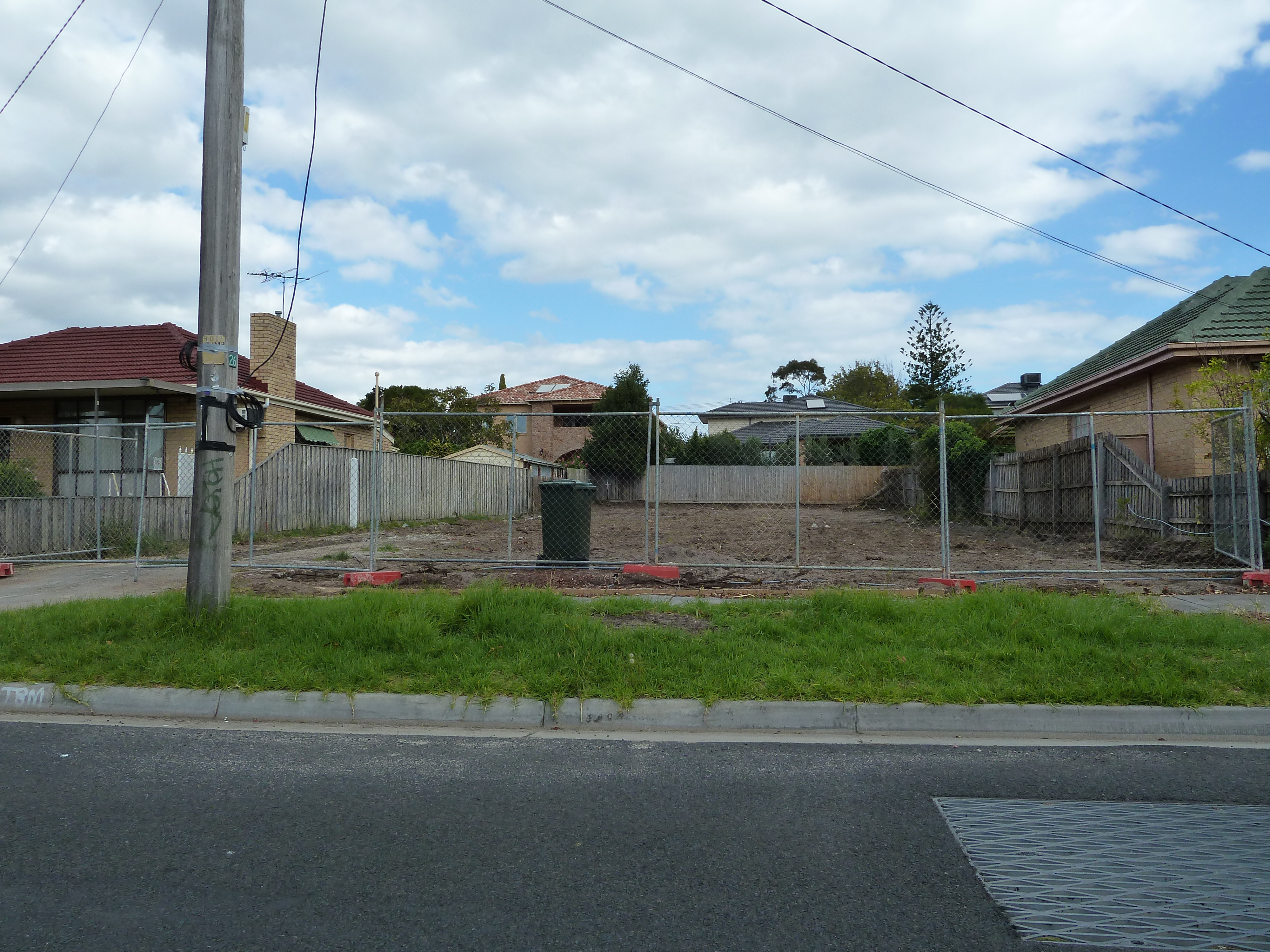
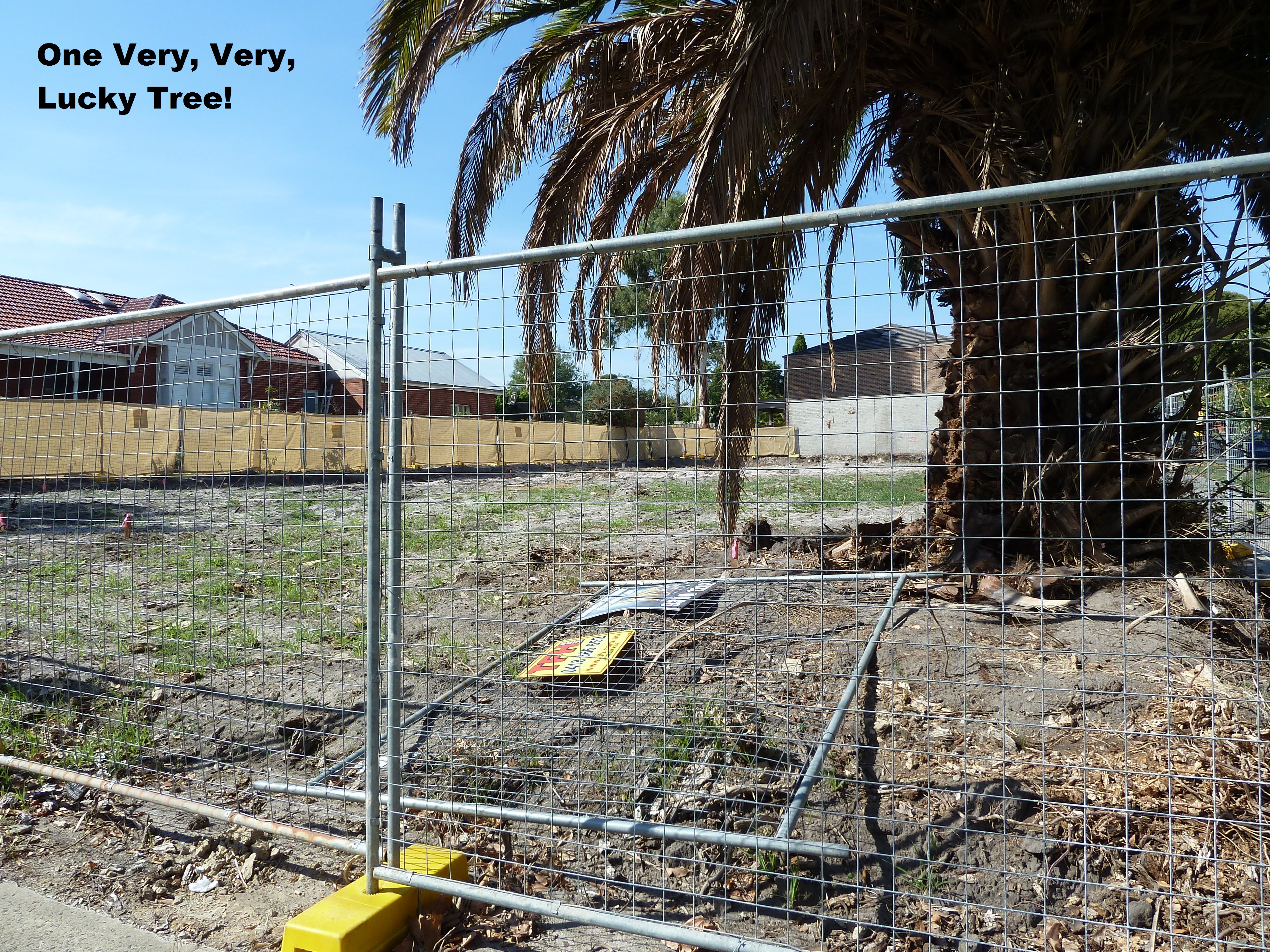
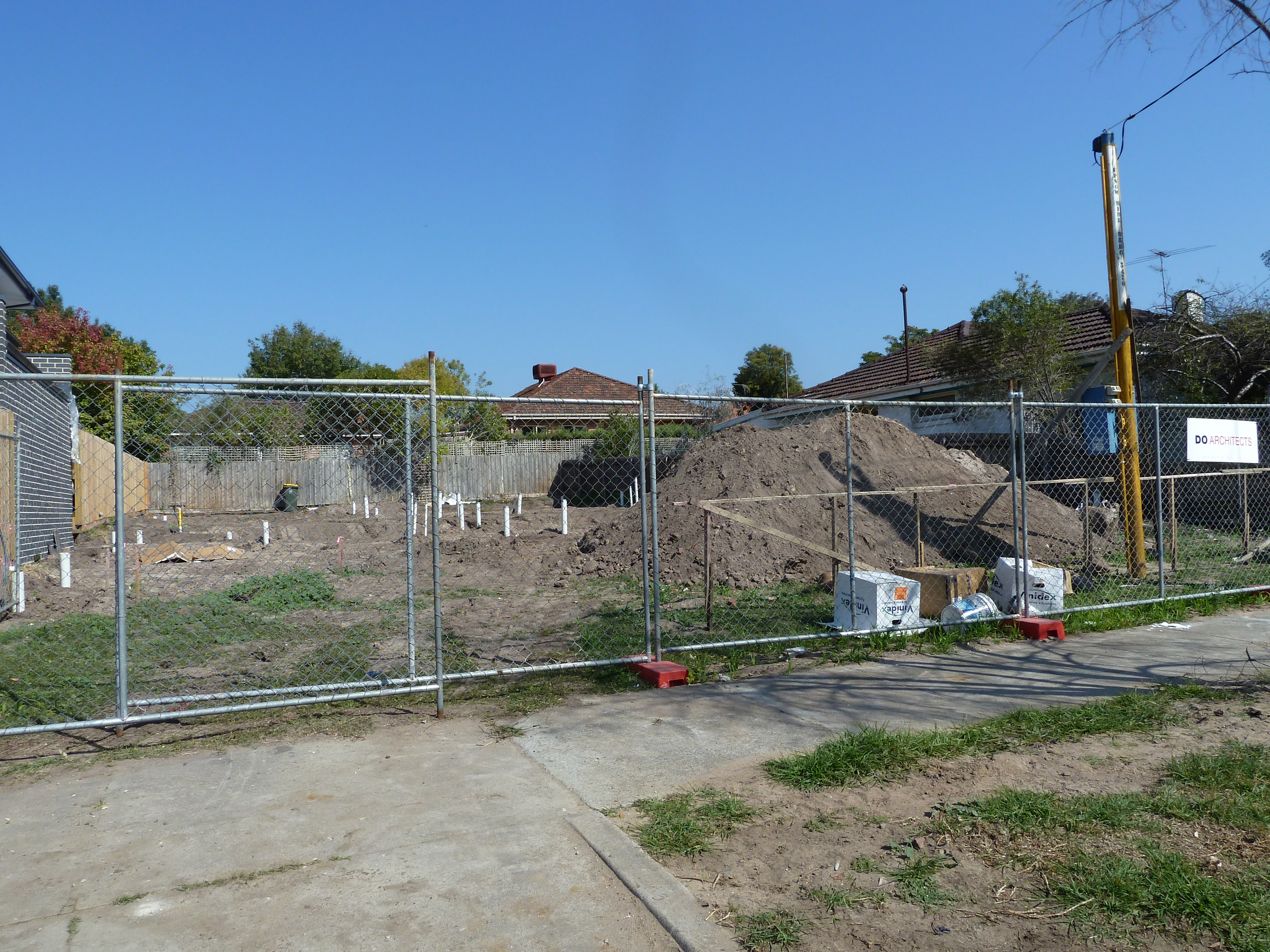
Drive or walk anywhere throughout Glen Eira and you’ll find block after block waiting to be developed, or in various stages of development. What they all have in common (with some very rare exceptions) is that they are treeless and that every remnant of vegetation has been ripped out in order to cram bigger or higher density development onto the land. Moonscaping is definitely a most appropriate name for all this.

Yet, when it comes to tree registers and their protection on private property, the arguments put up by some councillors are that the current planning scheme and the application process ensures that moonscaping doesn’t happen. Esakoff even complains that there is no need to make people ‘jump through more hoops’ – that the rigours of the planning scheme are sufficient. Nothing could be further from the truth. We just wonder:

  • Of the 1200 planning applications that come in each year, how many trees have been ‘protected’ on these properties?
  • How many applicants have been fined for removing said trees?
  • How many prosecutions have actually taken place?

Glen Eira is supposed to be ‘green’ – a city that values its trees, vegetation, and ‘garden’ atmosphere. These photos all taken in the space of half an hour, are just a glimpse into how little this council does to ensure that the environment is just as important as multi-unit development. Please note: there are many more photos we could have put up.

P1000087

moonscaping1

moonscaping4

moonscaping3

moonscaping6

moonscaping5

PS: A FEW MORE!

ms


ms2

A very recent VCAT decision highlights once again how residents are personae non gratis when it comes to this council’s planning department and the sycophantic councillors who allow Newton and Akehurst to literally do as they please. Here’s a little bit of history.

On the 30th August 2011 councillors voted unanimously to pass the following motion – “Seeks authorisation from the Minister for Planning to prepare and exhibit Amendment C90 which proposes to alter the Housing Diversity Area Policy and Urban Village Policy to include prescriptive guidance for development at the interface of Housing Diversity and Minimal Change areas”.

Nearly a year later we find out in the fine print of the Quarterly Reports that HERE IS A COUNCIL RESOLUTION THAT HAS NEVER BEEN CARRIED OUT. Nor has there been any motion to withdraw, rescind, put on hold, etc. The amendment has never been advertised, never had submissions called and been allowed to disappear into the ether. No public announcement has been made as to the reasons why officers have failed to carry out a council resolution. All that we know is that there suddenly appeared the minimalist sentence ‘Amendment will be withdrawn. The issue of transition will be addressed through the New Zones’. Who made this decision? When was it made? And how can a council resolution suddenly be overturned in secret?

That’s only half of the story because whilst countless other councils are passing amendment after amendment in the attempt to shore up as many safety precautions as possible for when the planning zone reforms come in, Glen Eira is sitting on its hands and doing bugger all. The ramifications of this inaction was evident in a recent vcat appeal and decision.

The VCAT hearing involved an application for a 3 storey building, multiple dwellings and reduced car parking. The site was Glen Huntly Rd (housing diversity/tram lines) and abutted Minimal Change. Hence the proposed amendment would have been extremely important here in protecting residential amenity. Here are the lamentable arguments put up by council and relevant extracts from the final decision. (See http://www.austlii.edu.au/au/cases/vic/VCAT/2013/381.html for the full decision)

Council advised that these setback distances were recommended in its proposed amendment C90 to manage the interface between housing diversity and minimal change areas, and as a response to Clause 22.07 to reduce the visibility of additional levels when the proposal is higher than the prevailing height of an area.

Council noted that it did not impose the minimum setback of 4 metres on the ground level as recommended in the amendment, acknowledging that there are currently out buildings in the rear yards of 6 Emma Street and 4 Lonsdale Street. Conceding that Amendment C90 has yet been exhibited, Council still wished to pursue the desired setback as a reflection of its thinking of interface management.

Council has imposed permit conditions to require the first and second floor to be further recessed to manage the change from a housing diversity area to a minimal change area, as recommended by its Amendment C90, which will result in the loss of dwellings.

As Mr. Bissett pointed out (for developer), Amendment C90 is not a seriously entertained planning proposal. It has not been on exhibition and it is premature to implement the setbacks recommended in this amendment. The approach should be one of the particular set of circumstances and the context of the site: that is whether the proposed setbacks of the various floors an acceptable interface with.6 Emma Street and 4 Lonsdale Street.

Given all this, questions have to be asked:

  1. Why has a council resolution not been carried out?
  2. Who made the decision to withdraw or abandon? When was it made? and most importantly – WHY was it made?
  3. What is the real agenda behind all this?
  4. Why are councillors allowing employees to rule the roost?
  5. Why aren’t residents afforded the full protection as originally intended?
  6. Why after two years has nothing happened? What aren’t residents being told?
  7. Why didn’t this development come to a full council meeting in the first place? What is the precise criteria that determines whether an application remains in the hands of the hired help?
  8. When will councillors start exercising their mandated duties and INSIST that proper transparency and governance occurs in this council?
  9. When will councillors finally get off their backsides and insist that ALL of the outcomes of the 2010 Planning Scheme Review are carried out. 3 years of deferment, inaction, and silence is not good enough.
  10. When will they stop being accomplices to the continued failure of good governance in Glen Eira?

Item 9.1 of last Tuesday night’s agenda concerned the amended permit application for a Tavern in Centre Road. Please note:

  • We are not questioning the right of anyone to submit an application
  • We are not questioning the right of any commercial enterprise to grow its business

What we are questioning is the woeful decision making capacity of this planning department and councillors; the continued shonky reports that fail to come up under scrutiny and finally the clear bias evident in the report. We are also highly critical of the inconsistency trotted out by Lipshutz and some others.

In July 2011 (that is LESS THAN 2 YEARS AGO) Lipshutz and Hyams moved the motion to accept the conversion of a ‘café’ to a ‘tavern’ that extended the hours of opening, waived car parking, and included a liquor license for footpath trading. The motion was carried unanimously. At the time objectors also claimed that the premises had been operating ‘without a permit’. Now there’s another application to extend existing hours to 3am, include live music and increase seating from 24 to 64 plus an increase of staff. All well and good, EXCEPT that the current officer’s report just happens to state – “The site context has not changed significantly from the time the previous approval was granted in that the residential properties to the north are still separated from the subject site by an Australia Post dispatch facility and a petrol station that is open 24 hours a day.”

In other words the surrounding environment, which has not changed, was good enough for the planning department to impose limits on numbers, hours, music and staff back in 2009, but not today when these exact some conditions persist! So, if nothing much has changed then how can something be regarded as having an adverse impact in 2011 and 21 months later suddenly be deemed as appropriate for a threefold increase in clientele, staff, and hours of operation? Did Ron Torres just happen to conveniently forget what he wrote at that time and now just regurgitates what happens to suit the decision for the go ahead?

We’ve drawn up a table that compares the officer’s report from 2011 and 2013. There’s much, much more that was in the 2011 report that has suddenly disappeared from the current version. What is repeated is merely all those points that would provide support for the current application. If that’s not ‘doctoring’ a document, then we certainly don’t know what is.

July 19th 2011 Minutes

April 9th 2013 Minutes

28 properties notified; 48 notices sent (owners and occupiers) 6 properties notified; 29 notices sent (owners and occupiers)
N/A Since then, the business has continued to grow and the restrictions on their current planning permit have become onerous.
The current approved hours of operation are considered to be low impact in terms of causing significant noise that would affect the amenity of the local area. The current approved hours of operation are considered to be relatively “low impact” in terms of potential to cause significant noise that would unreasonably affect the amenity of the local area.
The focus of this application is on the 3 additional hours Monday to Thursday (11pm closing) and the 2 additional hours on Friday and Saturday (1am next day closing). The focus of this application is on: the 3 additional hours on Monday to Thursday (closing at 1am); the 3 additional hours on Friday and Saturday (closing at 3am); the 2 additional hours on Sunday (closing at 1am); andthe associated additional live music performances.
Noise from patrons leaving after 8pm weeknights and after 11pm Friday and Saturday would potentially disrupt the amenity of local residents. MISSING
It is considered that a reasonable closing time for Monday to Thursday would be 10pm. An additional 2 hours on weeknights is unlikely to significantly increase detriment to the amenity of the nearby residential area if it is combined with conditions that limit noise levels in accordance with EPA guidelines and a requirement to limit live music to Friday, Saturday and Sunday and to prohibit the sale and consumption of liquor on the footpath. The proposed closing time for Sunday to Thursday of 1am the following day is considered excessive for a weeknight. A more reasonable closing time for weeknights (Sunday to Thursday) would be 11pm. This is a reasonable compromise to what is being sought in light of the context. An additional 1 hour on weeknights (as recommended in the appendix to this report) is unlikely to significantly increase detriment to the amenity of the nearby residential area if it is combined with current permit conditions that limit noise levels in accordance with EPA guidelines.
For Friday and Saturday nights, it is considered that a closing time of 1am the following day is likely to cause disruptive late night noise and a closing time of midnight is recommended. Additionally, live music performances on Friday, Saturday and Sunday will be required to be finished at least 1 hour before the closing time to further ensure that the impact on the nearby residential area is moderated. For Friday and Saturday nights a closing time of 3am the following day as proposed is likely to cause unreasonable disruptive noise in the early hours of the morning to local residents. A closing time of 1am is recommended as a condition in the appendix as 1 additional hour on weekends is considered reasonable and will have minimal additional amenity impacts.The current permit restricts live music
Recommended conditions will prevent live music in the rear courtyard. No dance floor will be allowed. The current permit does not allow live music performances within the rear courtyard  yet the proposal seeks to allow them between 12 noon and 7pm. This is considered reasonable as the courtyard is adjacent to commercial car parking areas which provide a buffer of over 30 metres to nearby residential land located to the north, and after 7pm the live performances will be restricted to inside the venue.
Patron numbers are proposed to increase from 24 to 64, with one additional staff member (4 in total). The increases would allow the business to fully reach its  potential and have the ability to conduct more viable private functions. The additional staff member will contribute to the efficiency and general operation of the venue. The proposed increases are considered reasonable.
The impacts on the amenity of the area from additional night time parking and traffic would be noticeable to the local residents. Council’s Transport Planning Department do not object to the proposed extension of trading hours.ANDGiven the above, the increased impacts on the amenity of the area from additional night time parking and traffic will not be unreasonable.
Council’s Transport Planners have confirmed that Centre Road can accommodate the additional parking that is likely to be generated by the use. The amount of additional parking will be kept to a small increase by applying a condition to restrict the maximum number of patrons to twenty four (24) at any one time. This figure matches the number of patron seats applied for. Staff numbers will be kept at the current level of three (3). Patron numbers are proposed to increase from 24 to 64, with one additional staff member (4 in total). The increases would allow the business to fully reach its potential and have the ability to conduct more viable private functions. The additional staff member will contribute to the efficiency and general operation of thevenue. The proposed increases are considered reasonable.
Victoria police

  • • Caulfield Police have confirmed that Roo Baa has been operating within its current liquor licence hours without significant disruption to the local area.However, concern was expressed that noise from live music might impact the nearby residential area. The Police confirmed that they can issue fines for breaches of noise restrictions.
Victoria policeCaulfield Police have confirmed that Roo Baa has been operating within its current liquor licence hours without significant disruption to the local area. Support the proposed increase in patron numbers and increased hours of operation. Support live music performances on all days subject to it finishing by 11pm

Sunday to Thursday and 1am the following day on Friday and Saturday.

No issues with live music performances being conducted in the courtyard between 12 noon and 7pm.

 The sale and consumption of alcohol in the footpath seating area should be prohibited after 9pm to minimise the effect on residents directly across the road.

 Restricting staff numbers is not beneficial to the proper running of the venue and

do not support a restriction placed on staff numbers.

So how did councillors handle all this? – especially those who were party to the original permit? Here’s what happened –

MAGEE: moved that a permit be granted for 12 months only. Delahunty seconded. Magee went on to say that ‘this gives the operator what they are wanting’ and since there have been complaints from people and ‘council has some concerns‘ the permit is only for 12 months and the applicant has to then come back and reapply. The objective is for the applicant to ‘show us’ that ‘you can adhere to this permit’ and then council would issue the extension of the permit.

DELAHUNTY: said that this motion would ‘strike a balance’ between business and community ‘wants’. Said that it’s in everyone’s best interests to have ‘private business’ in the city but ‘they must be good neighbours’   so the motion is trying to ‘strike a balance’ between these two things. Looked forward to a year down the track and that the applicants can ‘show they’ve been well behaved’.

LIPSHUTZ: at first he was going to support it but ‘I’ve changed my mind’.  He’s got emails from people complaining and that recently officers had discovered that there were more people on the premises than allowed and that ‘bands were playing’ so they ‘had breached their license‘. So, when people come and ‘seek the indulgence of council’ you have to come with ‘clean hands’ and not treat both residents and council ‘with contempt’. Magee’s motion does ‘put them on notice’ that they have to ‘do the right thing’ but ‘they shouldn’t be allowed to get away with more’. It’s only ‘when you can show you’re a good neighbour’ that you should come to council instead of ‘asking for more’.

PILLING: supports the motion. Outlined where residential and commercial properties are. The motion ‘does strike a balance’ and he thinks the times are ‘reasonable’ and a good ‘alternative’ and ‘respects the wishes of residents’.

SOUNNESS: was at the planning conference and noted that ‘there comes a point when a development has reached its capacity’ and more makes it an ‘over development’. With this application there can’t be more space since the building isn’t big enough. Thought that the development was ‘overly ambitious’ and that there had been issues about ‘management’ of the place. So even though Magee’s motion takes this ‘down the right path’ it doesn’t take it ‘far enough’.

HYAMS: said it was a ‘strange planning conference’ in that there were opposite views expressed. People from ‘500 metres away’ said they could hear the music but patrons said that they ‘go there’ so they can actually talk with each other ‘above the music’ so ‘it’s not that loud’. Said the police were happy for the extended hours and that officers on the occasions they went there ‘reported’ that the tavern was ‘conforming’ to the permit. But then Lipshutz has said that ‘on one occasion they weren’t’. So he’s ‘happy’ with the ‘sunset clause’ and that the place will be ‘monitored’ and ‘if we’re happy’ then they ‘can go ahead’. Said that at the planning conference objectors said that people were urinating outside but this was denied by applicant. So there is a need for more staff to supervise this outside.

MAGEE; said that council ‘want to see business succeed’ and for residents to ‘live in peace and quiet’. The applicant has now got 12 months to show that ‘they are good operators of the business’. The tavern is a ‘bit of an icon’ in Bentleigh and gives the area ‘its bit of uniqueness’. It’s never ‘raised its head before as a concern with me’. He had walked past there recently and all was well. Hoped that ‘the business will succeed’ and that surrounding people ‘will accept it’.

MOTION PUT AND CARRIED. VOTING AGAINST – LIPSHUTZ & SOUNNESS

COMMENT: This is not the first time that breaches of conditions have occurred on numerous permits and not the first time that nothing much has been done about it by council. In the past Lipshutz and his cohorts have seen fit to ignore such breaches and to vote in favour of the permits. All that has been said by them is that council will be ‘vigilant’ and will come down on them ‘like a ton of bricks’ if the new permits are abused. How hypocritical then of Lipshutz to now get on his high horse and say that this application should be refused because the applicants have treated council with ‘contempt’. If Lipshutz is to stand on his record then the public has a right to demand consistency.

We draw readers’ attention to his stance on the extended 1A Albany Court decision (as just one example!) which involved a synagogue that had continually breached its conditions and which the VCAT member made absolutely clear that council had done nothing to ensure compliance. See https://gleneira.wordpress.com/2012/06/05/vcat-more-council-failures/. This is not an isolated example.

How many more times will we hear about council not informing all relevant parties on VCAT hearings as in the above judgement? How many more times will some applications get up because of what can only be reasonably perceived to be clear, vested interests and despite the fact that they have treated the permit conditions with ‘contempt’? How many more times will this planning department be permitted to produce reports that are short on argument, detail, and full justification for their recommendations?

This entire application history epitomises the failures of this council to embark on any decision making that is consistent, transparent, and protects residential amenity.

Recent posts have highlighted the failure of the planning department to meet its legal obligations in notifying resident objectors of amended application plans within the required time limit, or perhaps at all. Over a year ago a ‘red dot’ VCAT decision lambasted Glen Eira Council for its poor record keeping, and its failure to adhere to Practice Notes. Judging by recent events, nothing much appears to have changed! Here’s the decision and some extracts. See: http://www.austlii.edu.au/au/cases/vic/VCAT/2011/2065.html

Lorne Crest Pty Ltd v  Glen Eira  CC & Ors (includes Summary) (Red Dot) [2011] VCAT 1422 (2 August 2011)

RED DOT DECISION SUMMARY

The practice of VCAT is to designate cases of interest as ‘Red Dot Decisions’. A summary is published and the reasons why the decision is of interest or significance are identified. The full text of the decision follows. This Red Dot Summary does not form part of the decision or reasons for decision.


NATURE OF CASE The role of Responsible Authorities and Applicants in applications under s.87A of the Planning and Environment Act 1987.
REASONS WHY DECISION IS OF INTEREST OR SIGNIFICANCE
PRACTICE OR PROCEDURE – consideration of individual instance or systemic issues Practice Note PNPE2 – clarification of requirements under clauses 2.8 to 2.10.

Information required to assist the Tribunal in identifying other persons who may have a material interest in the outcome of requests under s.87A of the Planning and Environment Act 1987.

SUMMARY

This case involves a request to amend a permit issued at the direction of the Tribunal for 34 dwellings in a 3 storey apartment building with a basement carpark.

The substantive amendments involve increasing the number of dwellings by 11 to 45 dwellings through the addition of two further levels to the building, and the introduction of a graffiti mural art installation to external walls.

At the start of the hearing, it emerged that persons who may have a material interest in the outcome of the amendment request had not been notified of the application, namely two persons who objected to the permit application.

This case highlights the important role of Responsible Authorities in providing the correct information to the Tribunal under Practice Note PNPE2 (Information from decision makers) and the role of Applicants in assisting the Tribunal to determine persons who may have a material interest in the outcome of requests under s.87A of the Act.

While this particular case is based on an application under s.87A of the Act, the principles discussed equally apply to applications under s.87 and 89 of the Act.

To assist in this process, the Responsible Authority has an important role to play. Practice Note PNPE2/11 sets out information required to be provided by Responsible Authorities to the Tribunal.

  1. The information requested under clauses 2.8, 2.9, 2.10 and 2.11 of Practice Note PNPE2/11 is of particular importance. It requires the following:

2.8 Whether notice of the permit application was given under section 52 of the Act; the date and manner of giving any notice, and a list of the properties or persons to whom notice was required to be given.

2.9 The number of objections received and the names and addresses of persons who objected.

2.10 The current names and addresses as shown in the responsible authority’s records of the owners and occupiers of the properties whose owners or occupiers objected to the application for permit.

2.11 Whether any person other than persons named as parties to the application may have a material interest in the outcome of the application, and an indication of the nature of the interest.

  1. The reference to “notice of the permit application” in clause 2.8 is often misunderstood. This misunderstanding seems to have occurred in the present proceeding where the Responsible Authority’s response was:

Notice of the application to amend the Planning Permit has not been given by the Council.

  1. The Responsible Authority’s response “N/A” was given in relation to clauses 2.8 and 2.9 and the comment “Nil at this stage” appears beside the information requested in clause 2.11.
  2. Extensive notice was in fact required in respect of the original permit application and as I have mentioned, three objections were received after that notice was given.
  3. The term “notice of the permit application” is a reference to the notice that occurs during the permit application process before a decision on an application is made and before any permit is granted.
  4. This should not be confused with the notice to persons who may have a material interest in the outcome of the request now required to be determined by the Tribunal under the current permit amendment request.
  5. 22.           Given that a considerable amount of time may have elapsed since the grant of the permit and a request to amend it, sometimes several years, it is also important that information provided by Responsible Authorities is up to date – that is based on current rate records.
  6. 23.           It is not sufficient, for example, to provide the Tribunal or Applicant with a photocopy of the original list of persons notified without it first being checked for currency against up-to-date rate records held by the Council.
  7. 24.           To illustrate, land may be have been subdivided and redeveloped since the grant of the permit, in a way that its owners/occupiers may now have a material interest in the outcome of a decision to amend it.


The items set down for Tuesday night’s council meeting are truly staggering, leaving us to ponder the very serious question of : how many done deals are we looking at? How much more spin will this community tolerate? Here are the lowlights:

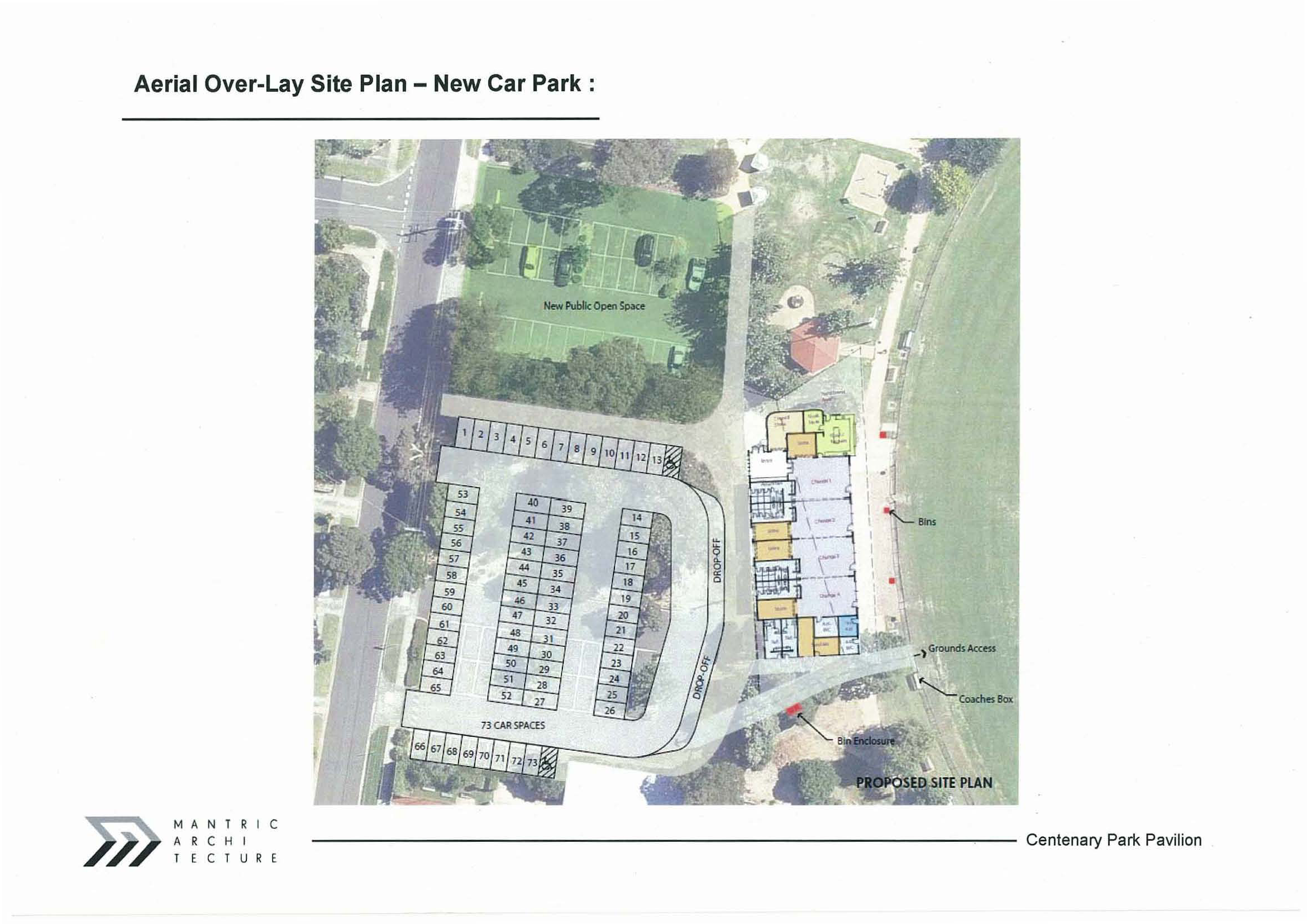
CENTENARY PARK PAVILION DEVELOPMENT

  • More loss of public open space
  • More loss of mature trees
  • Another $600,000 for extended car parking
  • No traffic report or any statistics to justify these actions
  • No consultation with residents – just so called ‘stakeholders’ – ie ONLY SPORTSCLUBS
  • A ball park figure of $2.68 million

centenary park

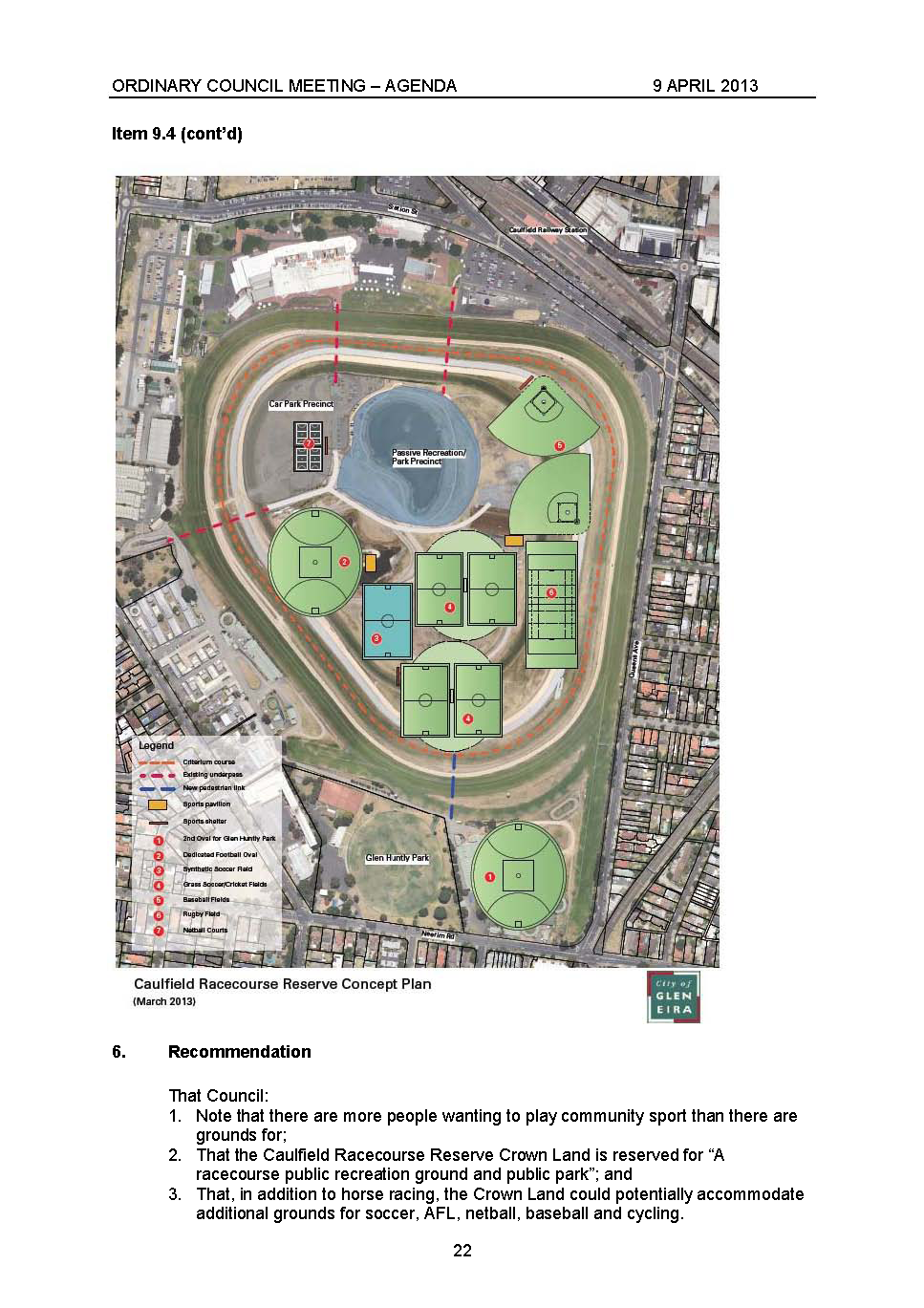
CENTRE OF RACECOURSE SPORTING FACILITIES

  • No mention of the independent consultant who was supposed to draft the report? Where is it?
  • From ‘no ball games’ the plan is now to have: 2 baseball diamonds, 5 soccer pitches, 1 footy oval, etc.
  • What secret discussions have been going on with the MRC, and Maccabi? Would council really propose something like this unless such discussions had already taken place?

Pages from April9-2013-AGENDA-2

LOCAL LAW & SPORT & RECREATION COMMITTEE MINUTES

  • Secret, closed meetings that continue with the useless navel gazing! Lipshutz promised the local law would be ready in February. There still is no Tree Register, nothing on Organised Sport, and a brief one sentence about ‘meeting procedures’. We are not privy to any of the ‘reports’.
  • Does the right hand really know what the left hand is doing? Why is the Sport & Rec committee suddenly discussing local laws? Why isn’t this done via full council meetings so that transparency is assured? When will the draft Local Law finally be ready or will it all be crammed into one meeting and thus hopefully rammed through like everything else this council does?

SELL OFF OF RESERVE

  • Is council really prepared to forego $40,000 because it might cost them $5000? Land has been valued at over $60,000 but council is willing to sell it for $20,000.
  • Is it mere coincidence that an adjacent property was sold last year and that the other neighbour is now about to acquire 130 sq metres for a song. Does he/she perhaps own the adjoining property and that we can expect an application to come in very soon for a huge development? Or are we merely being too cynical?

GESAC

More brilliant planning that has led to:

  • Another $120,000 to be spent on outfitting another ‘studio’
  • Another $125,000 spent on “better entrance and exit between the foyer and pool hall’
  • Still no word on costs for ‘liquidated damages’ and the Hansen & Yuncken legal battle

Guy races ahead, but where’s he going?

DateApril 5, 2013

The Planning Minister ticks off huge developments without sharing his vision for the city.

Victorian Planning Minister Matthew Guy.

Victorian Planning Minister Matthew Guy. Photo: Luis Enrique Ascui

Melbourne’s future is speeding down a freeway hitched to the ideological racing car of Planning Minister Matthew Guy – where it is going is anyone’s guess. Guy (pictured) is in overdrive: 70,000 new housing lots to be released on Melbourne’s fringe this year; dozens of skyscrapers approved; the CBD expanded massively; and big changes to Victoria’s planning zones.

Guy once said a single day in government was better than every day in opposition – he enjoys power. But what will his legacy be? What kind of Melbourne is he creating?

Melbourne is living with the mistakes of the past. Docklands was hatched in a time of developer-driven policy and now planners are cleaning up the mess. Guy’s approach so far has been to treat Melbourne like one big Docklands – developer-led planning.

What has many planners scratching their heads is the speed of action by Guy in approving development and the inertia in releasing a strategic plan for the city – how it will all knit together, what sort of city we are creating and why. Despite a decade in opposition and more than two years in office, the Coalition is yet to deliver a road map on how Melbourne should develop.

Submissions on a new metropolitan planning strategy closed last month and a draft strategy will be released in the middle of the year. By that time Guy will have approved more than 40 new towers, expanded the CBD into Fishermans Bend and Carlton and moved Melbourne’s boundary outwards by 5000 hectares. Guy has been all cart, no horse.

The delay in producing a development blueprint while rapidly ticking off developments raises questions on how seriously the government is taking the strategy, and risks the final product being seen as little more than tokenism. As Melbourne University planning expert Alan March noted recently, there should be more forward planning on how the plethora of new skyscrapers will affect each other and what new services are needed.

It is difficult to find any skyscraper application Guy has turned down. Some are not even being built – lucky developers selling dirt that has gone up in value because they have been given a high-rise planning permit.

And what impact will changes to Victoria’s planning zones have?

There will be more commercial tourism development in some of Victoria’s most-loved destinations, such as the Great Ocean Road, and more development in Melbourne’s green wedge areas.

What changed residential zones will mean for the value of people’s homes remains a big unknown. The neighbourhood residential zone will have strict development controls and it is unclear if this will add or detract from the value of houses. And what impact will these no-go zones – no doubt aimed at voters in the leafy eastern suburbs – have on residents in other areas of Melbourne? Will it mean high-rise developments in their streets because some suburbs have been locked up?

Guy says he is turning planning into an economic portfolio – but Melbourne needs a planning minister, not another treasurer.

Decisions should be based on what is best for the whole of Melbourne in the long term.

Guy is moving with such haste that decisions are being made with little detail.

A new metropolitan planning authority has been announced but no one has any idea what it will do.

One thing is clear – Guy believes in the government transferring much of the responsibility for planning the future of the city to private developers. State government developer Places Victoria has been slashed to the point of extinction.

Grand plans for world-best practice developments on Melbourne’s urban fringe are being axed and land sold off to private developers. Key urban renewal sites in Footscray that Places Victoria paid top dollar for are being sold at a loss.

Why? Why not retain the sites and sell them at a profit? Why should taxpayers sell cheap land to developers?

A Places Victoria insider said it was ”a terrible time to sell – we bought at the height of the market and now we are selling at the bottom of it”.

The government is about to complete an audit of all government-owned land, driven by Treasury, to determine what can be sold.

Unlike the Kennett government, which had major assets to privatise and collect big windfalls from, there is little left to sell except government land.

The government will be careful not to spook the horses with public land sales, and it will be spread out across agencies and departments, but it will happen and the public should be concerned.

While it says there will be no fire sale, the private sector is licking its lips. But what will be the legacy of this sale? Less land for new parks, schools and childcare centres. Future generations forced to buy land at higher prices because a previous government had a cash flow problem. Guy needs to slow down a little bit – planning a great city is not a race or a sale.

Jason Dowling is The Age‘s city editor.

progress leader

PS: We think readers will find the following Kingston Council Notice of Motion of great interest given what happens far too often in Glen Eira. The following is from the minutes of  25th March, 2013.

Notices of Motion

Notice of Motion – Cr West
Moved: Cr West Seconded: Cr Ronke
That Council adopt a position for mediation of a development
application only with the support of either:
1. all three ward Councillors, or
2. a majority of all Councillors.

CARRIED

There have been 2 recent VCAT decisions that we wish to highlight. In BOTH cases council’s planning department failed in its legal obligations – namely to alert resident objectors as to the council’s position on amended plans within the required 7 day period of notice. What this means is that objectors show up to the hearing with practically no time to adjust their claims or to prepare sufficiently for what could be a completely different set of circumstances. They are left out in the cold and perhaps totally unaware of the secret deals that have been made between council and developer. Certainly without sufficient time to prepare an adequate defence or to even contact council planners.

We’ve previously featured Hyams’ pathetic response to one such objector – the officer was on holidays. (See: https://gleneira.wordpress.com/2013/01/24/does-council-support-residents-or-developers/) Not good enough! How many such ‘rare lapses’ have taken place and what steps have been implemented to ensure they don’t happen again? How often will the same pathetic excuse be used to explain sheer incompetence or indifference to residents? How much longer will councillors allow the inefficiencies and lack of accountability to continue?

What is even worse is that the VCAT Watch reports reveal nothing of these incidents. It is spin all the way. Except, that if one bothers to go to the actual judgement the Glen Eira Version of History is revealed for what it is – a total sham!

Here’s what council’s version of events regarding the 14-16 Maroona Rd hearing stated (from the minutes of 5th Feb) –

Prior to the hearing, the applicant approached Council seeking support for amended plans which satisfied a number of Council’s conditions, whilst the plans also provided for a revised design incorporating twenty six (26) dwellings. The amended plans were considered to be satisfactory and, in principle, Council supported the amended plans.

What really happened though is revealed by the member –

Prior to the hearing the Permit Applicant circulated amended plans which were intended to be a response to, though not fully comply with, many of the Condition 1 requirements for amended plans sought to be imposed by Council. Prior to the hearing, further discussions were held between the Council and the Applicant, such that an agreed position between these two parties was presented to the Tribunal as to a modified form of Condition 1 that should be applied as a result of the proceeding under Section 80 of the Planning and Environment Act.

Ms Coram and the other residents had not been part of these discussions and at the start of the hearing declined an opportunity requested by the Permit Applicant to attempt to mediate the matter.

Further, the original application was for 27 units. The original DPC decision cut this back to 24 and then lo and behold we’re back up to 26 units and a reduction in car parking. So we now have 26 two bedroom units when one of the major planks of the Planning Scheme is to ensure that there is ‘diversity’ of dwellings! We insist that no bigger hoax has been perpetrated on residents that this bit of fluff and bubble.

There are some other comments that clearly show how little effort is put in by this council to ensure the bona fides of applications. None of this of course is evident in the officers’ report. We’ll simply extract those passages.

During the course of the hearing it occurred to me (ie member) that the shadow diagrams for 9.00am had not been drawn correctly. As a result at the conclusion of the hearing I gave oral orders for an amended shadow diagram to be circulated to all parties within seven days of the date of the hearing, and for the other parties to have an additional seven days to make further submissions, if desired. At the hearing all parties agreed that these timelines were sufficient.

During the course of the hearing Ms Bowden (for developer) submitted that due to the removal of the two existing crossovers to the review site, that one additional on street visitor space is to be created. On this basis, and considering Council’s support for the proposal following the review by their traffic engineers, I cannot see any reason why I should not approve the reduction of the standard visitor car parking requirement by one space.

Ms Silveira (objector), in her concerns regarding the intensity of the development, referred to the risk caused by the increased traffic levels to be experienced in Maroona Road. At no stage during the hearing was I addressed specifically in relation to the existing or anticipated traffic levels, or any difficulties experienced by residents in exiting the street to either Neerim Road or Glen Huntly Road. Given the absence of any such detailed submission, I must give weight to the assessment of the application by Council’s traffic engineers and the support for the development as expressed by Council. I therefore cannot find any reason to refuse to grant a permit based on traffic grounds.

The questions that follow have to be addressed by councillors:

  • Why are resident objectors not always informed of amended plans nor council’s agreement to these new plans AND if they are informed why is there not sufficient notice given as required by law?
  • Why does this council so often merely accept the developer’s  assessment of various elements such as overshadowing, traffic, parking, without checking the veracity of these claims?
  • Why did council not check the accuracy of the shadow diagrams?
  • Why has traffic engineering not insisted upon the car parking standards?
  • How much longer will councillors allow residents in Housing Diversity to be the sacrificial lamb to a flawed vision that desperately needs to be jettisoned?
  • How much longer will councillors sit in silence and permit shoddy reports to pass without comment, without serious questioning, and without proper analysis?
  • Are we right in assuming that this council has no respect for residents and ostensibly no respect for the legal requirements? If they did, then such incidents would not happen or would certainly not be allowed to continue!

If you know of any other incidents along similar lines then please contact us!


This is an exceedingly long post but one which is arguably the most important we have ever put up. It features the events surrounding the planning application for an Ormond 3 storey, 11 dwelling development at the last council meeting. The officer’s recommendation was to grant a NOD for 10 dwellings.

We believe the ‘debate’ that occurred on this application epitomises all that is wrong with planning in Glen Eira. It reveals the usual bogus and contradictory claims made by all and sundry, as well as the full inadequacies of the current planning scheme and its total disregard for residents in Housing Diversity Areas. We also wonder if Pilling and Sounness in particular, have the foggiest idea about planning or they are just there to support whatever is dished up to them. We can only shake our heads at the naivety, if not straight out stupidity of various councillors.

This will become obvious upon reading. We remind residents that the Emmy Monash development mentioned throughout, involved the granting of a permit for a 4 storey development on Hawthorn Rd. Lipshutz moved the motion about removing setbacks and this was supported by the majority. It also came to light that the developer just happened to be the same individual who was handing out How To Vote cards for the gang! (No conflict of interest was declared!).

We urge all residents concerned about the future of their neighbourhoods to pay careful attention to what transpired last Tuesday night. Our ‘commentary’ on this fiasco will feature in a future post – this is just a blow by blow description of our councillors ‘at work’!

Esakoff moved to reject the application. Seconded by Okotel.

ESAKOFF: refusal based on on ‘visual bulk’, ‘excessive height’, doesn’t meet ResCode standards of the planning scheme and doesn’t respect ‘neighbourhood character’ and Housing Diversity policy. Said that there are ‘several factors’ that fail to meet requirements here and that couldn’t be addressed by merely adding conditions. Spoke about ‘amenity impact on neighbours’ and ‘intensity of development’ as well as ‘set backs’ – especially building right on a laneway where bedrooms would be overlooking the laneway. It’s an ‘overdevelopment’ and therefore not ‘appropriate’ or ‘fits into’ this position in Ormond.

OKOTEL: started by saying that everyone thinks that ‘appropriate development’ should happen in Glen Eira but that the ‘key word is appropriate’. The planning scheme she claimed ‘sets out for everyone’…..‘what is considered appropriate’ and that this application ‘doesn’t meet those standards’. It ‘falls outside the upper limits’ of height, site coverage, and neighbourhood character.

PILLING: whilst he ‘appreciated’ the arguments put up so far, he was supporting the recommendation. The property is in a neighbourhood centre and a retail centre, and ‘within a very short distance’ there’s the railway station. Policy is to ‘encourage development in these areas’ and therefore ‘not in minimal change areas’. Thought that council therefore ‘had to be consistent’ since they were ‘trying to get appropriate increased development in these areas’. The application shouldn’t be refused even though it is slightly over specifications and there are ‘some detrimental aspects’ but this still shouldn’t ‘sink’ an application ‘like this’. If the motion to refuse failed then he would be moving a motion to accept the recommendations.

DELAHUNTY: said she didn’t ‘like’ the setbacks of the proposal and ‘I’m confused by my fellow councillors’ by applying the criteria of setbacks to ‘knock back applications on the one hand’ and then ‘not in another’. Referred back to the Emmy Monash 4 storey application on Hawthorn Rd that was passed and ‘some councillors’ argued then that setbacks didn’t matter. Now they’re arguing that it does matter. Said she was ‘confused’ about the setbacks and the ‘different directions this is taking’.

MAGEE: admitted that he had ‘no idea which way I was going to vote tonight’ and was hoping ‘to get persuaded by some really good arguments’ but that ‘so far all speakers have failed to engage me’. The laneway ‘probably saves it’ and then it starts to ‘encroach’ into residential. Asked then ‘where to draw the line’? ‘If nothing else, we have to be consistent’. Was hoping that someone could convince him but he told councillors that they’d just have to wait to ‘see which way my hand goes up’.

SOUNNESS: said he’d try to be ‘inspirational’ but that Magee ‘was a hard act to follow’. From a single house ‘we’re going to stick 11 dwelling on there’..’that’s a lot’…’a big up’ in density. But he’d ‘rather have a bunch of people’ that are close to transport and shops than put ‘in the middle of minimal change areas’. Asked where all the ‘extra people’ can go and what can be protected. Here, ‘they’re next to shops, they’re next to public transport’. Further, ‘it’s not a beautiful place to live’ and he wouldn’t like to live there, but ‘it’s not meant to be a luxurious’ garden area. ‘This is a place for dense living’ and you put this where ‘services and facilities are’. This application ‘might have issues with design’ but that’s the job of council’s urban designer and there are conditions that will deal with trees and access. Said that the ‘issue’ that the application ‘fails on is height’ but the rise of the land makes this about landscaping. He supports the recommendation.

HYAMS: agreed with Sounness and Pilling that ‘this is the right place for increased development’. Overall he wouldn’t ‘have a problem’ but he doesn’t ‘particularly like’ this proposal. Said there’s a difference between saying that we can have increased development and that ‘this is the building that should go there’. Thought that ‘too many issues’ on this application ‘required rectification’. Mentioned site coverage and ‘up the road from a flood zone’. Said that ‘we have rules’ and these ‘rules say 60% site coverage’ so this should be ‘60% site coverage’. It’s also 9.6 metres high and should only be ‘9 metres maximum’. Also that it’s right on the laneway also ‘concerns’ him. Trucks use the laneway and he wouldn’t like to have trucks going ‘thundering’ down outside his bedroom window so that ‘also concerns me’. ‘Generally’ he doesn’t mind tinkering with application because individually all these things wouldn’t necessary occasion a refusal, but taken together ‘there are too many of these things’.

Said that Delahunty’s view of lack of consistency over the Emmy Monash decision but that the setbacks there were ‘the front setbacks’ and ‘still quite a few metres off Hawthorn Rd’  unlike this one which would be right ‘up against the laneway. Said that Pilling and Sounness’s  foreshadowed motion doesn’t deal with the issues he’s outlined and ‘doesn’t make those adjustments’ so if councillors want ‘adjustments’ they should vote for the motion to refuse.

ESAKOFF: ‘an application either meets policy or it doesn’t. This clearly doesn’t’. Reiterated the argument about ‘too much’ site coverage and height and said that ‘if there was a way to address this via conditions that would have been done’ but here it would require a ‘total redesign’. No application like this would come in for a minimal change area. ‘It is in the right spot, housing diversity’ but ‘it has to meet policy’. ‘Increased development is right for this street’ but ‘it has to fit’. Urged councillors ‘not to look at the address’ but as an ‘application for anywhere in Glen Eira and vote with your conscience’.

HYAMS put the motion. Voting in favour of refusal were – HYAMS, ESAKOFF, OKOTEL. Voting against – MAGEE, DELAHUNTY, PILLING, SOUNNESS, LOBO. Motion lost.

Pilling then moved the motion to accept ‘as printed’ and Sounness seconded. Neither Pilling nor Sounness spoke to the motion.

OKOTEL: said that what worries her is that this suggests that ‘it is acceptable to push the limits of the Glen Eira Planning Scheme’ and also to ‘exceed them’. Said that there’s a policy in place because after consultation with residents that ‘was seen to be what was needed’ for the area and ‘if we don’t apply and uphold our planning policy’ then the question is whether ‘we can blame VCAT for not upholding our policy’? Said that it’s important for councillors to ‘stick to our policy’ and don’t allow applications that go beyond height and site coverage or set backs. Since these standards have been set they should be supported. This application just says that ‘it is acceptable to push those boundaries’ and that ‘anything goes’ in Glen Eira. Went on to say that the planning scheme developed in ‘consultation with residents’ is ‘what they want’ and councillors should stick to that. “I think it’s a sorry day when councillors cannot uphold their own scheme’ and then ‘look to vcat’ when it says that council doesn’t care about its own scheme.

DELAHUNTY: asked Akehurst a question. Since both Okotel and Esakoff had said that the application doesn’t meet ‘planning policy’ she wanted to know whether ‘this application meets planning policy or does not meet planning policy’?

AKEHURST: said he was caught in ‘crossfire’ here and that the application ‘demonstrated’ the problems with people not understanding town planning. Stated that there’s the government code called ResCode which is how the government thinks ‘Victorians should live’ and that has ‘prescriptive standards’ and in this application some have been met which Okotel and Esakoff pointed out and some haven’t such as the 9.6 height which should be 9 metres. ‘There have been other standards which have been breached in this application’ – ie site coverage. ‘But this is where it gets difficult’ since Rescode is ‘interpreted as a guide’ and councils are being asked to ‘have overall’ views on the ‘objectives’ of each of these standards. So, ‘it is possible to say that objectives of certain measures of ResCode have been met’…’even though the prescription has been clearly breached’.

DELAHUNTY: said that she is again ‘expressing my confusion’. Quoted Okotel in saying that it would be a sad day when council doesn’t apply its policy. ‘I stood here and I argued as hard as I could about the setbacks on Hawthorn Road’. Disagreed that ‘it doesn’t affect people’s amenity’ and that people complained ‘directly to the applicant’ and to council about the setbacks ‘and we didn’t enforce’ it. ‘That was a sorry day!’ ‘This is in line with policy’.

ESAKOFF: agreed that it is a ‘sorry day when we can’t uphold our policy’ and when they do what vcat is criticised for doing.‘ Our policy is supposed to be superior to all other municipalities’ and that ‘we protect our residents more than all other municipalities’. Said there’s policy and that ‘we need to be upholding those’.

MAGEE: said that policies ‘are not laws, policies are guidelines’ and it’s up to councillors to accept, reject or modify the proposal and that ‘we’ve had several weeks to do that’. If it’s all about just policy ‘then we might as well not be here’ since they’re superfluous. Asked why councillors who ‘do not have a 4 year degree in town planning’ are necessary if the policy should dictate everything. Said councillors are just ‘mums and dads’ who ‘live next door to developments’ and the decisions are based on asking oneself whether they’d like to live next door to something like this. ‘We will always interpret a guideline the way we need to interpret a guidelines’. Rescode and the planning scheme has to be looked at by officers and then councillors. Said that councillors have to make the decision based on what they think after digesting all the information and not just according to the guildelines or policy because there’s no need for councillors if that’s all they had to do.

HYAMS: said that in planning some things are ‘objective’ and some things ‘subjective’. Some things are ‘measures’ like site coverage and ‘easy to apply’ but other things like neighborhood character and front setbacks ‘are a bit harder to apply’. Setbacks are ‘measured by the average of other houses in the street’. Emmy Monash has got one nearby property right on the street and another one across the road, ‘right back’ ‘so there’s room for interpretation’. This is also true for neighbourhood character. What councillors should be doing is that ‘where it’s prescriptive you apply it’ and ‘where there’s room for interpretation you interpret it’. Referred back to last council meeting and the sign that was applied for the Kittens car wash. Here ‘policy was very clear’ in that there was ‘nothing in planning policy that said you couldn’t have that sign’ but some councillors were worried about the content of the sign and its influence on gender issues. These arguments he claimed ‘weren’t relevant’ but that some councillors ‘used their subjectivity on that’. And ‘a couple of those same councillors are saying that we should let this’ application go through. Mentioned another decision about alcohol for lawn bowls club and some councillors again voting against this but are ‘somehow managing to vote’ in favour of the application ‘tonight’. So he doesn’t want to hear ‘lectures on consistency’ from those councillors.

MAGEE then asked ‘which ones’?

DELAHUNTY: then said ‘I think Okotel because she also voted against the sign. Is that right?’

HYAMS: said that since Okotel is opposing the motion she’s being ‘consistent’

OKOTEL: asked Delahunty to withdraw her remarks.

HYAMS: said that Delahunty’s comment ‘was out of order’ since she ‘didn’t have the floor’ but didn’t say ‘anything that goes against the Local Law’. Went on to say that there are subjective elements and that ‘it’s up to each councillor to apply them as they see fit’. This application has some breaches which ‘are a lot less’ capable of involving ‘subjectivity’ and because ‘this breaches so many prescriptive measures we should refuse it’.

PILLING: thought that everyone’s got the ‘best intentions’ and that’s why these sorts of applications come to council since there are always ‘two sides’ to the issue. ‘On balance’ he’s recommending accepting the recommendation.

MOTION PUT: Esakoff called for a division. In favour: Delahunty, Sounness, Pilling, Magee, Lobo. Against: Esakoff, Okotel, Hyams. Motion carried.
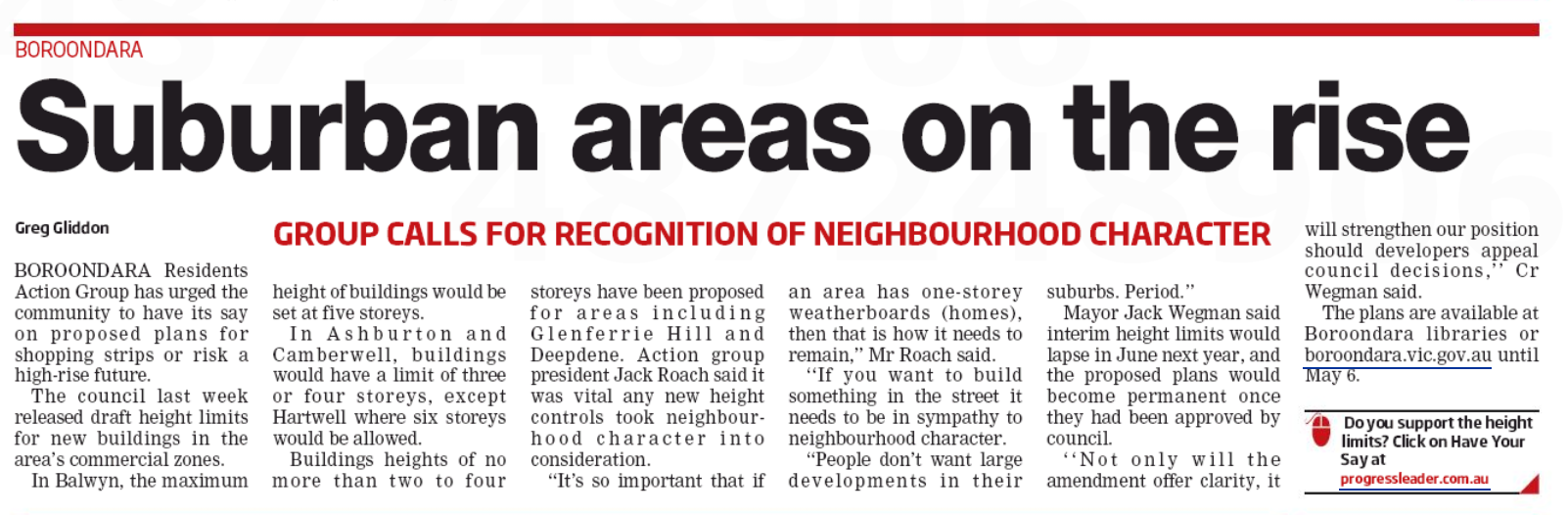
 A public question was asked at the 5th February Council Meeting. It read:

“Glen Eira Council is reported as having made a submission to the Ministerial Advisory Committee investigating Development Contributions under the Planning and Environment Act. Will Council make this submission public and accessible to all? When was this issue discussed with councillors?”

The Mayor read Council’s response. He said: “In September 2012 Councils were asked a standard list of specific technical questions relating to the DPCD position paper entitled Standard Development Contributions Paper – A Preferred Way Forward.

Council officers provided answers to these technical questions in October 2012.

Councillors were informed of this during that time.

It is understood that Councils and members of the public will be given opportunities in the future to make further submissions.”

Since then there has been no public disclosure, and no further mention of this important issue. Even worse, the fact that councillors were ‘informed’ does not feature anywhere in the Records of Assembly for this period. Conclusion? Either the Records of Assembly are a total (censored) joke, the ‘informing’ was a brief verbal aside, or perhaps did not even take place?

We’re getting mightily sick of revealing how often this council is out of step with the majority of its neighbours. This is not the first time that submissions to various committees or government have not been ratified by council resolution first off (as done in other municipalities) much less made public. Residents have no idea as to how this council votes at MAV conferences; what positions will be taken, or much about anything. We even wonder if councillors get a look in, or have a say on anything. Yet they do nothing!  They allow residents to be treated like mushrooms and the disease of inaccurate reporting and secrecy continues unabated.

The development contributions is a vital issue for any municipality that is experiencing the unprecedented growth that Glen Eira is. Given that this council has REMOVED the contributions from its planning scheme it becomes even more important that residents know what council’s position is. Will Newton and his cohorts meekly accept the pro-development agenda, or will there be some insistence that ratepayers stop subsidising greed?

Below are the views of our neighbours – all made public and above board – not like Glen Eira City Council!

1. PORT PHILLIP EXTRACTS

http://www.portphillip.vic.gov.au/Report_3_-_Submission_to_Standard_Development_Contributions_Advisory_Committee.pdf


There remains a bias in the design of the proposed development contributions framework towards the establishment of development contributions in growth areas. This translates into some gaps in the frameworks application in established areas where project delivery can be much more complex and expensive that broad acre green field development. These gaps include:

• Assumptions about spare capacity in existing infrastructure to cope with development.

• The suggestion that a “25% discount” be applied to standard leviesin established areas compared to growth areas.

• Failure to recognise the complexities and additional costs associated with development in established urban areas.

• The significant land cost component in the provision of new infrastructure in established areas.

Project contingencies cost allowance set at 10% of project cost. A contingency set at a standard 10 % is very low for projects, particularly in inner urban areas. This should be scaled across a range in accordance with industry best practice and be project specific.

There is no recognition in the proposed framework that additional growth in established urban areas can create “tipping points”, exceeding infrastructure capacity and rendering some types of existing infrastructure redundant. This in turn will necessitate complete replacement in order to upgrade the capacity.

The framework proposes that historical capital works expenditure and population growth over time be used as a basis to set the contribution for new development. This approach is not supported as it:

• has no direct relationship to actual need for infrastructure generated by additional growth relies on historical spending that may not be an accurate indication of either infrastructure cost or infrastructure need

• takes no account of the nature of the population increases and subsequent infrastructure needs

• does not allow for consideration of current standards and costs of infrastructure provision

• is contrary to the basic tests of need and nexus that have long been established in setting development contributions.

2. BAYSIDE

http://www.bayside.vic.gov.au/5_March_2013_Councillor_Briefing.pdf

in the councillor briefing notes under – ‘proposed submission’


3. STONNINGTON (uploaded in full here)

  • The application of the Development Levy Scheme (DLS) to only large scale Strategic Redevelopment Areas lacks the flexibility needed to respond to the various levels of development occurring and infrastructure needs across metropolitan Melbourne. The needs in the Chapel Street Principal Activity Centre are not considered.
  • That the DLS decision making process should include a Social Impact Assessment

« Previous Page — Next Page »