GE Planning


The prize for the most inane, devious and arguably dishonest Councillor comment of the year goes hands down to Hyams in the ‘discussion’ on the Caulfield Village amended Development Plan.

For someone who is so meticulous about quoting ‘planning law’ back to residents time and time again, it is literally inexcusable for a councillor to make the following comment – ‘I don’t know that there needs to be that diversity in every site – there needs to be diversity across Glen Eira’. . So even though there will be many one and two bedroom places there are ‘family sites around the area’ so that’s the diversity.

Not only is this a flagrant misrepresentation of council’s own Planning Scheme it is in total opposition to State policies – which we are sure that Hyams knows. Clause 55 of the State provisions reads:

To encourage a range of dwelling sizes and types in developments of ten or more dwellings.

Developments of ten or more dwellings should provide a range of dwelling sizes and types, including:

􀂃 Dwellings with a different number of bedrooms.

􀂃 At least one dwelling that contains a kitchen, bath or shower, and a toilet and wash basin at ground floor level

It would seem that Hyams and Pilling would stoop to any level in order to defend their previous decisions on C60 and the development plan! Readers should also take careful note of the nonsense presented by Okotel. Below is the full ‘discussion’

Pilling moved to accept the motion ‘as printed’. Lipshutz seconded.

PILLING: said he chaired the planning conference and that this has a long history going back to 2011 and the C60. Went through the details of the amended plan – ie increase in dwellings but that the ‘building envelope doesn’t change greatly’ even though there are ‘some changes in setbacks’ and ‘increases the size of balconies in some apartments’. These are all ‘relatively minor changes’ and the ‘main change is in the makeup of apartments’ – reduction of three bedroom and increase in one/two bedroom apartments. ‘This is a relatively minor change’ given the overall number of dwellings. Said he was ‘happy to accept the recommendation as printed’.

LIPSHUTZ: said that he ‘looked very carefully’ and because of the more car spaces thinks that this amended plan ‘is a better outcome’. Increased dwellings ‘wouldn’t cause any detriment’ to people. He thought it is ‘appropriate and I am supporting it’.

DELAHUNTY: was against the amended plan for same reasons as she was against the original plan – lack of social housing when the Incorporated Plan ‘quite unequivocally’ said that it would provide social housing. With the changes in ‘housing stock’ that the amendment proposes, this gives the developer a ‘great opportunity’ to provide for social housing – but it doesn’t do this. ‘It is absolutely against every value that I hold’ that social housing isn’t provided ‘in a variety of manners’ on such a huge site. Said ‘they can’t’ put social housing until the very last precinct goes up and ‘then shove some very cheap apartments on top’. ‘Social housing should be provided at all levels’ of the development. Here’s the opportunity to do this, but they haven’t and they won’t ‘until someone forces them to’.

HYAMS: said there will be more apartments, thus more people, but the ‘building still stays’ within the parameters of the incorporated plan. Said that objectors raised the issue of ‘lack of diversity’ but ‘I don’t know that there needs to be that diversity in every site – there needs to be diversity across Glen Eira’. So even though there will be many one and two bedroom places there are ‘family sites around the area’ so that’s the diversity. As for social housing ‘that is a requirement’ for the end of the development but ‘I don’t think there was a requirement’ for social housing in ‘every single part’ of the development. Didn’t think that it was ‘appropriate’ for council to ‘move the goal posts’ now in regard to social housing. He was ‘sure this would be enforced in due course’.

ESAKOFF: said there were ‘pros’ and ‘cons’ and that initially she thought that 442 dwellings ‘was sufficient’ but when 3 bedrooms were the ones ‘becoming’ one and two bedroom she noted that there were some ‘improvements’ in balcony sizes and setbacks and that agents had said that 3 bedroom apartments ‘don’t sell’. She asked Torres ‘how many’ three bedroom apartments ‘have been removed’ from the original plan.

TORRES: ‘I can’t find the precise number’ but he thought that there was a ‘noticeable reduction in three bedroom’ apartments.

ESAKOFF: said that leaves about 26 3 bedroom apartments but in terms of ‘percentage isn’t fantastic’ but still better than in other developments across Glen Eira. Was still ‘tooing and froing’ on the motion and was happy to listen to what others had to say.

SOUNNESS: thought that council has a ‘weakness’ in that they don’t have a ‘model’ for housing in diversity areas. Having ‘large apartments’ to ‘accommodate families is a very good thing’. Thought this would end up being student accommodation and that 3 bedroom apartments ‘should be protected’ and he was voting against.

OKOTEL: supported the motion because there are ‘design benefits’ like increased setbacks and ‘improved amenity’ for some of the apartments. Like Esakoff she was ‘concerned’ about the reduction of three bedroom apartments but she accepts that these could ‘be difficult to sell’ and ‘nobody wants to see vacant dwellings’ especially when ‘there is such a need for housing’. ‘It’s better that apartments are built and purchased’.

LOBO: ‘people accepted’ the first application ‘althougn they were not happy’ and now ‘we are trying to rub vinegar on their wounds’. Issue isn’t about an extra 21 dwellings since they are increased ‘to maximise profits’.

MAGEE: agreed with Delahunty. Said that ‘over half of the apartments do not provide sufficient open space’ and nor is there the ‘appropriate diversity of housing’ nor social housing.

PILLING: benefits of increased carparking. On profit council has to look at the ‘planning process’. 26 3 bedroom places ‘are a plus’ but’ not for us to determine’. Said that council ‘can encourage but we can’t actually have that law’. And this also applies to ‘social housing’. This will ‘happen’ at some point and ‘it’s up to the developer to provide it’ even though council might like it in ‘every part of the development’. Just because council doesn’t ‘like’ it isn’t enough reason to vote against. Council has to make its decisions on ‘good planning’ processes such as the planning scheme, incorporated plan and development plan.

MOTION PUT AND CARRIED – VOTING IN FAVOUR – PILLING, ESAKOFF, OKOTEL, LIPSHUTZ, HYAMS

VOTING AGAINST – LOBO, DELAHUNTY, SOUNNESS, MAGEE

Another very, very long post so our apologies. However, the significance of the issue, and what occurred is we believe deserving of a full and comprehensive report.

The following discussion on the Lobo request for a report on the impact of the new zones is quite astonishing. It is replete with:

  • Incorrect information and countless bogus or misleading statements by councillors
  • The non–existence of good governance revealing clearly how decisions are made behind closed doors and that council meetings themselves are only the ‘public performance’ of these pre-determined decisions.

We ask readers to keep in mind the following:

  • Labor pre-election only committed to reviewing the PROCESSES involved in the IMPLEMENTATION of the new zones – not the zones themselves or where they are placed. On this alone Glen Eira should be condemned for its failure to inform, much less ‘consult’ with residents!
  • Lobo’s request for a report said nothing about the ‘building boom’ – yet what is produced is a document that seeks to divert the focus with page after page of ‘discussion’ on the ‘building boom’. Extraneous but self-serving!
  • Hyams’ and the report’s dissembling and deliberate obfuscation of the ‘facts’. Building approvals are NOT the same as planning permits for new dwellings – which we have no doubt he and the administration is well aware of.
  • Magee either does not know about the spread of the zones or he simply does not care. There are NOT 3 RESIDENTIAL GROWTH ZONES in Glen Eira as he claims. In fact there are 5 – two of which are NOT in Activity Centres or anywhere near railway loops.
  • Lobo’s motion does NOT state that the minister should review ‘where the zones’ were put as some councillors inferred!
  • The most crucial and telling point that is missing in all that follows is the continued refusal of this council to be proactive and begin to investigate first off, if anything needs changing, and then going about the processes to implement those changes. The first step in all of this is the amendment process. Countless other councils (post zones) are still consulting, still putting up amendments, and still fighting for better outcomes for their residents. They are not sitting back and saying ‘we could be worse off’ or leaving (review) decisions to ministers. These councils are doing the work themselves in consultation with their constituents. There is no scare mongering, no delays, and no waiting on ministers to initiate anything! Amendments originate first from councils. But that requires the will, the work, and the possible admission that perhaps ‘we were wrong’. All not part of the Glen Eira ethos and culture!

+++++++++

Lobo moved motion which was an ‘alternative’ to the recommendation(s) – (1) council notes the report and that there has been a ‘development boom in Victoria’. (2) that monthly figures show an ‘upward trend’ in Glen Eira (3) March 2015 data hasn’t ‘been included (4) there has been an ‘extraordinary increase’ in Carnegie, North Caulfield and Bentleigh (5) new zones don’t permit anything more than the ‘former arrangements’ (6) new zones ‘provide certainty’ (7) there are height limits (8) new zones have ‘directed developments to where it should be’ (9) development in General Residential Zones is ‘changing the neighbourhood’ and placing ‘some pressure on current homeowners’ (10) Council to write to Minister and ask him ‘what he would like to do’ in regards to the new zones. Delahunty seconded.

LOBO: said that the ‘data’ showed an increase in the number of new dwellings post zones – 744 after and 426 prior to the introduction of the zones. Said that it is true there is a development boom and more people arriving. Said that two main things had changed when looking at the old and new zones. Previously councillors ‘had the authority to take into account’ objections and with the ‘planning policy in place we would make the proper decision’. With the new zones there is ‘certainty to the builders’ where they can build and ‘thus the council power is limited’. Council ‘has to follow the law’ of the government. In all of this, ratepayers are ‘subsidising property developers’ as shown by the application fees discussed in Item 1. Therefore ‘we need to graciously accept that there is a need to go back to the drawing board’ since there is ‘always room to review’. Said that ‘we have heard and saw placards in the gallery’. He accepts that council sought ‘the best possible outcome’ from the government but ‘it would have been safer’ if they ‘had gone to the community’ and ‘showing them the new zones’. Claimed that the ‘new government’ takes ‘a different approach’ and is having a ‘review’. Wanted to ‘use that opportunity to obtain a far better outcome’ and to ‘leave a legacy’ that council has gone to government and it will help ‘mitigate the growing concern’ of residents. Said he checked with Bayside and that they will have 0.02% as a Residential Growth Zone; and 1% of Boroondara is a Residential Growth Zone whilst Glen Eira has 2.2% as the growth zone. Asked councillors to ‘put their differences aside’ and to ‘get the state government to rewrite the history on residential zones’ and to ‘protect the residents’.

DELAHUNTY: said she supports Lobo but would ‘like stronger language’ about what council writes to the Minister. Stated that it’s a ‘worthwhile report’ and shows increased development which isn’t ‘unexpected’ and has ‘gone into areas that we almost predetermined that it would go’. ‘We did seek an arrangement with the former government’ but not sure if ‘that is currently the best deal on the table’ given that other council have got improvements. So the motion is basically a ‘due diligence exercise’ to ensure that what Glen Eira has ‘got at the moment is the right thing’. Said she would like the Minister to ‘have a good look at East Bentleigh’ and she’s not sure about the ‘piece meal planning’ they go through with every application that the ‘zoning is correct’ especially since there is a ‘lack of public transport’ . She also met Elsternwick residents who were advocating for more growth zones in that suburb’s commercial area. Council has always said that if they say where development can’t go, it is their responsibility to say ‘where it can go’. As an Elsternwick resident she ‘supports that – yeah it can go there’ since ‘it’s on top of a train station’. Council can’t do anything about transport in East Bentleigh ‘but we can certainly have a look’ to see ‘if the zoning is right’. She ‘hopes that the Minister will do that’ and if the residents support increased development ‘in that little pocket of Elsternwick’ then that should also occur. Said it’s ‘not a statement that we did the wrong thing’. ‘We all stood here and talked about whether we were doing the wrong thing at the time’ and ‘whether or not we took that to the people’ . She is ‘convinced that the consultation we did prior’ ‘informed how we went about seeking those zones’. Also, since other councils have ‘differences’ in what ‘they were able to achieve’ so it’s ‘really an exercise’ to ensure that ‘we’ve got the best outcome’. Perhaps the Minister might come back and say ‘yes, you’ve got the best outcome’ or maybe he might come back and says ‘we need to pull it back here, we need to put a schedule there’.

PILING: thanked Lobo for requesting the report and that there is ‘some good information here’ although ‘not surprising’ that Carnegie and other suburbs have had ‘more development’. Said that ‘the problem’ with Lobo’s motion is that it ‘draws the inference’ about Glen Eira but that the ‘whole of Melbourne’ needs to be looked at in order to ‘see what is happening’. Said that they are being asked to ‘adopt a policy position’ in saying that ‘the present zones aren’t working’ but ‘I think they are’. He also wasn’t happy with ‘some of the language’ of the motion such as ‘extraordinary increases’ and this isn’t ‘reflective of where this council is’. Claimed they ‘did a lot of work 18 months ago’ and it gives ‘surety’ to developers and residents. Agreed with ‘part’ of the motion that there is development in areas where ‘it should go’. Said that Lobo mentioned Bayside and the current government’s promise to ‘review the zones’ but in his view these are both ‘politically expedient’ and Bayside has got an ‘unusual arrangement’ whilst the review was promised under ‘political pressure’.’I am not in favour of a review’ and although not against talking about ‘improvement’ didn’t think that ‘this was the place’ to ‘set upon a ‘policy position’.

LIPSHUTZ: agreed with Pilling and it was a ‘great report’. Read out Lobo’s clause about ‘extraordinary’ development in Carnegie, etc and then asked ‘what’s so extraordinary’ about this given the ‘boom throughout Victoria’? Said that there’s ‘nothing extraordinary about this’ since development is going on ‘everywhere’. Said that Lobo ‘talks about the old ways’ but ‘now we have certainty’ for ‘everyone’. Previously there was ‘policy that VCAT ignored’ but now ‘we have law’ and ‘people know exactly what can be built and what can’t be built’. He has difficulty with the item where Lobo wants council to ‘write to the minister and see what he wants’. Couldn’t ‘understand’ this. Asking him what he wants means ‘don’t worry what we want’. It should be council that ‘sits around’ and ‘talks’ about whether ‘there are improvements’ that could be made. Then after they’ve decided they ‘advocate to the minister what we want’. You don’t go to the minister and ask ‘what do you want’ – ‘that isn’t the way this council ever operates’. Lobo also talked about ‘pressure on homeowners’ next to developments but ‘ultimately you’re looking at the building boom’ and with development ‘suburbs are changing’. Today things aren’t all ‘triple brick veneers or Californian bungalows’. ‘We are looking for development’ and because of the zones ‘we have certainty’ about ‘what we want to do’. Thought the ‘intention’ of the motion was ‘good’ but ‘analysing’ it, ‘it is wrong’.

SOUNNESS: wanted Lobo to clarify part of his motion about writing to the Minister and Lobo said ‘I have changed that. I have left it out’.

Lobo then read out the clause again and this time said that since the new government had ‘promised’ to ‘have a look at the new zones’ that council writes to Wynne to ‘comment’. Several councillors then commented that this is now different to what the original motion stated.

MAGEE: ‘that is quite different’.

LOBO: ‘that’s right’ because ‘when we had the discussion inside we changed it’.

LIPSHUTZ: ‘point of order’ about the different motion.

MAGEE: asked Lobo if there ‘was a different document’ that he was ‘reading from’

LOBO: said he changed it because in the ‘pre-meeting we had some disagreement’ and that ‘people were not happy with my words’ so ‘I changed’ it.

MAGEE: told Lobo that councillors now ‘didn’t understand what the motion is’. Lobo claimed ‘it was the same one’ but Magee said ‘I don’t believe it is’.

SOUNNESS: proposed that what Lobo read out the second time is different and that the second version should be the motion.

LOBO: said that he had to ‘change’ things because of ‘some words’ which were part of the ‘internal document’ that ‘didn’t go to the public’. Lobo read out this part of the motion again that council writes to the Minister to ‘see what he wants to do’.

LIPSHUTZ: commented that that was what Lobo read out the first time.

Magee asked Sounness if ‘he was happy’ and Sounness said he was.

SOUNNESS: said he’s got an issue with several item in the motion. Sounness ‘didn’t feel’ that the development in Carnegie and Bentleigh was ‘particularly extraordinary’ and it was all ‘part of the general boom’. Problem with paragraph j is that it makes it sound as ‘if we’re advocating for change’ but what council is doing is just enquiring about the ‘review process’ and that they are not ‘asking for anything particular to be done’. Another problem is that the document ‘hasn’t spoken about Bayside’ or other municipalities. ‘Knows’ that there’s development ‘generally speaking’ everywhere but the report doesn’t cover this and how people will be ‘fitted in’. Said that there have been comments that what is occuring in Glen Eira ‘is unfair’. Said that ‘there are processes to go through that’ and asking the minister isn’t the right process because the ‘process should be’ for ‘all of Victoria’ to ask how the growth can be accommodated. ‘What can Melbourne do’ and how Glen Eira ‘would fit into those elements’. Acknowledged that others had ‘received good outcomes’ from their rezoning. Glen Eira in their ‘negotiation’ received ‘greater permeability’ and setbacks.’Some councils have won and some councils have lost’ as a result of their ‘negotiations’. In terms of voting on the motion he would ‘have to think about things as they progress’.

HYAMS: agreed that council should write to the minister. Said people could read the figures and because there is more development come to the conclusion that ‘the zones must be the cause’. Said this isn’t ‘necessarily the truth’ because other factors are involved. What’s important is ‘whether there have been more approvals in Glen Eira’ compared to other similar council areas. ‘Given the building boom it’s very unlikely that that’s the case’. The ABS table in the report shows that building approvals have increased ‘across the board’. Said that the new zones aren’t stopping people building anything ‘they couldn’t build before’ but ‘there’s plenty’ that could have been built previously but now ‘can’t be built’. This is especially true of the Neighbourhood Residential Zones where there is ‘far greater’ protection than before but ‘also true’ for RGZ and GRZ zones because of ‘height limits’ and setbacks. Claimed there was a ‘rush’ to beat the implementation of the zones. Said that ‘there are some who keep saying that the zones allow more’ but for him these people fit into 3 categories – to make money; playing politics and those who ‘who are being mislead by the first two’ categories. Said that ‘without the zones’ there still would have been an ‘increase’ but council ‘wouldn’t have had tools as good to deal with the increase’. Further, it ‘doesn’t mean’ that maximum heights are always granted. Council ‘still takes into account neighbourhood character’. Said that the zones were ‘overall a positive’ but if the government wants to review, that ‘doesn’t mean’ that council wouldn’t be ‘seeking an even better outcome’. But he doesn’t want to ‘suggest’ that the ‘new zones weren’t a good idea’ because he is ‘adamant that they were.’

OKOTEL: Stated that she in asking the government to ‘review where the zones are placed’ she ‘maintains’ her position on consulting with the community and that council should have consulted before bringing in the new zones and the ‘proposal they put’ before government. Felt that ‘the proportion’ of neighbourhood residential zones to general residential zones ‘is a good outcome’. Worried that by asking ‘the minister to review these zones’ then ‘we are allowing open slather for the minister’. Said that ‘again we are not consulting’ before ‘asking for a review’ and that this is ‘highly inappropriate’. Thought that ‘we should always consult with our community’ prior to ‘putting forward such a major proposal’ that ‘the zones be reviewed’. This becomes even more important since council doesn’t ‘know what this review looks like’ and they haven’t had a response to their letter. So now going ‘to the minister and asking for a wholesale review of our zones’ and especially ‘not knowing what implications there are’ is a ‘huge, a massive risk’. Council could lose ‘that 78 protection’ or maybe ‘gain greater residential zone coverage’ but if council loses then ‘it would be a devastating outcome’. Thought that if ‘asking for a review’ then council should ‘first consult with our community’ instead of ‘providing open slather for the minister’. Councillors ‘have a responsibility to ensure best outcomes’ and ‘not pass the buck to the State Government’. Wanted council to ‘keep advocating’ for residents.

MAGEE: only the Minister ‘can do anything’ about the zones. When in opposition, Labor was ‘very clear’ that they were going ‘to review zones’ but haven’t done ‘anything about it so far’. He ‘believes’ that ‘we’ve got a very good system’ . In 2009/10 there was a ‘public review’ of the planning scheme and three things emerged that residents wanted – height limits, buffer zones, and ‘less discretion at VCAT’. ‘That’s exactly what the zones are doing’. Regardless of council ‘advocating for this change or that change’ or whether ‘we want a review the minister at any time can review’. Said that MPs are asking the minister to review zones in their electorates. Said that council was’ criticised at one point for not consulting’ but he thought ‘we very much did’ and now to ‘do a review of our consulting’ they would be ‘accused of doing the very same thing’. Glen Eira’s ‘system puts development’ where he thinks ‘it should be’ – in activity centres and along transport routes. Said that there are 3 Residential Growth Zones and the rest of the residential zones are in ‘shopping strips’. Thought that Glen Eira ‘is very, very lucky to have what it has’. If the minister ‘wants to tinker with that and reduce that’ then no council would have room for residential growth zones. If councils all got what they wanted it would all be neighbourhood residential zones. This would be ‘totally inappropriate and disrespectful’ to the 1000 people a year who come to live in Glen Eira. They have to be ‘accommodated somehow’ and currently council has got a ‘system that I certainly won’t be voting to change’ until the minister tells them ‘what that change will look like’. Was worried that if council ‘opened this up’ that the growth zones would increase and ‘neighbourhood zones would decrease’.

LOBO: said that if there were ‘second thoughts’ then they shouldn’t have asked for the report. Said Okotel was ‘right 50%’ but ‘it doesn’t mean that our realisation’ since the introduction of the zones ‘should be just kept under the blanket’. Stated that his intention was ‘to pin down the minister for just making promises’. Lobo ‘wanted to check if he meant what he said’.

MOTION PUT: VOTING IN FAVOUR – LOBO, DELAHUNTY.

VOTING AGAINST: LIPSHUTZ, PILLING, HYAMS, OKOTEL, SOUNNESS,ESAKOFF

MOTION LOST.

Hyams then moved motion that council write to the minister and ‘enclose’ their letter of December 23rd and telling him that council hasn’t as yet got a response to that letter. Lipshutz seconded.

HYAMS: given the four months for no reply, it is worthwhile resending letter and will be ‘useful to know’ the ‘form the review may take’. Thought it was a ‘good report’ and disagreed with Lobo that ‘we didn’t see things the way that he wanted to move his motion’.

Lipshutz didn’t speak to the motion.

DELAHUNTY: thought the report was ‘useful’ and thought that what Lobo was trying for was to ensure ‘that we still have the best deal’. Said that there is ‘hand wringing every time there is an application in front of us’ especially along Neerim Road – ‘oh what can we do?(sarcastically)’ ‘well what we can do is ask for a review of the zones!’. Said that there ‘no harm’ in asking for a response from the minister to an earlier letter. Said that judging by the previous comments from councillors and the focus on consultation she asked Hyams to include an amendment in the letter that insisted on ‘community consultation prior to any changes’. Hyams agreed to the amendment.

Lobo then wanted Hyams to ‘read out’ the letter sent to the acting planning minister of the time. Hyams told him it was ‘in the agenda’. Lobo asked again if he would read it out for people ‘in the gallery’.Magee said the gallery has got the agenda and that ‘we are pressed for time’.

LOBO: said that his role was to give council the chance to ‘be transparent’ because ‘we are all the time accused that this council is not transparent’.

MAGEE: asked Lobo if ‘you feel that this council is not transparent’?

LOBO: ‘it is not what I believe – it is what people say’

HYAMS: said that those complaining about council not being transparent are ‘themselves very transparent’. Thought that ‘it is our role to get the best deal we can’ and ‘if it becomes possible to get a better deal maybe we should go for that’. First council needs to ‘know things the way they are’ and write to council for this information.

MOTION PUT AND CARRIED UNANIMOUSLY

Untitledletter1 letter2

Two further applications for Neerim Road are up for decision at the next council meeting. If approved, this will mean (potentially) another seventy eight dwellings for this already overdeveloped road.

The latest trend in officer reports is to recommend setbacks which exceed ResCode ‘guidelines’ and anything in Council’s Residential Growth Zone Schedules. The language now used is to refer to ResCode as ‘prescriptive’. Given Council’s and VCAT’s record, ResCode is anything but ‘prescriptive’!

However, having been chastised by VCAT members in some recent decisions, the final recommendation is now couched in far more circumspect language. For example – ‘up to thirty (30) dwellings’ and ‘up to forty eight (48) dwellings’ in both applications.

Council’s recent arguments have been that if greater setbacks are imposed, this will likely cause a reduction in the number of proposed dwellings. The recent Belsize/Neerim Road application was for 52 dwellings. Council granted a permit for 47 on this basis. The member however, was far from convinced –

The reduction in dwelling numbers by Council appears to only be founded on its assumption that there may be a need to reduce the number of dwellings with the additional setbacks it imposed. With the setbacks I have determined it may be possible that close to 52 dwellings may be achieved. Until amended plans are submitted to Council it is unclear exactly how many dwellings will be achieved. I will therefore amend what the permit allows to remove reference to the number of dwellings. (http://www.austlii.edu.au/au/cases/vic/VCAT/2015/464.html)


Council has also been knocked back several times in its attempt to have, as part of the conditions, that the developer display a sign informing prospective buyers that residential parking permits will not be granted. The member’s view was:

The conditions do not directly relate to implementing the development in accordance with the planning scheme. Rather they are to provide advice to residents about a local law that is separate to the implementation of the planning permit. The planning application has met its obligations for resident car parking on site. Any local law Council has about how it manages on street parking permits is a matter for it to address, separate to this permit. I will delete the two conditions


When all of the above is combined with now common VCAT statements that Glen Eira’s planning scheme is bereft of preferred neighbourhood character statements for its housing diversity areas, and devoid of any ‘specific built form outcome’ statements, then developers will always have the upper hand. VCAT, for all its faults, can only interpret State regulations and Council’s Planning Scheme. If the Planning Scheme is totally inadequate then the blame must be sheeted home to council’s planners and its councillors.

Residents should not be surprised that the latest MRC effort to increase the size of their development is fully supported by the officer’s report. The report itself is typically and conspicuously short on detail, justification, and analysis. Instead there is the much repeated phrase that the various council departments “are satisfied’ with this amended development plan.

In summary approval is sought for:

  • Increase in dwellings from 442 to 463. The increase is achieved by the creation of many more single bedroom units and the reduction of 3 bedroom units. The final makeup will be – 282 will be one bedroom; 155 will be 2 bedroom and only 26 units will be 3 bedroom. That means that 60.9% of this ‘village’ will comprise single bedroom dwellings. And the Rocky Camera comment? – The mix is considered to satisfy the Incorporated Plan.
  • Car parking basement spaces will increase from 478 to 489. Without visitor carparking of course!
  • On the one hand we are told that there will beIncreases to the size of balconies for a number of apartments. However, the reality is that the vast majority of these balconies will actually be REDUCED in size thanks to council’s previous ‘cave-in’ at the VCAT mediation hearing. This of course is also presented quite disingenuously when Camera writes – The developer subsequently appealed a number of conditions of the Development plan approval to VCAT. On the 15th September 2014 VCAT issued approval of the Development Plan. This approval altered a number of conditions issued by Council such as minimum balcony sizes and the design of the basement accessway. We remind readers that this WAS NOT A VCAT FULL HEARING. It was ‘mediation’ and as such, council was under no obligation to accept the conditions proposed by the MRC. They had the option of refusing and going to a full VCAT hearing.
  • The upshot of this is that the following configurations for balconies are now permissible –12 apartments with less than 6 square metres of balcony; up to 150 with between 6 to 7 square metres and up to 75 with between 7 and 8 metres. Hence 51% of this ‘village’ will have balconies that don’t even match what council stipulates for housing diversity areas.

There is one sentence in this report that deserves special mention. It reads – The Amended Development relates to Stages 1, 2 and 3 of the Residential Precinct and Mixed Use Precinct. Whether or not this is a ‘typo’ or actually means that these new ‘conditions’ will also apply to the other precincts is anyone’s guess. If the latter then surely it is incumbent on Council to be open, transparent and inform the community exactly what is going on!

In summary we have no qualms in calling this another cave-in to the sad and sorry saga that is Caulfield Village and all Council dealings with the MRC.

Amendment C25 introduced the housing diversity/minimal change carve up of the municipality. There was consultation and much opposition to the proposed amendment. We present below extracts from the officer’s report (12th August 2002) following the consultation period. Readers should note how much was promised and in the space of 13 years how little has been delivered.

++++++++++

Several residents expressed concerns about the lack of formal notification of the Amendment. They felt it was such an important issue that residents especially in the housing diversity areas should have been individually notified. They were also concerned by inadequate consultation during its development. A few residents and Glen Eira’s Save Our Suburbs representative requested that the exhibition period be extended.

Response

A number of people suggested that those in housing diversity areas should have been individually notified. C25 affects the whole municipality, not just people in the housing diversity areas. It is therefore considered that all residents should be treated equally in terms of notification.

Residents felt that there was a lack of information on how the housing diversity areas and minimal change areas were determined. They also felt that some suburbs have more housing diversity areas identified than others. Some residents suggested that housing diversity areas should be based on the suitability of individual streets rather than large areas.

Submitters expressed strong concerns that despite the stated aim of housing diversity areas to encourage single houses and multi-unit developments, housing diversity areas will not have a diversity of housing as the areas would be targeted by developers and single dwellings would be removed.

Residents were concerned that C25 focussed on the protection of the minimal change areas at the expense of he housing diversity areas. They felt that C25 would lead to the destruction of neighbourhood character and historical values in their area. Multi-unit development would be completely out of character and mean the loss of period and historic houses. Residents identified that many housing diversity areas featured a range of period housing (eg California bungalows, Victorian, Edwrdian) that contribute to the history and character of their area. Some submitters felt that important heritage buildings were not recognised by C25 and could be destroyed.

Response

A radical change in character is not envisaged in the residential areas of the housing diversity areas. The most intensive development is sought in the commercial areas where apartments and shop top housing is envisaged. In the residential areas of housing diversity areas, the policy is intended to allow for some multi-unit development to meet Glen Eira’s housing needs whilst ensuring that it does not:

  • Exceed prevailing building heights
  • Dominate the streetscape
  • Adversely affect the amenity of neighbouring properties
  • Result in the loss of landscaped front yards.

Apartment buildings would be be encouraged in these areas however in some locations, depending on the size of lots, orientation and surrounding development, developments such as duplexes and townhouses may be appropriate. Not all lots in the housing diversity areas will be suitable for multi-unit development. It is unrealistic to expect a 100% ‘take up’ rate in housing diversity areas. Some areas because of their existing conditions may experience very little change at all.

Further work is required to recognise the specific opportunities and issues, develop preferred character and issues for each neighbourhood centre. The Housing and Residential Development Strategy recommends that structure plans and urban design frameworks be developed to manage the specific issues of each housing diversity area. These would examine issues such as the type, form, scale and character of development and would be implemented through further Planning Scheme Amendments and other actions. The development of the structure plans and urban design framework will require wide-ranging consultation with traders, developers, residents and the wider community.

In terms of the siting and design controls which would apply to the residential areas in housing diversity areas, ResCode would apply,. Designating these areas as areas of housing diversity does not mean that Council would entertain leniency beyond the provisions in ResCode ie any reductions in open space, car parking standards etc.

….structure plans and urban design frameowkrs are planned for housing diversity areas. These will be developed in consultation with residents to develop an overall plan for each housing diversity area that ensures that development outcomes are both appropriate and sympathetic to the character of the area.

The Housing and Residential Development Strategy acknowledge that parking and traffic are issues in the city and should be addressed through a number of measures outside the Planning Scheme. These include parking precinct plans in the commercial centres and the surrounding residential areas and the investigation of local traffic management plans in residential areas.

The submitters also felt that the amendment will have substantial effects on character and amenity of housing diversity through the loss of significant trees and vegetation. The submissions felt that the Policy did not provide enough safeguards to prevent the loss of trees and vegetation. It was suggested that a significant tree register should be pursued.

….there are a number of improvements that can be added to the policies relating to housing diversity areas to ensure development better reflects existing character. At present, the policy does not clearly link proposed development to existing character. In the long term it is proposed to develop a preferred character for these areas in consultation with the residents.

Proposed changes –

Adding reference in the Housing Diversity policy (22.05) and Residential Character policy (22.06) ‘Policy basis’ section that makes it clear that a radical change in character is not envisaged in the residential areas of the housing diversity areas. Development should respect the existing character unless a preferred character is specified.

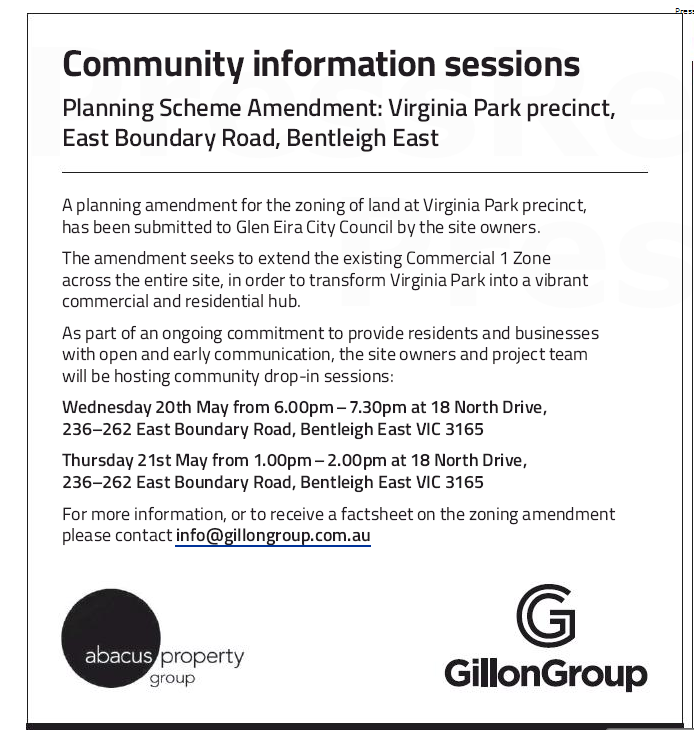
The last Planning Scheme Review was completed in August 2010. Half of the ‘recommendations’ have never been mentioned since, much less implemented. What has been the focus for the past 5 years is to pass amendment after amendment that has rezoned land primarily into Commercial 1 or Mixed Use. This of course allows a developer to build one or two shops and hundreds of dwellings on top!

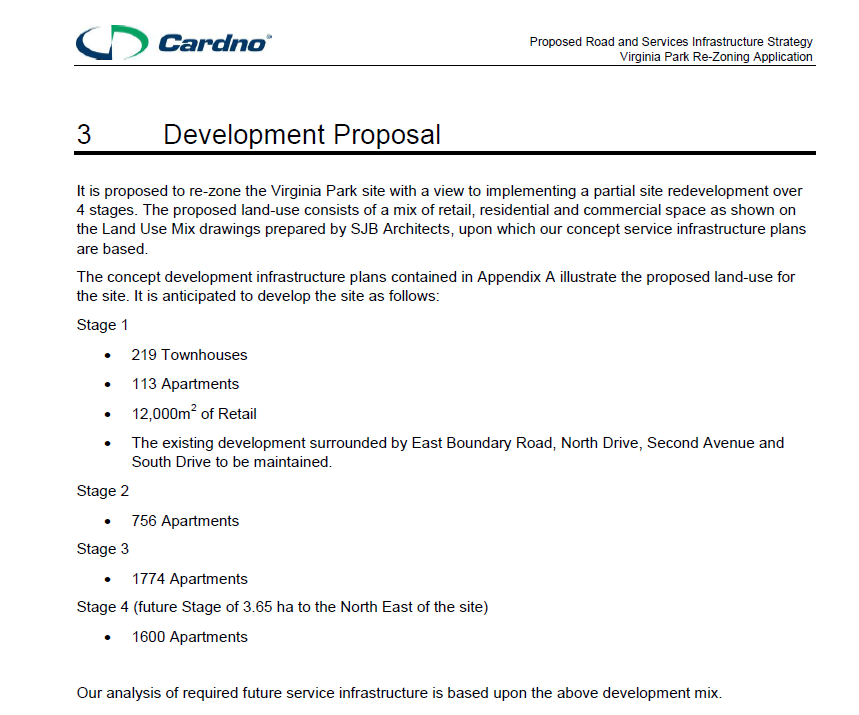
We have gone through all of the amendments put forward by Council since the beginning of 2011. There are 43 amendments of which the vast majority involved clearing the way for high density development – in particular, the Caulfield Village and Virginia Park fiascos, and facilitating the Monash Campus development. There have been only two amendments that looked at Neighbourhood Character Overlays and a tinkering with a few heritage properties – including the attempt to remove Heritage from the Esakoff, Seaview property.

Whilst other councils have been busy shoring up the ‘safeguards’ for their population none of this applies to Glen Eira. Stonnington is a case in point. They have introduced 63 amendments. Of these:

  • 23 related to heritage listings of new areas, individual properties, and interim controls becoming permanent controls. Only one amendment sought to remove heritage listing from 2 properties.
  • Other amendments involve: ‘water sensitive urban design’; awning and footpath policy; neighbourhood character overlays; car parking rates for 2 activity centres; design and development overlays; urban design frameworks; public acquisition overlays, open space levy where 3 suburbs now receive 8% and council is now asking for a 4th suburb to be added at 8%.
  • But the most important point to note is that rezoning to suit residential development appears in only 3 amendments!!!!!

Compare this record with what is happening in Glen Eira. Below is the complete list, plus what has thus far eventuated because of the rezoning. Gazetted dates for each amendment are in parenthesis.

C60 – rezoning of land to a Priority Development zone – ie the stepping stone for Caulfield Village (2/7/2011)

C64 – new Child Care Centres policy – now suitable for minimal change! (5/5/2011)

C75 – rezones Virginia Park from industrial/business to business zone and as with Caulfield Village a version of an ‘incorporated plan’ (2/6/2011)

C76 – rezones 235-237 Murrumbeena Road from Residential to business (5/5/2011) (application now in for 3 dwellings)

C77 – rezones 1030-1082 Dandenong Road from Business 4 to Business 2 zone (6/1/2011) (Permit granted for 12 storeys and 173 dwellings as part of this PLUS other permits for 23 dwellings )

C78 – rezones 791-793 Warrigal Road from Residential to Business (23/5/2013)

C80 – rezones parts of Grange and Glen Huntly Road section from GRZ to Commercial 2 and from Industrial to Commercial 1 (12/12/2013) (Permit for 6 storeys and 117 dwellings)

C83 – attempt to remove heritage overlay from Seaview Street (13/10/2011)

C84 – removed the Development Contributions Overlay from the scheme (8/9/2011)

C85 – rezoning of various places from business to residential (17/2/2011)

C87 – Neighbourhood character overlays (31/3/2013)

C88 – rezoning 331-335 North Road and 120 Patterson Road from residential to business (1/9/2011)

C91 – rezoning of part of Oakleigh Road Carnegie from residential to public park zone (ie Packer Park properties – NOTE: the only properties bought by council in the past decade)

C92 – removes the monash medical centre precinct structure plan (17/11/2011)

C93 – removes the Commercial Centres Policy (28/3/2013)

C94 – Minister for Planning amendment to make “changes to the Schedule to Clause 52.06 to include car parking rates for a dwelling” for the Caulfield Village development (In their haste they ‘forgot’ to include this fundamental clause in the Schedule!!!!) (22/12/2011).

C95 – rezones land in Hawthorn Road Caulfield South (348- 54) and Olive Street from Commercial 2 to Commercial 1 ( 12/9/2013)

C97 – to include Seaview in heritage overlay (25/1/2012)

C98 – rezones part of Tovan Akas from industrial 3 to Residential Growth Zone (12/9/2013)

C99 – student housing parking rates (27/2/2014)

C100 (part 1) – rezones part of Neerim Road Carnegie from industrial to Mixed Use zone (23/5/2013) (permit for 5 storey and unnamed number of units)

C100 – rezones Neerim Road and part of Emily Street from industrial 3 to Mixed Use zone.(26/2/2013)

C100 (part 2) – rezones 394-412 Neerim Road and part of Emily from Industrial 3 to Mixed Use (registered 5/2/2015)

C102 – new non residential uses in residential zones (awaiting approval)

C106 – rezones part of Monash precinct from Commercial 1 to Public Use Zone (ie educational purposes and paves the way for Monash major development of 22 storeys). (16/7/2014)

C107 – include Moodie and other street(s) in Neighbourhood Character Overlay (waiting for approval)

C109 – removes the Minister as planning authority for the Monash Village development (29/8/2013)

C110 – introduces new residential zones (23/8/2013)

C111 – introduces changes to the Caulfield Village priority development Schedule – ie allows encroachment of setbacks and height (16/1/2014)

C112 – includes ‘transitional provisions’ into the new zones (3/10/2013)

C113 – heritage overlay to several properties in Caulfield as a result of Panel report (5/3/2015)

C114 – corrects an ‘administrative error’ regarding schedules to General Residential Zone 2 (19/12/2013)

C116 – corrects parking overlay ‘anomalies’ for amendment C99 (10/4/2014)

C117 – tried to apply a special dispensation to allow an illegal office in Kooyong Road to continue – councillors voted to abandon this amendment (last council meeting)

C119 – Corrects height controls for the Caulfield Village Incorporated Plan (10/4/2014)

C120 – open space levy (12/3/2015)

C 121 – Rezones 641 – 685 North Road from Commerical 2 to a Mixed Use Zone (set for directions hearing)

C123 – revises Child Care amendment – Panel set

C124 – Rezones 16 -20 Clairmont Avenue Bentleigh East from Industrial 3 to Mixed Use Zone. Council still to vote following recept of Planning Panel report.

C125 – rezones 1051 Glen Huntly Road from Public Use 1 to Public Use 6

C128 – Rezones 11 Princes Avenue, Caulfield East from Residential Growth Zone to Public use Zone 2 and removes the public acquisition overlay from the bounds of Monash Caulfield Campus. (18/12/2014)

C130 – Environmental overlay to 101-113 Grange Road and 2-4 Watsons Grove Glen Huntly and 118 Grange Road (16/4/2015)

C135 – public acquisition overlay to 53 Magnolia Road, Gardenvale (being exhibited) (removed in 2008 after ten or so years of existence, and now re-applied!)

C137 – heritage overlay to 1 Wahgoo Road, Carnegie (being exhibited)

We acknowledge that land which has ‘served its purpose’ should be rezoned. In Glen Eira however the rezoning has consistently advantaged developers rather than residents. One might query why so many of these changes resulted in the status of ‘commercial’ rather than the more limiting ‘mixed use’ zoning and why so few of these amendments have addressed what residents see as vital to limit the damage wrought by over development. The Design & Development Overlays available to councils are the perfect case in point. Glen Eira has 5 – 2 of which facilitate further development and 3 concern themselves exclusively with the height of fences! That is the agenda in a nutshell!

27th March 2015          Ratio Consultants

http://www.ratio.com.au/minister-approves-new-res-zones-for-moreland

Minister advises Moreland City Council of New Residential Zones approval

Amendment C153 to the Moreland Planning Scheme implementing the new residential zones was verbally approved to Moreland City Council by Minister for Planning Richard Wynne on 13 March.

The Minister’s decision has been made despite the recommendations of the Residential Zones Standing Advisory Committee, which were released on 20 June 2014.

The Standing Advisory Committee Report recommended that Amendment C153 to the Moreland Planning Scheme should not be approved and that Council should prepare a Housing Strategy to properly inform and justify the application of the new zones. According to the Committee, the strategic planning frameworks contained within the Planning Scheme, and the strategic work undertaken by Council in relation to the proposed Amendment C153, together did not provide the justification required for approval. Accordingly, it was recommended that residential land within Moreland be rezoned to General Residential Zone.

The decision to adopt and submit Amendment c153 to the Minister for Planning was made at the Council meeting on 10 December 2014. The version of Amendment c153 adopted by Council at the meeting contained revisions to the Schedules to the Zones and minor changes to the Zone maps.

The areas where the zones are to be implemented and the key features of the Schedules to the new Residential Zones are summarized as follows:

  • The Neighbourhood Residential Zone (NRZ1) contains mandatory height controls that limit development to 8 metres and apply a density control of 1 dwelling per 250 square metres for developments of 3 or more dwellings on a lot. The NRZ1 has been applied to Residential land north of Moreland Road, west of Melville Road, Heritage Overlay Precincts and land more than 800 metres from an Activity Centre or Rail Station.
  • The Neighbourhood Residential Zone 2 (NRZ2) contains mandatory height controls that limit development to 8 metres and apply a density control of 1 dwelling per 200 square metres for developments of three or more dwellings on a lot. The NRZ2 has been applied to residential land south of Moreland Road, east of Melville Road, areas within Heritage Overlay precincts and beyond General Residential Zone transition areas.
  • The General Residential Zone 1 (GRZ1) contains a mandatory height control of 8 metres and variations to Clause 54 and 55 relating to landscaping and Private Open Space requirements. The GRZ1 will be applied to residential land north of Moreland Road within approximately 800 metres of Activity Centres and a Rail Station, Residential land south of Moreland Road and along the Melville Road tram corridor.
  • The Residential Growth Zone 1 (RGZ1) and Residential Growth Zone 2 (RGZ2) contain mandatory height controls of 13.5 metres and 10.5 metres respectively. These do not apply if the height of development on abutting land is greater than 13.5 metres or if the land is within an endorsed Structure Plan that nominates a greater height for development on the site. Both of these zones have been applied to land within activity centres.

We advise that at the time of printing, the zones are yet to be gazetted.

Should you have any queries in relation to the amendment please contact our planning team on 9429 3111 or at mail@ratio.com.au.

Minister rejects inappropriate growth zones for Bayside

10 April 2015

Bayside City Council welcomed the Minister for Planning’s decision on 9 April 2015 not to proceed with Draft Amendment C125 that would see Residential Growth Zones applied to areas of Highett, Cheltenham, Hampton East & Brighton East.

Bayside Mayor, Cr Felicity Frederico said that the abandonment of the Draft Amendment was the outcome residents and Council were seeking.

“The long awaited decision to abandon these proposals for inappropriate Residential Growth Zone is a great outcome for our community,” Cr Frederico said.

“The proposal to apply Residential Growth Zone in areas around train stations along the Frankston line was only undertaken at the direction of the office for the former Minister for Planning.

“In the lead up to last year’s state election the former Government indicated that they would no longer require the application of these high-growth zones in Bayside and Council is pleased that the new Minister has made a clear resounding decision to reject the proposal.

The abandonment of Amendment C125 means that the General Residential Zone will be retained in these areas of Highett, Cheltenham and Hampton East in line with similar locations in Brighton, Hampton and Sandringham.

“Under the Bayside Housing Strategy areas close to public transport hubs are identified as being the most appropriate areas for growth and development,” Cr Frederico said.

“Maintaining General Residential Zone in these areas also provides surety for residents, particularly in Highett, that the existing development overlays which have been in place for many years will remain along with the General Residential Zone.

“The Minister’s decision to support the abandonment of inappropriate growth controls in these areas is a win for Council and the community who lobbied hard to ensure that development in these areas is more in line with community expectations.”

Source: http://www.bayside.vic.gov.au/about_the_council/media_release_minister_reject_inappropriate_growth.htm

We’ve also uploaded the Planning Panel Report HERE. Readers should note the strong emphases on STRUCTURE PLANNING (endorsed by the Panel). Once again we ask: where are you councillors?

Council is currently holding a ‘consultation’ on establishing a new open space area running between Eskdale Road and Fitzgibbon Crescent in North Caulfield. We have no qualms about increasing the open space areas in the municipality. What we do question is the logic, planning, and whether or not this site is not only appropriate, but even sensible, and whether ratepayers will be getting ‘value for money’ if this goes ahead.

The claim is that this ‘unnamed road’ is in a Gap area identified by the recent Open Space Strategy (OSS). Yes, it is. However, it is less than 500 metres from Caulfield Park (see arrow below). This map, taken from the OSS, clearly shows how bereft North Caulfield is of open space. So why select this particular street when other areas in this ‘gap’ zone are crying out for more open space?

ossNext, is the issue of size. The entire street is roughly 85 metres long. The plans DO NOT intend that the entire street be blocked off, just half – since there are driveways that can’t be blocked. This means that hundreds of thousands of dollars will be spent on creating a ‘park’ that will still be part street and not fulfill the ‘multiple purposes’ that was the recommendation of the OSS.

Untitled

In response to a public question Council admits to already having spent just under $7,000 for some pretty drawings. When asked what is the anticipated cost in implementing these plans, council responded with – “That is yet to be determined following the outcome of the public consultation process”. Surely when plans are drawn up, there must be some notion of what the expenditure is likely to be? Given Council’s track record, we suggest that the creation of this ‘park’ will not be less than half a million.

We repeat – yes, create open space, but not this hare-brained addition. Not when it is a stone’s throw from Caulfield Park; not when it will be nothing more than a pocket handkerchief in size, and definitely not, when it will cost around half a million dollars, when other areas of North Caulfield are crying out for open space.

ps: we draw readers’ attention to the following.

The OSS contains 6 ‘gap areas’ in North Caulfield. See map below.

Pages from Open_Space_StrategyThe proposed street closure is in gap area CN6. The ‘conclusion’ and hence the ‘recommendation’ that is contained within the OSS (page 170) for this area states: Improve access to the future Crown Allotment 2031 or other future open space associated with Caulfield Racecourse.

On page 172 of the strategy, there are the ‘’open space links’ recommendations for North Caulfield. In relation to this gap area we find: “Investigate the potential to improve pedestrian accessibility in the street network in gap area CN6 and across Booran Road to future open space associated with Caulfield Racecourse.” The priority grading is MEDIUM. There is not one word in the “Individual open space recommendations for Caulfield North” regarding this area!

Thus, we ask:

  • Why has Council chosen this first off, when there are 5 other gap areas identified that are much further away from any open space?
  • Why, when an action is designated as ‘medium’ has this been initiated BEFORE ANY OTHER ATTEMPT TO FILL EXISTING GAPS?

« Previous PageNext Page »