Pilling moved motion to accept Option B (ie no Heritage Overlay sought by Council). Lipshutz seconded.
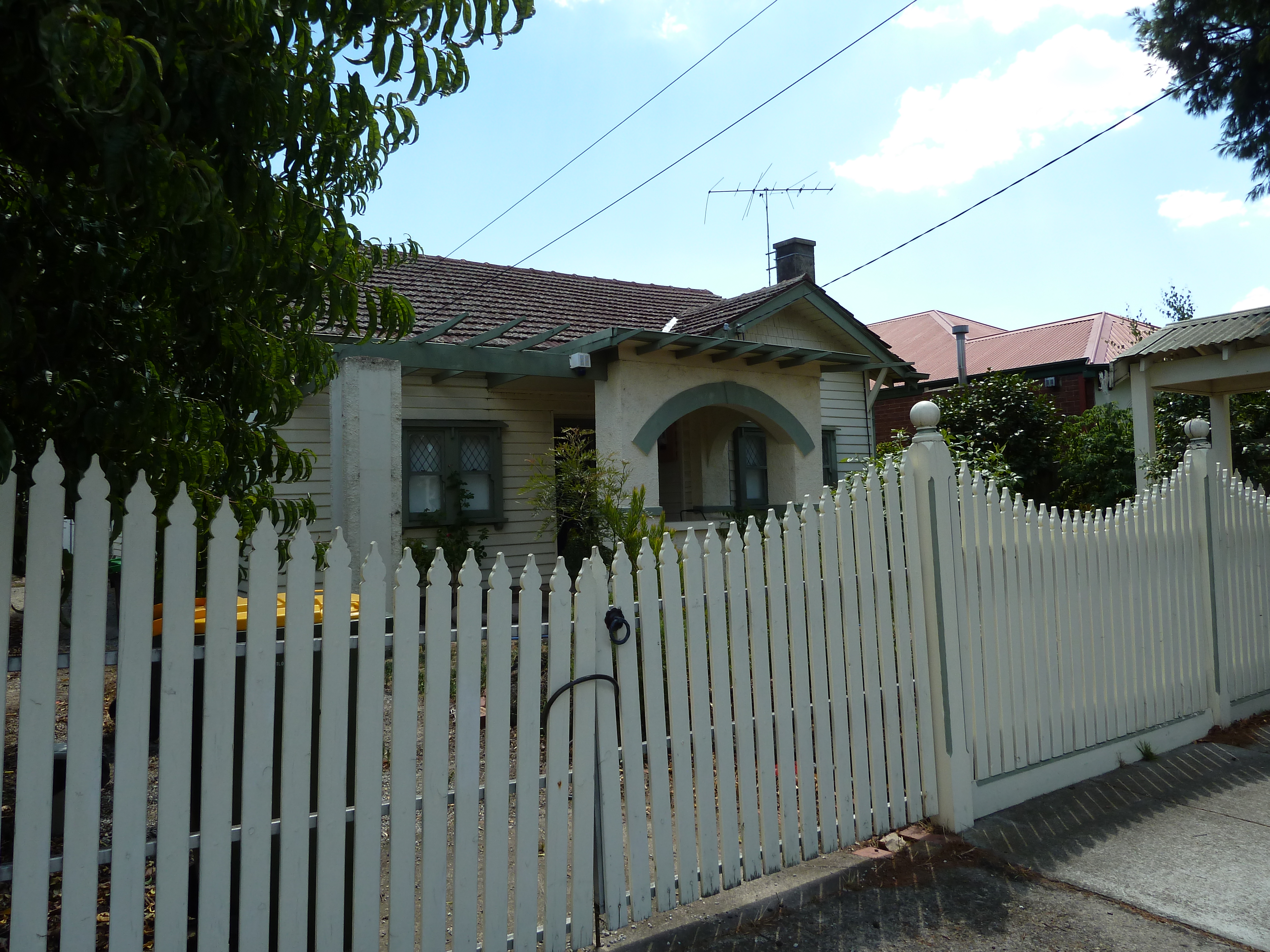
PILLING: thanked residents for petitions, emails on issue. Said that he’d been living in the area for 20 years and didn’t know ‘the existence of this property’. Council has had ‘a position’ on the property since 1996 and it wasn’t protected. Tonight council has to ‘balance the needs’ of the purchaser who ‘acted in good faith’ with the planning scheme and the need to ‘address some community concerns’. Thought that Option B met these two needs because they are sending this to an ‘independent’ umpire. Said that Option A was ‘too late’ since after ’20 years’ not to ‘have a position’ and that Option B was a ‘reasonable take’ in trying to balance all the positions.
LIPSHUTZ: began by ‘quoting’ Aristotle in saying that ‘old does not make heritage’. Said that there had been ‘numerous reports’ on the building and ‘every study’ had decided not to put heritage listing on the site. He agrees and the situation ‘now is unfair’ to the seller and the purchaser. Opting for Option A is to ‘involve yourself in a commercial decision’ and ‘frustrating a reasonable buyer’. going to Heritage Victoria is the appropriate course of action. They will decide and he ‘doesn’t see that council should be involved in that’. Even if Heritage Victoria doesn’t see it as fit for heritage listing then ‘we can come back’ and act. Permits are required so council could decide not to grant a permit for demolition or to review the issue. Option B provides ‘protection to all parties’ and if the Heritage Report doesn’t see the property as fit for protection then ‘council still has an option’.
SOUNNESS: said there was a municipality wide review of heritage but that ‘things happen’ and things get ‘altered’ and ‘overtime there is a reassessment’. The current situation is that council has ‘commissioned’ independent consultant and they have come back recommending Heritage protection because it is associated with history and place. Said that this means that ‘heritage values need to be respected’. Said that ‘conversations’ are taking place at both state and council level on this and the community has spoken via over 900 signatures on a petition. Said he would like to think that council can ‘recognise community concern’ and also the history concerns. Didn’t want to say anything about the purchase being ‘at risk’ because ‘that’s not for me to do so’. Hoped that ‘demolition can be avoided’. Said that if Heritage Victoria didn’t think it has state significance then the property ‘loses its protection’ of the interim order. So where does this leave council? Thought that the history does have value.
OKOTEL: began by saying it has been a ‘difficult issue’. Went through the consultant’s report saying that it identified ‘historical significance’ and even the Glen Eira historical society and the National Trust also see signficance. On the ‘flip side’ the vendor and purchaser are not for profit organisations and have both gone to some expense ‘in this process’ and that a new aged care facility is ‘something’ that is needed. The property settlement is conditional on ‘permit approval’ and it would therefore be ‘too late to apply a heritage overlay’ but since settlement hasn’t yet happened council could look ‘to apply heritage overlay at this point’. Thought that council needs to provide ‘certainty’ to community and ‘those involved’ even if it takes 18 months and that council should start the process ‘immediately’. By going to Heritage Victoria this could just ‘delay the process further’ especially if they decided that heritage doesn’t apply. Said that she wouldk be basing any decision on the current consultant’s report, on the Historical Society’s views and the National Trust views, so there is ‘sufficient evidence’ to support the need for a heritage overlay.
ESAKOFF: her ‘preferred option’ was to ‘wait until we’ve received the report from the State Government’ but she wasn’t sure if others supported this option. She would like to ‘proceed’ in this way because ‘it would give us one more report, one more opinion’. Said that assessments can be different whereas the first report didn’t recommend heritage and this one does, ‘clearly there are different views’. She would like another report and ‘see what that report says’ but since that isn’t the case ‘I have not made up my mind’ and she will be listening to what others say. Said the issue was complex and that the place had only closed recently but ‘by the state of the place’ she thought it ‘must have been longer’ and that ‘I’ve heard it isn’t in a great state’. Council has got Option A and Option B and there are ‘positives and negatives’ on both sides. Wondered whether the fact that once upon a time a former councillor resided there is enough to make it ‘worthy’ of protection. ‘That may be’ and there is a ‘connection’ but whether it’s a ‘strong connection is debatable’. Worried about the ‘loss of aged care’ and it would be ‘a terrible crime to lose that’ option. Council worked on heritage from 1996 to 2003 and they used the C+ criteria for designating places as heritage worthy. Claimed that this meant of ‘local significance plus worthy of retention’ whereas c was local significance but not worthy’. No objections ‘back then’ and from what councillors of the time told her it was an ‘horrific time’ and ‘polarising issue’. ‘It wasn’t a good time’. Therefore to ‘reopen that’ she didn’t know if that is ‘good or bad’. Said the changes to the building are a ‘factor’ and so if the fact that most heritage properties are ‘on a main road’ and ‘not hidden away and certainly visible’ from streets.
LOBO: ‘what’s wrong with Glen Eira trying to knock off iconic buildings?’ First there was the conservatory and ‘now we are going for Frogmore’. He has had phone calls from 11 people on the matter and didn’t think that ‘we should pre-empt what the State Government is going to say’. Thought that ‘people’s sentiments’ have to be taken into ‘account’. ‘we must give a chance for people’s feelings’ and for them to see that ‘we’ve done all we could as councillors’.
HYAMS: said this ‘was a tough one’. Said he had read the report and the 1996 view was that it wasn’t in a ‘heritage area’ and couldn’t see ‘how this is all that relevant’ and possibly makes it ‘more valuable’ because it’s a ‘rare’ example then. ‘On the other hand’ the fact that there are ‘late additions’ and the building is hard to see make it ‘a bit less valuable’. With the current assessment he’s ‘not convinced that it’s history’ unlike Whitlam’s house because he was an important person. More because it’s architecture is important. If it hadn’t been purchased he would be leaning towards applying heritage but ‘in this case’ there are competing values – protecting heritage values but also making sure that people ‘can rely on our planning scheme’. Plus the need for more aged care.
Heritage can be ’emotive’ but this is an ‘imposition on the affected people’ and both are ‘charitable organistions’ and both provide aged care who ‘won’t be able to do what they intended to do if we heritage list’ the property. Plus ‘they’ve gone to the huge expense of putting the money down’ and this was all ‘done in good faith’. Council made an assessment and ‘they thought this was an assessment they could rely on’. But he does care about heritage and was president of the Glen Eira Historical Society so ‘it’s really a matter of weighing up competing interests’. Thought it was important that ‘stakeholders’ can ‘rely on our planning scheme’ and waiting for the government’s decision is ‘going to help in this case’ because they tend to look at State significance and council has to look at local significance. So ‘reluctantly’ he thinks he is going to ‘vote for the motion’.
DELAHUNTY: hadn’t made up her mind and was listening to others and found it hard to ‘weigh up competing values’ but in the end has to ‘look at what’s in front of us’. Has to ‘ignore’ the old assessment because it’s got criteria that ‘I wouldn’t necessarily agree with’ and wouldn’t agree with some criteria in the new assessment such as a local councillor having lived there. You also ‘have to strip away’ the issue of current and future owners. Thought that it was ‘unfortunate timing for all parties involved’ but council has to make a decision. In the end there’s an old assessment that ‘says by the narrowest of margins that this shouldn’t be included’ in heritage and a new assessment that says it should. So she will ‘go’ with the new assessment.
MAGEE: thought the matter was ‘simple’ either you ‘want to save it or you don’t’. Said you can ‘feel the history just standing next to it’. Councillors have different views and values and here councillors have the opportunity to let a building ‘survive’ and even if Heritage Victoria knocks it back then he still wants it known that Council wants to ‘save it’ via an amendment’. The community ‘certainly wants to save it’. So ‘it’s incumbent on us to give it every opportunity’ so it can be saved.
PILLING: said he knows all councillors are concerned about the property but also concerned about ‘two organisations’ providing aged care that is ‘sorely needed’. Thought that Option A ‘really penalises those two non-profit’ groups. They acted in ‘good faith’ and he supports Option B because it ‘does give due credit to them’ whilst ‘acknowledging there could be heritage value’ on the property. ‘To go down the Option A is just a mixup’ and raises uncertainty with the planning scheme overall. When people apply under the planning scheme they ‘know what the rules are’ and ‘we stick to those rules’. This provides ‘surety to a whole range of residents’. Option B gives credit to these organisations and still offers the opportunity for heritage.
MOTION PUT TO VOTE: VOTING FOR OPTION B – LIPSHUTZ, PILLING, HYAMS. VOTING AGAINST – LOBO, MAGEE, DELAHUNTY,OKOTEL,SOUNNESS,ESAKOFF. MOTION LOST.
Souness then moved motion to accept Option A (ie apply Heritage overlay via amendment). Seconded by Okotel.
SOUNNESS: Said that he’s not looking at aged care or anything about the sale but purely the question of whether the building is worthy of heritage protection. Said he’sk got sympathy for those affected and that aged care is important but that’s not what he has to decide here. Said that they’ve argued the principles ‘back and forth’ and initiating an amendment is the way of ‘testing’ these heritage principles. Asking for an amendment is to start the process for this testing.
OKOTEL: the latest report should carry the same weight as the 1996 report but it does ‘highlight issues that the earlier report omitted’ and that it is ‘important’ that council ‘now turns its mind to those issues’. It mightn’t be state significance but is of ‘local significance’. Council should also consider the historical society’s views and the National Trust.
PILLING: said this could signal the ‘death’ of the project and he ‘wouldn’t be surprised’ if both the vendor and the purchaser ‘just walk away’. Aged care is needed in the municipality. The motion is the ‘death knell’ for that.
DELAHUNTY: hoped that the ‘purchase goes through’ and that it remains an aged care facility and that the historical significance of the site is maintained.
SOUNNESS: said that if the sale falls through then ‘that’s not what I’m here for’ but also ‘that’s what I’m here for’. Sees the need for aged care but also sees the need to care for the ‘aged buildings’ of the municipality as well as its people. Conlcluded by saying that without an appreciation of history of a place they lose the history and mistakes are repeated.
MOTION PUT: VOTING IN FAVOUR – SOUNNESS, LOBO, DELAHUNTY, ESAKOFF, OKOTEL. VOTING AGAINST – LIPSHUTZ, PILLING, HYAMS