February 18, 2015
What Others Do!
Posted by gleneira under Councillor Performance, GE Planning, GE Service Performance[14] Comments
February 17, 2015
A Level Playing Field?
Posted by gleneira under Councillor Performance, GE Governance, GE Planning, GE Service Performance[6] Comments
On July 3rd 2013, Hyams uttered these incredible words in regard to the Alma Club development application – ‘council’s role is not to necessarily represent the people’. Perhaps Hyams needs to revisit the Local Government Act, where part of its objectives for local councils is the injunction to act ‘as a representative government!’ Not for the first time was the gallery assailed with the double-speak of ‘quasi-judicial’ functions and ‘planning law’ and the inference that all planning decisions and processes are therefore objective and strictly ‘neutral’. Council’s published ‘information’ on planning objections enshrines this notion of ‘impartiality’ when it states – Planners must act impartially as an assessor of an application.
So, we are left with the conundrum of – who does council really represent? The answer is clear in this screen dump!
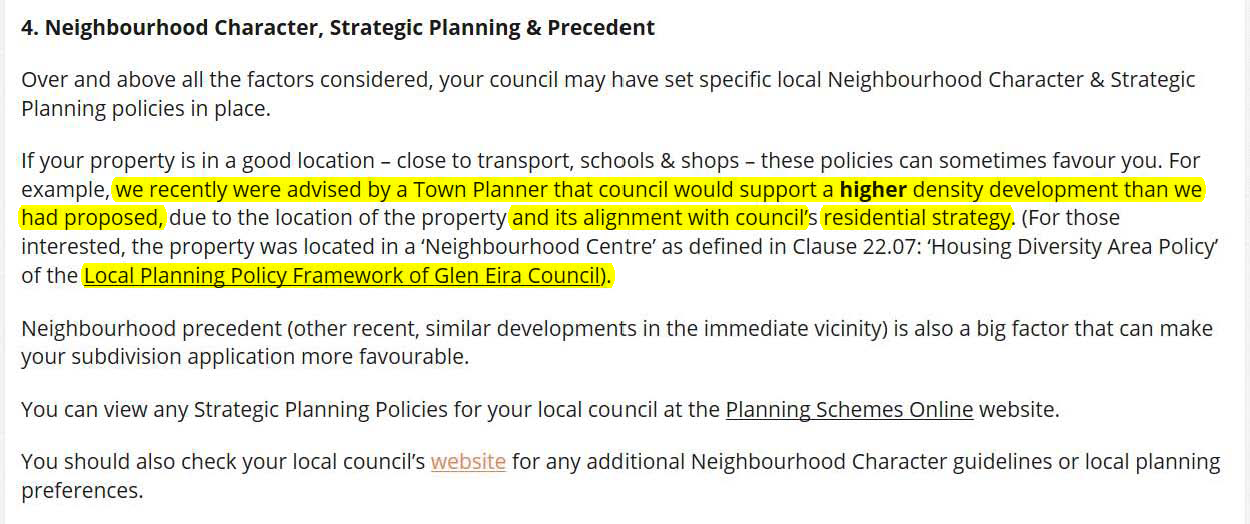 Source: http://pillarandpost.com.au/topics/neighbourhood-character/
February 16, 2015
Is This Sustainable?
Posted by gleneira under Councillor Performance, GE Open Space, GE Planning, GE Service Performance, GE Transport[6] Comments
Council’s Community Plan asserts that in order to meet population demand the city will have to provide for roughly 9,700 new dwellings in the period between 2011 and 2031. Victoria in Future 2014 predicts a higher figure – approximately 9,800. At the rate we’re going, and even if we assume a forecast figure of 10,000, this target will be reached within another 18 or so months. That is 15 years ahead of schedule! Plus, it does not even take into account what will be the final figures for the Caulfield Village!
Data from Planning Permit Victoria reveals the following numbers for ‘net new dwellings’ from 2011/12 onwards. Please take careful note!
2011/12 – 1280 dwellings
2012/13 – 934 dwellings
2013/14 – 1716 dwellings (council’s published data)
For the period from July to December 2014, another 1519 new dwellings were on the horizon according to Planning Permit Victoria. This makes it a grand total of 5449 in three and a half years. If the current rate of development continues, then the target of 10, 000 will be reached by the end of 2017 – even earlier once all the 2046 dwellings at the racecourse have been given the rubber stamp by our very accommodating administration and councillors.
So exactly what is council doing about this predicted future? What initiatives have they introduced, or even thinking about, that will ensure that such a rate of development is sustainable and doesn’t completely destroy the fabric and lifestyle of existing and future residents?
There are countless questions that should be raised and must be answered. For example:
- What is ‘saturation’ point? When will it be acknowledged that the city is fast approaching breaking point and that no further development is possible unless major environmental, social, and economic safeguards are implemented?
- How many speed humps in quiet residential streets have to happen, and at what cost, before proper Parking Precinct Plans in all activity centres are introduced and the waiving of car parking requirements ceases?
- How well is the drainage infrastructure coping and how well will it cope with another 10,000 dwellings?
- How many double levels of underground car parking will council allow before the water table becomes a real problem? How many of these have resulted in structural problems for the development and/or their neighbours?
- What happens post 10,000 new dwellings? How many more are feasible?
- How much will it cost to ensure that infrastructure is adequate?
- How much should developers contribute to this new infrastructure or is it council’s intention to keep subsidising development and keep raising rates?
- How much will open space provision decline per person as a result of population increase? Apart from the Booran Road Reservoir, what is council’s long term acquisition plan? Does one even exist, or are we to have more and more pavilions, car parks, and removal of trees and pretend that this is fulfilling our open space needs?
- Will councillors have the temerity to demand amendments that actually do something to alleviate congestion, shoddy building design, environmental sustainability, or are they as impotent as they appear?
- When will common sense prevail and council gets off its backside and starts proper strategic planning and consulting with residents as to the future of this municipality? And when oh when will the archaic, inept, and totally out of date planning scheme be reviewed in a proper consultative fashion with residents?
- And last, but certainly by no means least, when will standards that mean something be introduced and adhered to by this planning department and councillors?
PS: readers may be interested in the following application. Interestingly the developer has bought up surrounding GRZ properties and is now contemplating having 3 storeys alongside 7 storeys on East Boundary Road, which is already a disaster given recent applications and, of course, GESAC. We suggest that residents attempt a left hand turn from Centre Road into East Boundary Road to see for themselves the traffic conditions in this area. And East Bentleigh isn’t even a major activity centre! It merely is a de facto one!
795-807 Centre Road and 150 East Boundary Road BENTLEIGH EAST VIC 3165 – Construction of a part three (3) and part seven (7) storey building comprising 110 dwellings and 4 shops, use of the land for dwellings, reduction of statutory car parking requirements, waiver of loading bay requirements and alteration of access to a Road Zone Category 1
February 13, 2015
‘Density’ & The Zones
Posted by gleneira under Councillor Performance, GE Open Space, GE Planning, GE Service Performance[17] Comments
A long but important post – so our apologies!
In the past week, The Age has published several articles on high rise towers in the Melbourne CBD. The articles are based on research done by Leanne Hodyl, the 2014 Churchill Fellow. We’ve uploaded her full report HERE.
Whilst the report focuses primarily on ‘high rise’ towers and the city centre, some of the content applies directly to planning everywhere and especially to what is happening in Glen Eira. Hodyl recommends:
- Density controls
- Apartment standards
- Separation between towers/buildings, and she says –
- Planning policies should aim to ensure that this growth is managed well; to ensure that the cumulative effect of alldecisions made in the city make the city a better place to be and balance private and public benefit. (page 11)
However, without clear definitions and standards of what constitutes ‘low’, ‘medium’ and ‘high density’ (in fact what ‘density’ even means and how these variable measures should be applied, and in which areas), we are in a state of anything goes.
Glen Eira’s new zones provide enough evidence to show that there has been no consideration whatsoever as to the cumulative impacts of rapid development. Nor has there been any attempt to gauge what is an appropriate ‘balance between private and public benefit’. Instead, lines have simply been drawn on a map consigning vast areas of residential land as booty for developers and speculators.
Below is a list of all the applications that have been submitted in the past 18 months or so, for one single stretch of road – Neerim Road. Some applications are still awaiting approval. Others have been granted permits either by council or VCAT.
We urge readers to carefully note the following:
- Many of these developments are literally side by side. We assume that over time the ‘gaps’ will be filled in with further 3 and 4 storey applications.
- Assuming that all of those still awaiting their permits will have them granted, this equals just on 2 hectares of Neerim Road that is going to be developed with 4 and 3 storey boxes and, in Mixed Use/Commercial zones, even higher. We anticipate that at least 40% of these new dwellings will be single bedroom apartments given current trends and the financial rewards.
- The total of new dwellings designated in just under 2 hectares of land will be around 400+ (366 known, and others unknown since council’s register is incredibly short on detail in many instances)
- According to Hodyl’s paper, this means that certain sections of Neerim Road, in terms of dwelling DENSITY, will outstrip what is happening in the CBD and even some of the other major international cities.
- What impact this will have on the public realm has NOT been considered by council. Much less has traffic congestion, lack of public open space, and general amenity – not to mention heritage, neighbourhood character, water tables etc.etc.
- So when is ‘saturation’ or ‘capacity’ (council’s latest buzz word) finally arrived at? When a few hundred yards of Neerim Road contains 600 dwellings? And how much will residents have to fork out to support drainage infrastructure, traffic management instead of developers providing their fair share via a development contributions levy, or a community levy?
As Hoydl implies, a one size fits all approach to huge swathes of land is nothing more than a recipe for environmental and social disaster on a grand scale.
We urge readers to consider the ‘facts’ about Neerim Road. They are indeed frightening – not only for this thoroughfare, but for all the neighbouring residential streets.
143-147 Neerim Road, Glen Huntly – Construction of a three storey building comprising 32 dwellings above a basement car park and alteration of access to a Road Zone Category 1 (GRZ1) (`1700sqm)
149-153 Neerim Road & 4 Hinton Road GLEN HUNTLY VIC 3163 – Construction of up to seventeen (17) double storey dwellings and alteration of access to a Road Zone Category 1 – Amended permit (GRZ1) (`1700sqm)
179 – 181 Neerim Road, CARNEGIE VIC 3163 – Construction of a three storey building comprising up to 19 dwellings and basement car parking. Amended permit (GRZ1)(`1200sqm)
247-251 Neerim Road CARNEGIE VIC 3163 – Construction of a four (4) storey building comprising 48 dwellings above 2 levels of basement car parking, reduction of statutory requirements for visitor parking and alteration of access to a Road Zone Category 1 (RGZ1) (`2100sqm)
253-255 Neerim Road CARNEGIE VIC 3163 – Construction of four (4) storey building comprising multiple dwellings (RGZ1) (`1150sqm)
257 Neerim Road CARNEGIE VIC 3163 – Construction of a three (3) storey building containing seven (7) dwellings and altered access to a Road Zone Category 1(RGZ1) (`630sqm)
259-261 Neerim Road CARNEGIE VIC 3163 – Construction of a four-storey building comprising twenty-eight (28) dwellings, associated car parking and alteration of access to a road in a Road Zone, Category 1 on land affected by the Special Building Overlay and Parking Overlay (permit) (RGZ1) (`1170sqm)
276-280 Neerim Road CARNEGIE VIC 3163 – Development and use of the land for the purpose of a five storey building with retail premises at ground floor, up to forty two dwellings and basement car parking, a reduction in the standard car parking requirements and waiver of a loading area (amended permit)(MUZ) (`1050sqm)
15-17 Belsize Avenue CARNEGIE VIC 3163 & 316-320 Neerim Road CARNEGIE VIC 3163 – Construction of a four storey building comprising up to forty seven (47) dwellings above two levels of basement car parking (permit)(RGZ1) (`1950sqm)
322-326 Neerim Road CARNEGIE VIC 3163 – Construction of a four (4) storey building comprising 38 dwellings and associated basement carparking (RGZ1)(`1350sqm)
328-330 Neerim Road CARNEGIE VIC 3163 – Construction of a four storey residential building comprising up to 16 dwellings with associated car parking, the waiver of three visitor parking spaces and alteration of an access way to a road in a Road Zone Category 1 (permit) (RGZ1) (`800sqm)
332-334 Neerim Road CARNEGIE VIC 3163 – Construction of a four (4) storey building comprising twenty six (26) dwellings above a basement car park; Reduction of the requirement for visitor parking; and Alteration of access to a Road Zone Category 1 (permit) (RGZ1) (`1130sqm)
339-341 Neerim Road & 19-21 Belsize Avenue CARNEGIE VIC 3163 – Construction of a four-storey building comprising up to thirty (30) dwellings and a basement car park and reduction of the visitor car parking requirement (permit granted for 3 storeys and 27 units)(RGZ1) (`900sqm)
365-367 Neerim Road CARNEGIE VIC 3163 – The construction of a three (3) storey building above basement comprising of sixteen (16) dwellings and creation of access to a road in a Road Zone Category 1(GRZ2) (`750sqm)
401-407 Neerim Road CARNEGIE VIC 3163 – Construction of a five storey building comprising of shops and dwellings above basement car park, a reduction in standard car parking requirements and to create access to a Road Zone Category 1 (permit)(MUZ) (`2030sqm)
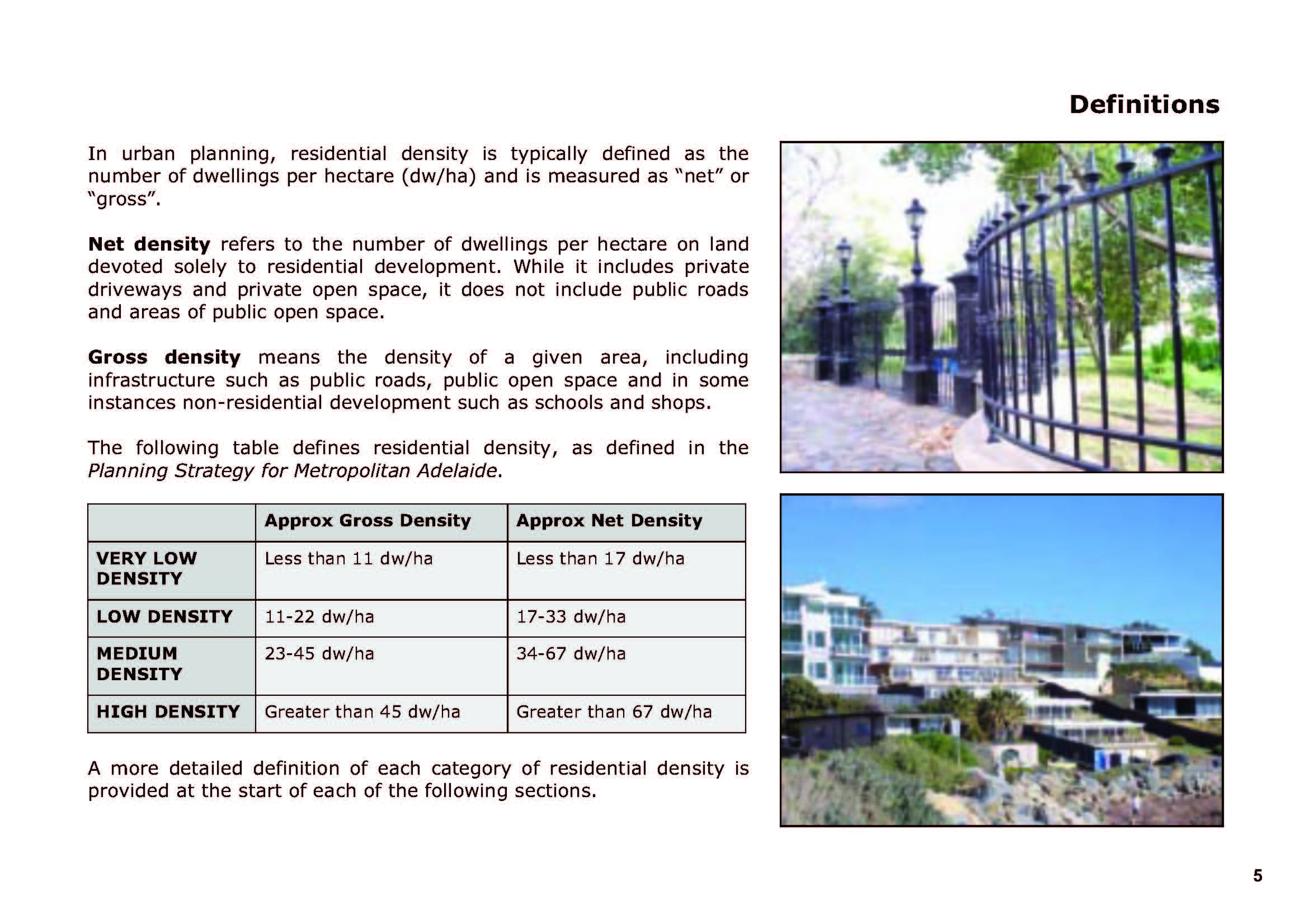
Finally, we’ve linked to a South Australian Government Report , which at least attempts to define low, medium and high density. Compare what’s happening in Glen Eira with these figures and how our council still insists that RGZ zones are ‘medium density’!!!!! 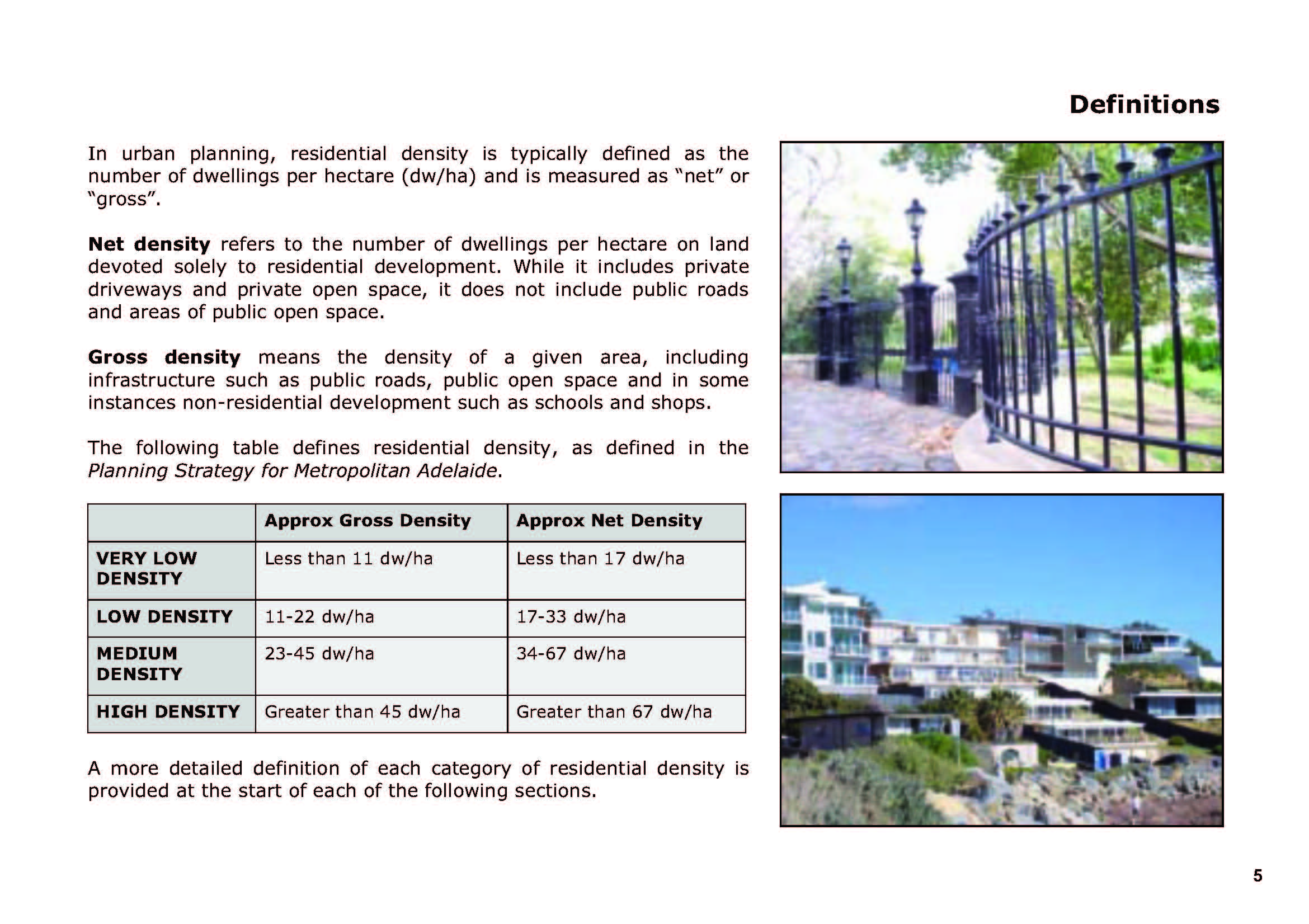
February 12, 2015
Why Is This Acceptable – #2
Posted by gleneira under Caulfield Racecourse/C60, Councillor Performance, GE Governance, GE Service Performance[13] Comments
We’ve received the following letter of complaint that was sent to Council. As with most things connected with the racecourse and the MRC, residential amenity appears to be the last thing to worry either the Melbourne Racing Club, or for that matter, Council.
We have been asked to remove the sender’s name.
Dear sir,
I have been driven to write to you about the continual flouting of local law by the Melbourne Racing Club at Caulfield Racecourse with respect to illegal noise levels. These are illegal by virtue of the excessive volume that penetrates inside residential dwellings yet some distance from the racecourse itself – never mind those in the immediate vicinity (according to a resident of Fitzgibbon Crescent, for example. Name can be supplied upon request).
Although there are many examples on a relatively regular basis, today the racecourse rented out its premises to the “I dream all day” music event (rave/festival). The incessant bass pounded all day penetrating our home and garden. We were unable to relax the whole day. The children were unable to sleep. Now, don’t misunderstand, I LOVE electronic dance music, and attend the odd festival myself – but these are not held in a residential suburb. When I went to inspect the source of the noise, the walls of the racecourse along Station Street, cladded with corrugated iron, were reverberating from the amazing volume of sound.The noise level was entirely inappropriate for the residential surrounds of the racecourse (surrounded as it is on all sides by family homes), and was undoubtedly beyond any legal limit. It penetrated throughout my home far away in Eskdale Road. It went on and on all day with no respite.
Other events that the racecourse holds for its own profit at the expense of residents resulting in shattered neighbourhood amenity include funfairs with blaring music in the Western car-park adjacent to Kambrook road despite the residential nature of the area. That noise also goes all day and overwhelms us inside our dwellings as well as outside in our gardens.
While investigating these issues, it is vital that you ensure that the racecourse also respects local law regarding sound levels with respect to the incessant droning of the race commentators every Saturday. Residents have a right to peaceful amenity without the incessant droning of the commentator over the PA system at unacceptable levels. After all, if it is legal and acceptable for the racecourse to broadcast its ‘soundtrack’ such that it is heard clearly in surrounding dwellings, then it is just as legal for surrounding dwellings to broadcast their own soundtrack at the same levels which will be clearly heard at the racecourse! Not something decent residents do, but that doesn’t seem to matter a jot to the racing club which treats residents with contempt.
I respectfully request that you take the matter further with the Melbourne Racing Club, and please keep me informed of any developments in this area.
Yours
xxxxxxxxx
February 11, 2015
Why Is This Acceptable?
Posted by gleneira under Councillor Performance, GE Planning, GE Service Performance[13] Comments
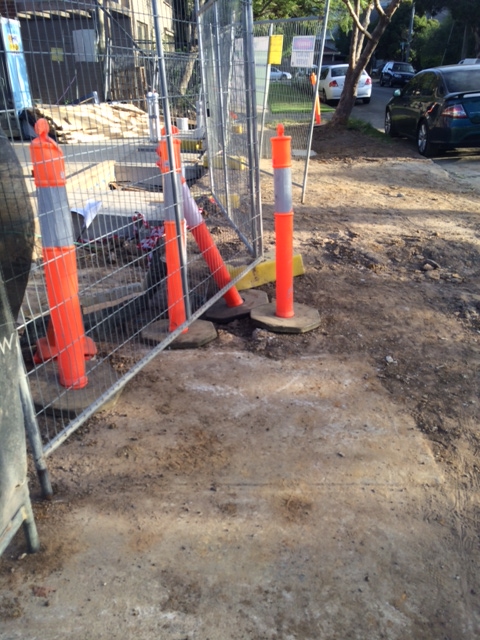
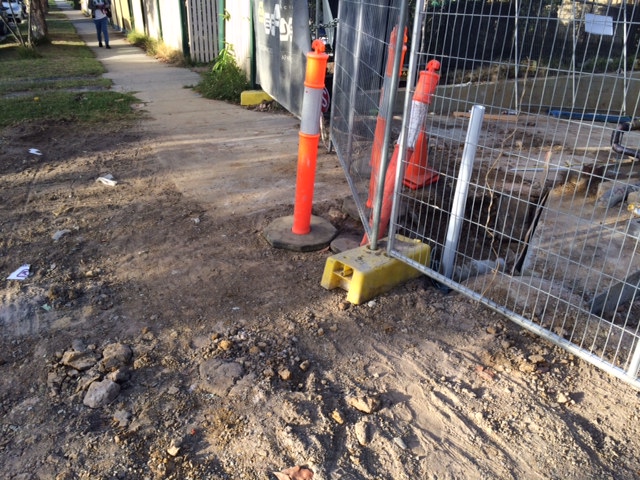
We’ve been sent the following photos, and ask these simple questions –
- Why are developers permitted to trash the public realm?
- What of public safety?
- What is council doing in response?
The photos were taken on the weekend and depict Belsize Avenue, Carnegie
February 10, 2015
Rezoning The Zones
Posted by gleneira under Councillor Performance, GE Governance, GE Planning, GE Service Performance[5] Comments
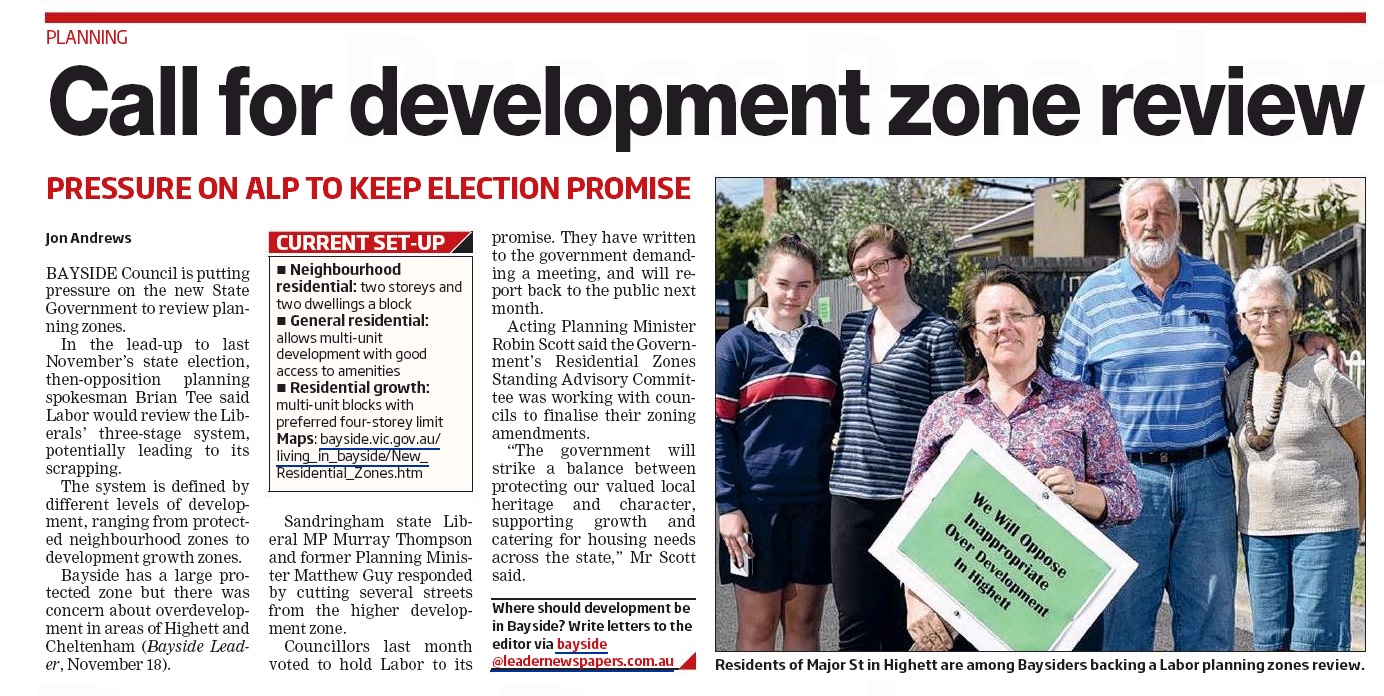 The Glen Eira Council approach –
Crs Okotel/Hyams
That a report be prepared detailing how the state government intends to review planning zones and how this might impact Glen Eira.
The MOTION was put and CARRIED unanimously.
The Bayside approach –
That Council:
- Notes the published advice of Mr Brian Tee, former Shadow Minister for Planning received 25 November 2014 on behalf of the Australian Labor Party, confirming it will review the new residential zones to stop inappropriate development;
- Writes to the Minister for Planning seeking a meeting to brief the Minister regarding its 18 November 2014 resolution, and obtain his support in approving an Amendment pursuant to Section 20(4) of the Planning and Environment Act 1987, that introduces the changes to the Bayside Planning Scheme not approved as part of Amendment C106;
- Write to the Hon Sue Pennicuik MLC, Member for the Southern Metropolitan Region seeking the support of the Australian Greens; and
- Receives a report in March 2015 providing an update on the meeting with the Minister, and to consider a standard planning scheme amendment (C140) and resourcing implications, as resolved by Council at its Ordinary Meeting of 25 November 2014.
February 9, 2015
One Little Local Street
Posted by gleneira under Councillor Performance, GE Planning, GE Service Performance[9] Comments
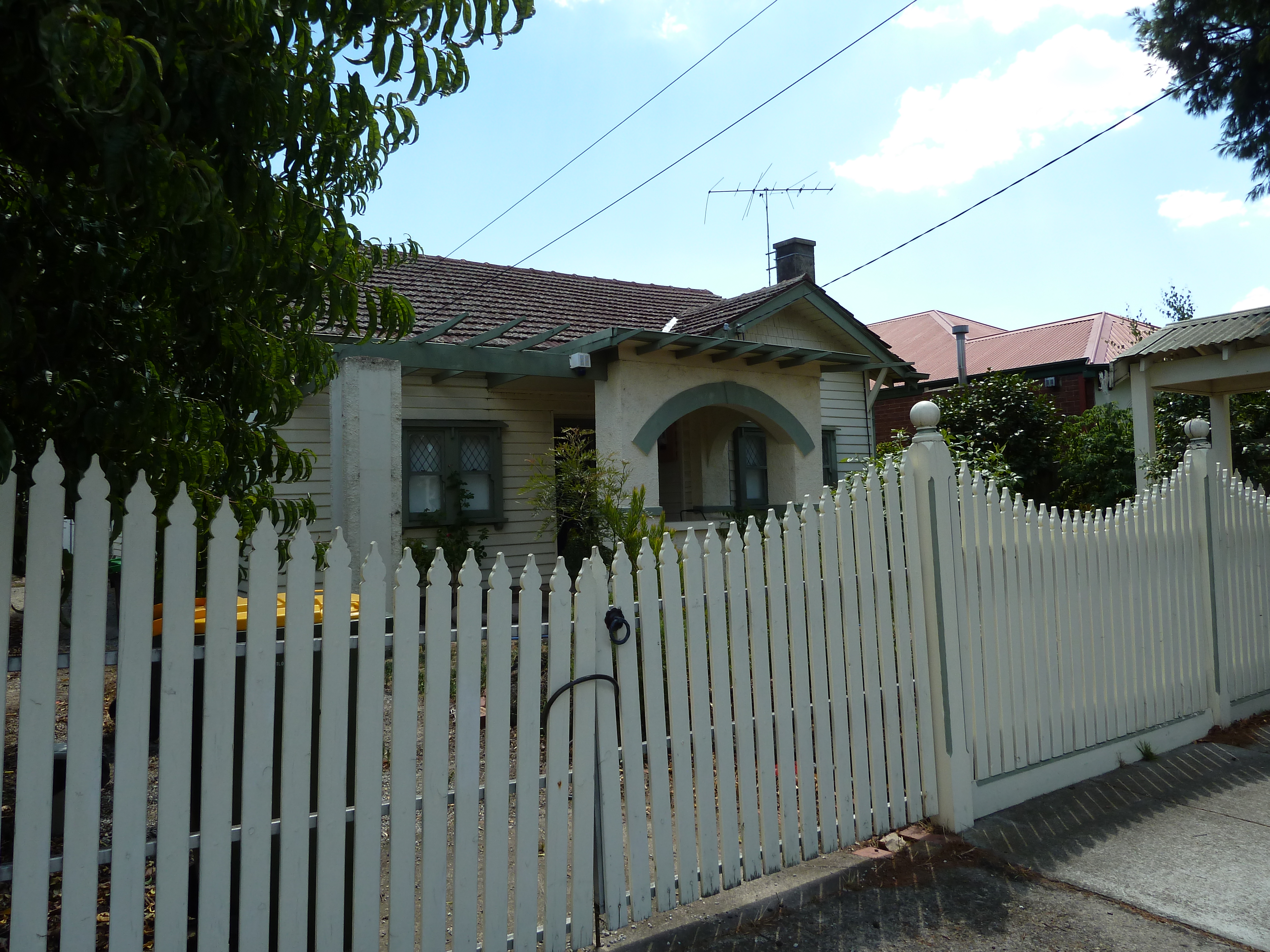
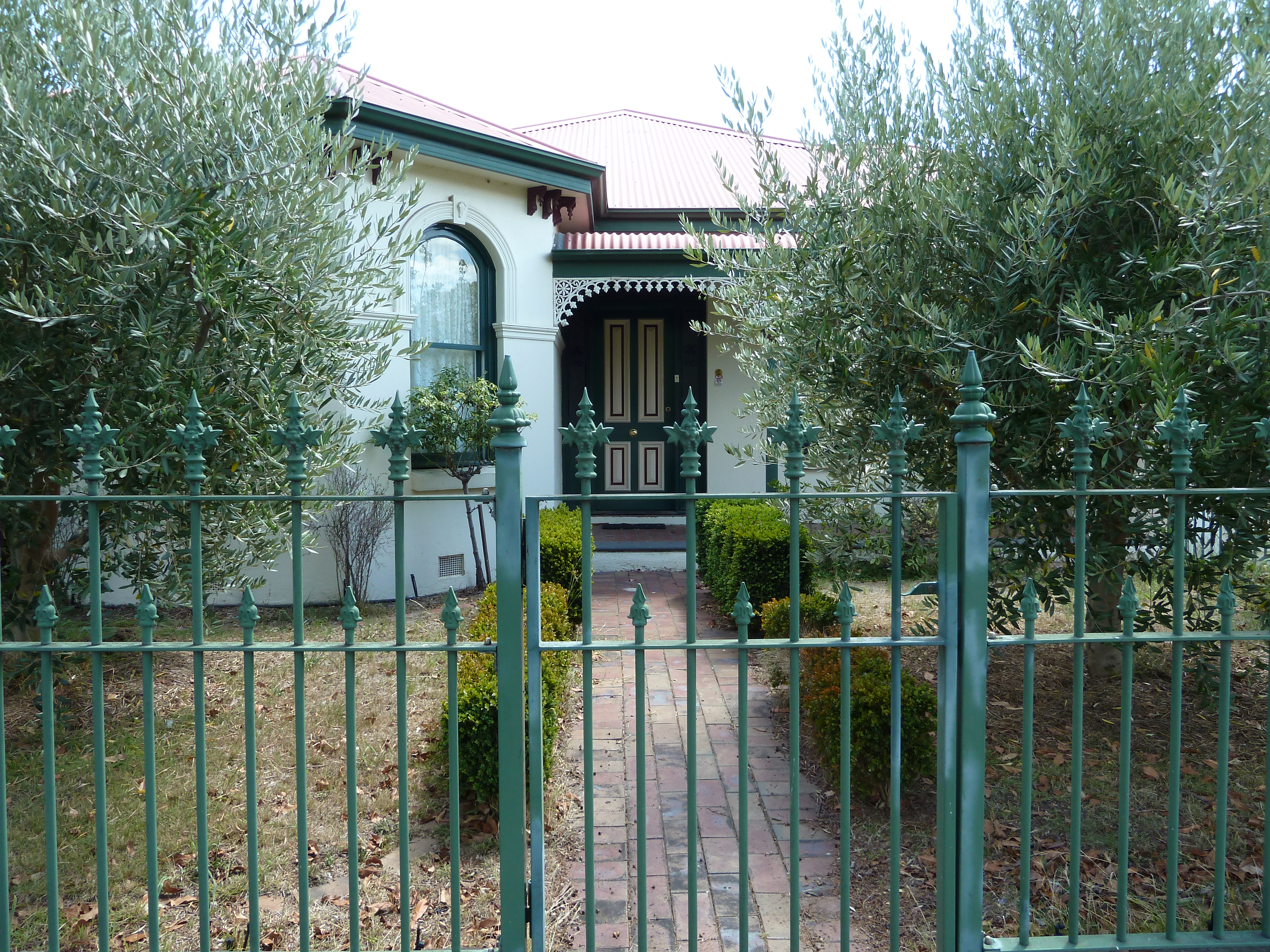
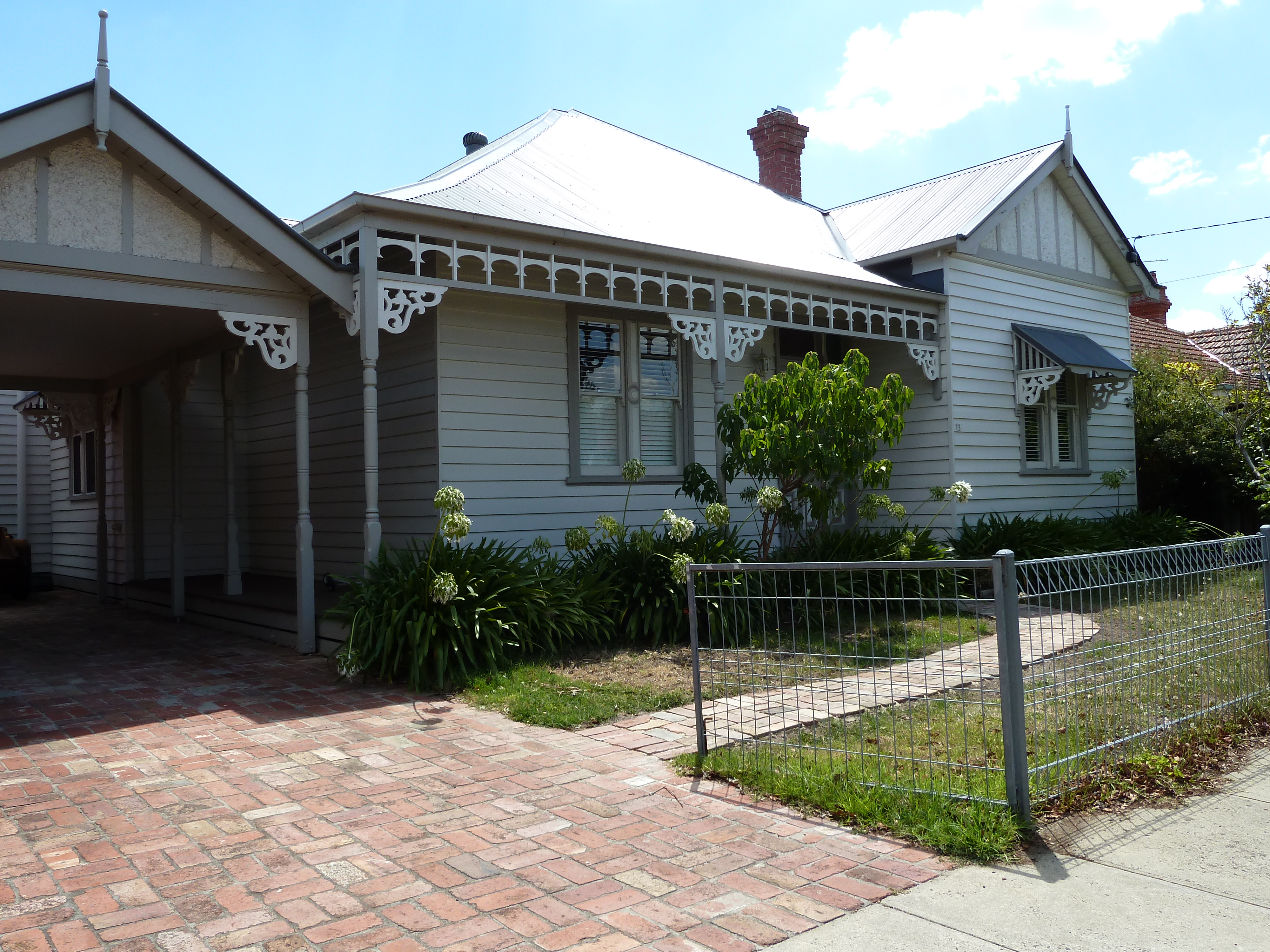
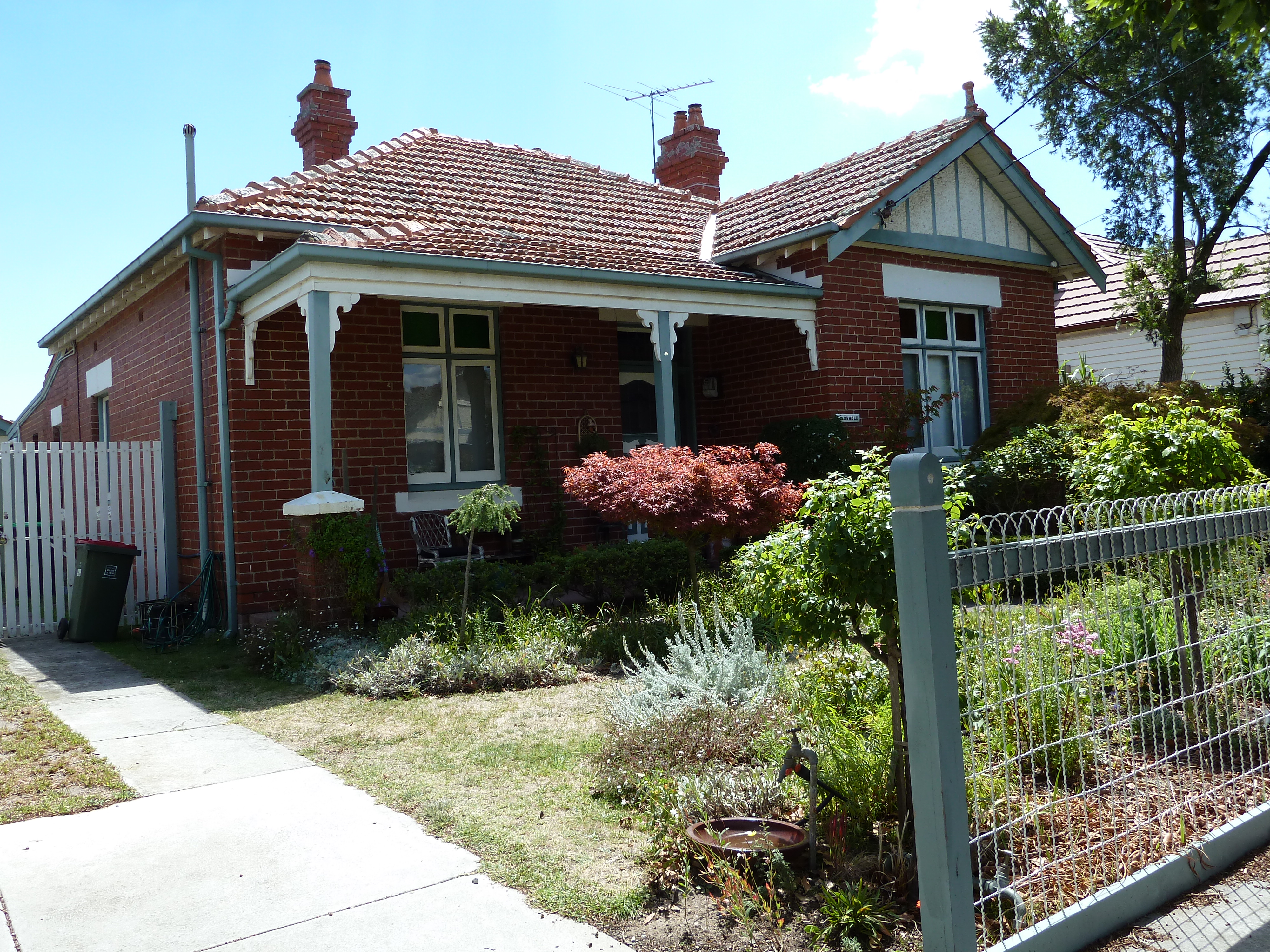
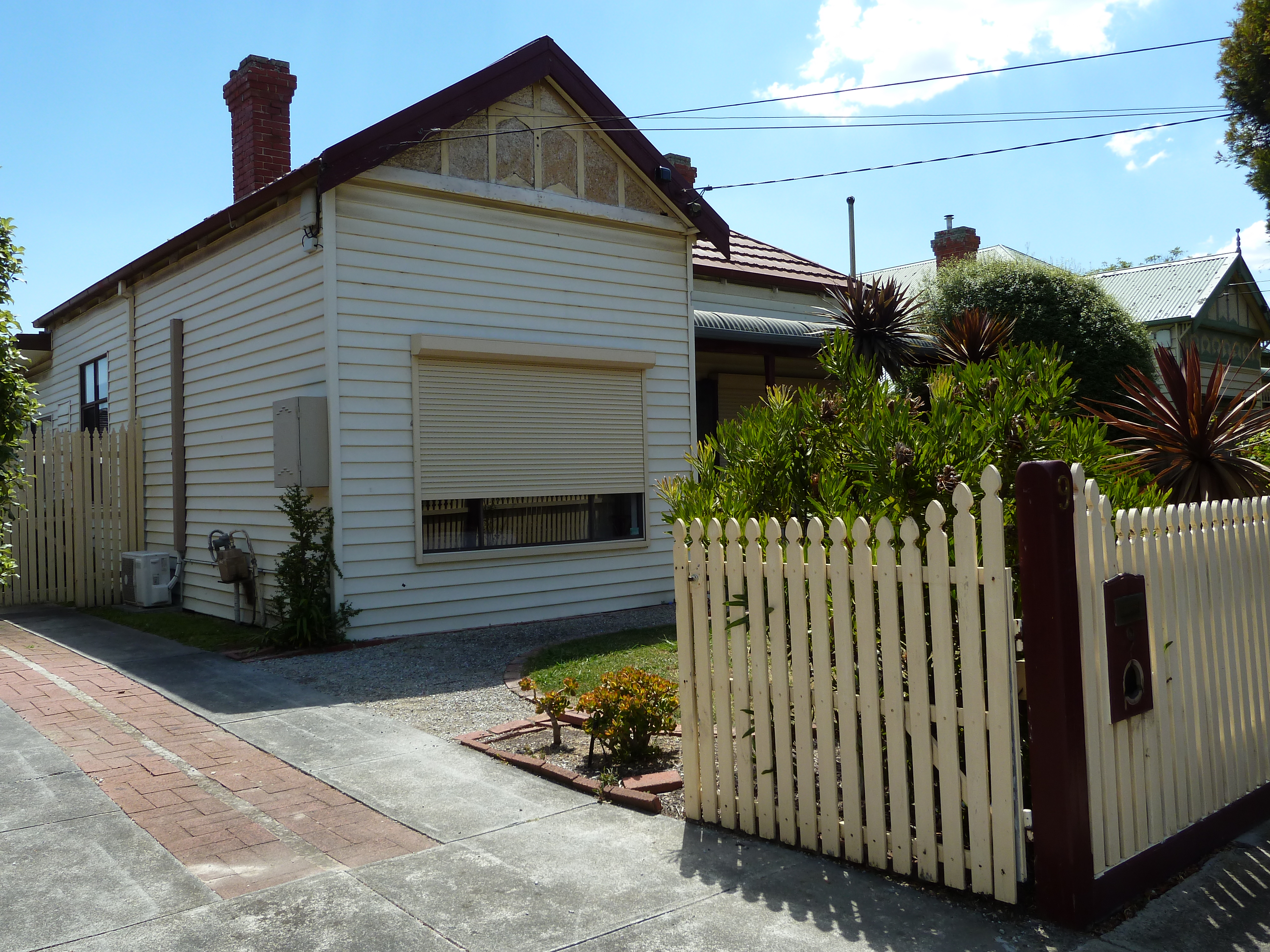
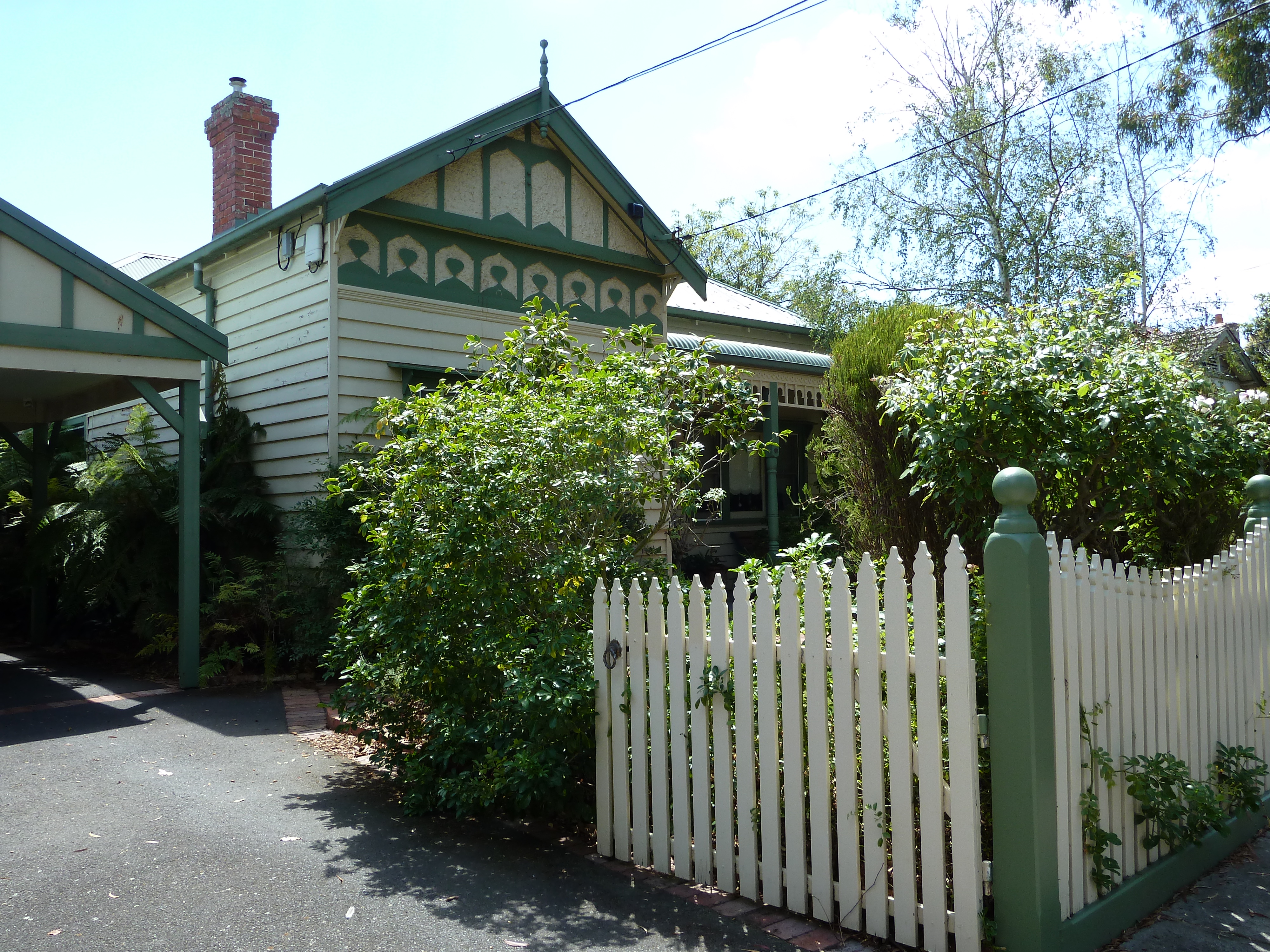
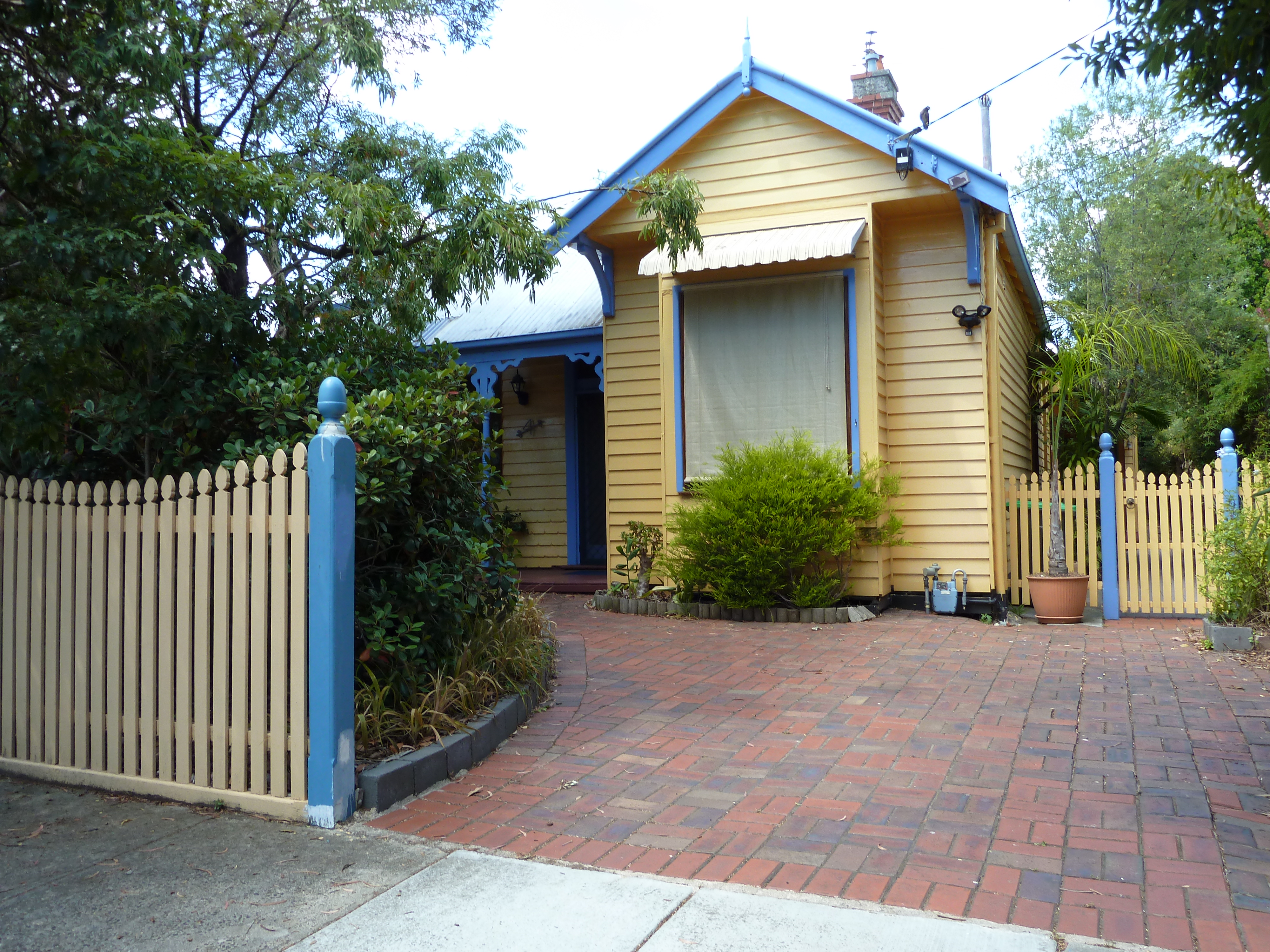
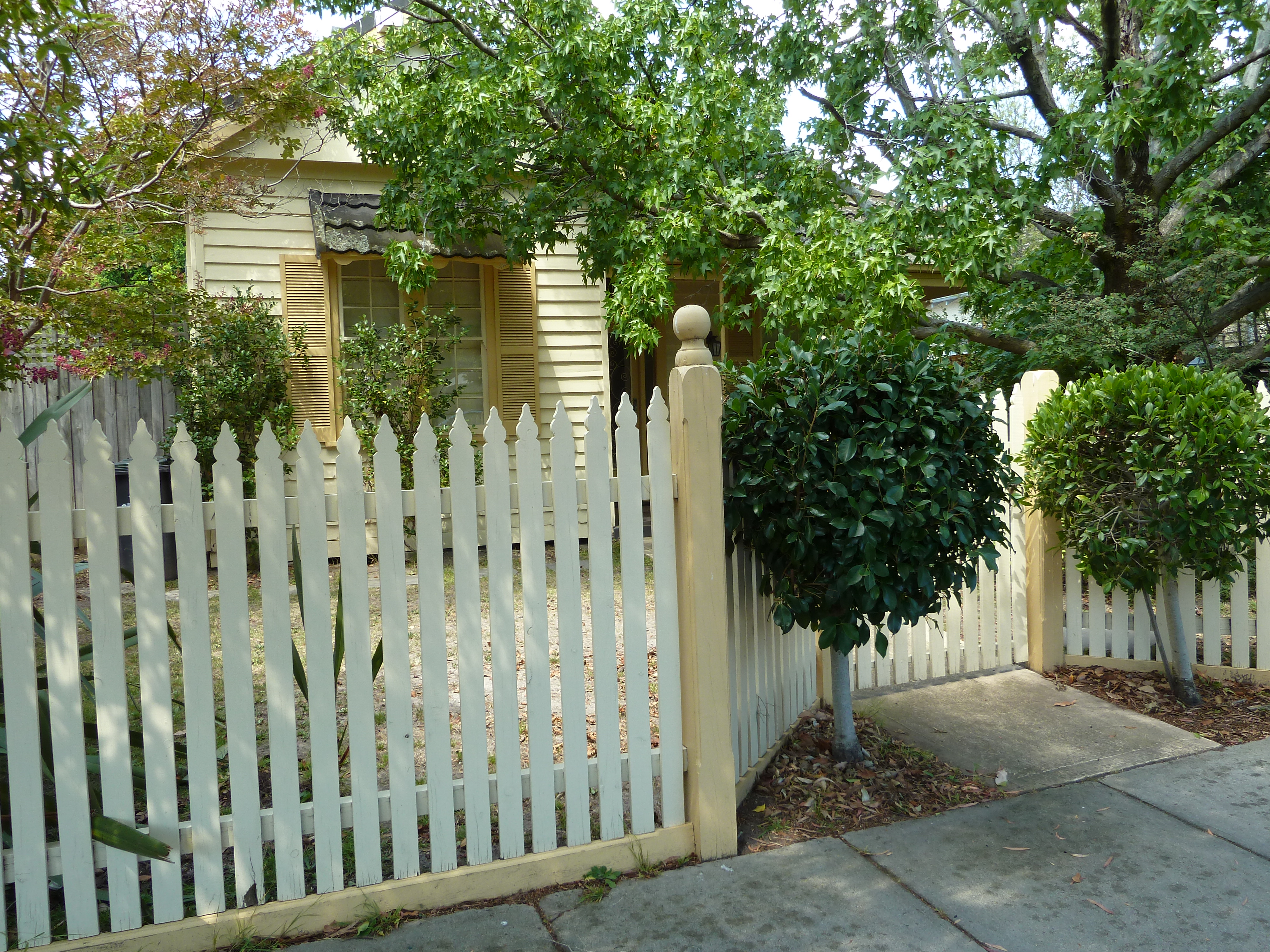
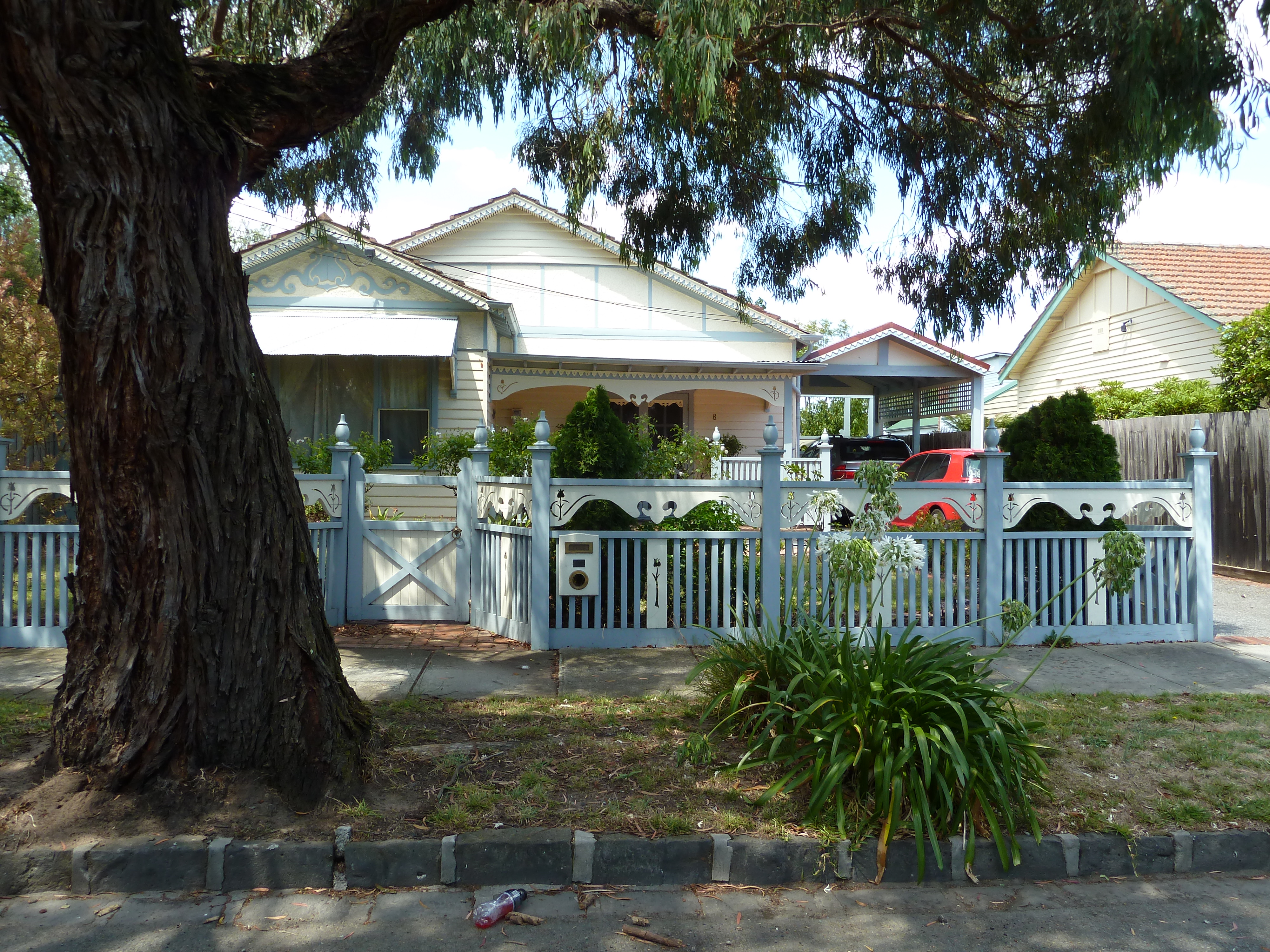
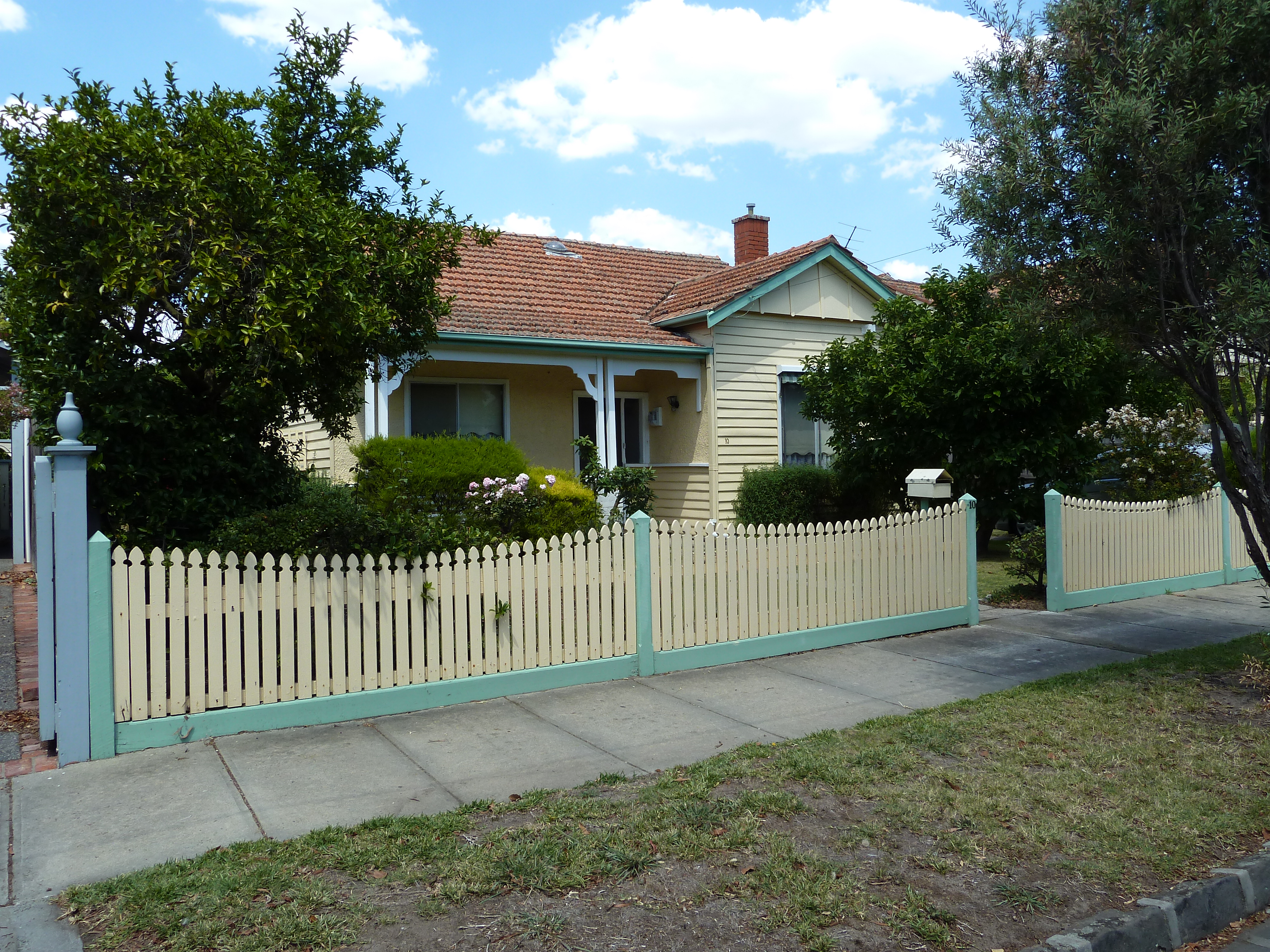
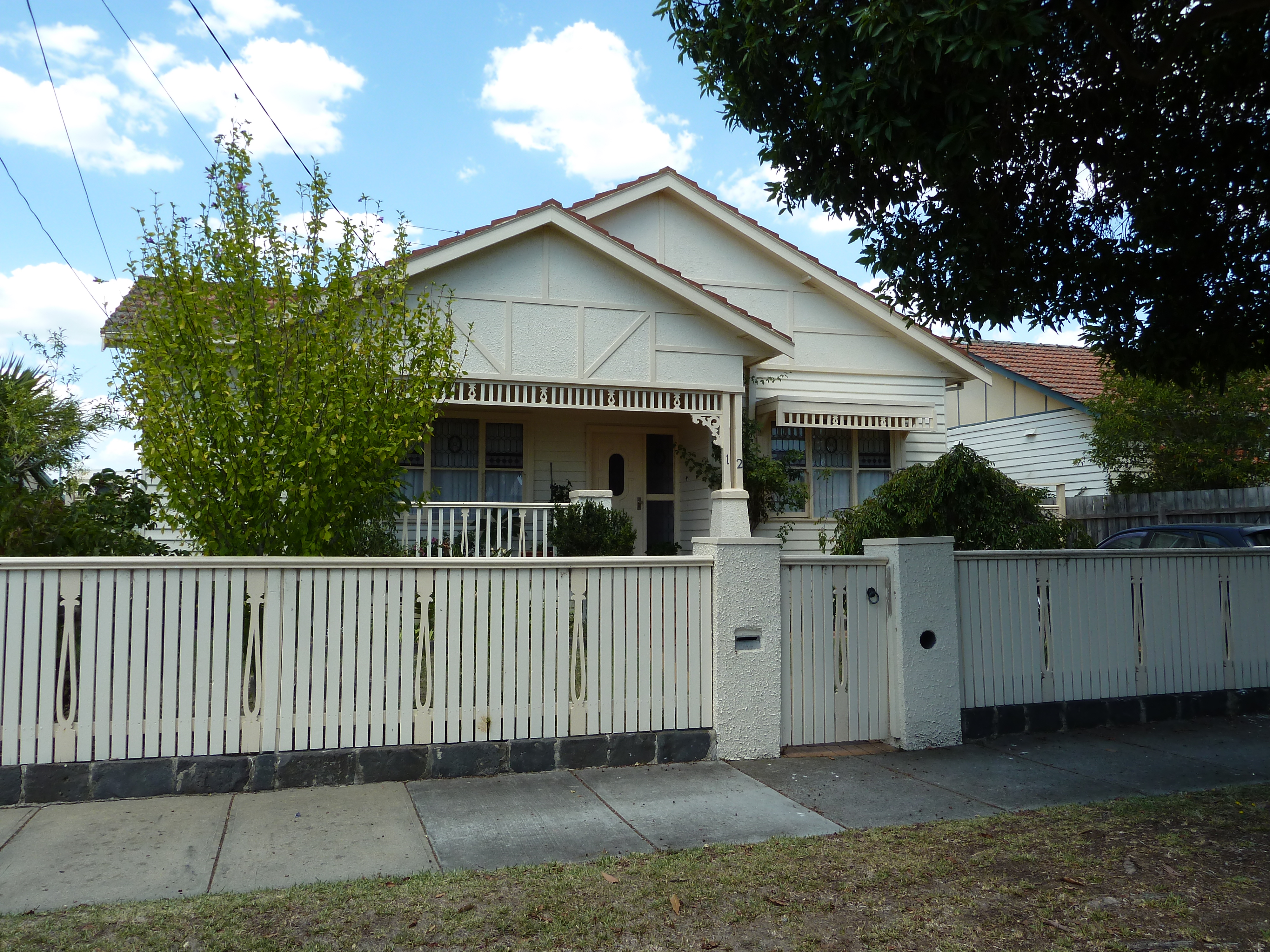
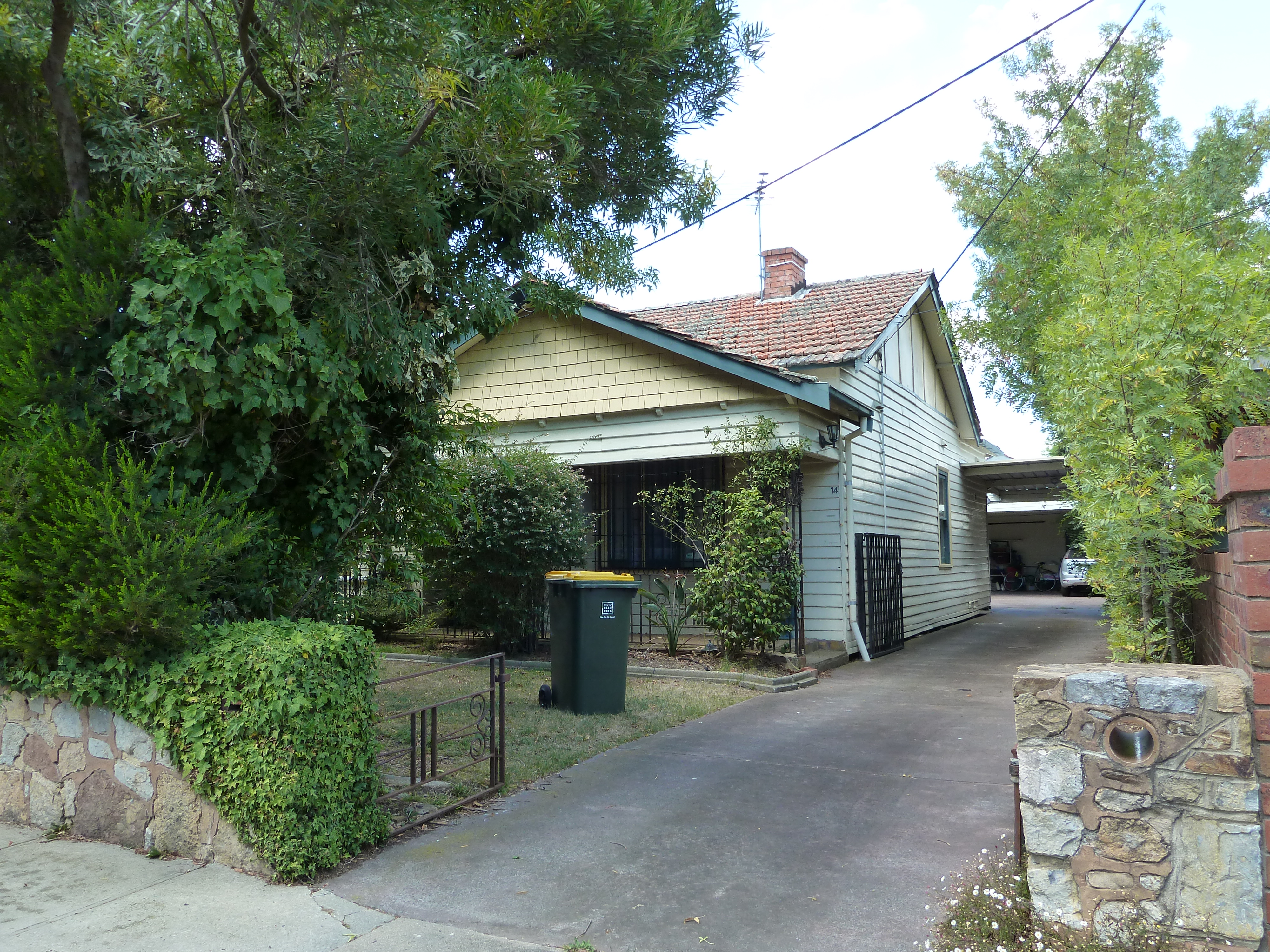
All of the following houses make up one single street. The photos were apparently taken last Friday. Only two properties were not photographed because of high fences and there was one development on the corner.
We ask readers to guess:
- What’s the zoning for this street?
- Is there any overlay on these properties? – ie Heritage, Significant Character, Design and Development, etc?
- What might a ‘neighbourhood character’ statement say about such a street?
February 7, 2015
Getting The Hell Out!
Posted by gleneira under Councillor Performance, GE Planning, GE Service Performance[10] Comments
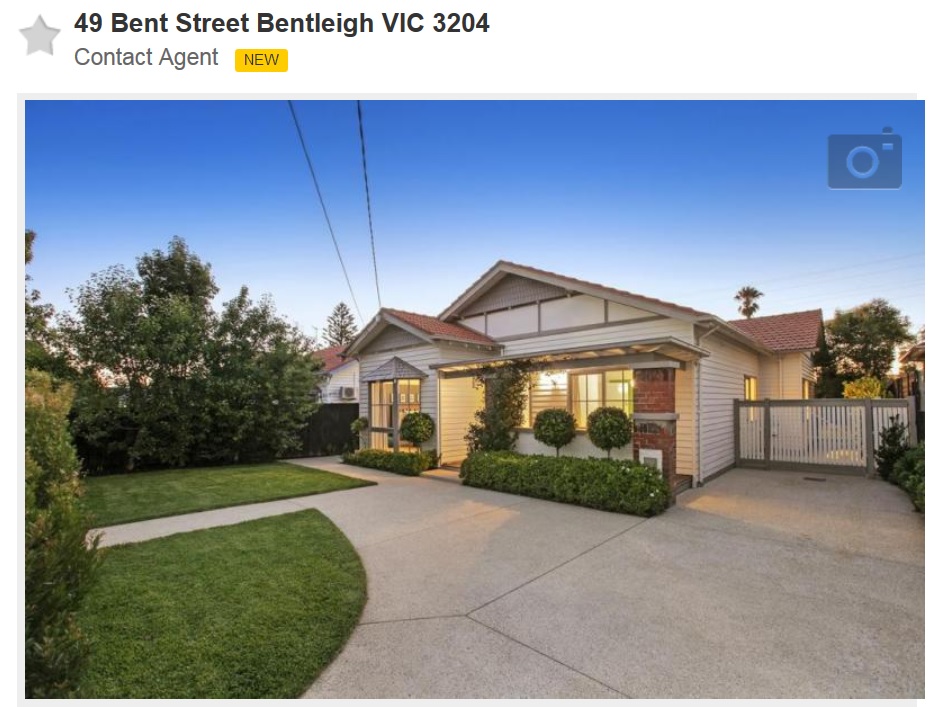
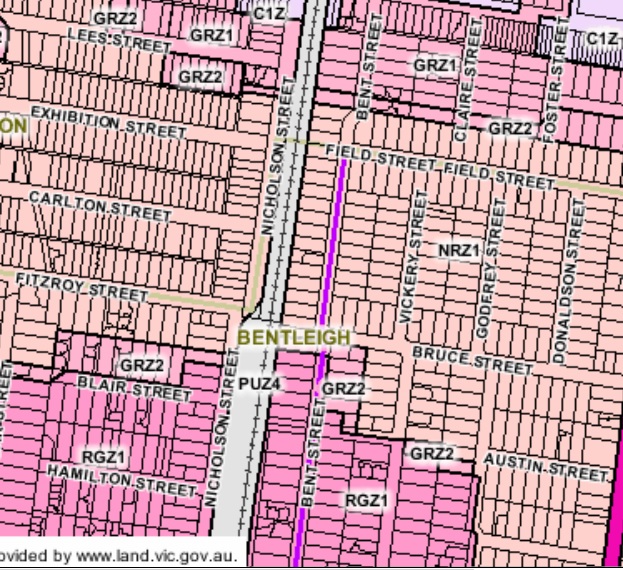
On paper this property is ‘protected’ by the new zones. It is in the Neighbourhood Residential 1 category. Safe, allegedly, from multi storey, multi unit development. The reality is quite different. We do not know the reasons why this owner has decided to sell, but we assume that he is getting out whilst the going is good – given the disaster that has been wrought on Bent Street via the new zones.
Here’s the big picture:
- More than half of the properties in Bent Street are zoned Residential Growth Zone (RGZ1)
- About a third are zoned General Residential Zone (GRZ1)
- And that leaves this and another 20% or so, stuck in the middle with council pretending that they are ‘safe’, and that what is happening around them will have no impact on their lifestyle and amenity.
- Some of the streets highlighted below even have Heritage Overlays, but still zoned as ‘ripe’ for development. Only Field and Exhibition are covered by Significant Character overlays.
Here is how Bent Street is zoned –
February 6, 2015
Where’s The ‘Quality’?
Posted by gleneira under Councillor Performance, GE Council Meeting(s), GE Planning, GE Service Performance[5] Comments
We urge readers to carefully consider the quality of the arguments presented by each councillor in the following report. It concerns the 5 storey application for 18 units in Hawthorn Road, Caulfield North. We have previously commented on this in relation to an earlier application across the road and which was rejected outright. See: https://gleneira.wordpress.com/2015/02/03/wheres-the-consistency/.
Worthy of note:
- Hyams’ selective presentation of the ‘facts’ – only to be shown up by Okotel and Esakoff
- Lipshutz’s continued contrariness – supports, then rejects. Perhaps Lipshutz should have a read of Moreland’s current submitted amendment where they are seeking a building design/environmental sustainability amendment and are not waiting for any ‘building code’.
- Delahunty’s wild claims of ‘affordability’ and anecdotal/personal evidence as the rationale for car park waivers. Where is the quantified council traffic assessment?
- Sounness’ implication that living near an already overcrowded park and along a tramline is justification for allowing what Lipshutz called ‘dog boxes’
- There’s also the question of why the house shown below has been zoned Commercial 1 to begin with? No one of course queried any of this!
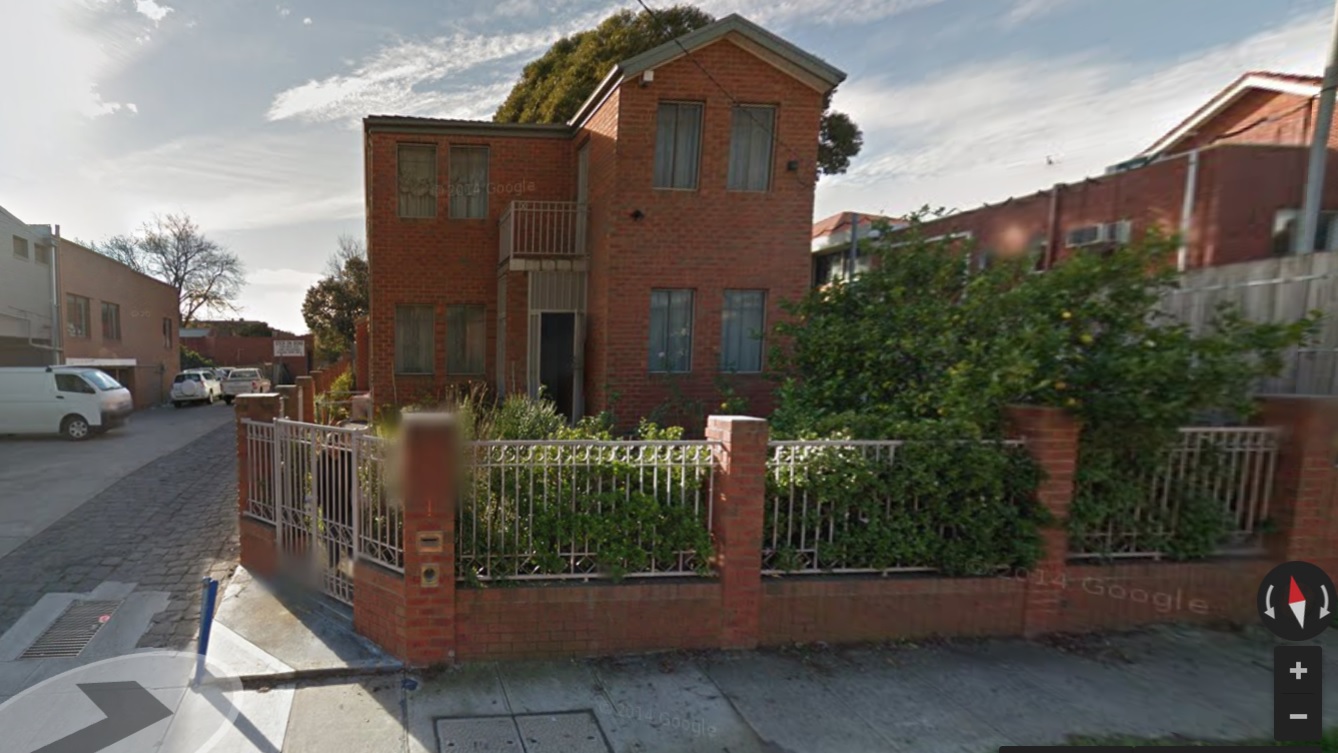
Hyams moved motion to accept ‘as printed’. Sounness seconded.
HYAMS: said that the question was whether this was the ‘right place for a five storey building’. Went on to explain that this is a commercial zone, and backs onto a house also in the commercial zone. There’s a tramline and unlike Centre Road this is ‘far more commercial in nature’ than Centre Road. Went on to say that in terms of precedents, that VCAT had already given a permit ‘further down Hawthorn Road’ for a five storey building ‘near Princes Park’ so if a 5 storey can go ‘down there’ it can go here. Setbacks mean that it will be a three storey fronting Hawthorn Road. All parking under ResCode is provided on site and only shop parking is less but since there are less shops proposed the situation for parking will mean that ‘it is an improvement on current situation’. Will be a construction management plan, waste disposal plan, etc. Balconies will also be screened to avoid overlooking. This is ‘quite a reasonable application in this area’.
SOUNNESS: conditions considered overshadowing and other issues. Applicant has ‘made a very good effort’. Sounness does recognise that ‘five storeys is quite a substantial size’ but that part of the city can handle more density because of the ‘proximity of the park’ and the tram routes. Said that the ‘turntable for cars’ is something he hasn’t seen for a long time so that’s a new feature.
ESAKOFF: said that she would have liked to see ‘the deletion’ of one floor. That would be a better ‘outcome’ even though the property next to it is also zoned commercial even though ‘it is a residential property and is lived in as a home’. So the ‘impact on them’ for 5 storeys ‘is not a good one’. Car parking would also ‘be better with one less floor’. Said that parking at Balaclava Junction is ‘damn near impossible’. Said she wouldn’t be supporting a 5 storey building. Added that the 5 storey further down Hawthorn Road ‘got up’ because of VCAT and that there weren’t any ‘residential interfaces’ since this site is next to Maple Street Rec Centre and other shops alongside.
LIPSHUTZ: supports this because it is ‘well designed’. It is ‘set back’, and ‘ticks all the boxes’. But he was also ‘concerned’ about the impact on the house and parking. Said that when he first ‘came on council’, three storeys were ‘being knocked back’ and now there is five, six and seven storeys. Said he doesn’t want to see ‘huge developments’ which end up with ‘borrowed light’ but that this is a State problem and council can’t ‘deal with it’ because there aren’t any ‘building laws which say you can’t build dog boxes’. ‘That’s what you’ve got here’ and there will be ‘more and more’.
OKOTEL: supported Esakoff’s comment about lack of car parking, especially for the retail since the 3 offices are being replaced and the development is providing 1 car space instead of 4 required for the retail and she thought it was ‘important’ that car spaces be provided for ‘those who are working in retail’. ‘One car space is not enough’ and especially since policy dictates that there be more.
DELAHUNTY: supports the motion and said that ‘I don’t love it’ but that she ‘doesn’t hate it enough’. Said it’s only 18 so height of building ‘doesn’t mean a whole lot’ in terms of ‘intensity’. Claimed that she ‘doesn’t have any trouble parking there’ but does have trouble ‘sometimes’ with her bike because of the mass of people ‘in and out’. Said she didn’t see any problem with lack of retail parking spaces and that when such spaces are underground they aren’t even used. Borrowed light isn’t an issue with the conditions put on such as being able to open the ‘opaque window’ so that ventilation and light can come through. Thought that it’s important to ‘realise’ that ‘we’re not being asked to live in the building’ and ‘not being asked to buy the property’ but this ‘keeps property prices down’ so people can afford to live there. It’s important to ‘encourage’ people ‘into the area who have all sorts of different socio-economic backgrounds’. Thought officers had made this ‘reasonable’ and that it is ‘environmentally friendly to have shop-top dwelling’ near transport.
MOTION PUT: VOTING FOR – Sounness, Delahunty, Pilling, Magee, Hyams,. VOTING AGAINST – Lobo, Esakoff, Okotel Lipshutz. Motion carried.

