GE Governance


The following example highlights what can be achieved when residents and council work in unison to deliver positive outcomes for the community. It features Banyule Council’s fight to ensure that the Ivanhoe Activity Centre Structure Plan contains MANDATORY, rather than ‘discretionary’ height limits.

Unlike Glen Eira City Council, Banyule was not prepared to sit back and argue that mostly ‘discretionary’ height limits was the way to go. They lobbied the Minister in conjunction with their residents and have recently achieved complete MANDATORY controls for the entire activity centre. Further Banyule council is also part of the ‘pilot program’ investigating mandatory heights for all activity centres. Moonee Valley is also part of this program. Why isn’t Glen Eira? Has our council even asked, much less uttered one single official word to put any pressure on government? The answer is NO!

We also present the Save Ivanhoe letter to Wynne asking for (and ultimately getting) mandatory heights.

The joint effort by both residents and council should be a salutary lesson for Glen Eira. And so should the processes undertaken by Banyule – ie open, transparent consultation and consensus!


Helen Carr and Luke McNamara
Co Convenors
Save Ivanhoe Residents Group
http://www.saveivanhoe.com/
info@saveivanhoe.com

Hon Richard Wynne
Minister for Planning
Victorian State Government
richard.wynne@parliament.vic.gov.au

19 September 2017

Dear Minister

RE: Mandatory Controls for the Ivanhoe Activity Centre

We are following up progress on the implementation of Mandatory Controls for the Ivanhoe Activity Centre.  This proposed action comes out of the Banyule Council community meeting in May when you stated that you were happy to introduce such controls given the extraordinary level of planning by the community and Council in the delivery of the Ivanhoe Structure Plan.

The Ivanhoe Structure Plan was developed through an unprecedented intensive and extensive Council planning process over three years. The community engagement was extensive. There were dozens of community sessions and workshops held and attended by traders, residents, developers, Council staff, Councillors and state politicians. Banyule Council employed the services of MGS Architects to do a street by street analysis of the activity centre zone. Council created a Community Consultative Committee (CCC) who met regularly for two years to work through the details of the plan.

The Save Ivanhoe Residents Group was a key player throughout this time, informing and harnessing the participation of many hundreds of residents and making a significant contribution to the outcome. Our contribution included participation on the CCC, dissemination of information to residents, ongoing discussion with Council and key stakeholders, site inspections, community forums and the review of the conceptual plans and documentation.

Over 1200 individual submissions were made to Council.

The ultimate plan delivered for the Ivanhoe Activity Centre was one where developers, traders, residents and Council agreed, through discussion, analysis and compromise on how to deliver future growth and development of the Activity Centre, in accordance with State Planning Policy.

The Structure Plan was reviewed by State Planning Department to confirm it contributed significantly to future density growth and also reviewed by a State Government Planning Panel. The guidelines for heights, setbacks and specific provisions in seven different precincts in the Activity Centre were endorsed through this process.

Despite the community request, these guidelines were not prescribed. Consequently many developers have blatantly ignored these guidelines, as have some VCAT decisions. More recently developers have been spurred on by the State Government’s changes to allowable heights. This has undermined the hard work and everything that our community and Council agreed was appropriate and reasonable to ensure growth and development but to avert rampant overdevelopment, destruction of neighbourhood character and future liveability.

A current example of over development is the 10-storey development application for 40 Upper Heidelberg Rd. This was refused by Banyule Council and is currently before VCAT. [VCAT Order: P1645/2017]. This proposal exceeds the guidelines height by 60% and has none of the required setbacks or the landscaping required for the site. It is situated on the most prominent ridgeline in Ivanhoe and will have significant negative impact on local residents, neighbourhood character and general amenity. It will be visible throughout Ivanhoe and from East Ivanhoe, Alphington and Eaglemont. It is at complete odds with local planning policy and process and will create a precedent for the area. Furthermore VCAT rejected a very similar development in the early 2000s. This earlier and similar sized proposal, although half the height, was thrown out as inappropriate due to excessive bulk and adverse impact on amenity.

As a consequence of continual developer disregard for the Activity Centre guidelines, there is widespread anger in the community that the Plan has been so undermined, discounted and ignored.

Save Ivanhoe Residents Group believes it is essential to protect the integrity of the Structure Plan for the development of the Ivanhoe Activity Centre. Therefore we are asking that you urgently approve mandatory controls on height and setbacks throughout the Activity Centre in accordance with the Structure Plan.

Furthermore we ask that you do so, or publicly signal your intent to do so, prior to 9th October VCAT Compulsory Conference regarding 40 Upper Heidelberg Rd. To do this will signal to developers that local planning guidelines are to be respected.  It will signal to the community that your government is responsive to and respects local community and Council planning processes. This is particularly urgent to give guidance to VCAT regarding all current applications scheduled for review.

We welcome development and growth in Ivanhoe. However no developer has the right to ignore the requirements of the Structure Plan and in doing so lead to the needless destruction of liveability now and in the future.

Yours sincerely

Helen Carr & Luke McNamara

CC:
Anthony Carbines. Member for Ivanhoe. E. anthony.carbines@parliament.vic.gov.au
David Davis, Shadow Minister for Planning. E. david.davis@parliament.vic.gov.au
Samantha Dunn, Vic Greens Planning Spokesperson. E. samantha.dunn@parliament.vic.gov.au

Source: http://www.saveivanhoe.com/news/183-mandatory-heights-for-ivanhoe-letter-to-minister-for-planning
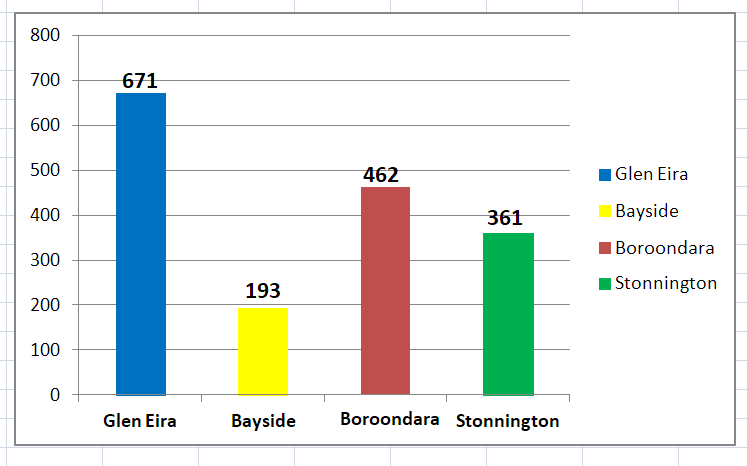
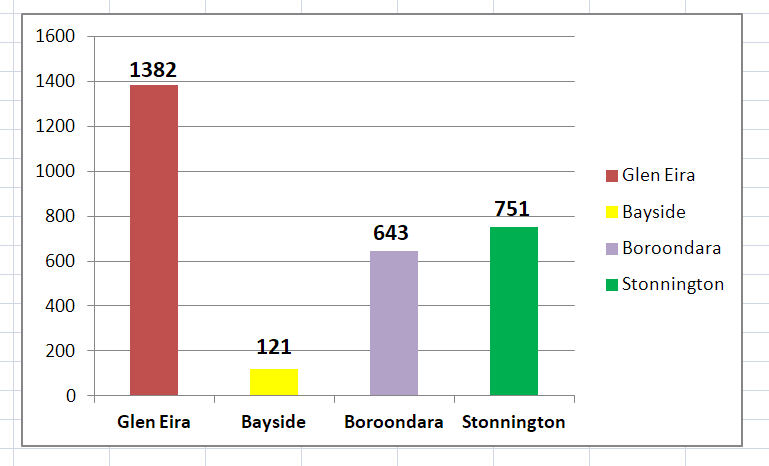
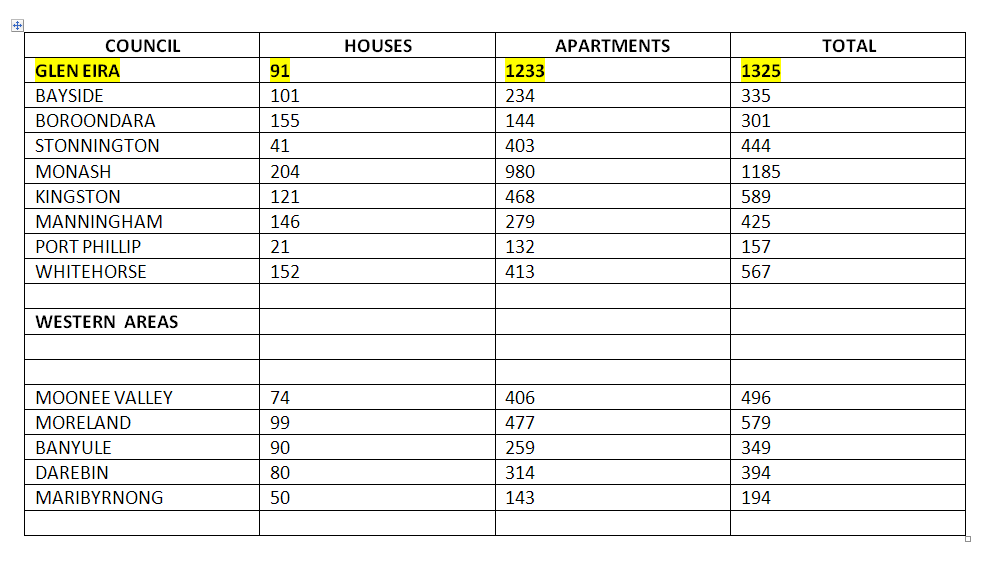
Development in Glen Eira shows no signs of slowing down. Planning Permit Victoria provides a monthly listing of NET NEW DWELLINGS granted permits. We now have the data for the first four months of the current financial year – ie July through to the end of October, 2017. As with building permits, Glen Eira puts our ‘inner south ‘partners’ to shame – and please remember that the vast majority of these permits would not as yet have gained their building permits. They are simply the okay to proceed, not necessarily to build as yet.

We highlight Stonnington, Bayside, and Boroondara since Plan Melbourne ‘Refresh’ has lumped these municipalities together under the ‘inner south’ category. Plus Council makes much of Plan Melbourne’s ‘expectations’ for housing growth to 2051. It’s just a pity that Council refuses to present any argument that Glen Eira is well and truly meeting its targets and that some of these other councils are lagging far behind when size, commercial zoning, open space, etc is taken into account IN ADDITION to the actual dwelling numbers! This position of course does not meld well with a pro-development agenda!

Here are the net new dwelling permit numbers:

Even more disturbing is the data for subdivisions over the past financial year (ie 2016/17). What should be remembered is that some of these subdivisions also include subdivisions of land, not just for dwellings. For example: one lot of say 1000 square metres is subdivided into 2 lots of 500square metres each. The developer can then put in an application for multiple dwellings on each lot. Hence, the figures presented below are ‘conservative’ in that the final dwelling figure could be a lot higher.

Looking at all the figures such as building permits, planning permits, size, amount of open space, density, land zoning, etc, Glen Eira remains the most overdeveloped municipality in this group! Yet not a peep about any of this. No public statements such as emanated from Boroondara when Wynne introduced VC110, no real opposition to any of the suggestions in the government’s discussion paper on the Victorian Planning Provisions in contrast to countless other councils, and no insight whatsoever into how to conduct genuine and meaningful consultation. And to rub salt into the wounds, Council is gearing up for more and more development – though it is unlikely that council will ever admit this. If Calcutta isn’t completely here as yet, it is around the corner if council has its way!

We’ve received the following email from a participant at last night’s Virginia Estate forum. Several questions arise from this:

  • Given this will be the largest development in Glen Eira’s history, the turnout is disappointing. More disappointing is the failure of many councillors to show up!
  • The economic analysis is still to make an appearance on the VPA website and it is nearing mid December and consultation closes soon. How can residents provide meaningful comments when they have nothing to comment upon?
  • Since when does council have no control over building heights? Has council already caved into whatever the developers and state government want?
  • We’re supposed to have had a Community Reference Group, yet no names have been made public so how on earth can these people ‘represent’ their community when no resident knows officially whom to contact to provide ‘feedback’?!! Nor do we know how many times this committee has met. No minutes or reporting back to council has taken place. In fact, we believe that this committee was basically ‘sworn to secrecy’. Another example of sham ‘consultation’ -standing in sharp contrast to what happened with the Alphington Mill reference group where minutes and agendas were made public and everyone knew who was on the committee. Woeful and deliberate stuff Glen Eira Council!

Here’s the email:

There was a mix of about 38 people there, Hyams and Taylor attended as did Libs candidate for Bentleigh Asher Judah.

Glen Eira’s representation was minimal and in the background and consisted of a few young female officers handing out Glen Eira’s Draft Quality Design Guideline book in the hallway, with nothing about the proposed East Village Activity Centre on show.

The opening presentation/slide show from VPA’s Steve Dunn took too long, leaving not enough time for questions; and there was no systematic reporting back from each table.
There was little new information from VPA to move ahead with.

Yvonne from the Residents Consultation Group/Panel took the podium and gave the development the big tick, basically saying what is proposed is better than what is there now, with reservations on Councils ability to control the final outcomes on height limits and traffic.

Residents used question time to rehash their same concerns of traffic overflows into their streets. Traffic issues took the lion’s share of the question time.

At about 7:30 a panel of at least 8 people assembled to answer question only 3 were used the others said nothing, Ron Torres took a few questions on building heights with the development. The person from the Education Dept took a few questions on the proposed school, the main concerns here, were to do with having the drop off and pick-up areas within the Village and not on the boundary residential streets.  (traffic related again).

Other concerns were:-
/flooding on the site
/Council not being able to control the building heights as the development progress (Ron Torres took these concerns on,  and asked for submission to the activities centre consultation and mention mandatory height limits being protected under law and mostly VCAT proof.

/The soccer club from Marlborough Reserve wants another soccer field, and suggested that by moving the existing soccer field forward and using the proposed aligning open space in the Village, they could be another synthetic field in. The answer from Steve Dunn was basically this was a done deal, Ron Torres hedged on this done deal statement,  saying Marlborough reserve was council open space and nothing has been decided.

My feelings are the residents are going to get done to death here. Issues like quality of design, rooftop gardens, larger set backs on North and E/Boundary roads, sustainable design, impact on Centre Road shopping strip, lack of public transport,  and where all these thousands of hoped for workers are going to park hardly got a mention.

One suggestion was subterranean parking. If all the other buildings are going to have similar subterranean car parks, you can imagine the permeability levels of the whole site will be very low, not to mention the sense of building subterranean car parking areas in a SBO area. The VPA is very secretive on onsite car parking, digging out these car parks will remove most of the polluted soil from the site, although the disposal costs of this spoil will be huge. It will be interesting to see if and how they justify these subterranean car parking areas in an SBO area.


Council can continue with its spin all it likes, but the reality is that development in Glen Eira is outstripping practically every other municipality apart from perhaps the CBD!

The Australian Bureau of Statistics (ABS) has today released its latest building permit approvals for the current financial year – that is from July to the end of October – 4 months worth of data! Glen Eira is streaks ahead of every other municipality and when size, open space, existing density, and the number of single houses being built as opposed to apartments is taken into account, then we are indeed in dire straits. Yet council is proposing to make it even more attractive for developers by opening up huge areas for 12 storey developments and rezoning hundreds upon hundreds of Neighbourhood Residential zoned sites to both GRZ and RGZ.

These stats (ABS DATA UPLOADED HERE) DON’T LIE! Glen Eira is hell bent on becoming the development capital of the south and probably the west!

A fantastic turnout at tonight’s Elsternwick Forum of at least 180 residents. And once again the anger and outrage was palpable. Councillors present were: Delahunty, Silver, Hyams, Esakoff, Athanasopolous plus CEO, McKenzie. They need to take serious note of this community response which has been mirrored by the Bentleigh and Carnegie forums!

As in Bentleigh one resident got up and asked people to put up their hands if they were happy with 12 storeys in Elsternwick. Not one hand went up. She then asked if people would be satisfied with 4 storeys? Most hands went up. This mirrors what happened at Bentleigh.

Yet throughout all of this ‘consultation’ the constant response from Mullen (and therefore presumably council) has been to avoid answering the most basic questions:

  • What is the strategic justification and the data that supports 12 storeys as say opposed to 6 or 8 storeys? Simply arguing that Elsternwick has to serve its function as a Major Activity Centre is not an answer!
  • Why when Glen Eira is providing double its housing ‘quota’ is council so hell bent on more development?
  • Why does Mullen continually resort to false dichotomies by arguing that the issue is about ‘no development’ versus 12 storeys? No one is saying there shouldn’t be development. The angst is all about what council is proposing and its impact on residents. We have yet to learn anything about what council will do with the schedules to the zones, etc. That is being kept secret!
  • Why when residents ask for another ‘option’ to be provided instead of the two options that the plans indicate (each option containing 12 storey buildings) does Mullen say that is a ‘councillor decision’ when he has previously stated that the plans are his recommendations. Who is running the show?
  • Why does Mullen, when asked about mandatory height limits say that council can opt for 4 storey preferred heights as opposed to the 12 storey height limit but VCAT will exceed this height limit. Surely there is a vast difference between 4 and 12 storeys? Plus, didn’t council in its interim height amendment for Bentleigh insist that they should opt for some preferred heights rather than all mandatory and couldn’t stop patting themselves on the back that the preferred heights would provide ‘certainty’ to all? Now we get the reverse argument – that preferred heights are non enforceable and that VCAT will exceed the limits imposed. Pity this wasn’t stated at the time the amendments for Bentleigh & Carnegie were introduced!
  • And yes, whilst amendments must be signed off by the Minister, surely this does not excuse council from listening to its constituents and at least trying to incorporate their views. Other councils can and do!

Until this council provides residents with honest and transparent answers, with data that is fool proof and detailed, we have absolutely no faith in any pronouncement made by this lot. Consultation is a farce. Pretending to listen to residents is a sham and acting upon resident views has yet to occur. As one resident said, council should be fighting tooth and nail for its people and not facilitating the slums of the future!

Finally we highlight this comment from one resident. She stated that she was concerned with council’s intention of extending shopping and night time hours and the deleterious impact this would have on surrounding neighbours. She said that this had been brought to the attention of Cr Silver and that his response was – “if you want peace and quiet go live in the country”!!!!!!!!!

If this is the attitude of our councillors then we are indeed in deep shit!

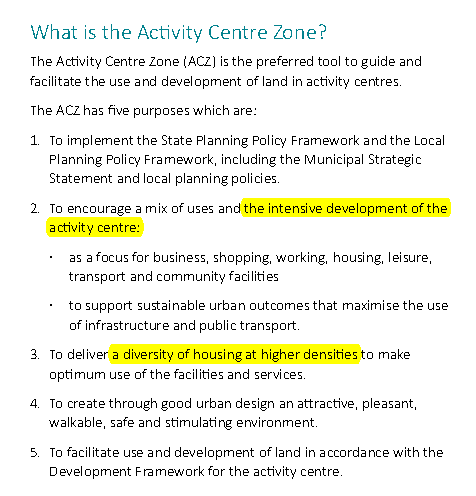
Activity centres have 5 main purposes as shown in the following screen dump from the State Government’s Practice Notes. Whilst this dates from 2015, not much has changed in the recent Plan Melbourne ‘Refresh’.  Activity centres are there to facilitate further development – especially those centres which have train stations in their midst.

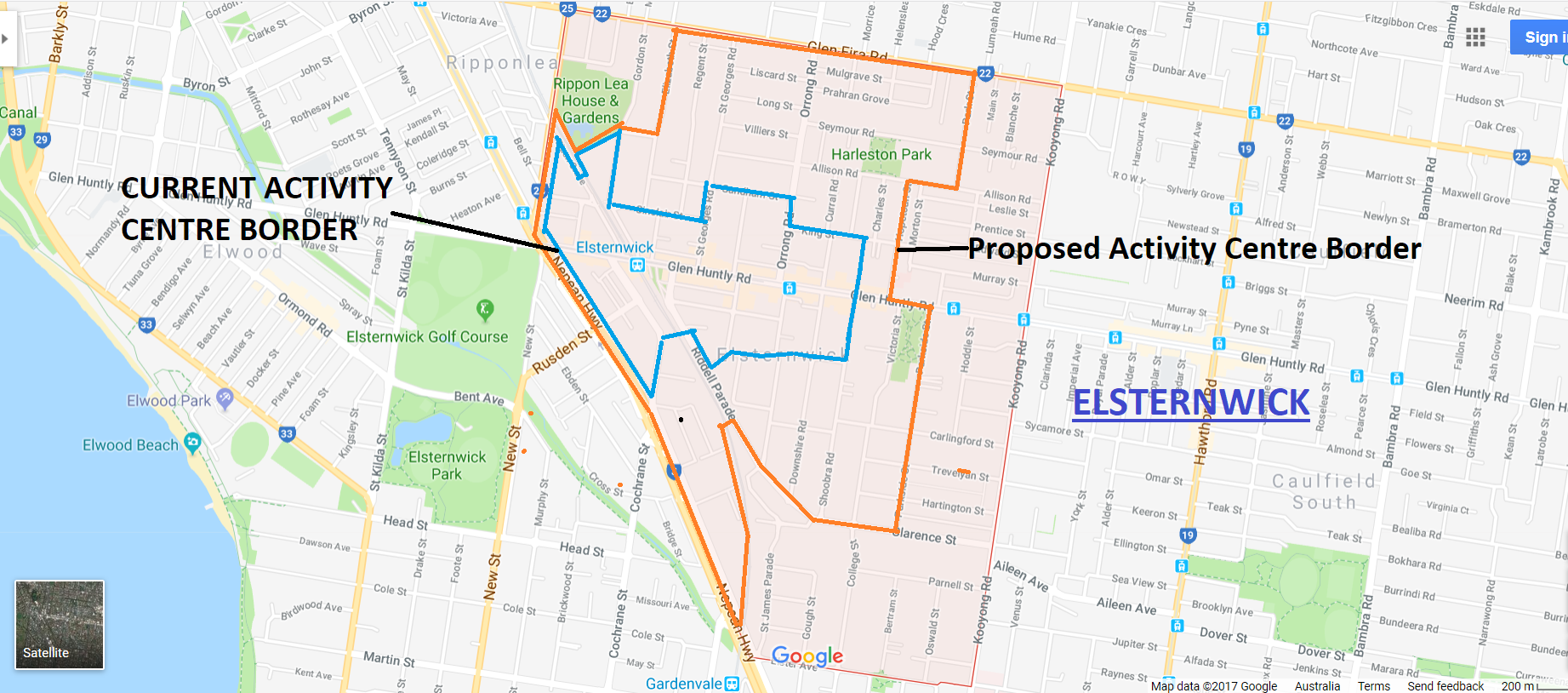
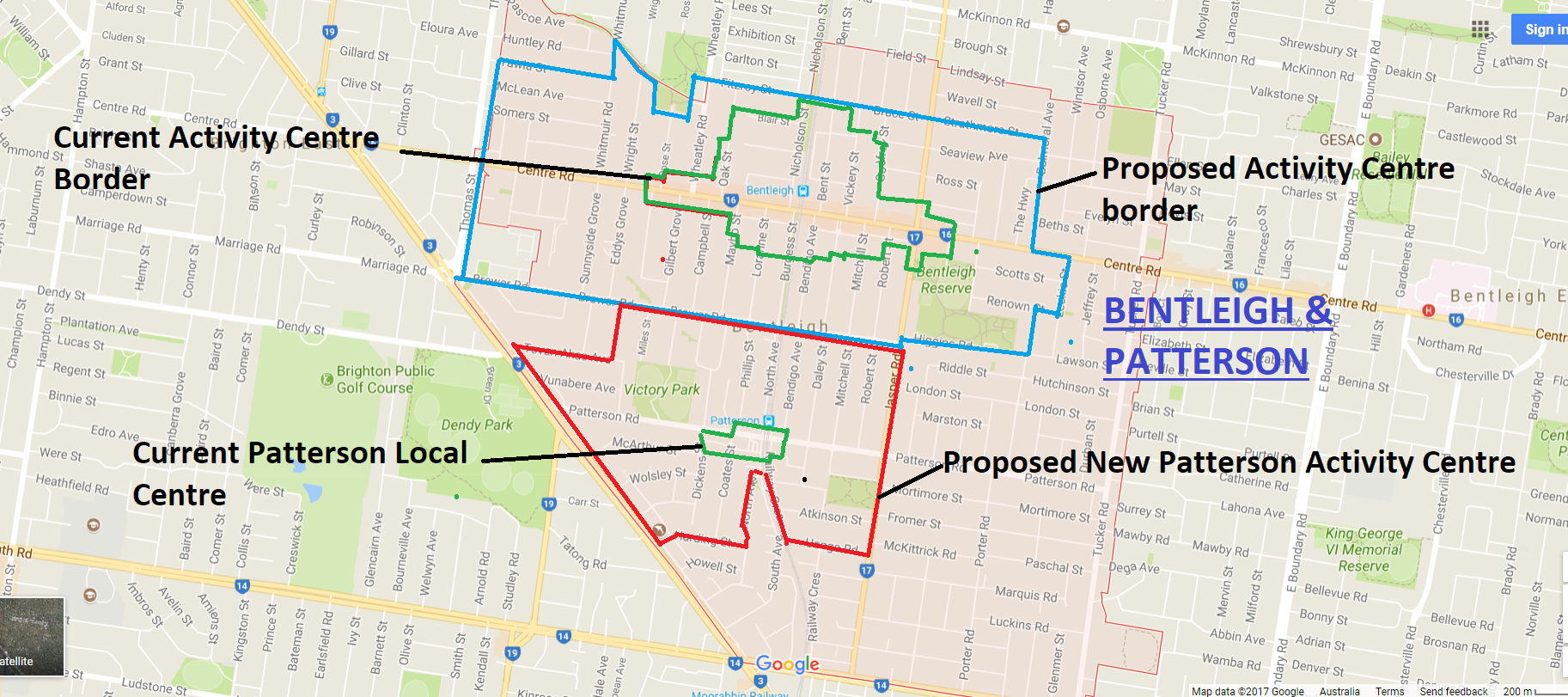
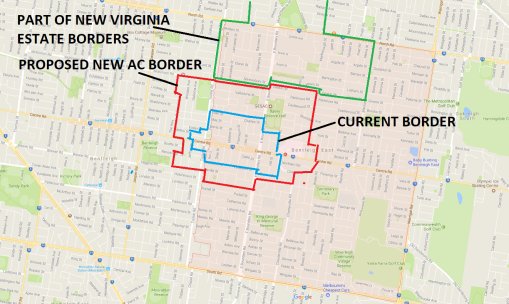
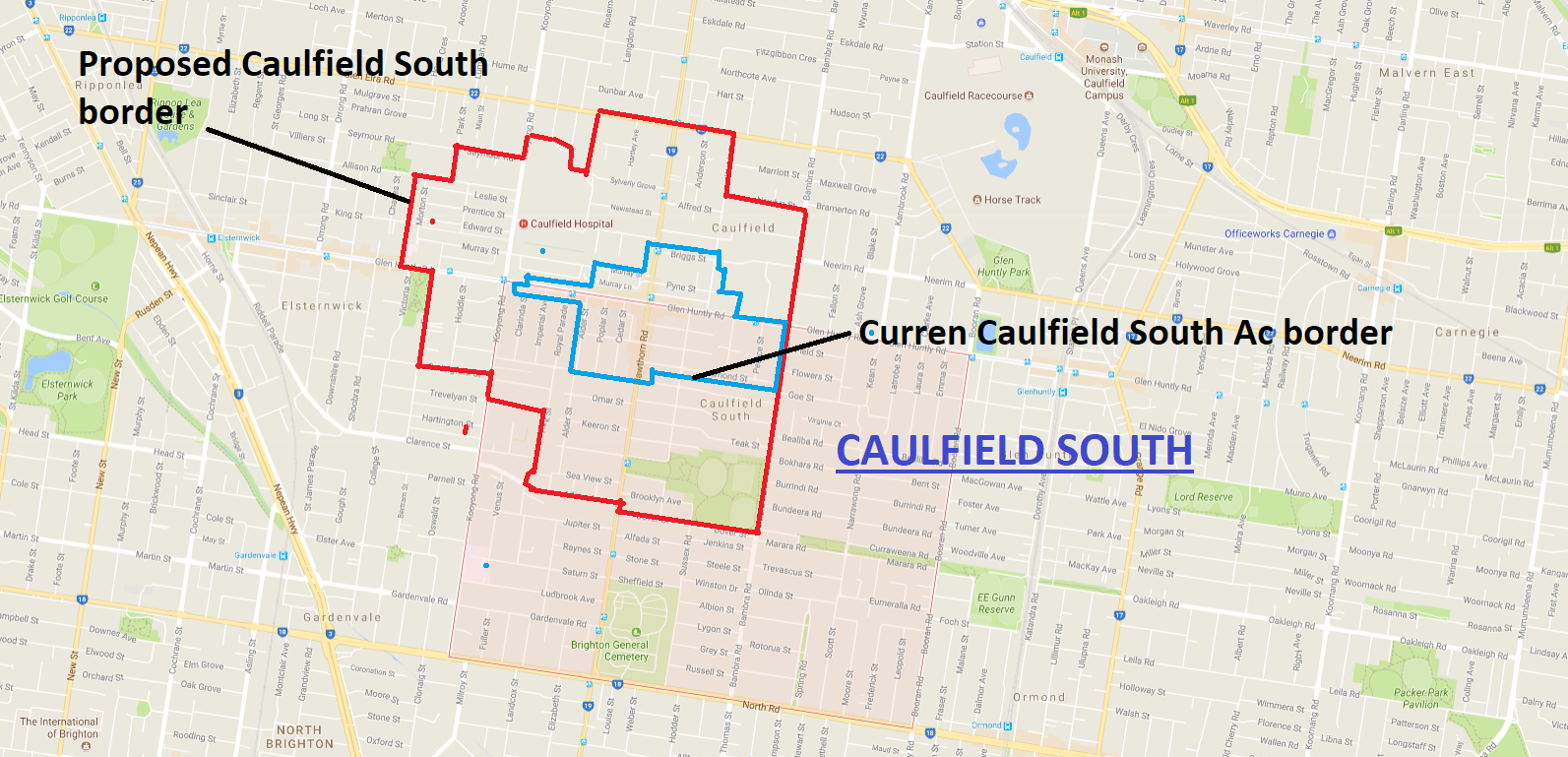
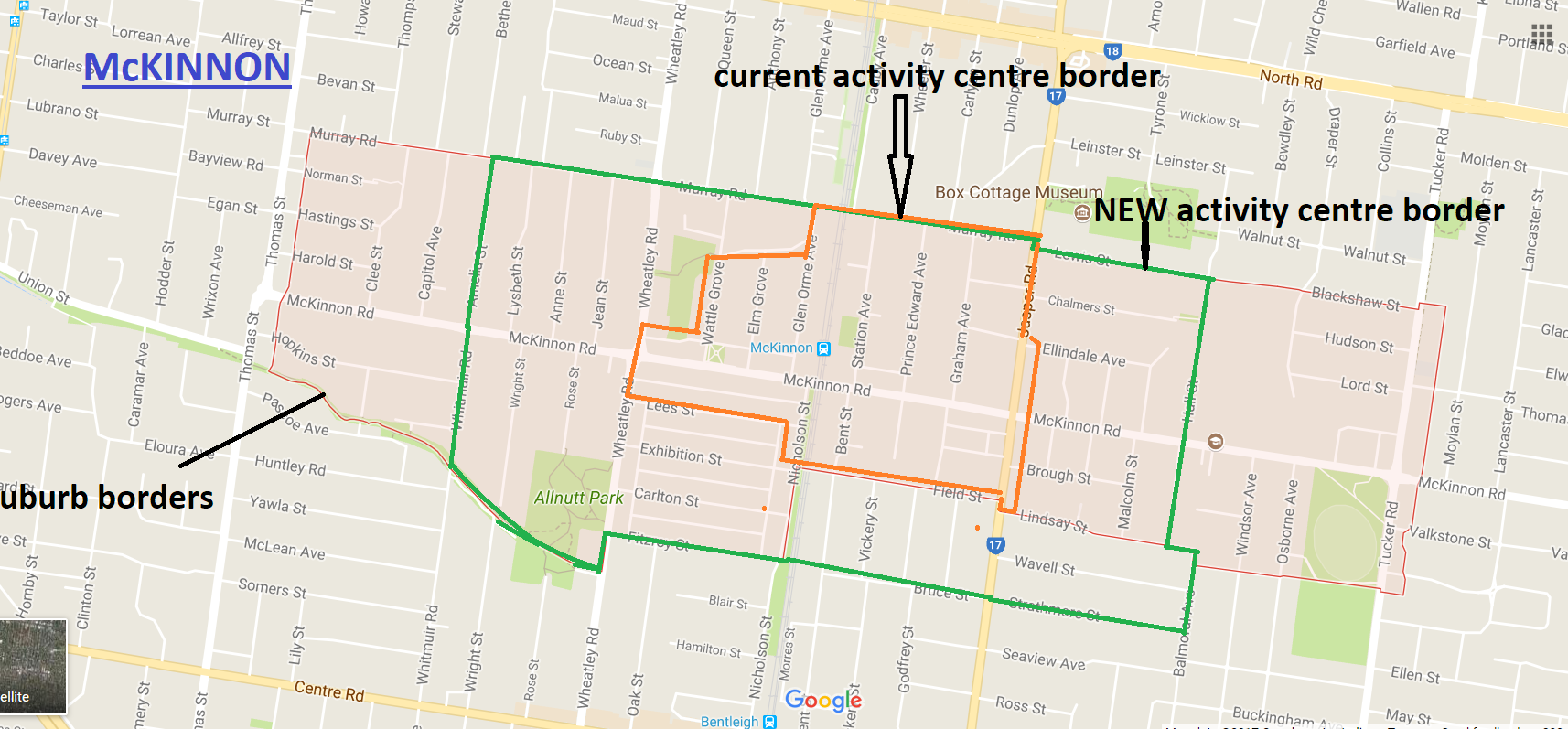
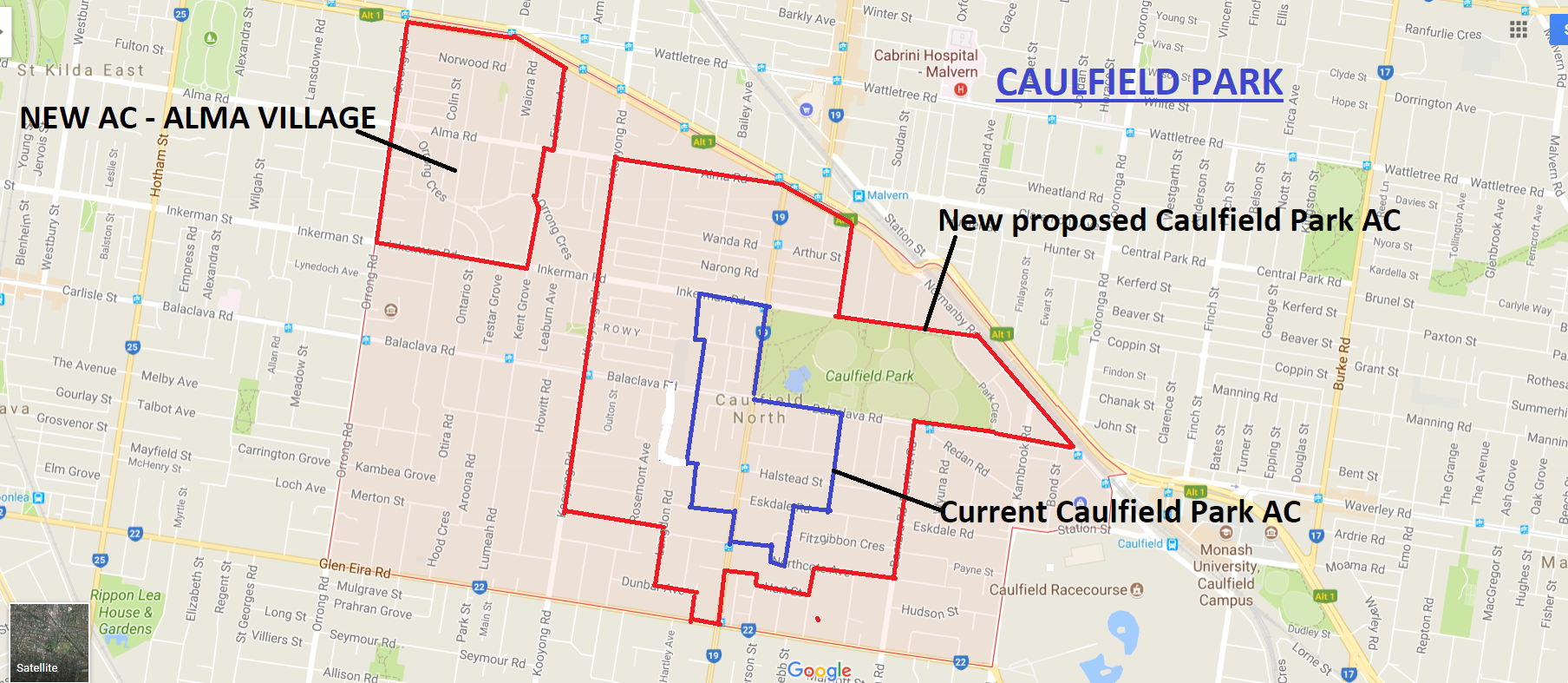
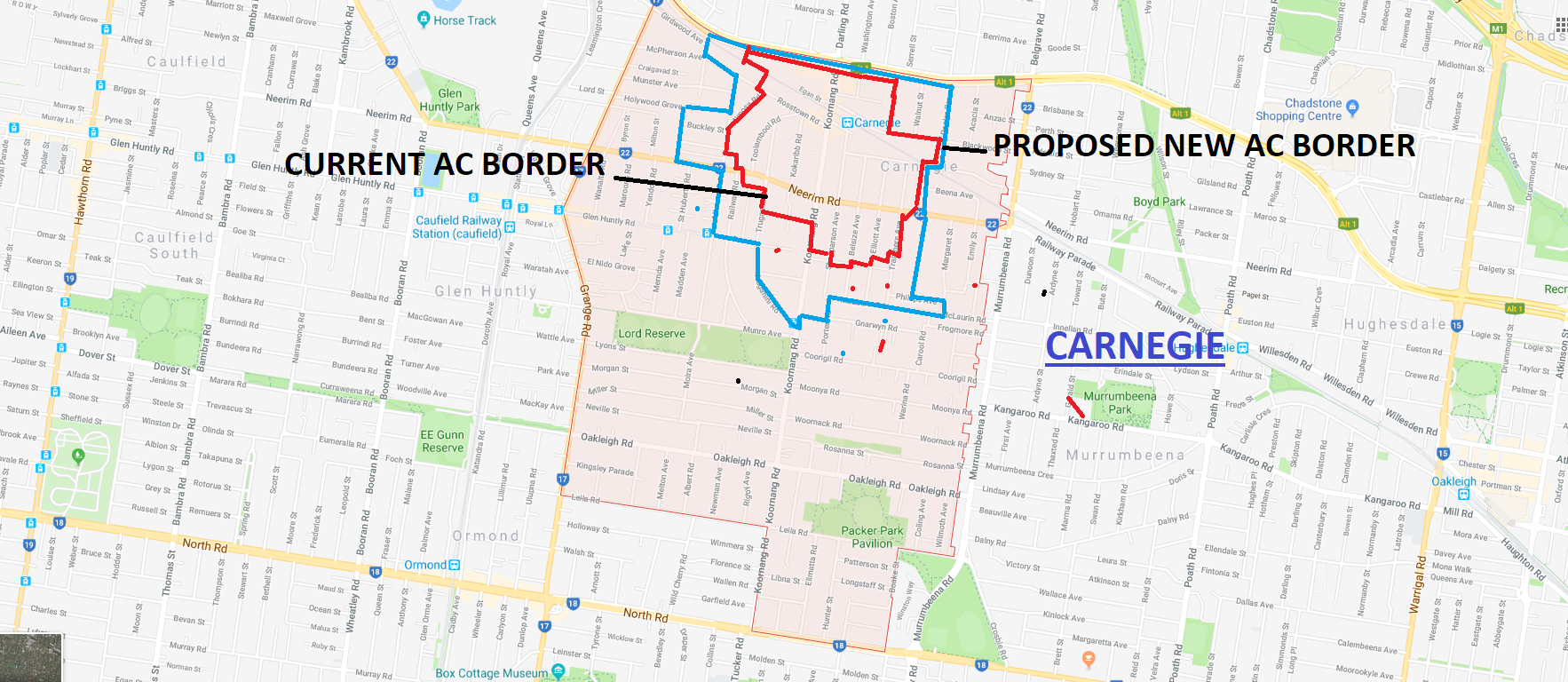
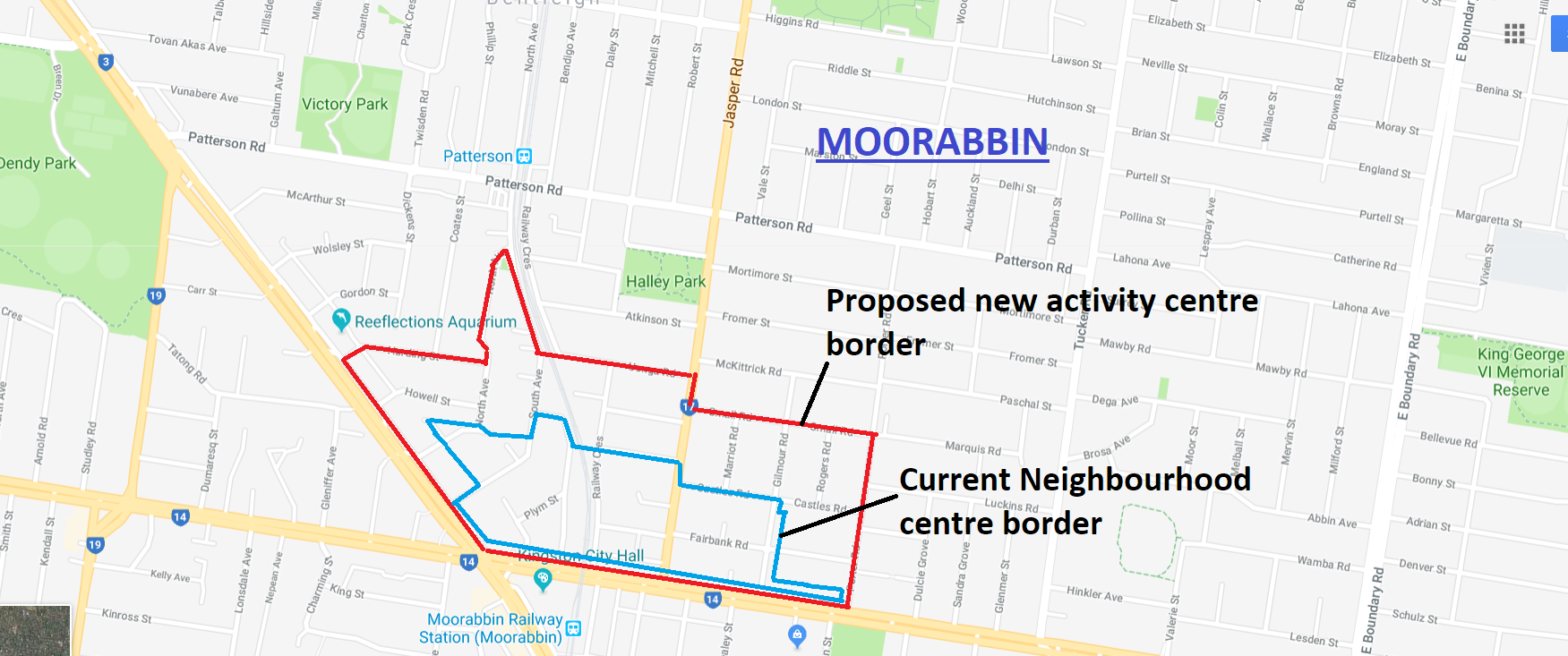
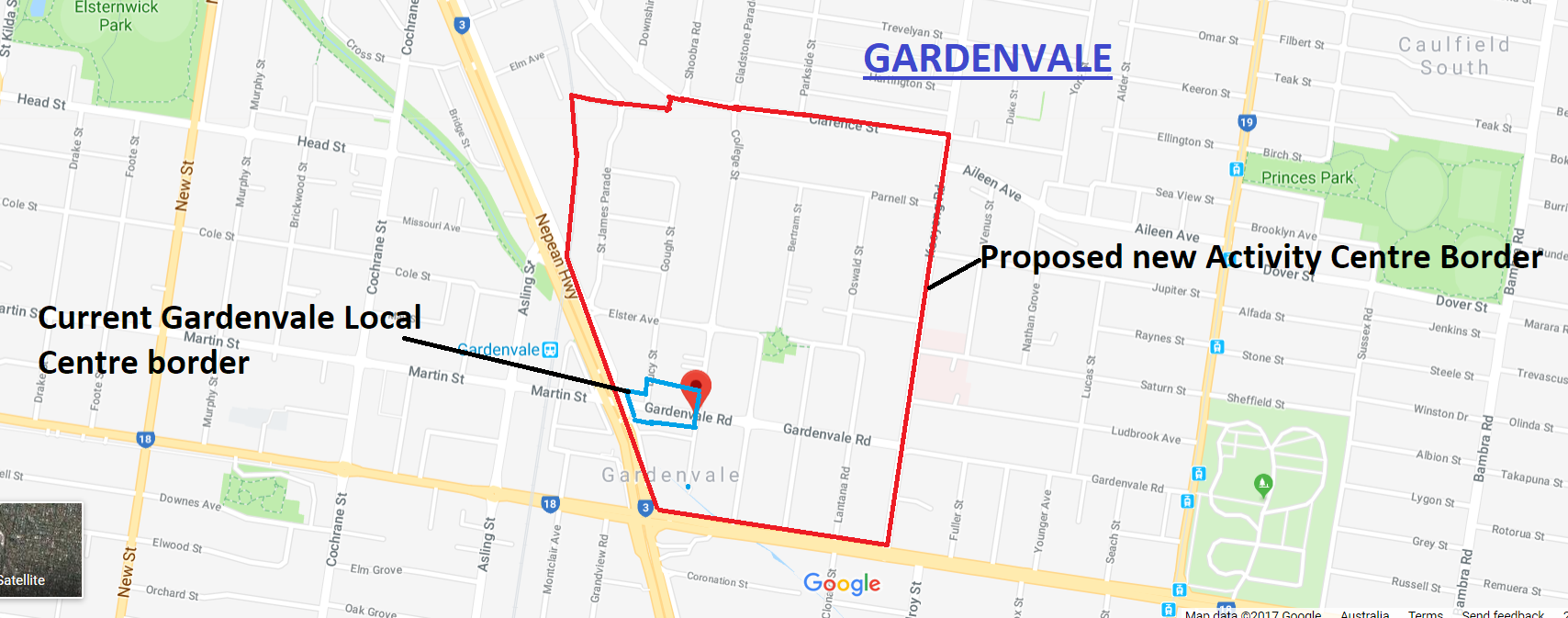
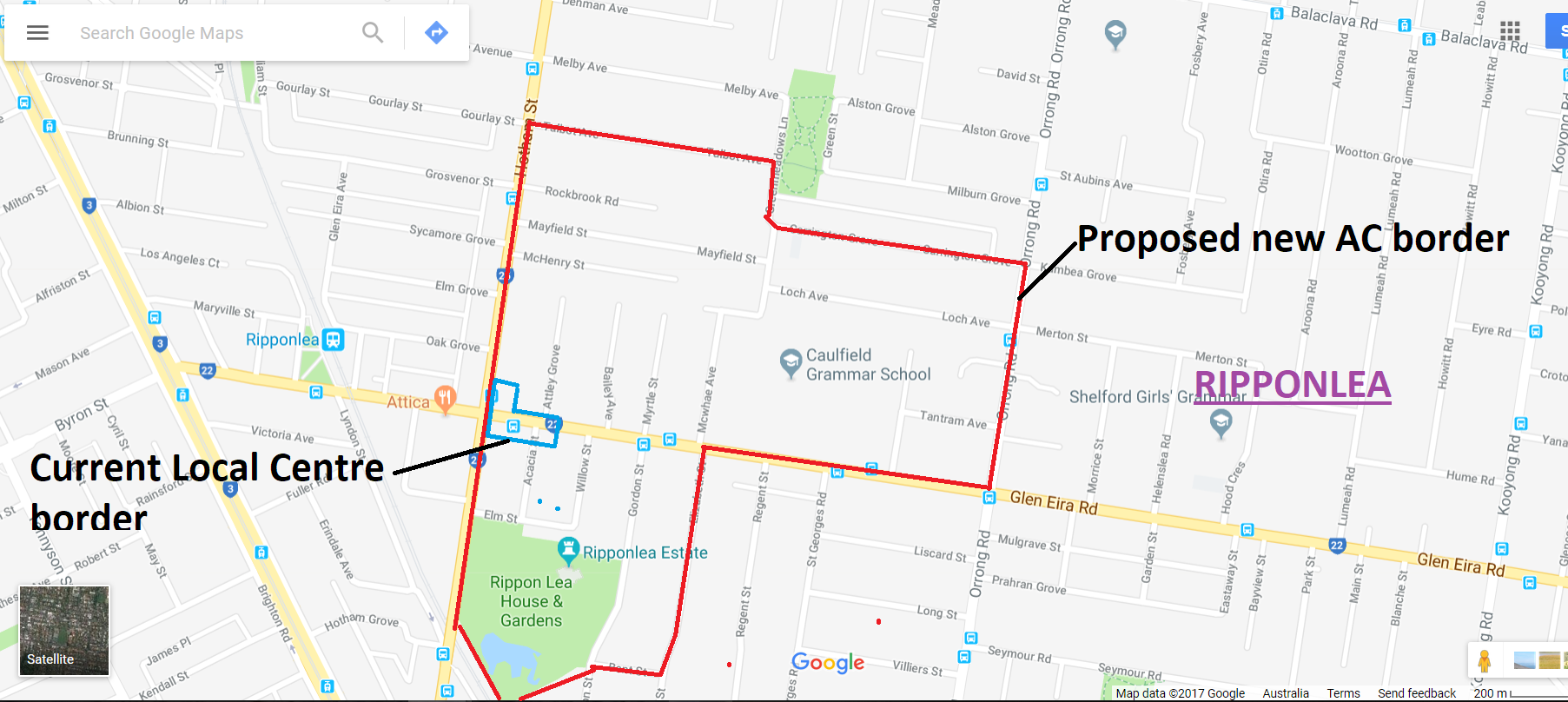
Council’s structure planning has embraced this notion completely and taken it to extremes. Land originally termed ‘study areas’ have now morphed into activity centre borders with a doubling and more in size. This is the case for Bentleigh, Elsternwick and Carnegie. We see no reason to believe that this won’t happen to our Neighbourhood Centres given council’s recent actions. It is also clear from the published documentation that 3 current Local Centres are now being expanded into Neighbourhood Centres and some Neighbourhood Centres like Bentleigh East and South Caulfield are also to bear the brunt of major development.

The result is that over 80% of Glen Eira will now become areas designated as ‘activity centres’ if our suspicions prove correct. This is unheard of in any other municipality. Further, there is absolutely no justification for this expansion of development potential given current rates of development. You don’t double or triple the size of an activity centre without some major rezoning in mind. Residents should also bear in mind that council has been far from transparent throughout this entire process. Information has been published in dribs and drabs and most of it bereft of detail. And still no word about our current neighbourhood centres.

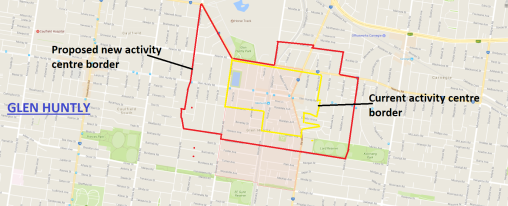
The following images are great cause for concern. Please note that in some of these images the areas shaded red represent the entire suburb. The lines drawn represent the current activity centre boundaries and the proposed new borders. Readers will see that for some suburbs they are practically ALL activity centres. Plus that many of these literally run into each other – ie Carnegie and Murrumbeena; Bentleigh and East Bentleigh. Thus we have huge swathes of land that are now ripe for the picking – in fact, 80% if all of this goes through!

CLICK TO ENLARGE

east bent ac

PS: WE FORGOT TO INCLUDE GLEN HUNTLY – DESIGNATED AS A MAJOR ACTIVITY CENTRE NOW INSTEAD OF A ‘NEIGHBOURHOOD CENTRE’

glenhuntlyac

How on earth can a planning department be so far out in its evaluations of what is happening? Is it incompetence or a case of camouflaging reality so that a pro-development agenda can proceed unhindered?

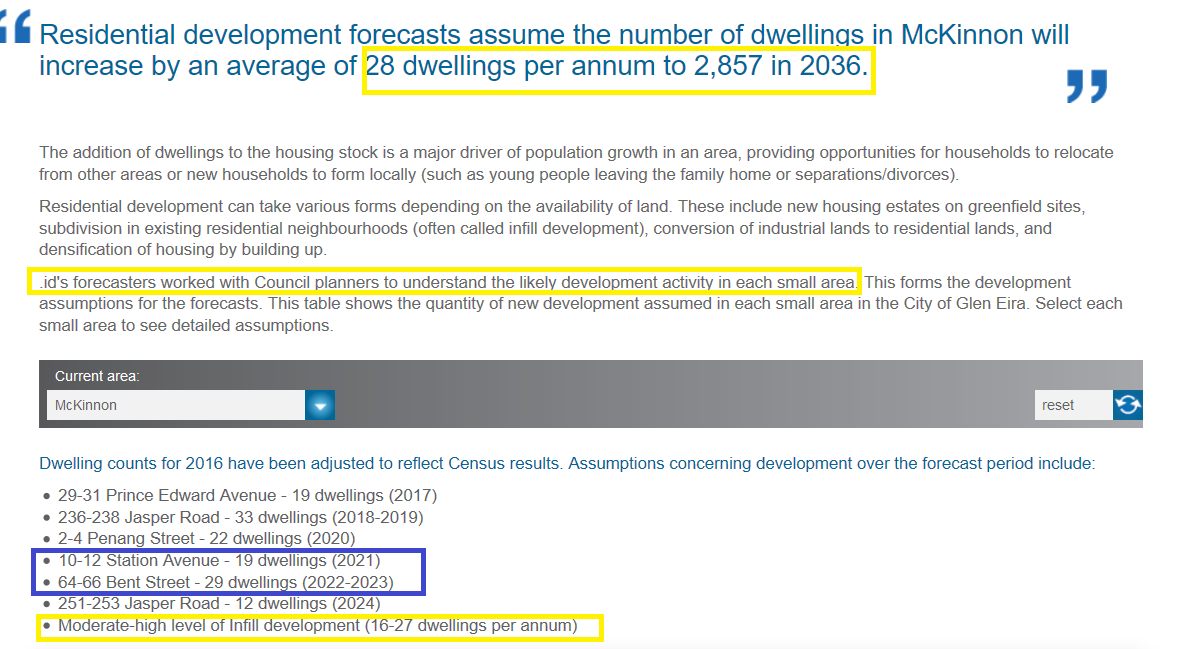
The screen dump below is supposedly from October 2017 and includes data from the 2016 Census. We’ve taken just one example noting that our comments apply to all suburbs and the breakdown into ‘small areas’. (Source: http://forecast.id.com.au/glen-eira/residential-development?WebID=180)

Things to note:

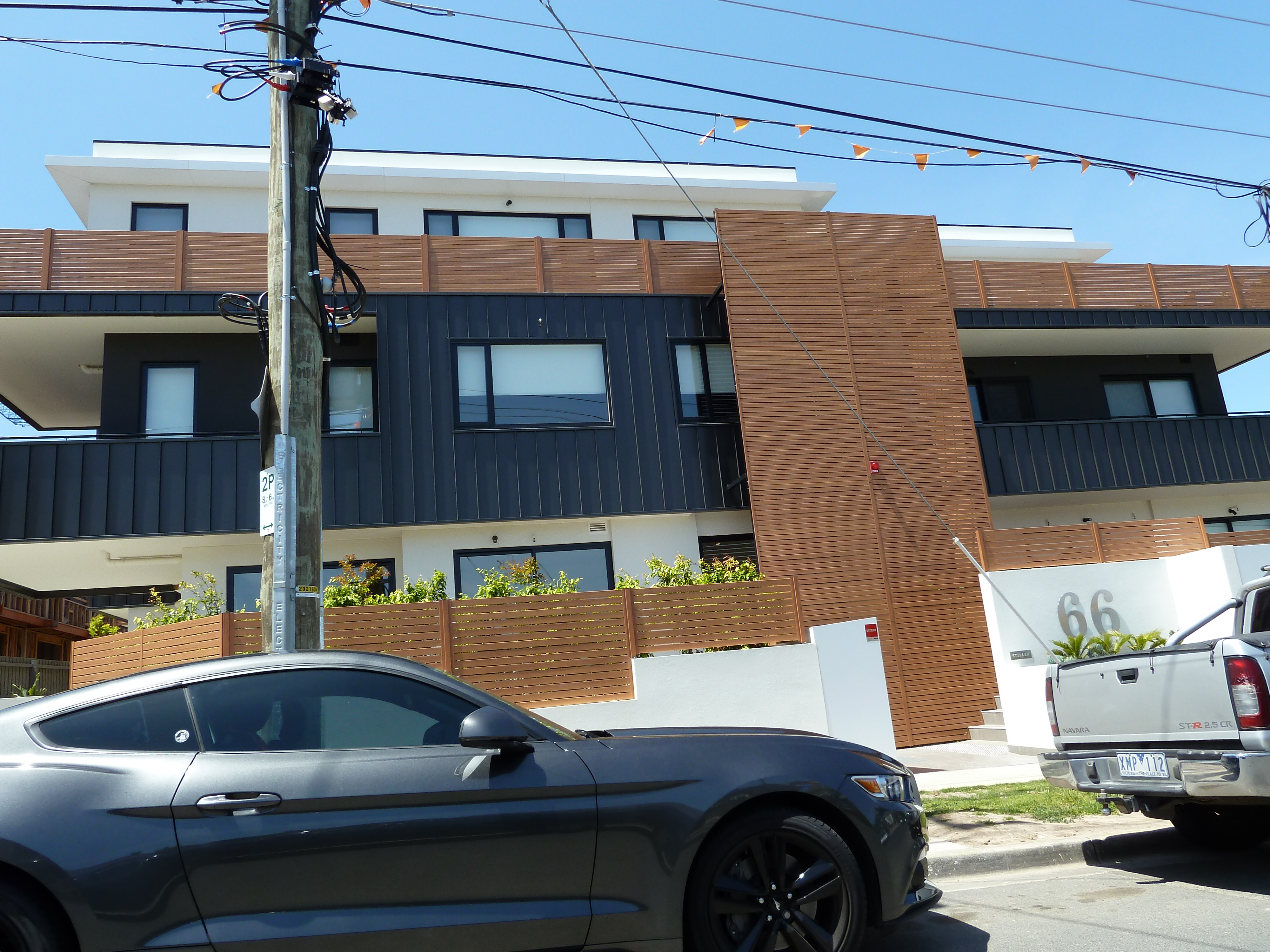
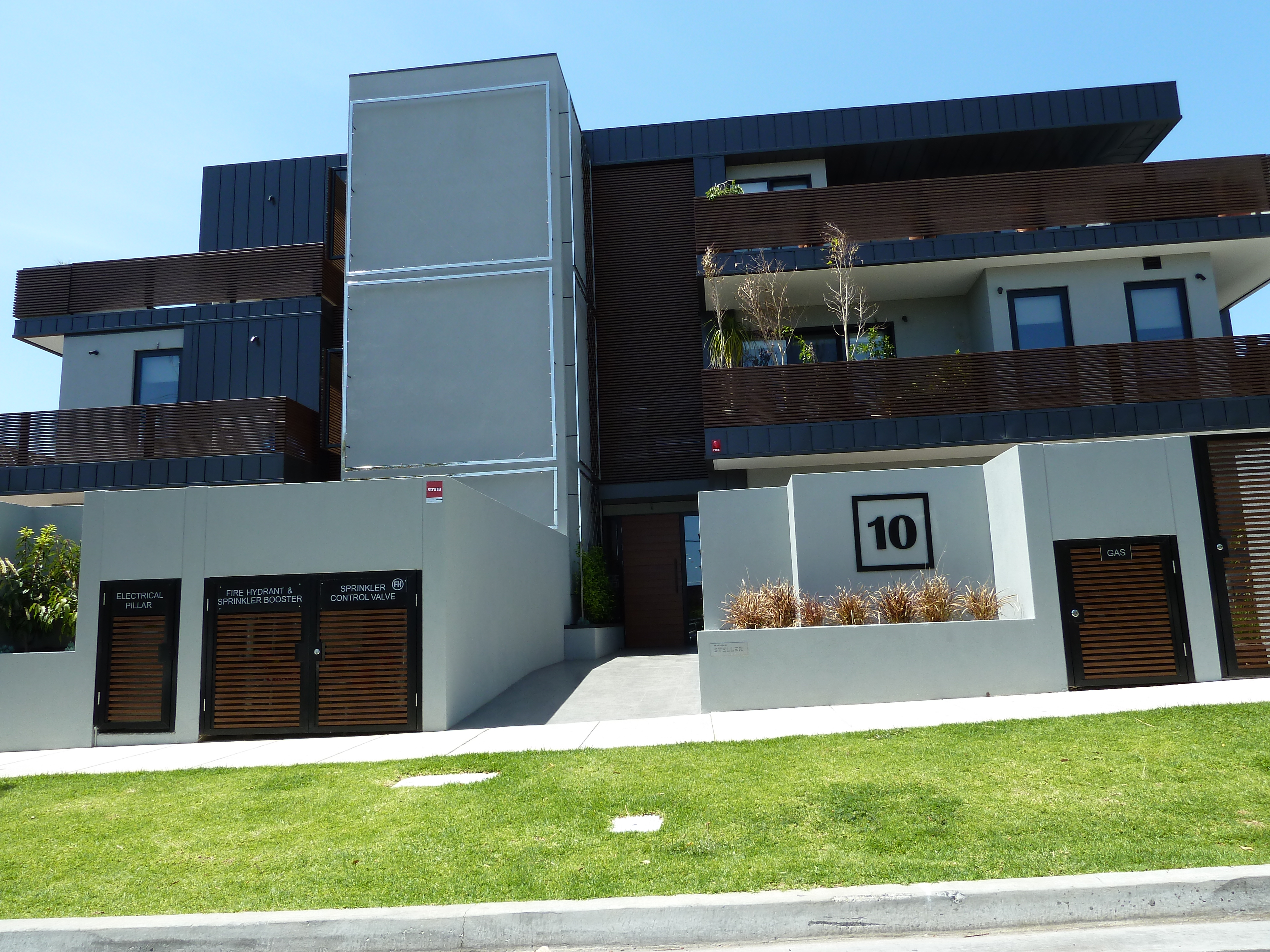
  • Several of the projects listed for completion years down the track are already built and operational – ie Bent Street and Station Avenue ones (see photos)

  • The projected increase of an average of 28 new dwellings per year is a joke. In NRZ permits  granted by council over the past year, we have at least 20 net new dwellings. And please remember this doesn’t take into account the number of net new dwellings erected in the GRZ zonings.
  • We assume (as stated) that the consultants relied on data provided to them by officers. Need we say any more?

Here is a list of permits granted for 2 double storeys in the NRZ in McKinnon over the past year.

8 Blackshaw Street MCKINNON

29 Lindsay Street MCKINNON

40 Hall Street MCKINNON

40 Hopkins Street MCKINNON

33 Windsor Avenue MCKINNON

Unit 1 36 Osborne Avenue MCKINNON

43 Whitmuir Road MCKINNON

14 Blackshaw Street MCKINNON

20 McKinnon Road MCKINNON

2 Draper Street MCKINNON

5 Lord Street MCKINNON

35 Rose Street MCKINNON

10 Lewis Street MCKINNON

12 McKinnon Road MCKINNON

7 Brennan Street MCKINNON

24 Osborne Avenue MCKINNON

26 Clee Street MCKINNON

71 Wheatley Road MCKINNON

31 Lysbeth Street MCKINNON

46 Carlton Street MCKINNON

To complete the full picture of what is happening in McKinnon, here is a list of all VCAT decisions relating to multi-unit development over the past year –

203  McKinnon  Road – shops and 4 dwellings, three storeys

6-10 Claire Street  McKinnon  – 3 storey, 33 units,

29-31 Prince Edward Avenue,  McKinnon  – 3 storey, 21 units,

10-12 Station Avenue,  McKinnon  – 3 storey, 21 units,

2-4 Penang Street,  McKinnon – 3 storey, 22 units,

91  McKinnon  Road,  McKinnon – 3 storey, 10 units

251-253 Jasper Road,  McKinnon – 4 storey, 12 units

64-66 Bent Street,  McKinnon – 3 & 4 storey, 31 units,

6 Prince Edward Avenue,  McKinnon  – 2 storey, 6 units,

35 Graham Avenue,  McKinnon – 3 double storeys

2 Lees Street,  McKinnon – 3 double storeys

To therefore predict that McKinnon will only have an average increase of 16-27 net new dwellings per year is ludicrous in our view!

Glen Eira has improved (slightly) from last year. It has now come in second to Monash for the number of appeals ending up at VCAT. Sadly however, three of our suburbs still rank in the top twenty from the entire state – Bentleigh, East Bentleigh and Carnegie.

We continue our analysis of the Urban Design document and remain astounded at the continued lack of accurate information this contains, plus the failure to provide all the necessary data to provide readers with the opportunity to make fair and objective comparisons.

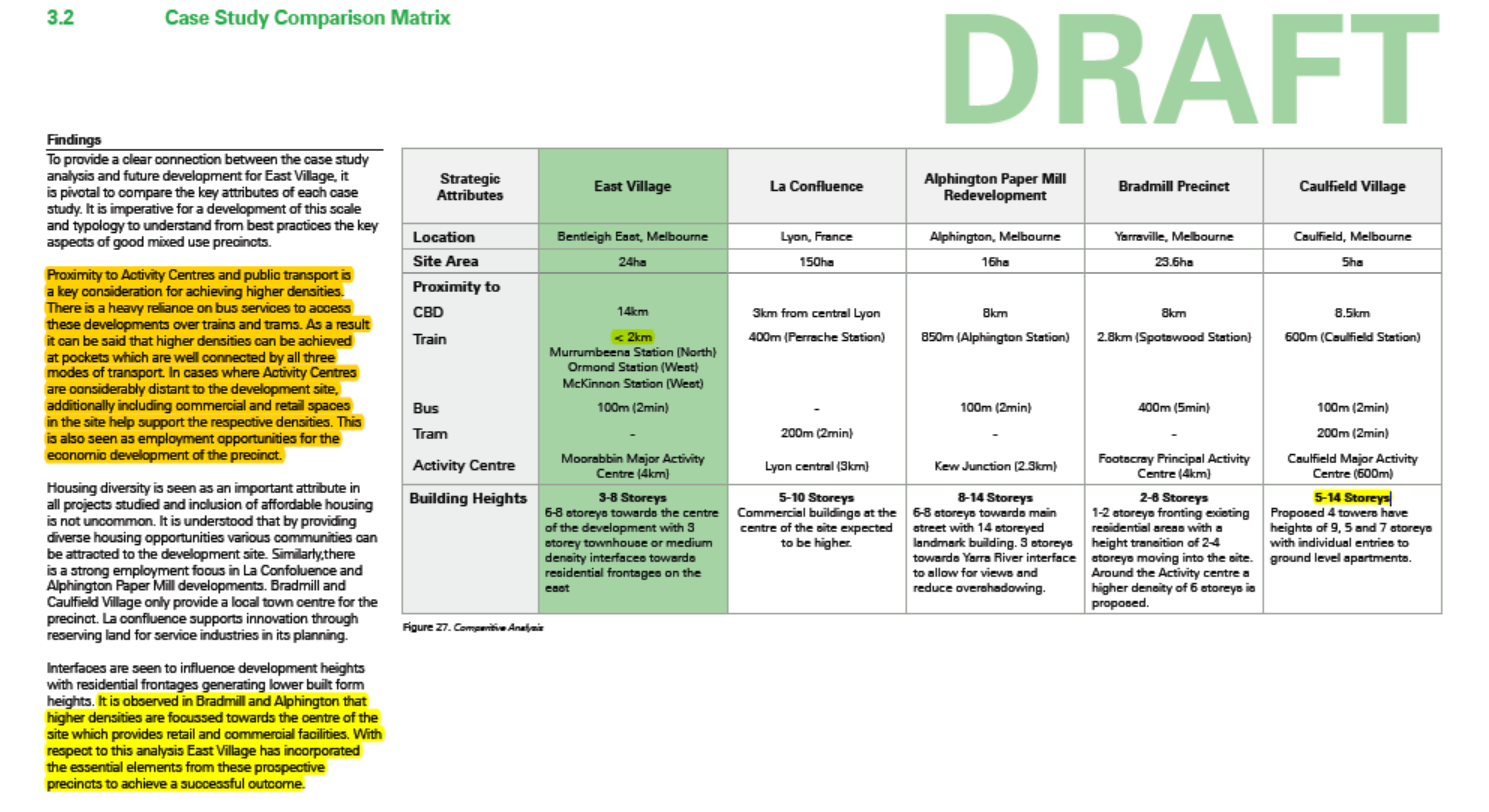
The screen dump provided below is supposed to represent a matrix of ‘comparable’ developments.

CLICK TO ENLARGE

What is not stated in this matrix, or what is completely misleading is the following:

  • McKinnon and Ormond stations can only be less than 2km away if we interpret this measurement as meaning ‘as the crow flies’. Driving or walking distance is well over 2km for both McKinnon and Ormond. Nor is there any commentary from the other documents as to where all these potential residents are to park their cars at either of these stations!
  • Left out of the matrix is the summary that the French example also has ‘light Rail and Metro running through the precinct linking it to other parts of the city’. Nor is the 35 hectares of public open space highlighted! This equates to 23.33% of the entire site being public open space in contrast to the Virginia Estate proposals of approximately 1.25% open space if we’re working on an area of 3000-4000 square metres in total.
  • The residential density for this French site would also amount to 33 dwellings per hectare in contrast to the Estate’s proposals of 125 dwellings (and that’s working on the stated 3000 dwellings which we predict will be much higher)
  • The Alphington Mills development is also well blessed with public transport – ie It is approximately 1.5kms from Fairfield station and 850m from Alphington station, and is well connected to the bus network.
  • What is not revealed in this matrix, or anywhere, about Alphington is that of the proposed 2500 dwellings, the vast majority are to be no more than 4 storeys in height! The 2013 Development Plan for the site only has one small corner fronting Heidelberg Road at 14 storeys. The Yarra council commenting on the revised Development Plan had this to say – Council was pleased that the DPO secured maximum building heights of three to four storeys for 70% of the site” (https://www.yarracity.vic.gov.au/the-area/yarras-future/alphington-paper-mill-site-redevelopment/development-plan-overlay). This then begs the question as to why Virginia Estate is destined, according to the drafts, to have approximately 85% of the entire 24 hectare site geared up for 8 storeys!!!!!! And of course, with no strategic justification whatsoever for these proposed heights!
  • We’ve already commented in our previous post on the nonsense that is stated about the Caulfield Village development.
  • There are plenty of other ‘errors’ as well. For example: 324 Centre Road (page 11) is not 9 storeys. VCAT granted a permit for 8 storeys. Whilst perhaps a trivial example, we repeat that there can be no excuse for incorporating statements and information which is untrue, inaccurate and hence misleading – especially when such facts have been known for ages!

Here is part of the gazetted Development Plan for the Alphington project. Please note carefully the size of the various height proposals and how much is destined for 2-4 storeys!


Agenda Item 9.6 – Council’s submission to Smart Planning ‘Reforms’

Smart Planning basically represents the State Government’s further tinkering with VicSmart – the system where permits for various ‘minor’ applications aren’t publicised and approval is granted in 10 days. It also represents the attempt to further deregulate planning and pave the way for less council and resident ‘interference’. Whilst it is true that the current planning system is unwieldy and basically a mess, this doesn’t mean that ‘improvement’ is synonymous with less transparency and more advantages being handed out to the development industry.

The proposals, in broad terms, include –

  • align the State Planning Policy Framework and Local Planning Policy Framework into an integrated policy framework
  • review and rationalise planning permit triggers•
  • review and increase permit exemptions

All of the above basically means that:

  • Local council policies will now have to fit into those ‘themes’ specifically determined by State Policy
  • Less application ‘triggers’ means less control and oversight
  • More permit exemptions means less people know what’s going on until it’s too late

So the $64,000 question for residents is – how does Glen Eira Council respond to this ‘discussion paper’? How does council’s submission differ from other councils?  Council SUPPORTS either fully or ‘in principle’ every single thing suggested! The pro-development agenda is obvious!

Unlike other council submissions, Glen Eira makes no comment whatsoever on the following important proposed ‘revisions’ – Heritage, zoning, liquor licenses, etc. Here are some responses from various councils. We ask that readers compare what these councils have submitted and what our council has produced!

BRIMBANK

Additional exemptions should not be supported (in Heritage) as the alterations to verandas and pergolas can significantly impact on a heritage precinct.

Unintended consequences – The reformed provisions will potentially change standards zones, including the Activity Centre and Mixed Use Zones where there is currently no equivalent zone. This will not change the intent of the zone, however could impact on Council’s ability to customise land uses in specific areas, as there will be increased ‘as of right’ uses (no permit required) and prohibited uses may be considered as a section 2 use (permit required subject to policy).

Liquor Licences and Gaming – Council has highlighted the opportunity to give local government greater jurisdiction over the assessment of planning permit applications for liquor licences and gaming.

Ensure that the parking overlay continues to allow the collection of cash to enable Council’s to gain some compensation for constructing public car parking and when applicants cannot provide car parking on their sites.. The recent introduction of the residential zones, specifically the Residential Growth Zone, requires further consideration of car parking rates and how they apply to this zone. It is noted that the last ministerial advisory committee examined car parking rates in 2012, prior to the changes to the residential zones.

MORNINGTON

MPSC does not support the proposal to expand VicSmart on the basis that it reduces the inclusion of third parties in the planning process.

MPSC do not support the VicSmart assessment pathway in the first instance given its inability to consider and allow third party concerns and review rights

A key concern of the MPSC are the proposals that will make a number of land uses as of right. Such land uses are a common source of amenity and land use conflict. For example, industrial areas are being constantly challenged by an influx of non-industrial land operators being attracted by the cheaper lease opportunities. Frequently planners are required to strike the balance between preserving industrial land for manufacturing and/or warehousing with ‘new age’ commercial land uses such as gyms, dance schools and breweries. Carparking and conflict between operations is a genuine issue that requires careful balancing through a detailed planning permit consideration

Additionally, the reforms seek to enable licensed premises to be ‘as of right’ within commercial zones. There is concern that this could have lasting and direct impact within the townships of the Mornington Peninsula. For example, under the Commercial 1 Zone a restaurant, tavern (aka bar), nightclub and bottle shop are all ‘as of right’ land uses under the zone

STONNINGTON

One example of a potential consequence of being made to fit into the new policy structure is that Council’s substantial investment in structure planning for activity centres could be undermined or even wasted if the hierarchy of centres implied in Stonnington’s current MSS, Local Polices and Incorporated documents is made to align more closely with the hierarchy of centres outlined in Plan Melbourne when translated into the new PPF structure. This could result in Council not being able to achieve all of the currently intended policy outcomes for activity centres in Stonnington.

The introduction of code -based assessment for simple proposals is intended to eliminate much of the subjectivity and delay in decision -making. However, it could also result in some loss of planning control over issues that are important to the municipality and should be assessed against the appropriate planning provisions, e.g. liquor licensing and single dwellings on small lots (i.e. under 300m² or 500m²).

Liquor licensing can contribute to adverse impacts on residential and commercial amenity if not appropriately regulated. Therefore, proposed measures to remove liquor licensing from assessment under the planning scheme (Proposal 3.2 and Proposal 5.1 -Clause 52.27 ‘Licensed premises’) are not supported.

The inclusion of smaller lots standards as part of code assessment is not supported, especially if it could result in the loss of the assessment process against the relevant planning provisions in relation to side and rear setbacks of dwellings and upper -storey additions. This could result in unacceptable visual bulk and detrimental impact on neighbouring private open space.

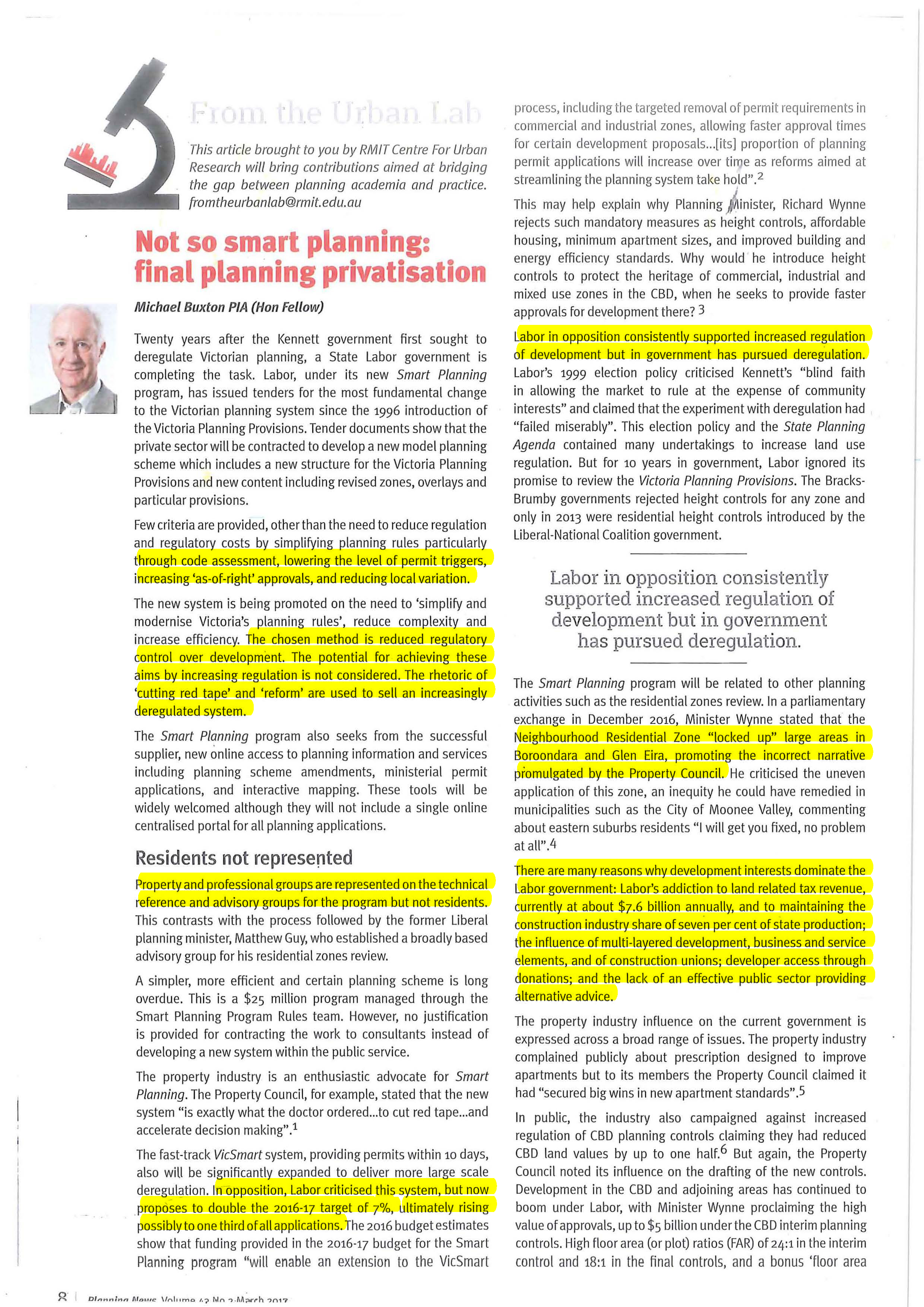
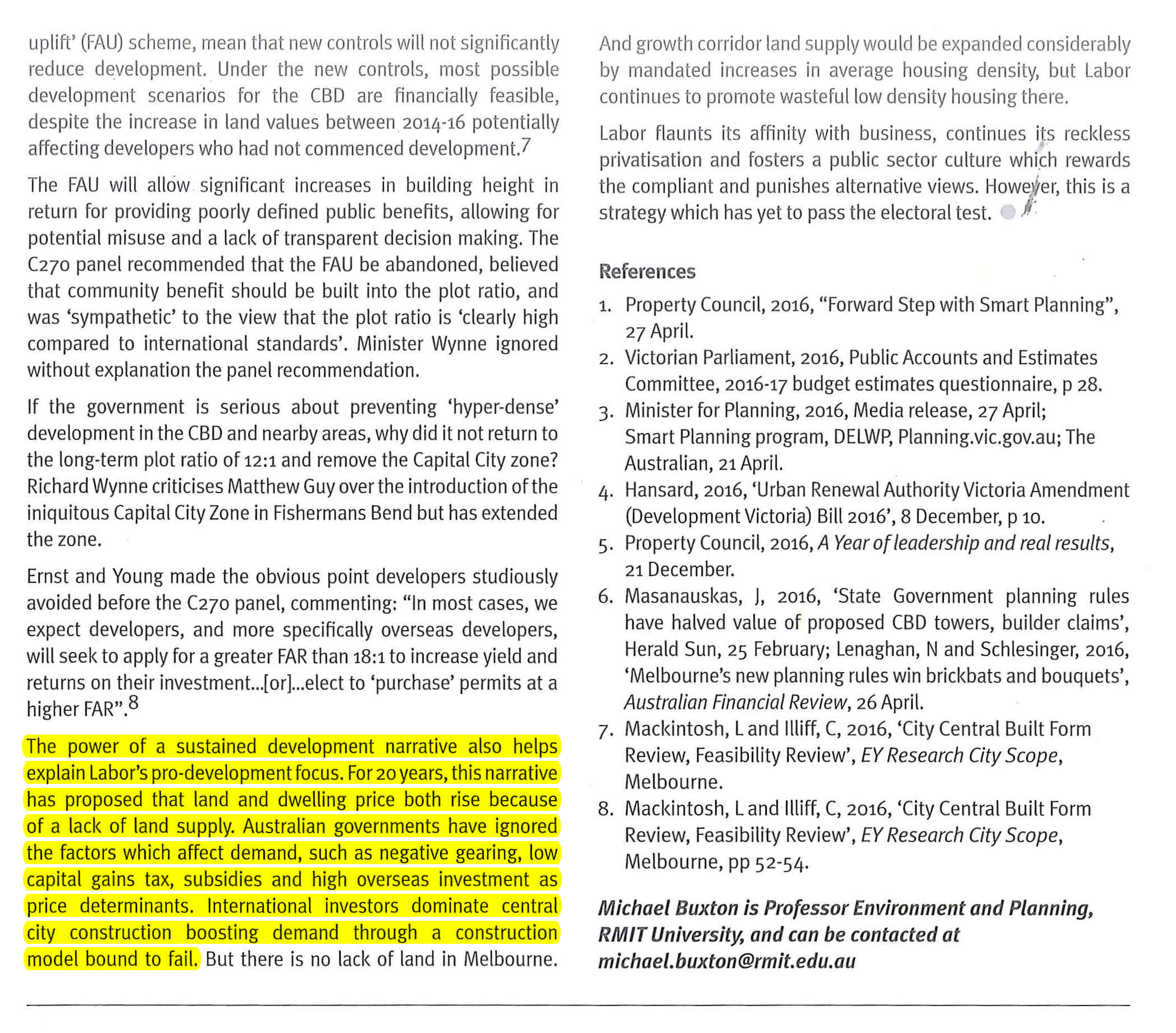
Finally, we’ve uploaded an article written by Prof Michael Buxton in March this year. Whilst this preceded the publication of VC110 and the release of the current discussion paper, most of the points made remain valid.

« Previous PageNext Page »