GE Open Space


Council can continue with its spin all it likes, but the reality is that development in Glen Eira is outstripping practically every other municipality apart from perhaps the CBD!

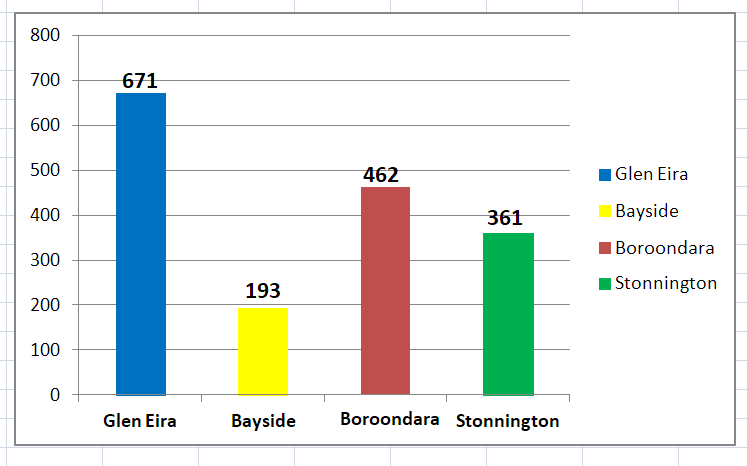
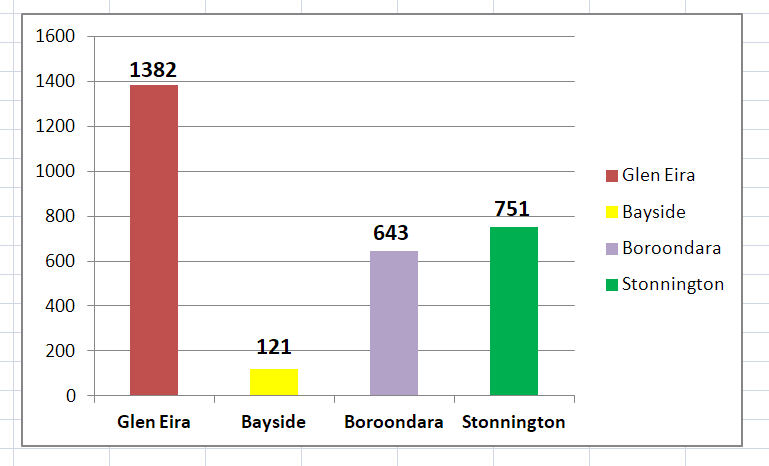
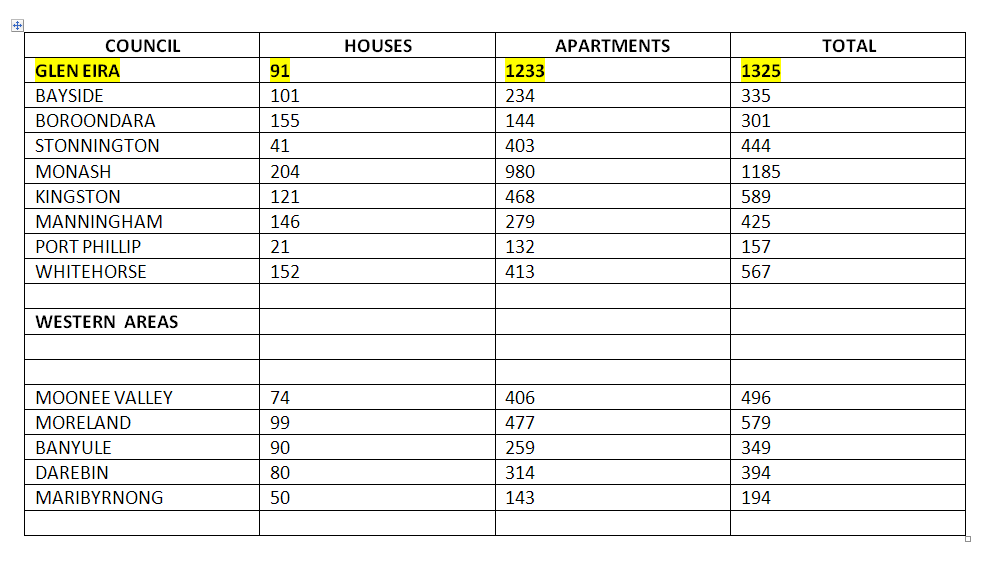
The Australian Bureau of Statistics (ABS) has today released its latest building permit approvals for the current financial year – that is from July to the end of October – 4 months worth of data! Glen Eira is streaks ahead of every other municipality and when size, open space, existing density, and the number of single houses being built as opposed to apartments is taken into account, then we are indeed in dire straits. Yet council is proposing to make it even more attractive for developers by opening up huge areas for 12 storey developments and rezoning hundreds upon hundreds of Neighbourhood Residential zoned sites to both GRZ and RGZ.

These stats (ABS DATA UPLOADED HERE) DON’T LIE! Glen Eira is hell bent on becoming the development capital of the south and probably the west!

A fantastic turnout at tonight’s Elsternwick Forum of at least 180 residents. And once again the anger and outrage was palpable. Councillors present were: Delahunty, Silver, Hyams, Esakoff, Athanasopolous plus CEO, McKenzie. They need to take serious note of this community response which has been mirrored by the Bentleigh and Carnegie forums!

As in Bentleigh one resident got up and asked people to put up their hands if they were happy with 12 storeys in Elsternwick. Not one hand went up. She then asked if people would be satisfied with 4 storeys? Most hands went up. This mirrors what happened at Bentleigh.

Yet throughout all of this ‘consultation’ the constant response from Mullen (and therefore presumably council) has been to avoid answering the most basic questions:

  • What is the strategic justification and the data that supports 12 storeys as say opposed to 6 or 8 storeys? Simply arguing that Elsternwick has to serve its function as a Major Activity Centre is not an answer!
  • Why when Glen Eira is providing double its housing ‘quota’ is council so hell bent on more development?
  • Why does Mullen continually resort to false dichotomies by arguing that the issue is about ‘no development’ versus 12 storeys? No one is saying there shouldn’t be development. The angst is all about what council is proposing and its impact on residents. We have yet to learn anything about what council will do with the schedules to the zones, etc. That is being kept secret!
  • Why when residents ask for another ‘option’ to be provided instead of the two options that the plans indicate (each option containing 12 storey buildings) does Mullen say that is a ‘councillor decision’ when he has previously stated that the plans are his recommendations. Who is running the show?
  • Why does Mullen, when asked about mandatory height limits say that council can opt for 4 storey preferred heights as opposed to the 12 storey height limit but VCAT will exceed this height limit. Surely there is a vast difference between 4 and 12 storeys? Plus, didn’t council in its interim height amendment for Bentleigh insist that they should opt for some preferred heights rather than all mandatory and couldn’t stop patting themselves on the back that the preferred heights would provide ‘certainty’ to all? Now we get the reverse argument – that preferred heights are non enforceable and that VCAT will exceed the limits imposed. Pity this wasn’t stated at the time the amendments for Bentleigh & Carnegie were introduced!
  • And yes, whilst amendments must be signed off by the Minister, surely this does not excuse council from listening to its constituents and at least trying to incorporate their views. Other councils can and do!

Until this council provides residents with honest and transparent answers, with data that is fool proof and detailed, we have absolutely no faith in any pronouncement made by this lot. Consultation is a farce. Pretending to listen to residents is a sham and acting upon resident views has yet to occur. As one resident said, council should be fighting tooth and nail for its people and not facilitating the slums of the future!

Finally we highlight this comment from one resident. She stated that she was concerned with council’s intention of extending shopping and night time hours and the deleterious impact this would have on surrounding neighbours. She said that this had been brought to the attention of Cr Silver and that his response was – “if you want peace and quiet go live in the country”!!!!!!!!!

If this is the attitude of our councillors then we are indeed in deep shit!

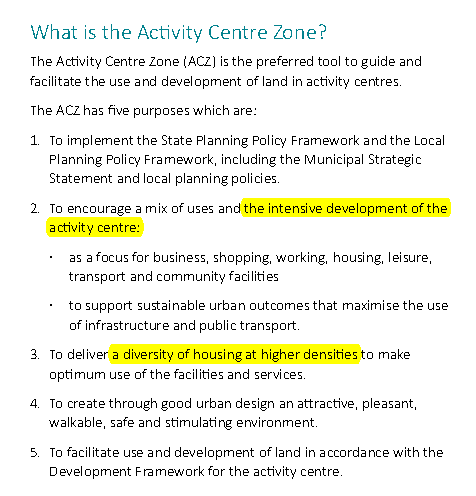
Activity centres have 5 main purposes as shown in the following screen dump from the State Government’s Practice Notes. Whilst this dates from 2015, not much has changed in the recent Plan Melbourne ‘Refresh’.  Activity centres are there to facilitate further development – especially those centres which have train stations in their midst.

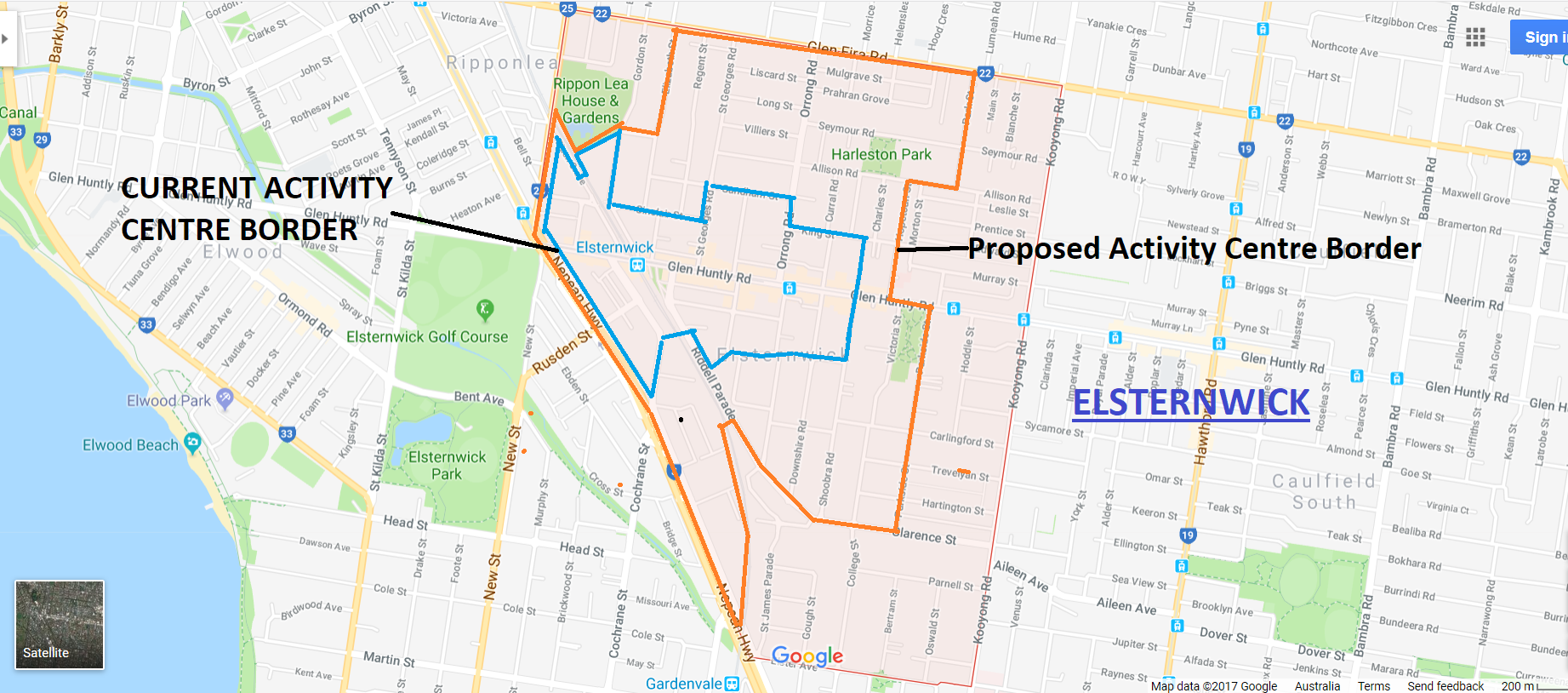
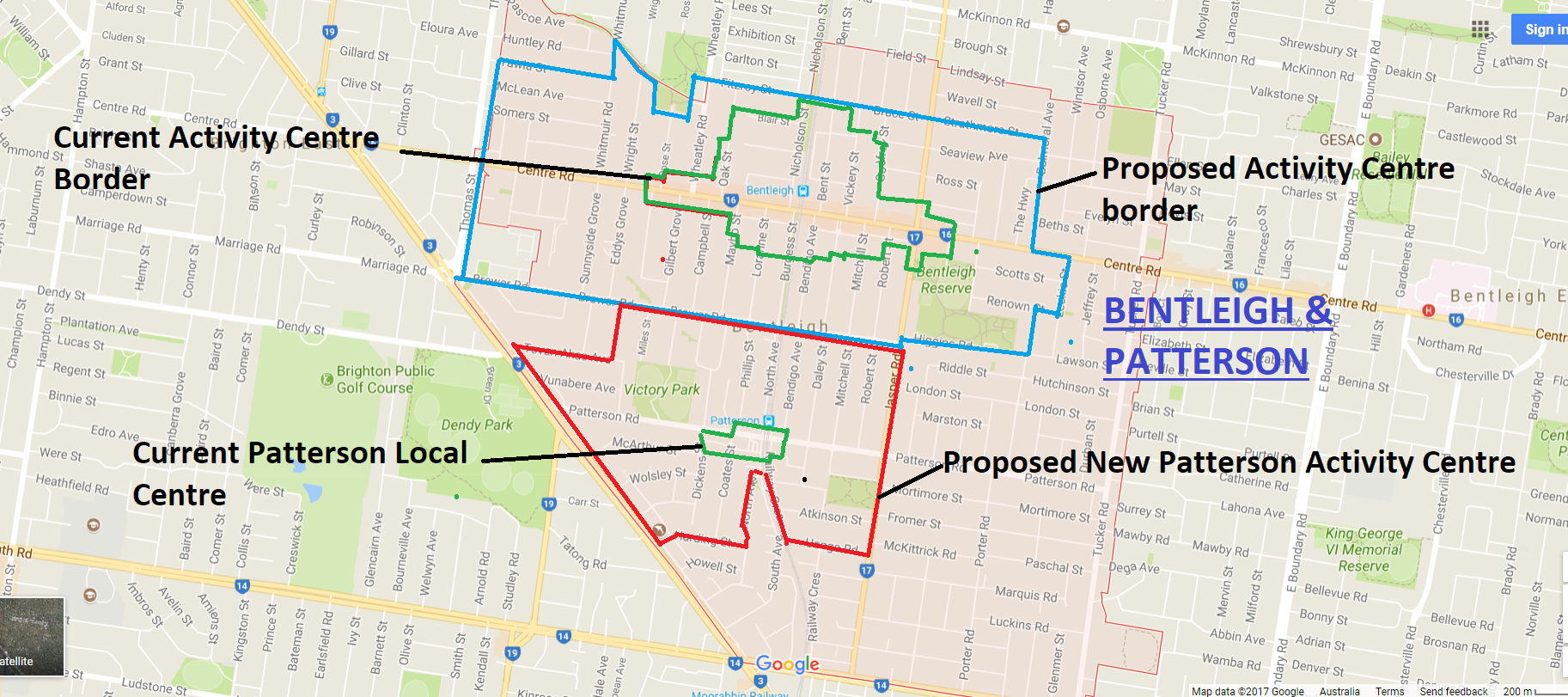
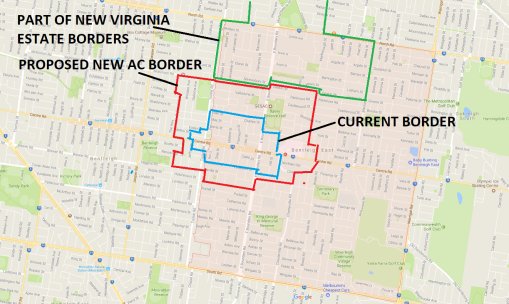
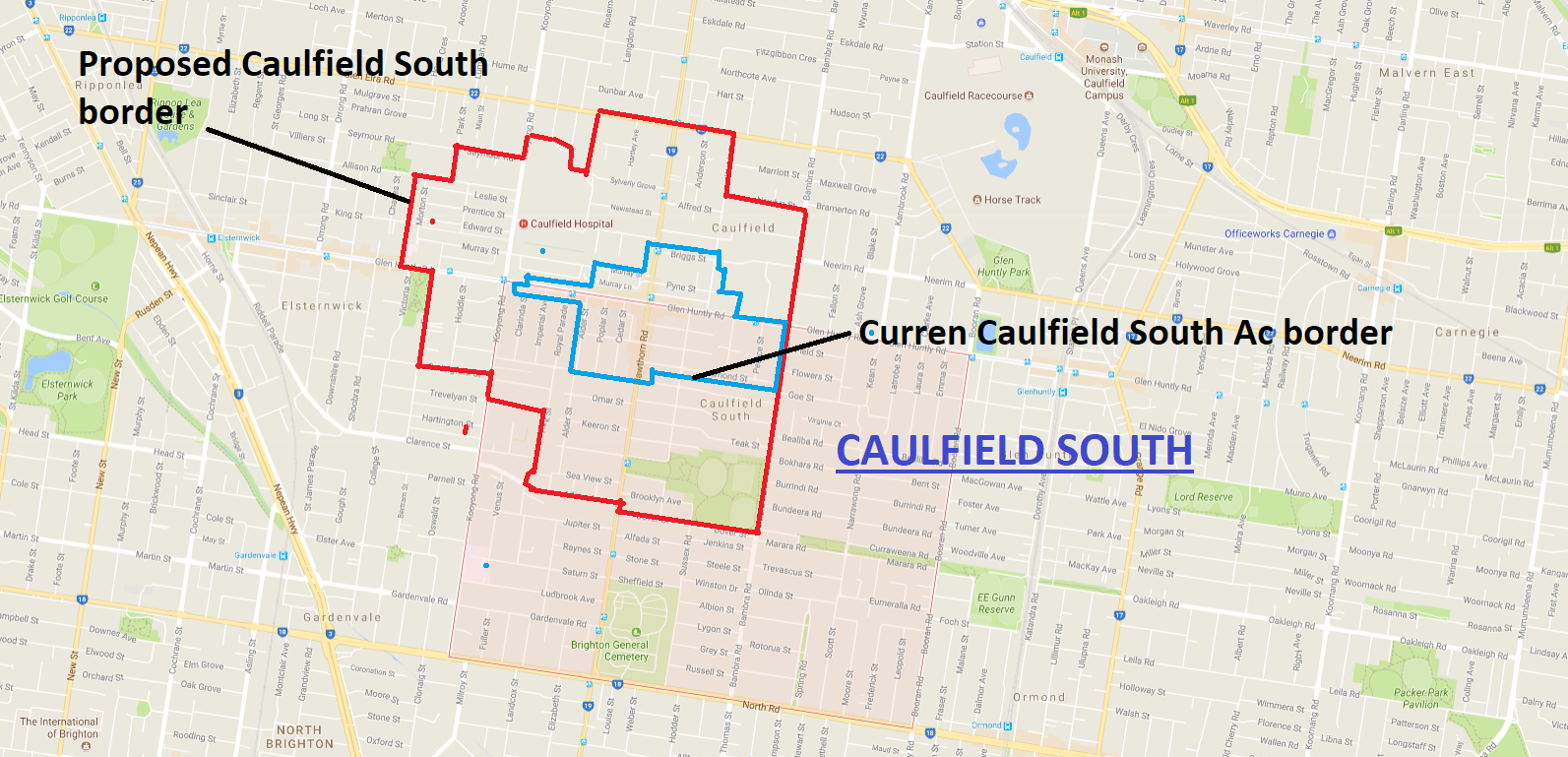
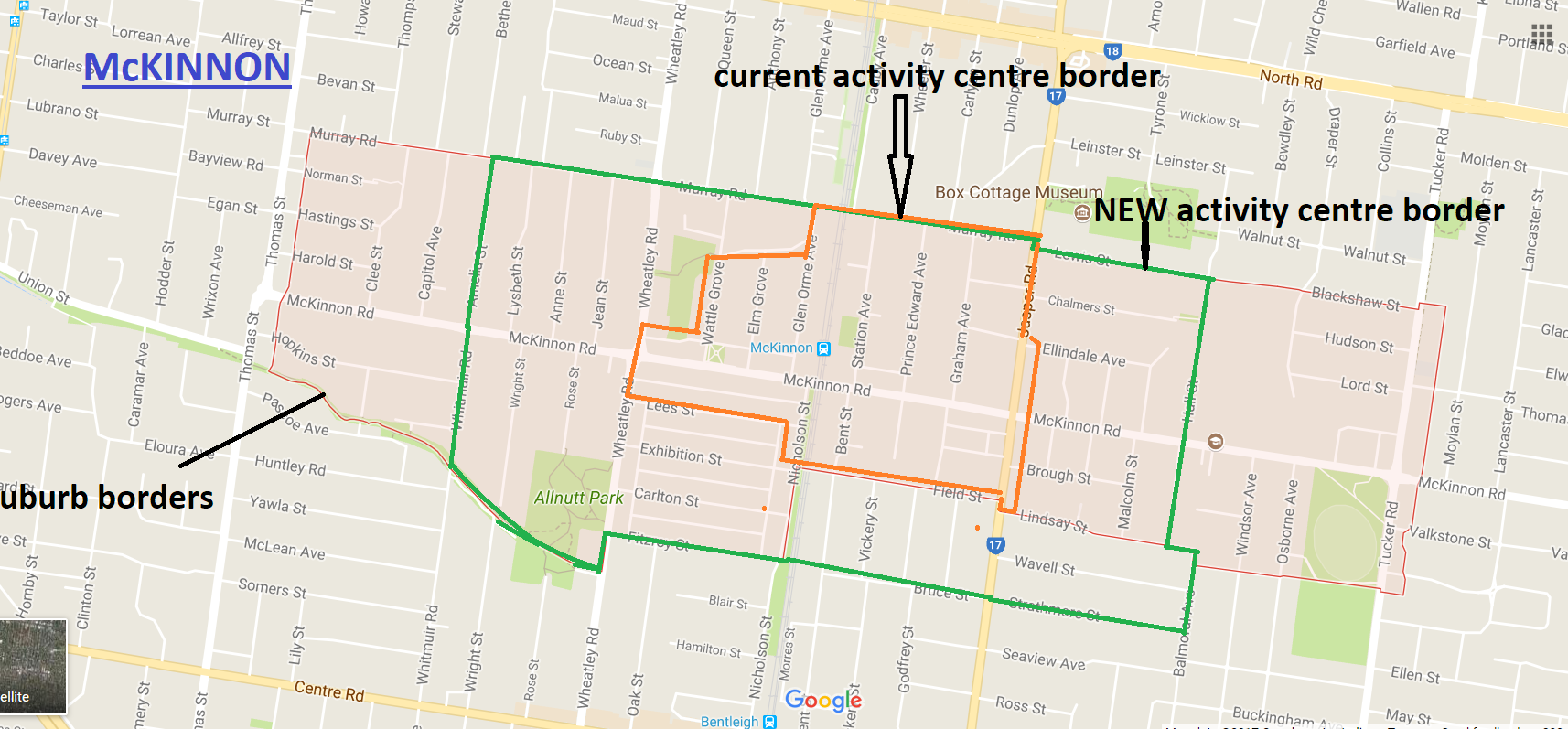
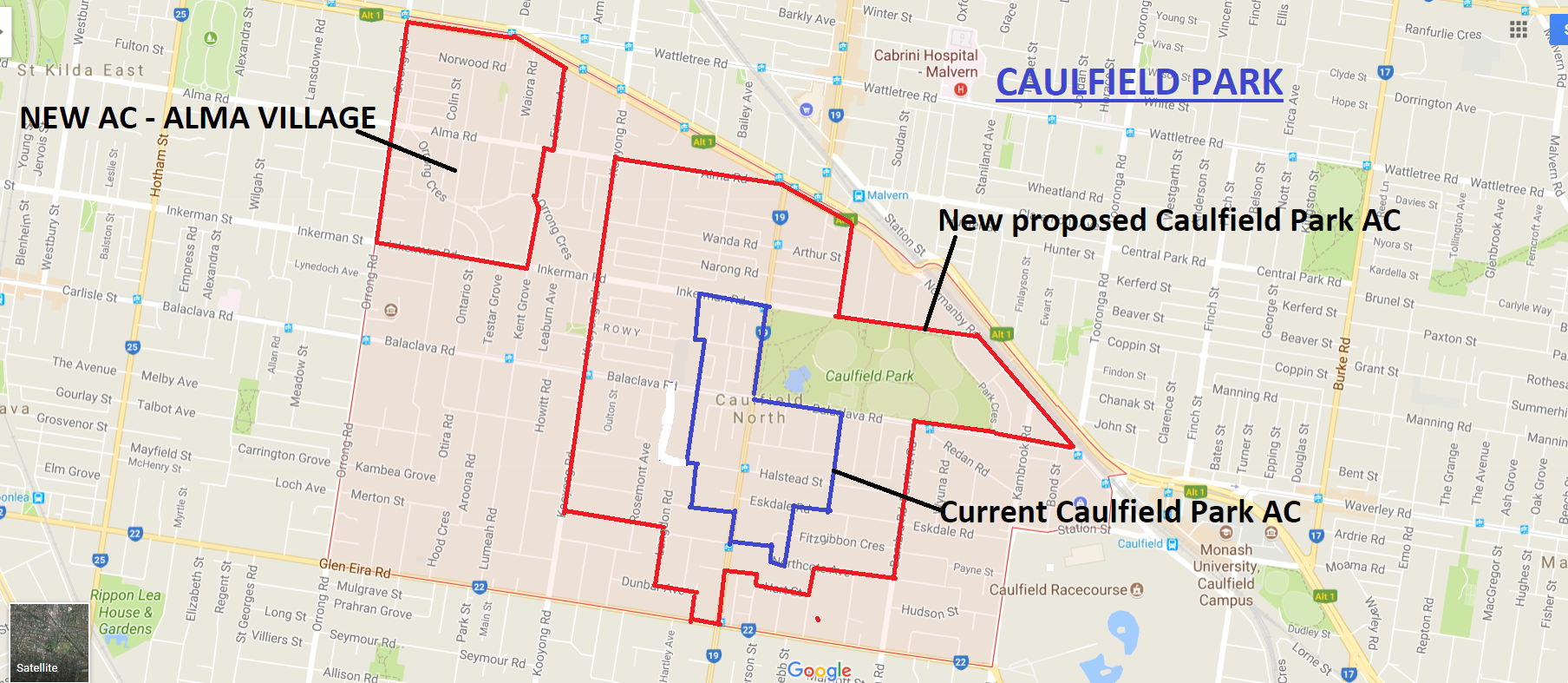
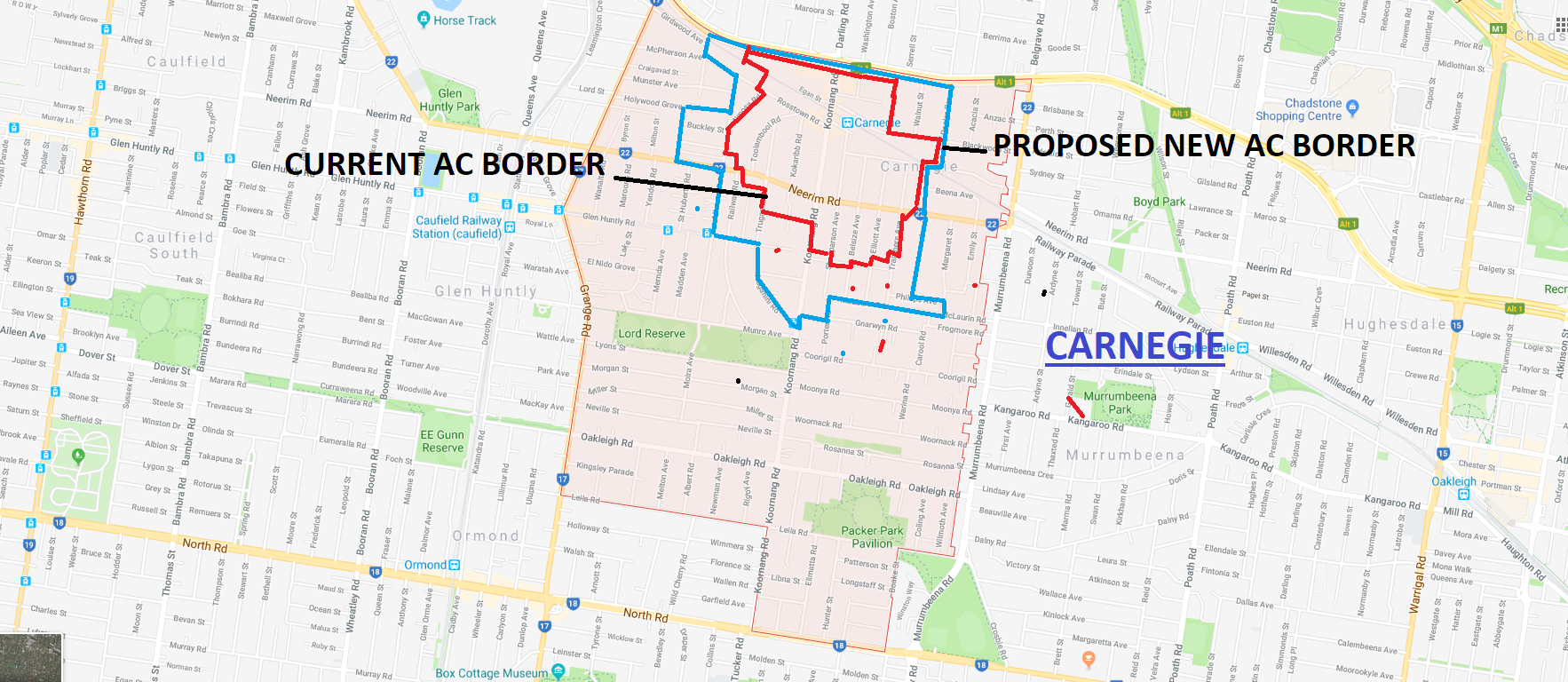
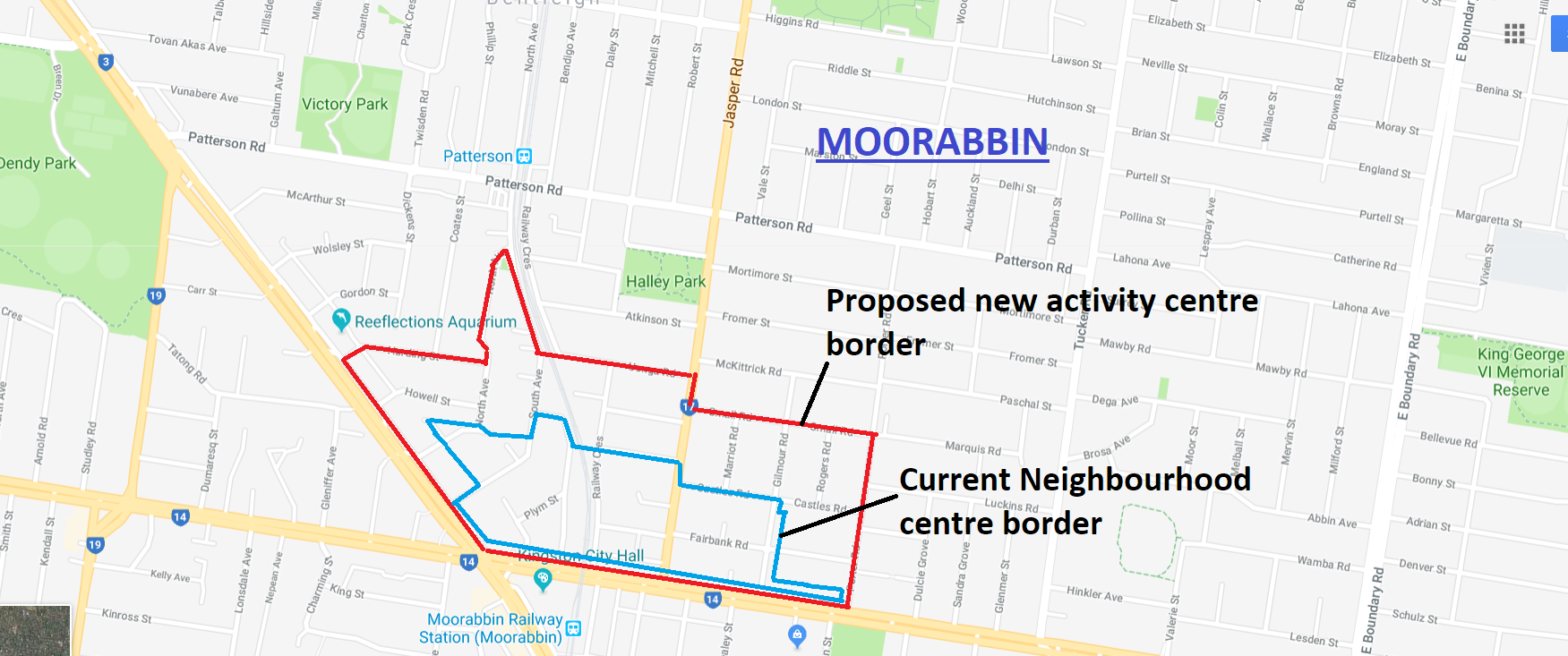
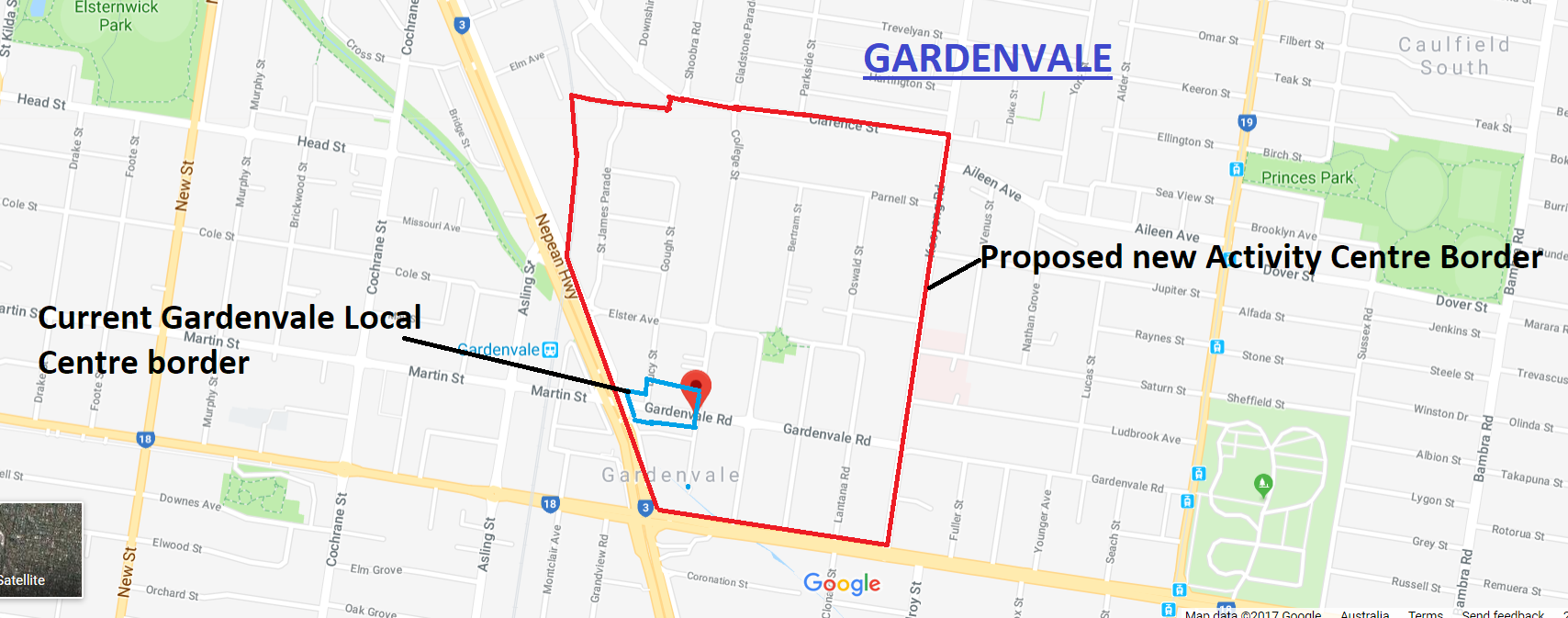
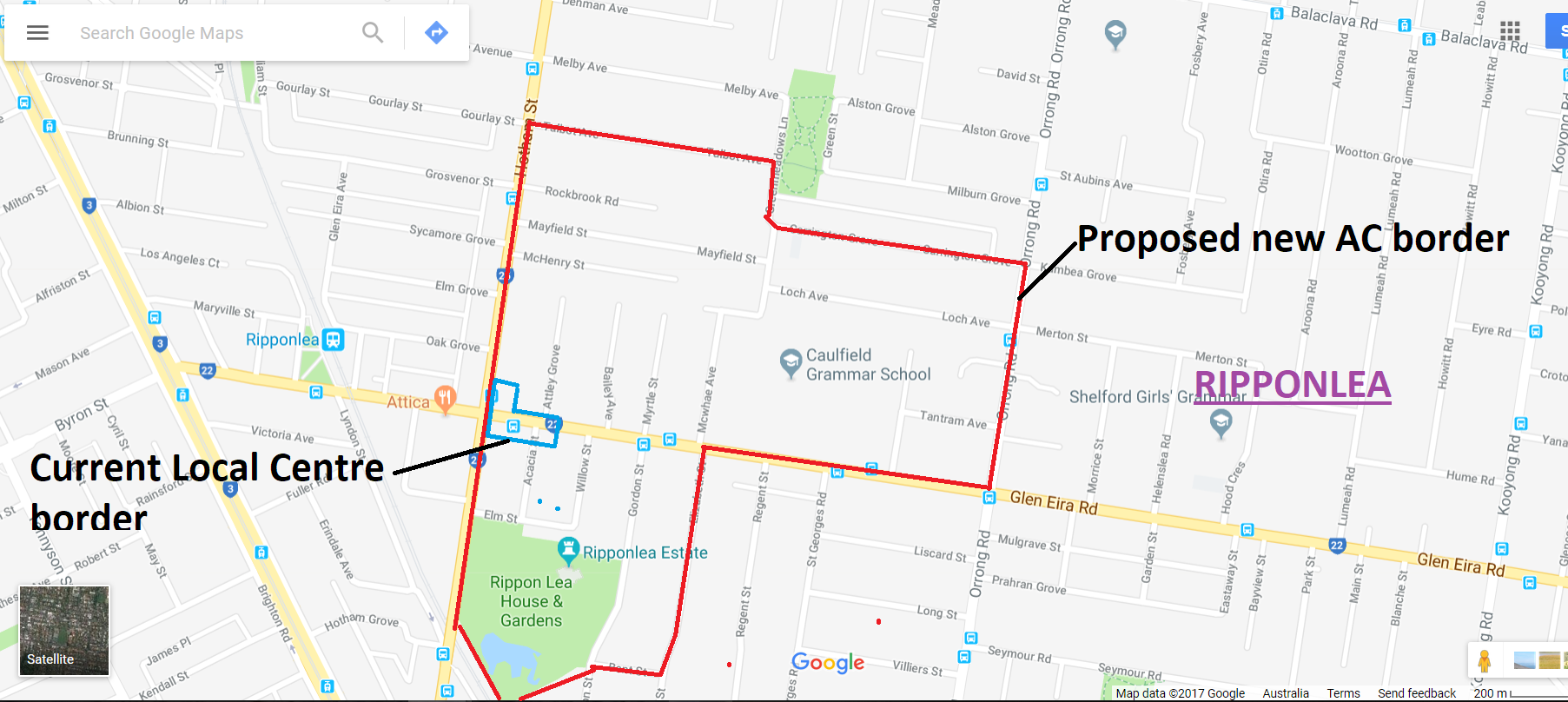
Council’s structure planning has embraced this notion completely and taken it to extremes. Land originally termed ‘study areas’ have now morphed into activity centre borders with a doubling and more in size. This is the case for Bentleigh, Elsternwick and Carnegie. We see no reason to believe that this won’t happen to our Neighbourhood Centres given council’s recent actions. It is also clear from the published documentation that 3 current Local Centres are now being expanded into Neighbourhood Centres and some Neighbourhood Centres like Bentleigh East and South Caulfield are also to bear the brunt of major development.

The result is that over 80% of Glen Eira will now become areas designated as ‘activity centres’ if our suspicions prove correct. This is unheard of in any other municipality. Further, there is absolutely no justification for this expansion of development potential given current rates of development. You don’t double or triple the size of an activity centre without some major rezoning in mind. Residents should also bear in mind that council has been far from transparent throughout this entire process. Information has been published in dribs and drabs and most of it bereft of detail. And still no word about our current neighbourhood centres.

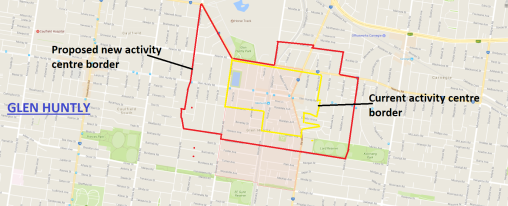
The following images are great cause for concern. Please note that in some of these images the areas shaded red represent the entire suburb. The lines drawn represent the current activity centre boundaries and the proposed new borders. Readers will see that for some suburbs they are practically ALL activity centres. Plus that many of these literally run into each other – ie Carnegie and Murrumbeena; Bentleigh and East Bentleigh. Thus we have huge swathes of land that are now ripe for the picking – in fact, 80% if all of this goes through!

CLICK TO ENLARGE

east bent ac

PS: WE FORGOT TO INCLUDE GLEN HUNTLY – DESIGNATED AS A MAJOR ACTIVITY CENTRE NOW INSTEAD OF A ‘NEIGHBOURHOOD CENTRE’

glenhuntlyac

We continue our analysis of the Urban Design document and remain astounded at the continued lack of accurate information this contains, plus the failure to provide all the necessary data to provide readers with the opportunity to make fair and objective comparisons.

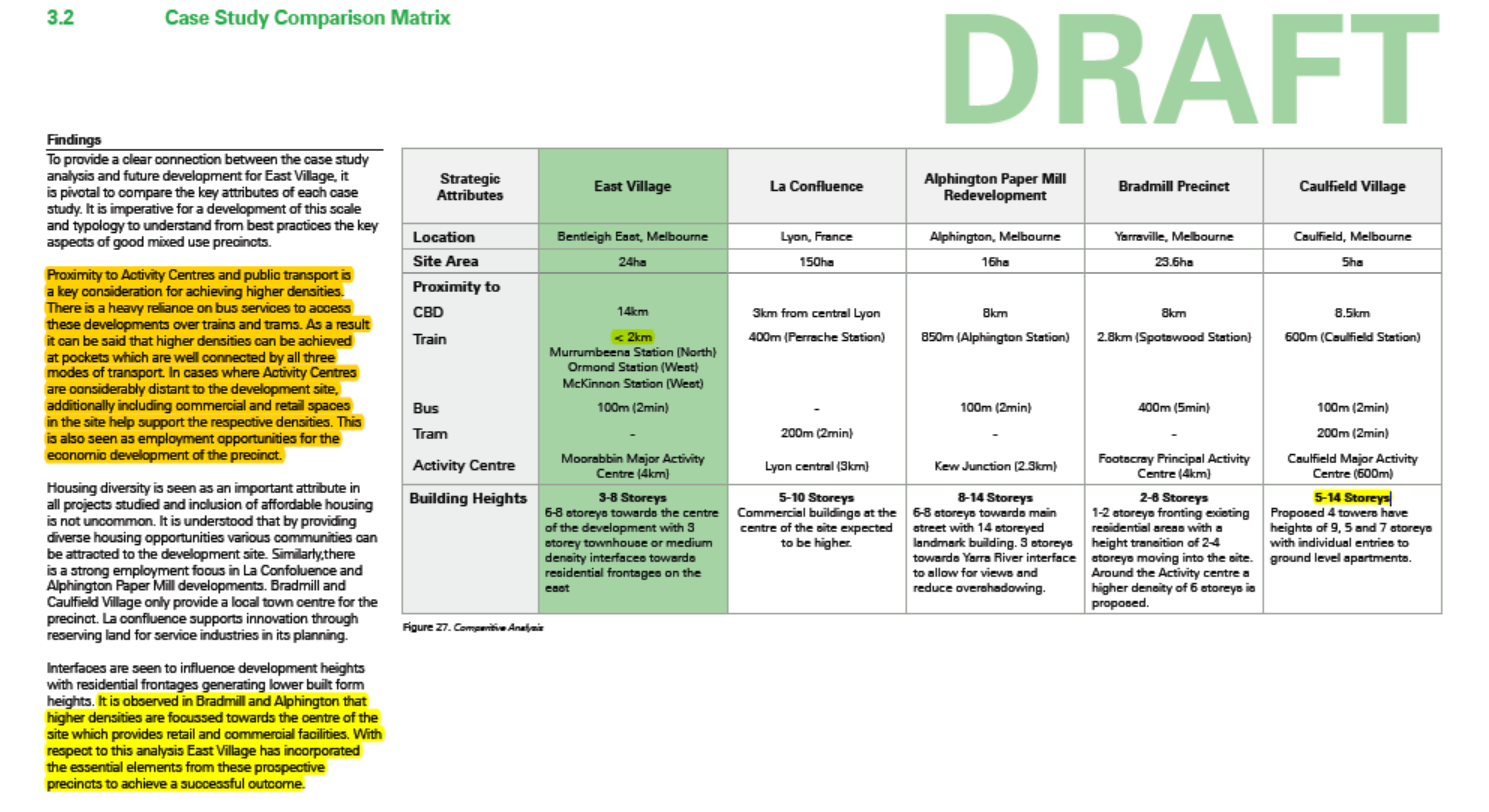
The screen dump provided below is supposed to represent a matrix of ‘comparable’ developments.

CLICK TO ENLARGE

What is not stated in this matrix, or what is completely misleading is the following:

  • McKinnon and Ormond stations can only be less than 2km away if we interpret this measurement as meaning ‘as the crow flies’. Driving or walking distance is well over 2km for both McKinnon and Ormond. Nor is there any commentary from the other documents as to where all these potential residents are to park their cars at either of these stations!
  • Left out of the matrix is the summary that the French example also has ‘light Rail and Metro running through the precinct linking it to other parts of the city’. Nor is the 35 hectares of public open space highlighted! This equates to 23.33% of the entire site being public open space in contrast to the Virginia Estate proposals of approximately 1.25% open space if we’re working on an area of 3000-4000 square metres in total.
  • The residential density for this French site would also amount to 33 dwellings per hectare in contrast to the Estate’s proposals of 125 dwellings (and that’s working on the stated 3000 dwellings which we predict will be much higher)
  • The Alphington Mills development is also well blessed with public transport – ie It is approximately 1.5kms from Fairfield station and 850m from Alphington station, and is well connected to the bus network.
  • What is not revealed in this matrix, or anywhere, about Alphington is that of the proposed 2500 dwellings, the vast majority are to be no more than 4 storeys in height! The 2013 Development Plan for the site only has one small corner fronting Heidelberg Road at 14 storeys. The Yarra council commenting on the revised Development Plan had this to say – Council was pleased that the DPO secured maximum building heights of three to four storeys for 70% of the site” (https://www.yarracity.vic.gov.au/the-area/yarras-future/alphington-paper-mill-site-redevelopment/development-plan-overlay). This then begs the question as to why Virginia Estate is destined, according to the drafts, to have approximately 85% of the entire 24 hectare site geared up for 8 storeys!!!!!! And of course, with no strategic justification whatsoever for these proposed heights!
  • We’ve already commented in our previous post on the nonsense that is stated about the Caulfield Village development.
  • There are plenty of other ‘errors’ as well. For example: 324 Centre Road (page 11) is not 9 storeys. VCAT granted a permit for 8 storeys. Whilst perhaps a trivial example, we repeat that there can be no excuse for incorporating statements and information which is untrue, inaccurate and hence misleading – especially when such facts have been known for ages!

Here is part of the gazetted Development Plan for the Alphington project. Please note carefully the size of the various height proposals and how much is destined for 2-4 storeys!


The Urban Design report for the development of Virginia Estate is a remarkable document in several ways. The stated methodology is to analyse developments around the world in order to determine ’best practice’ which can then be applied to Virginia Estate. The trouble with such ‘comparisons’ is that what is presented in the document is either NOT comparable or information is presented that is completely erroneous.

One of the ‘comparisons’ is the Caulfield Village development. Please remember that although the development plan for Precinct 3 (Smith St) is still to make an appearance, the Incorporated Plan has stipulated that:

  • Heights will be at least 20 storeys for this precinct with a potential for 22 storeys
  • The number of known dwellings at this point in time equals 2063
  • Residential density would then be close to 400 dwellings per hectare and not the 80 claimed
  • These ‘facts’ were known years ago so why is a document dated November 2017 presenting such bogus figures?!

Given the above, why is the Virginia Estate document portraying this development as only up to 14 storeys and only catering for 1200 dwellings? We certainly don’t believe that the MRC has suddenly become so magnanimous as to have changed their minds an reduced the scale of their vision.

CLICK TO ENLARGE

Next for comparison is the Bradmill development. It is similar in size to Virginia Estate (ie 24 hectares) but will contain according to the figures only 1500 dwellings. Of far greater note, as can be seen from the image below, is the amount of open space proposed for the development. In contrast to what is in line for Virginia Estate (ie one park of 2500 square metres and a sprinkling of more dots on the map) Bradmill is close to 4 hectares of open space on a similar sized lot and BUILDINGS THAT WOULD BE 6 STOREYS AND NOT 8!

We don’t believe that it is too much to ask that when documents are published years after the facts are known, that they be accurate, detailed, and actually informative!

Agenda Item 9.6 – Council’s submission to Smart Planning ‘Reforms’

Smart Planning basically represents the State Government’s further tinkering with VicSmart – the system where permits for various ‘minor’ applications aren’t publicised and approval is granted in 10 days. It also represents the attempt to further deregulate planning and pave the way for less council and resident ‘interference’. Whilst it is true that the current planning system is unwieldy and basically a mess, this doesn’t mean that ‘improvement’ is synonymous with less transparency and more advantages being handed out to the development industry.

The proposals, in broad terms, include –

  • align the State Planning Policy Framework and Local Planning Policy Framework into an integrated policy framework
  • review and rationalise planning permit triggers•
  • review and increase permit exemptions

All of the above basically means that:

  • Local council policies will now have to fit into those ‘themes’ specifically determined by State Policy
  • Less application ‘triggers’ means less control and oversight
  • More permit exemptions means less people know what’s going on until it’s too late

So the $64,000 question for residents is – how does Glen Eira Council respond to this ‘discussion paper’? How does council’s submission differ from other councils?  Council SUPPORTS either fully or ‘in principle’ every single thing suggested! The pro-development agenda is obvious!

Unlike other council submissions, Glen Eira makes no comment whatsoever on the following important proposed ‘revisions’ – Heritage, zoning, liquor licenses, etc. Here are some responses from various councils. We ask that readers compare what these councils have submitted and what our council has produced!

BRIMBANK

Additional exemptions should not be supported (in Heritage) as the alterations to verandas and pergolas can significantly impact on a heritage precinct.

Unintended consequences – The reformed provisions will potentially change standards zones, including the Activity Centre and Mixed Use Zones where there is currently no equivalent zone. This will not change the intent of the zone, however could impact on Council’s ability to customise land uses in specific areas, as there will be increased ‘as of right’ uses (no permit required) and prohibited uses may be considered as a section 2 use (permit required subject to policy).

Liquor Licences and Gaming – Council has highlighted the opportunity to give local government greater jurisdiction over the assessment of planning permit applications for liquor licences and gaming.

Ensure that the parking overlay continues to allow the collection of cash to enable Council’s to gain some compensation for constructing public car parking and when applicants cannot provide car parking on their sites.. The recent introduction of the residential zones, specifically the Residential Growth Zone, requires further consideration of car parking rates and how they apply to this zone. It is noted that the last ministerial advisory committee examined car parking rates in 2012, prior to the changes to the residential zones.

MORNINGTON

MPSC does not support the proposal to expand VicSmart on the basis that it reduces the inclusion of third parties in the planning process.

MPSC do not support the VicSmart assessment pathway in the first instance given its inability to consider and allow third party concerns and review rights

A key concern of the MPSC are the proposals that will make a number of land uses as of right. Such land uses are a common source of amenity and land use conflict. For example, industrial areas are being constantly challenged by an influx of non-industrial land operators being attracted by the cheaper lease opportunities. Frequently planners are required to strike the balance between preserving industrial land for manufacturing and/or warehousing with ‘new age’ commercial land uses such as gyms, dance schools and breweries. Carparking and conflict between operations is a genuine issue that requires careful balancing through a detailed planning permit consideration

Additionally, the reforms seek to enable licensed premises to be ‘as of right’ within commercial zones. There is concern that this could have lasting and direct impact within the townships of the Mornington Peninsula. For example, under the Commercial 1 Zone a restaurant, tavern (aka bar), nightclub and bottle shop are all ‘as of right’ land uses under the zone

STONNINGTON

One example of a potential consequence of being made to fit into the new policy structure is that Council’s substantial investment in structure planning for activity centres could be undermined or even wasted if the hierarchy of centres implied in Stonnington’s current MSS, Local Polices and Incorporated documents is made to align more closely with the hierarchy of centres outlined in Plan Melbourne when translated into the new PPF structure. This could result in Council not being able to achieve all of the currently intended policy outcomes for activity centres in Stonnington.

The introduction of code -based assessment for simple proposals is intended to eliminate much of the subjectivity and delay in decision -making. However, it could also result in some loss of planning control over issues that are important to the municipality and should be assessed against the appropriate planning provisions, e.g. liquor licensing and single dwellings on small lots (i.e. under 300m² or 500m²).

Liquor licensing can contribute to adverse impacts on residential and commercial amenity if not appropriately regulated. Therefore, proposed measures to remove liquor licensing from assessment under the planning scheme (Proposal 3.2 and Proposal 5.1 -Clause 52.27 ‘Licensed premises’) are not supported.

The inclusion of smaller lots standards as part of code assessment is not supported, especially if it could result in the loss of the assessment process against the relevant planning provisions in relation to side and rear setbacks of dwellings and upper -storey additions. This could result in unacceptable visual bulk and detrimental impact on neighbouring private open space.

Finally, we’ve uploaded an article written by Prof Michael Buxton in March this year. Whilst this preceded the publication of VC110 and the release of the current discussion paper, most of the points made remain valid.

Quite a few interesting items in the agenda papers for Tuesday night.

Item 9.3 – Visitor Parking for Residential & Mixed Use Developments

No surprises here. The recommendation is to do nothing again and wait until the Integrated Transport Strategy is completed. Part of the ‘let’s do nothing’ justification rests on council’s: acknowledge(ment) that there are planning tools available to Council to manage car parking provision but the implementation of these tools requires a lengthy planning scheme amendment process underpinned by strong strategic justification 

As a result of the above the conclusion is:

The planning scheme sets out a basis upon which to assess car parking provision for new developments in Glen Eira. Given the complex pressures the municipality is facing with population growth and the resultant traffic congestion and parking demand, a more sophisticated approach is needed. This will likely involve a move from the current ‘one size fits all’ approach and one which uses a combination of planning policy and parking overlays.

To do so requires a planning scheme amendment, and the requisite strategic justification. The current structure planning program and the upcoming Integrated Transport Strategy will form an important part in the strategic justification that is required. Once this is completed, more detailed preparation of the necessary planning tools can commence. 

Our conclusion? At least another 2 years, if not more, before any thought of parking overlay amendments are introduced – and this despite the fact that residents have been screaming about the lack of adequate parking for at least the past decade!

Item 9.5 – 282 Centre Road, Bentleigh

This involves an application to extend liquor hours to 10pm Tuesdays & Wednesdays and until 1am on Thursday, Friday and Saturday. There were 17 objections highlighting noise, parking, impact on residential amenity, etc. Council’s ‘solution’ was –

It is also proposed to include a new condition that advises patrons to respect the neighbours and minimise noise when leaving the premises.

We question first of all the legality of such a ‘condition’ and secondly even if legal, how effective it would be? Is this ‘condition’ merely there to placate objectors?

Item 9.8 – Harleston Park Basketball Court 

We’ve now expended further ratepayer funds on a second consultation on the proposed basketball court in Harleston Park. Again no surprises in that the recommendation is basically to ignore the majority of respondents and to go ahead with installing the court. So much for ‘community consultation’!!!!!!!

Item 9.10 – Access to Ripponlea Gardens 

A good outcome in that Glen Eira residents will now have free access to the Ripponlea Gardens area. It will however cost council $250,000 per annum over the next 3 years. We do not bemoan this funding. What should however be acknowledged is the fact that:

  • This issue is not new. Now we learn that the reason it did not come about years ago is because Council’s previous position has been that it would not provide funding.
  • Last council meeting resolved NOT to appoint extra staff to insist on building/parking/construction compliance by developers because the monies had not been budgeted for. The recommendation was do nothing until the funds are possibly made available in the 2018/19 budget. Strange then, that we now have the ability to miraculously find $250,000 for Ripponlea and don’t have to wait for another year before something eventuates!

Finally a few minor points worthy of consideration:

  • The McKinnon Basketball Association’s winning of the GESAC basketball courts allocations until April 2018. This of course begs the question of why they didn’t get their lease years ago and how much the Bob Mann group (now gone bust) might still owe council given that the ‘reason’ for the choice of the latter was that they ‘guaranteed’ up to $98,000 per annum to council.
  • Talk of ‘refreshing’ the Open space strategy but not a word about the promised increase in the levy!

On its Have Your Say webpage for the Virginia Estate development, council tells us –

So far this year we have undertaken three rounds of consultation. The feedback we received for round three clearly stated that the community required more detailed information in order to provide feedback. We have listened to this feedback and the VPA has engaged independent expert consultants to provide advice on a number of topics including urban design, parks and open space, traffic, employment and drainage. (Source: http://www.haveyoursaygleneira.com.au/east-village)

According to this blurb, residents should expect:

  • Comprehensive and detailed reports. The vast majority of these reports are anything but ‘comprehensive and detailed’. Further, why council couldn’t provide the documents in question on its own site instead of referring residents to the Planning Authority site via a link that requires further searching is open to question.
  • That what council writes is unambiguous, accurate and transparent. It isn’t! For example the impression created is that the VPA has engaged (read ‘paid for’) consultants’ reports that are ‘objective’ and ‘independent’. Far from it. The Urban Design report on page 4 states –

MGS Architects Pty. Ltd have been engaged by The Gillon Group, Make Property Group and Abacus Property Group to develop an Urban Design Report to inform the East Village development in Bentleigh East, Victoria. (page 4)

The same is true for Environmental Conditions report –

Senversa Pty Ltd was engaged by MAKE EBRB Dev Nominee Pty Ltd. (MAKE) to prepare a summaryof environmental conditions for the proposed East Village Precinct, Bentleigh East, a 24 hectare parcel of land (with multiple titles) on the corner of East Boundary and North Roads, Bentleigh East (thePrecinct) (page 1)

Reading the Urban Design effort we find that many sections are nothing more than a regurgitation of the original Gillon propaganda, practically verbatim, that came out a few years ago. (By the way, the East Village Gillon site has suddenly disappeared!)

More importantly the VPA website doesn’t include as yet the most contentious documents – ie commercial assessment and social infrastructure. (See: https://vpa.vic.gov.au/project/east-village-strategic-site/p/east-village-key-ideas-objectives/). If these appear in December/January, then that means residents will not have had the opportunity to read, much less digest the so-called ‘information’ before this consultation concludes. Hardly an ideal situation!

As a brief overview of what we’ve gleaned thus far, please note:

  • Of 400 trees reviewed on the site, only 5 are deemed to be of ‘very high value’ and only another 73 are categorised as ‘high value’. Another 150 are seen to be of ‘medium retention value’. Sadly the gate is left wide open when this evaluation is followed by – “If designing around these trees is not feasible or practical, removal and replacement would be an acceptable compromise”. Bye, bye trees!
  • It is now mooted to be at least 2 supermarkets and no mention of size, capacity, etc.
  • The so called traffic report only looks at the current state of affairs – not what it will be like with another 3000+ apartments and hundreds upon hundreds of additional cars clogging the roads. Readers should also take note of the photographs that are supposed to represent traffic conditions on North Road and East Boundary Road. We can only suppose that there has been some good Photoshopping, or that these images were snapped in the middle of the night or daybreak!

There is much, much more that could be said – and we will in ensuing posts. We repeat that in our view this is not consultation. Until residents are provided with realistic data that is justified, explained, and open to debate, then we are simply being lead down the garden path to an amendment that will leave little room for change and community input! It will be a mirror image of Caulfield Village – a fait accompli!

Council has finally published what is supposed to be the latest version of a draft structure plan for Virginia Estate. It is anything but a comprehensive and detailed set of proposals. At the time of writing no other documentation has been forthcoming – ie no traffic report, no economic analysis of impact of surrounding businesses, no urban design guidelines, no indication of setbacks, nothing on environmental sustainability and drainage. In short, another exercise in pretty pictures (all of which fail to present one image of an 8 storey building!) and grandiose, unproven statements that ultimately boil down to spin and more spin.

All that we are told is that the prospect is for another 3000 dwellings. Since this will ultimately become a ‘development plan’ akin to what happened at Caulfield Village, we won’t hold our breaths that the final figure will remain at 3000. Remember that the MRC started out with 1100 dwellings. It is, after 2 approved development plans for the first two precincts now standing at about 2063 dwellings in total. What precinct 3 will come up with is yet to be seen. We do not see why this project will be any different!

Some changes are apparent from the July version, namely – East Boundary Road developments go from 4 storey to potentially 6 storeys; the area of 8 storey development is slightly decreased.

Finally, until council releases all of the necessary documentation, this is anything but a genuine community consultation. People can only comment once they have been provided with the necessary information. This effort fails dismally on this important step!

We’ve uploaded the full document HERE AND PRESENT BELOW THE DIAGRAM OF PROPOSED HEIGHTS.

Today’s published report by the ANU confirms what many residents already know but which our council, hell bent on facilitating more and more (expensive) development, refuses to acknowledge much less accept. As a further example of what’s happening in Glen Eira, the state government’s Planning Permit Activity report for the single month of October has Glen Eira providing permits for another 248 NET NEW DWELLINGS!

Here is the ABC’s report on the ANU study –

House prices based on undersupply myth, ANU says

By business reporter Michael Janda

Australia does not have a housing shortage, with inner-city areas of Sydney, Melbourne and Brisbane some of the nation’s most oversupplied regions, according to new research from ANU.

Key points:

  • Australia has built 164,000 more dwellings than it needs to cater for a growing population
  • Inner-city areas in Australia’s three biggest cities have the greatest oversupply
  • Outer suburban areas and central Adelaide had some of the most significant housing shortages

The analysis estimates the nation’s housing oversupply at 164,000, or 32,000 if the significant increase in unoccupied dwellings is excluded.

The study by associate professor Ben Phillips and researcher Cukkoo Joseph from the Australian National University shows that between 2001 and 2017 Australia built more homes than it needed to house the growth in population over that period.

The academics’ findings tally with other recent research showing that Australia has a moderate housing oversupply.

However, this research used a relatively sophisticated methodology that accounted for demographic changes.

Additionally, it accounted for an increase in people residing in “non-private dwellings” — such as student accommodation or nursing homes — that are often excluded from housing supply-demand analyses and tend to exaggerate an apparent housing shortage.

This report has also gone below state-level analysis to regional calculations.

It found that the inner-city area of Sydney had the nation’s largest housing oversupply, at just under 6,000 dwellings.

That was in contrast to areas in the mid and far-west of Sydney, which generally had moderate undersupply, as did Wyong on the Central Coast.

Inner-Brisbane had the nation’s second largest oversupply of around 4,500.

Melbourne CBD and surrounds had the fourth highest oversupply of just under 4,000 excess dwellings.

Outside the inner-urban areas, where oversupply was mainly driven by the nation’s record high-rise apartment boom, the other main areas of oversupply were in regional areas, particularly those exposed to the resources sector where the mining downturn has caused populations to shrink.

While these mining areas had generally witnessed large property price falls, Mr Phillips said some of the other oversupplied areas had actually experienced strong price growth.

“We haven’t found a particularly strong relationship between the balance of supply and demand and house price growth,” he told the ABC.

“We did find a very small correlation, but it was less than 10 per cent, so what that tells us is that there is perhaps some impact from housing supply but, by and large, what’s driving house prices in Australia, particularly in our capital cities, is a whole range of other factors.”

Housing boom story ‘falls over’ in light of oversupply

The significance of this finding is that increasing housing supply by itself is unlikely to put significant downward pressure on prices.

Given that increasing supply has been the almost exclusive housing affordability focus of the current Federal Government and most of its state counterparts, Dr Phillips said it is no surprise that affordability has not improved.

“What this research shows is that that’s not necessarily going to be as helpful as what many would hope,” he said.

“Perhaps what it actually means is that we should be focussing our attention more on the demand side of the equation.”

Mr Phillips said that means looking at whether interest rates have been too low for too long, and also reviewing “generous” tax breaks for property investors, such as negative gearing and the 50 per cent capital gains tax discount.

There’s been an important assumption that’s been made – not just by the Reserve Bank but also by government in general – and that is that to a certain extent low interest rates are justified in Australia, and the impact on house prices is justified, because we’ve got a so-called housing shortage,” he said.

“That supports house prices growing, it suggests there are fundamentals that are driving house price markets, so it’s not necessarily loose monetary policy that’s driving that.

“But, if our findings are correct in that actually we’ve got a housing surplus, then that argument does actually fall down somewhat.

“It is concerning that without the housing shortage you don’t actually have a lot of basis for the house price growth.”

Although, Mr Phillips also pointed out that Australia’s housing surplus was much smaller than markets such as Ireland and Spain that experienced dramatic home price collapses during the global financial crisis.

Source: http://www.abc.net.au/news/2017-11-20/house-price-growth-based-on-undersupply-myth-anu/9167688

« Previous PageNext Page »