GE Council Meeting(s)


Residents should not be surprised that the latest MRC effort to increase the size of their development is fully supported by the officer’s report. The report itself is typically and conspicuously short on detail, justification, and analysis. Instead there is the much repeated phrase that the various council departments “are satisfied’ with this amended development plan.

In summary approval is sought for:

  • Increase in dwellings from 442 to 463. The increase is achieved by the creation of many more single bedroom units and the reduction of 3 bedroom units. The final makeup will be – 282 will be one bedroom; 155 will be 2 bedroom and only 26 units will be 3 bedroom. That means that 60.9% of this ‘village’ will comprise single bedroom dwellings. And the Rocky Camera comment? – The mix is considered to satisfy the Incorporated Plan.
  • Car parking basement spaces will increase from 478 to 489. Without visitor carparking of course!
  • On the one hand we are told that there will beIncreases to the size of balconies for a number of apartments. However, the reality is that the vast majority of these balconies will actually be REDUCED in size thanks to council’s previous ‘cave-in’ at the VCAT mediation hearing. This of course is also presented quite disingenuously when Camera writes – The developer subsequently appealed a number of conditions of the Development plan approval to VCAT. On the 15th September 2014 VCAT issued approval of the Development Plan. This approval altered a number of conditions issued by Council such as minimum balcony sizes and the design of the basement accessway. We remind readers that this WAS NOT A VCAT FULL HEARING. It was ‘mediation’ and as such, council was under no obligation to accept the conditions proposed by the MRC. They had the option of refusing and going to a full VCAT hearing.
  • The upshot of this is that the following configurations for balconies are now permissible –12 apartments with less than 6 square metres of balcony; up to 150 with between 6 to 7 square metres and up to 75 with between 7 and 8 metres. Hence 51% of this ‘village’ will have balconies that don’t even match what council stipulates for housing diversity areas.

There is one sentence in this report that deserves special mention. It reads – The Amended Development relates to Stages 1, 2 and 3 of the Residential Precinct and Mixed Use Precinct. Whether or not this is a ‘typo’ or actually means that these new ‘conditions’ will also apply to the other precincts is anyone’s guess. If the latter then surely it is incumbent on Council to be open, transparent and inform the community exactly what is going on!

In summary we have no qualms in calling this another cave-in to the sad and sorry saga that is Caulfield Village and all Council dealings with the MRC.

From today’s Caulfield Leader –

cp

We anticipate that once the agenda comes out, residents will once again find the following sentence – Council proposes to retain the existing Council Plan

As a memory refresher we invite readers to peruse our comments from years ago and to consider whether anything has really changed in this council.

https://gleneira.wordpress.com/2013/06/16/community-plan-versus-council-plan/

https://gleneira.wordpress.com/2012/06/22/budget-community-plan-the-continuing-consultation-con/


Item 9.1 – Centre Road, Bentleigh East. 3 storey, 24 dwellings.

Lobo moved motion with the amendment that some of the windows on upper floors have ‘glazing’ and ‘panels to 1.7 metres’ in height. Seconded by Delahunty.

LOBO: said he was ‘generally against development’ but here ‘a lot has been tried on behalf of residents’ like increased setbacks. But because of ResCode they ‘can’t do much’ other than what the report recommends. So all they ‘could do was this amendment of transparency’. Stated that he ‘understands it is a dilemma for Australians’ with overlooking into backyards which is a ‘way of life for an Aussie’ when they have a ‘barbecue and a beer in their hands’ and for the Greek community who ‘dance Zorba the Greek’.   He had been contacted by ‘half a dozen people’ who ‘didn’t like what they are seeing’ and who feared that the area will be ‘dominated by high rise buildings’. Didn’t want to go over the issue of the zones but said that residents had told him that ‘they have been treated with contempt’. They pay their rates and are facing ‘a ghetto’ and problems like parking, lack of privacy and ‘peeping toms’. Said he ‘reluctantly’ has to vote in favour because ‘I have no other choice’. Changing the application ‘would push this to VCAT’ which would then be a ‘case of David and Goliath’. Said that VCAT’s ‘wings have to be cut’ by the government.

DELAHUNTY: said that they were trying to ‘strike a balance’ as to ‘what is allowable under the zones’ and what is ‘fair’. She chaired the planning conference and thanked residents for their ‘detailed and comprehensive’ submissions. Traffic was the major themes and this has ‘been increasing in recent times’ and is possibly ‘exacerbated by the paid parking’ at the hospital. Said she asked for traffic management to undertake a review of the area. This is ‘ongoing’ and ‘will stretch to some of the other roads’ in the area. Said that ‘we’re not really sure’ whether there is a ‘rat-run’ occuring so they ‘will be looking at that’. On the application said that it ‘unusual’ for council to be ‘endorsing’ something ‘of this size down that end’ because of the lack of public transport there but the conditions imposed ‘go some way to help the amenity’ of residents. Stated that she was ‘disappointed’ at the planning conference when the developer ‘chose to attack the residents for not selling their houses’. Hoped that residents would ‘find that this building sits well’.

PILLING: supports the amendment and thought that ‘this goes some way’ to address residents concerns about overlooking. Thought that ‘generally’ this was a ‘good application’ since it’s on a ‘main road’ and in a General Residential Zone for 3 storeys. It does ‘tick many of the boxes’ even though he takes Delahunty’s point about lack of transport. He ‘took issue’ with Lobo’s comment about council treating residents ‘with contempt’ because they treat developers and residents ‘in a fair way’. They’ve listened here to residents concerns and the changes show that they’ve taken this seriously.

LIPSHUTZ: when he first ‘read this’ he wanted two storeys but then thought ‘what’s going to happen in terms of VCAT’. ‘We can play the populist card’ and ‘knock this down to 2’ as residents want us to do ‘but at the end of the day it goes to VCAT’ and they give the developer what he wants. Thus, ‘the best we can do is tinker and try to find a balance’. ‘Shared’ Pilling’s view about Lobo’s comments on ‘contempt’. Said that ‘we’re all residents’ and ‘each one of us is concerned about planning’ and that they ‘try to do the best we can within the confines of the law’. Despite what they ‘want to do’, ResCode makes them do things ‘we might not want to do’. Said that Lobo’s amendment has ‘tried to alleviate some of the issues’ such as parking and overlooking. Not the ‘best’ that residents wanted but the ‘best balance’ that council could get’.

ESAKOFF: would have liked greater setbacks on ‘rear’ and ‘where it adjoins residential properties’. Said that her ‘understanding’ is that residents were ‘happier’ to ‘leave it like that’ once the conditions of the amendment were put in ‘rather than push the boundaries’ and end up at VCAT. Said that ‘I probably would have pushed those boundaries’ more but she ‘understands’. The saiving grace is that some of the residential properties are north so won’t have overshadowing to a great extent.

OKOTEL: thought that 3 storeys ‘was appropriate’ since near the hospital and a permit already exists for three storeys ‘to the west’. Appreciated the increased setbacks to the front and the concern about parking and thought it was ‘important that we ensure there is adequate parking’. Said one resident was worried about balconies overlooking her garden and they did ‘explore options’ as to whether ‘balconies could be removed’ but that couldn’t be done because of the need to supply private open space to the building apartments. As to increasing setbacks even more planning officers ‘advised’ that this would mean the ‘deletion’ of more apartments and that this would be ‘overstepping the mark’. Thought that this strikes the ‘appropriate balance’ and hoped that ‘neighbours could be comfortable’ with the result.

HYAMS: visited the area on Saturday and therefore ‘totally understands’ residents’ concerns. ‘we’ve done everything we can under ResCode’ about overlooking. They’ve also done all they can in ‘requiring’ the number of parking spots. Said they are looking into parking but with the no parking permit conditions put on the permit this means that there is ‘restricted parking in the area’ so people who will live in the building will only have ‘cars as they have parking spots’ or they will have to park ‘further away’. Said it ‘probably is the right place’ for this dwelling even though it’s near ‘shops, and bus routes’. In the past he’s spoken about ‘neighbourhood character’ but in this instance neighbourhood character is ‘more varied’ so demanding pitched roofs wouldn’t be a ‘valid objection’. Ultimately this is ‘the right balance’.

LOBO: said that ‘the word contempt has not come out from me’ – it’s what the residents think – and ‘since we represent the residents we have to hear the key words’. Said that like Martin Luther King he ‘had a dream’ about Glen Eira becoming Calcutta. He still thinks ‘this is going to be a Calcutta’. In china there are 64 vacant apartments and he was told that they build them ‘just to give jobs to people’. wondered whether ‘the same thing is happening here’. ‘Appreciates’ that government is trying to ‘accommodate people’ but ‘why don’t they accommodate people in their homes?’ One resident who has lived in the area for 30 years was ‘instrumental’ in raising over $200,000 for the hospital and is ‘now feeling that the job that she has done is just nothing’. ‘we have to put up a fight’ regardless of political parties.

Pilling raised a point of order here about ‘relevance’. Magee said that ‘I understand the relevance’ so ‘I will over-rule your point of order’.

LOBO: ‘we need to have guts as councillors’ or ‘not stand for election next time’ and promise ‘the world’ that they will ‘fight inappropriate development’. He wanted ‘reluctantly’ the item passed.

MOTION PUT and CARRIED UNANIMOUSLY


Wednesday night’s agenda items feature more planning applications that deserve to be highlighted. Officer reports recommend

  • The demolition of two houses within a Heritage Overlay in Ormond and the construction of attached 2 two storey modern buildings across two sites. The report itself is unsurprisingly short on detail and short on justification.
  • Permits for another 56 dwellings for two applications – both in Neighbourhood Centres and not activity centres. Once again notification is minimal, but objections high. For the Heritage demolition only 8 properties were notified and 38 objections received.
  • Not one statistic to support such statements as: Traffic generated by the development would not have a major impact on the operation and function of Neerim Road and the surrounding road network.
  • Demanding increased setbacks for second and third level storeys that are outside council’s own planning scheme. An open invitation we believe for VCAT to reject such conditions. If council wanted increased setbacks then that should have been included within the new zones schedules. It wasn’t!
  • Of the 56 proposed new dwellings NOT ONE is a three bedroom apartment. So much for demanding ‘diversity’ in building!
  • A new childcare policy that’s to go to a planning panel but with important deletions from the current policy as pointed out by objectors – Disagree with deleting the objective to “ensure adequate provision for onsite car parking and drop off areas”. Disagree with deleting of car parking clause relating to provision of clear sight lines when entering and exiting.
  • Hyams and Esakoff still editing the minutes from Records of Assembly with such comments as – “unnecessary detail” and “amend wording”.

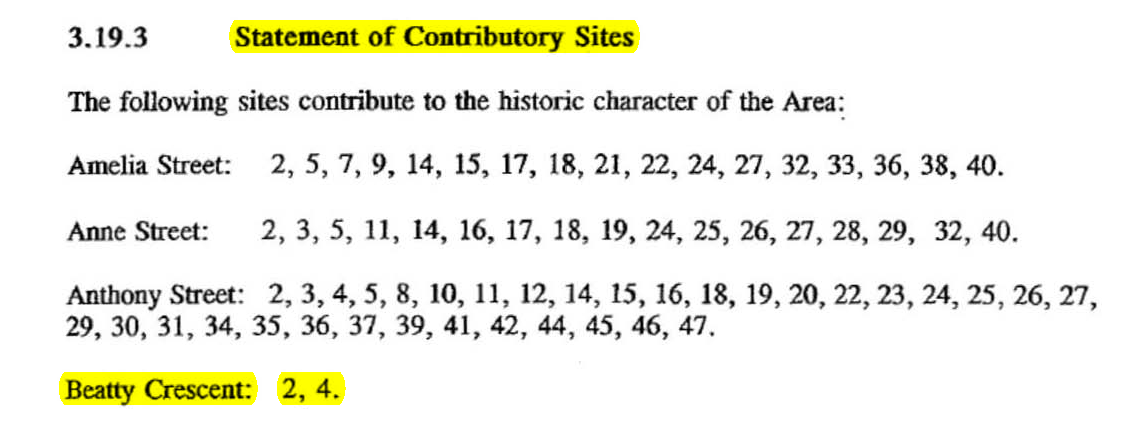
 PS: In the officer’s report for the demolition of 4 Beatty Cresc., Ormond there is this statement: Council’s Heritage Advisor has identified that the existing dwelling is not contributory to the Ormond Precinct Environs.

Once again accuracy does not appear to be a high priority in Glen Eira. The 1996 Heritage Plan, Volume 2, states clearly that this site IS CONTRIBUTORY to the overall Heritage area. Below is a screen dump of the relevant information.

beatty

At last week’s council meeting a permit was granted for a six storey and 117 units in Glen Huntly Road Carnegie – just past Grange Road. The area is now zoned Commercial (thanks to amendment C80) and is bordered by areas zoned General Residential Zone 1 (ie 3 storeys).

We have lamented time and time again the inconsistency and lack of accountability in Council’s planning offer reports. We revisit this issue via a comparison with a decision from September last year and the ensuing VCAT decision. What makes this inconsistency ten times worse is the questions that such a practice raises –

  • Is Carnegie the sacrificial lamb as opposed to North Caulfield (apart from the MRC windfall of the Caulfield Village?)
  • Is Glen Eira Council deliberately facilitating the creation of a ‘second class citizenry’, or are unknown vested interests involved that could explain such inconsistent and unjustified decision making?

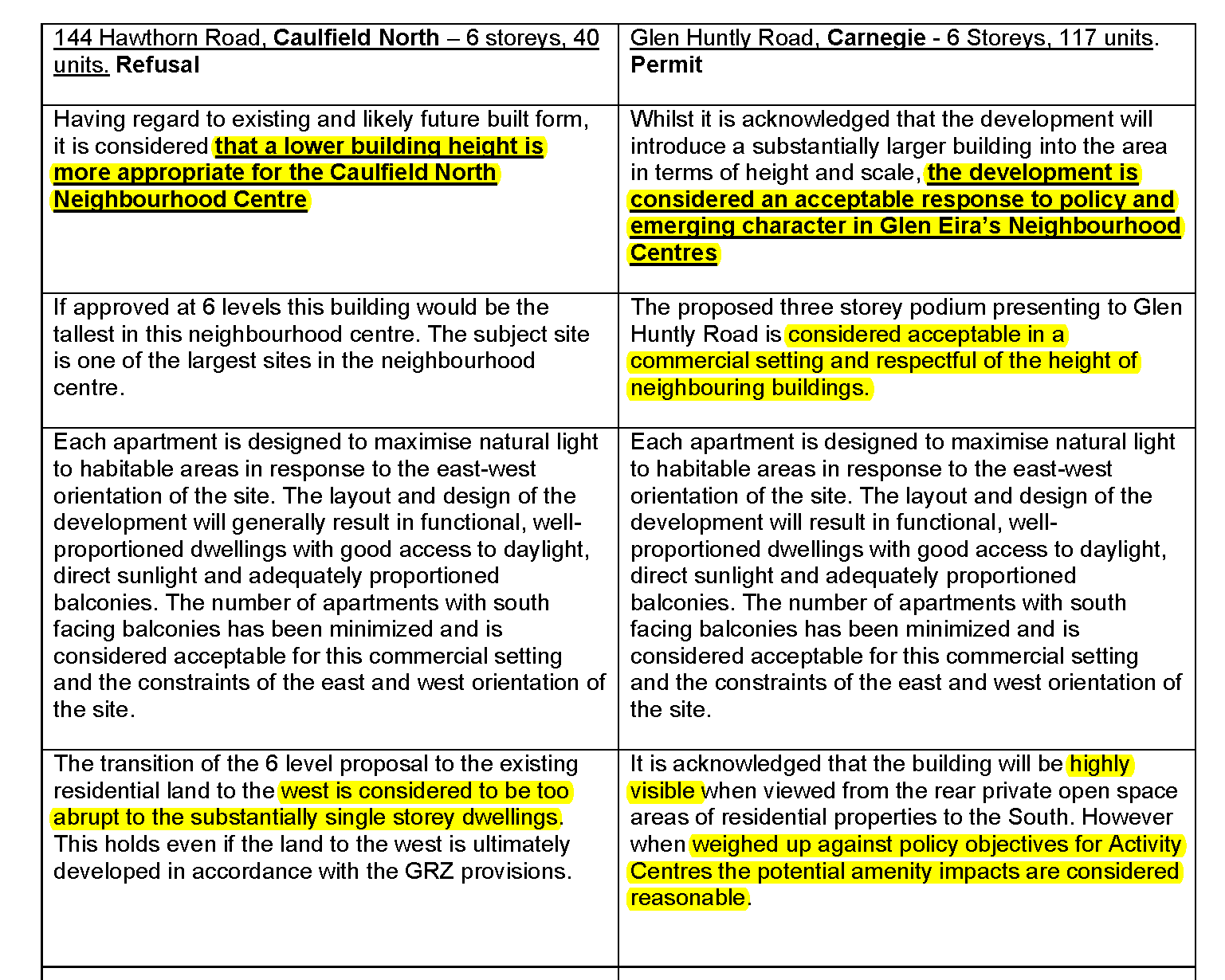
In September last year an application was refused by officers and councillors for a 6 storey development in Hawthorn Road. It was also zoned Commercial and surrounded by GRZ1 areas. The application was for 40 units. Below is a table featuring the officer comments from both reports. Please note that neither site is in an Activity Centre and both are on tramlines – Hawthorn Road being close to two tramlines.The only difference is that the Glen Huntly Road application is approximately 600 metres from  a railway station.

Please note carefully:

  • How the Caulfield North Neighbourhood Centre is treated in comparison to ‘Glen Eira’s Neighbourhood Centres’ from the Glen Huntly Road application.
  • Cut and paste (verbatim) – and not for the first time!

144 Hawthorn Roa1

The Hawthorn Road application has ended up at VCAT and the member granted a permit. Whilst we do not support all of the member’s comments, we repeat some of what he said from an earlier post and ask readers to consider how well Council does its work. For example, in the original officer’s report there was this statement – There are no off-street public car parks in the Caulfield North Neighbourhood Centre. This centre is a known ‘hot spot’ in terms of infringements issued for overstaying time restricted parking. This demonstrates a car parking shortfall which extends into evening times. Off course no statistics, no traffic analysis, etc. Thus, at the VCAT hearing the only ‘evidence’ supplied came, of course, from the developer!

Here are some select quotes from this VCAT decision –

The review site forms part of the Caulfield Park Neighbourhood Activity Centre, which falls within the category ‘Neighbourhood Centres – Commercial’. It is in a location where increased residential densities are anticipated, and facilitated, by policy.

while building heights for the Neighbourhood Centres have not been specified in the Planning Scheme, it follows from the above that the height of anticipated development lies within the range established for the residential area and that of the Urban Villages/Phoenix Precinct. The proposed six storey height sits comfortably within these expected outcomes;

It would not be appropriate, in our view, to simply respond to the existing context by limiting development to not more than four storeys, which would equate to the tallest existing structure in the centre, located on the south-western corner of Hawthorn and Balaclava Roads. This would not sufficiently respond to the policy seeking to intensify residential densities in this location. Rather, it would reflect an outcome that would have been anticipated under the former planning regime which pre-dated the strategic work that underpinned the Council’s current housing policies. A height greater than four storeys must reasonably be contemplated for this site given its size and the strategic importance of its location.

There is nothing in the Planning Scheme to indicate that a uniform height is sought for buildings within this centre. Indeed, as noted during the course of the hearing, the land within the activity centre is not affected by any overlays that regulate built form outcomes, such as a Design and Development Overlay or Heritage Overlay. Activity centres are commonly characterised by a varied skyline or building profile. Heights vary, and it is not unusual to find that one building is taller than the others. It may well be that this building will be the tallest in the activity centre. If this were to eventuate, we do not consider it to be an unacceptable planning outcome as, ultimately, it is likely that the disparity in the height with other buildings would be confined to something in the order of two storeys. We consider this to represent an acceptable graduation in height within this context.

Having regard to the scale and form of existing development, there is no question that, at six storeys, the proposal will have a level of prominence within the centre. This is both from within the immediate streetscape and from further afield, in more distant locations along Hawthorn Road, for example. We do not find this to be a reason to refuse a permit. The policies anticipate the emergence of larger built forms within the centre. It is to be expected that these structures will have a degree of visibility within their context. This is particularly so given that this development is ‘the first cab off the rank’ within a low-rise environment.

The Applicant’s evidence confirmed that the shortfall in the car parking provision can be accommodated by the surrounding on-street parking within a distance of some 350 metres of the review site. The empirical basis of this evidence was not challenged. Rather, the Council submitted that, in determining whether to approve the reduced parking provision, consideration should not be given solely to the existing capacity within the adjoining and nearby streets, but also to the demand that is likely to be placed on this resource in the future as the activity centre consolidates and is further developed

We have made our finding based on the empirical data contained within the Applicant’s evidence. The surveys of on-street parking availability clearly demonstrate that there is adequate capacity to accommodate both the two shop car spaces and three visitor spaces. During the daytime, the available car spaces are subject to a range of time restrictions which make them suitable for the short-term nature of parking associated with customers and residential visitors. At evening times and during parts of the weekend, restrictions cease operating. These periods coincide with the times when the peak demand for visitor parking is generally expected to occur. For these reasons we conclude that the proposed reduction in the car parking requirement is acceptable in this instance and not a basis to refuse a permit.

We acknowledge the Council’s concerns regarding the impacts associated with a series of incremental approvals that reduce parking requirements for new developments. We also recognise that this centre lacks an off-street public car park. Parking provision in the activity centre is a broader strategic planning issue that should be approached on a centre-wide basis. If warranted, such an exercise may lead to the introduction of a Parking Overlay, for example, that would assist the Council in achieving its objectives in respect of satisfying the car parking requirements of the centre over the longer term.

We conclude that if residents are to have any confidence in the planning decisions arrived at by this council then, in our view, there must be fundamental change. Officer reports quite frankly are sub-standard, lacking detail, and justification. Since councillors are reliant on such reports for their decision making, it follows, that the ‘quality’ of many of these decisions are uninformed and suspect.

Item 9.1 of the last council meeting is another example of amendments going horribly wrong for residents and wonderfully well for developers. Here again is the essential background in order for readers to accurately interpret what occurred. We also ask that special attention be paid to the ‘arguments’ of the various councillors.

  • As with the Virginia Estate amendment, this Glen Huntly Road land has a long, long history going back a number of years. It was originally zoned ‘industrial’ so an application was made to rezone the land and put an Environmental Overlay on the property. Quite coincidentally we assume, the property next door to this site also submitted an application for a ‘recycling plant’ that dealt with plastics and other toxic materials. What was quite incredible about this is that council for some time actually entertained the idea of having a recycling plant right next to future residential land and surrounded by residential land – in total breach of its planning scheme, state legislation and plain old common sense. As was stated at the time – in Glen Eira’s planning department the right hand does not know what the left hand is doing. (See: https://gleneira.wordpress.com/2012/07/31/pilling-foot-in-mouth-disease/)
  • The application for rezoning became known as Amendment C80 and also included a permit application for 5 storeys and 62 dwellings. Readers should note that the current sought after, and accepted, amendment is for 6 storeys and a whopping 117 dwellings. Thank you to the new zones!
  • The amendment went to a Planning Panel, but after much messing about, council decided to drop the development application and have the panel only consider the rezoning to Business2 zone. The introduction of the new zones which automatically changed Business zones to Commercial zones were already well known – yet council still persisted in wanting this area zoned Commercial.

Here are the most important facts:

  • The site IS NOT in council’s view a Major Activity Centre. It is on the extremity of the Glen Huntly Neighbourhood Centre and surrounded by people’s homes to a large degree – hence development should never be at this scale.
  • Rezoning to commercial, means that all control that council might have had for any developments on the site has largely been lost since Commercial zoning has practically no restrictions.
  • Council, if it had wanted to really protect its residents, should have opted for rezoning to either a Mixed Use Zone or a Residential Growth Zone – both of which, via the schedules, would have given Council and residents a far better outcome than what has now happened – ie the approval of a 6 storey development with 117 units!

Please consider what each councillor has said in what follows. It largely provides a synopsis we believe of every single thing that is wrong with planning in Glen Eira. – IE – not one single word on internal amenity; not one single statistic on traffic/parking; not one single response as to why the planning scheme itself is ignored by the recommendation and the vote!

Delahunty moved motion to accept with changes to required setbacks and increase in visitor parking. Seconded by Pilling.

DELAHUNTY: thanked residents for their ‘help in determining best use’ of the site and they provided ‘very well thought out’ arguments and reasons as to why the original application wasn’t the ‘best use of commercial space’ and not the ‘fairest use of the land’ for neighbours ‘at the back’. The final changes ‘make quite a difference’ to the development so that the ‘mix’ of commercial to residential is ‘more appropriate’. Said that the street will have ‘more intense development’ with more ‘vacant’ land close by. Thought that ‘given the zoning’ council had limited the ‘amenity impacts’ for residents and is ‘fair’. ‘Hoped that the applicant and the residents can accept that’. Said that the overshadowing argument put up by neighbours was reasonable since ‘it’s not fair’ that in certain hours their ‘backyards and frontyards are in shadow’. ‘Commended’ the motion and thought that this is where ‘sensible development needs to go’.

PILLING: ‘endorsed’ Delahunty and said that there’s a tramline, close to station, and in a Commercial zone and this is ‘where we want development to go’. Delahunty’s changes ‘do go a fair way to addressing residents’ concerns’. The setbacks are in a ‘wedding cake tier’ so would help in reducing visual impact. ‘In an ideal world’ they would prefer less height but ‘we can’t predict when things will be developed’ and they have to ‘look at each application as they come in’. Said that ‘in the future’ there would be ‘increased development’ between Grange Road and the railway line. Thought that ‘this development is in keeping with what we are expecting there’. Changes do address concerns of residents ‘but maybe not all concerns’ and overall thought that ‘it is a fair compromise in this situation’.

ESAKOFF: said she didn’t ‘like this application at all’ and ‘regardless of zoning’ the site is a neighbourhood centre, and ‘not even in the centre’ of this centre. Thought that ‘something of the size and scale of this is not appropriate’. There are only a ‘handful of properties’ in the area that ‘have an industrial or commercial type use’ and ‘outside of those properties it is residential’. Didn’t think that the conditions improve amenity for one surrounding property but ‘certainly not enough’. Although on a tramline, council isn’t ‘seeing six storeys’ along tramlines but ‘seeing it at 3’. Said that 3 ‘and even at four would be a more appropriate outcome’.

OKOTEL: supported Esakoff and thought that the conditions imposed ‘goes someway’ to ameliorating the concerns. But for this site ‘this is an overdevelopment’. To both the North and South it is a General Residential Zone so ‘we should be seeing a transition’ and the proposed 6 storeys ‘doesn’t’ support this transition. Thought that with just one building between commercial and general residential zone isn’t enough to provide the necessary transition. In terms of visual bulk, Okotel said that even the officer’s report admitted that with the setbacks, the 4th, 5th, and 6th storeys the building would still loom large. So properties from the front of Glen Huntly Road would ‘be faced with an enormous building’. Stated that a reduction in floors ‘would be appropriate so we would have that transition’.

LOBO: Called the development ‘a monstrosity’. Said that people know his views on the new zones so ‘I won’t be a broken record’. Said that Carnegie is ‘going, going, gone’. The suburb has been ‘ripped’ apart in terms of privacy, ‘devaluation of their homes’, but not a government concern even though ‘people have spent their life savings’ on their homes.

SOUNNESS: in his view the ‘reasons to refuse’ are whether it is ‘excessive in the area’, whether there is ‘sufficient transition’ to the residential areas, if it’s a ‘good use of the land’ and ‘whether it fits in with strategic objectives’.   Said he would ‘find it offensive’ it there was major overshadowing, and if the design lacked ‘character’. He would also ‘find it offensive’ if the developer hadn’t provided enough space for landscaping but he has so ‘it’s another tick’. Even though 6 storeys is ‘a large substantial building’ but with the setbacks ‘you won’t see’ it as this height. The impact for residents ‘will be much reduced’.

HYAMS: started by saying that this site is for development because it is on a ‘fairly large block’ and in a Commercial zone on ‘a tramline’. But ‘the question’ is about intensity of development. If there is a commercial zone then the greatest intensity ‘belongs in the middle of the commercial zone’ and further out it should be less. Here, it’s only commercial ‘on one side of the road’ and is opposite single storey homes, so 6 storeys and even 5 storeys ‘is too much’. He would ‘accept four storeys but nothing more’.

LIPSHUTZ: ‘concurred’ with Sounness. Said he ‘went down and had a look at the site’ and when first seeing the plans thought that 6 storeys was not on. But now with the steepled design it will ‘look like a three storey building’. Parking is ‘always’ one of his concerns and Delahunty’s conditions ‘are appropriate’. Setbacks also make it not ‘as bulky nor intrusive’. Another concern he had was overshadowing but ‘that’s been dealt with also’.

DELAHUNTY: said she ‘understood’ why other councillors might not support the application and conditions imposed. Reiterated that the overshadowing concerns that neighbours brought up at the planning conference have now been ‘dealt with’ by the conditions. With the Special Building Overlay on the property the application had to be changed and this has also been done satisfactorily. Said that she wanted to ‘touch’ on the financial statistics about homes in Carnegie. ‘Everyone wants to live in Carnegie’ and this ‘gives that dream (ie owning their own home) to more people’. Some live in ‘beautiful, beautiful suburbs’ and ‘it’s right that we share this with others’. ‘this will allow other people to live in and around Carnegie’. Said that there also hadn’t been ‘any devaluation of homes up to this point’ and wouldn’t be ‘post this point’.

MOTION PUT. OKOTEL CALLED FOR A DIVISION. VOTING FOR – DELAHUNTY, PILLING, LIPSHUTZ, SOUNNESS, MAGEE. VOTING AGAINST – ESAKOFF, HYAMS, LOBO, OKOTEL. MOTION CARRIED 5 TO 4.

Here’s a brief rundown of council decisions this evening:

  • Tree Register ‘abandoned’ – moved Lipshutz. Final vote in favour of ‘abandonment’ was – Lipshutz, Esakoff, Lobo, Magee, Okotel. Voting against – Delahunty, Pilling, Sounness, Hyams
  • Virginia Estate Amendment – voted in unanimously with much grandstanding by Magee and others.
  • Glen Huntly Road – 6 storey, 117 units – permit. Voting for Delahunty, Sounness, Okotel, Magee, Pilling, Lipshutz. Voting against – Lobo, Esakoff, Hyams
  • Amendment to ‘legalise’ office use at 305 Kooyong Road. Motion put by Sounness and Lipshutz. Motion lost and new motion to abandon amendment put up by Hyams won out.

We will report on each of the above in full in the next few days.

Apologies for another long post!

At last council meeting councillors voted to abandon Amendment C124 which proposed to rezone a disused industrial site in Clairmont Avenue to General Residential Zone 3 (ie three storey height limit). This was undoubtedly the ‘right’ decision, but it also raises innumerable questions regarding:

  • Councillors’ due diligence and the needless expenditure of public monies
  • an officer’s report (recommending adoption of the amendment) which is so selective in what is quoted that it is indeed laughable
  • more ‘problems’ with the current planning scheme that Council seemingly refuses to address

We will go through each of the above points in turn.

Due Diligence

Most of the arguments for rejecting the proposed amendment were known right from the start – ie traffic concerns, predominantly Neighbourhood Residential Zone area, lack of transport nearby or shopping strips. In the 6 months that it took to receive permission to advertise the amendment, receive submissions, go to a directions hearing and then a Panel Hearing, none of these factors CHANGED. So why did ratepayers have to fork out thousands and thousands of dollars for a panel, plus staff time, to propose something that was eventually overturned by councillors? Did councillors perform due diligence right from the start and investigate the area, and the proposed amendment thoroughly for themselves? If they did, then why didn’t they reject the proposed amendment much earlier in the process? Or was it that residents of Clairmont Avenue actually got together and started serious lobbying of councillors?

In the discussion for this item, (see below) several councillors made mention of the fact that they had received numerous calls from residents. We congratulate residents, but our argument remains constant. Councillor decisions should not be based on the number of complainants but on the facts of the matter. If all the arguments that appeared at the last minute and lead to the abandonment of the proposal were there right from the start, then the amendment should never have been entertained. It should have been rejected outright last July. It wasn’t, and so ratepayers find themselves funding another useless exercise in double-speak and bureaucratic bungling. Nor does this entire episode cover councillors in glory. For instance: why didn’t they listen to residents right from the beginning? Why did they merely blindly follow officer recommendations – not once, but twice, only to baulk at the final decision?

The Officer Report

Selective editing of important documents is not new to Glen Eira City Council. Unlike countless other councils, Panel Reports are rarely included (in full) in tabled minutes or agendas. Residents either have to physically go down to council to ‘inspect’ or wait until the Department places them up on their website. More worrying is that when decisions are made to adopt, reject, or amend, what is left out is often more telling than what is stated. There is much in this Planning Panel Report (uploaded in full HERE) that does not get a mention in the council minutes. Most of what is omitted is of course what council would like to keep out of the public domain. For example:

The Panel agrees that the application of the NRZ would be largely appropriate if it were not for the fact that that zone makes no proper allowance for development of redundant larger sites such as the subject site. (page 11) In other words, the current planning scheme is inadequate to deal with the two storey height limit imposed in NRZ for large sites.

And there’s more, including this explicit criticism of the ‘reformed’ zones –

While it might be possible for a multi‐unit development to be developed on the subject site by subdividing the land in advance of construction, in my view this would not be a practical approach to development of the site, especially if the development involved dwellings on more than one level. The provisions of the NRZ may well be have been designed to place stringent limits on the intensification of housing on prevailing standard sized house lots, but the absence of any provisions recognising the possible presence of larger sites within that zone with potential for redevelopment is a strange omission.

Accordingly, I agree with the Council that it is not reasonable in terms of making efficient use of the land for residential purposes to include the land in the NRZ. The GRZ3 is an appropriate choice – a zone specifically designed for in‐fill sites.

Conclusion? The Panel’s agreement to the rezoning of the land to GRZ3 is largely based on the fact that the current planning scheme has so many ‘omissions’, and is so inadequate to deal with this issue, that the only feasible solution is a GRZ3 zoning. The officer’s report naturally omitted this important paragraph and only included the final paragraph shown in the above quote.

What’s even more disconcerting is that the Panel has to recommend that Council to get off its backside and do something about traffic and parking issues in the street as well as ensuring that permits are adhered to.

The Panel noted the reasonably large amount on street parking occurring in the street at 4:15pm on the day of its inspection (more than 17 spaces were occupied) and that vehicles were being driven away around that time by persons apparently leaving work for the day. The Panel requested that Council particularly address this issue raised by submitters.

At the Hearing, Ms Pascoe advised that the Council’s engineers were aware of the parking and traffic issues in the street. She said that they were partly caused by the panel beating and motor repair businesses now operating on the site which have no planning permission. Enforcement proceedings have been initiated.

Again, this was not mentioned in the officer report! Nor was there any mention of the fact that the ‘accuracy’ of the applicant’s Traffic Report was seriously queried by Council’s Traffic Department. Yet, the amendment was still drafted and presented to councillors without spelling this out.

Finally, presented below is the ‘discussion’ on this item. We ask readers to pay careful attention to the various commendations of residents and keep in mind that ‘populist’ decisions do not equate with councillors performing due diligence and making sure they are fully acquainted with all the facts of the matter. Otherwise more and more money will be wasted on such enterprises whilst the real culprit, the planning scheme, remains untouched and unrevisited!

The Council ‘Discussion’

Hyams moved motion to abandon amendment and to notify applicant that council would be prepared to support an amendment to rezone to Neighbourhood Residential Zone. Seconded by Lobo.

HYAMS: said that there was ‘little doubt’ that the area should be rezoned for residential but the ‘question’ is whether this be NRZ or GRZ3. Said he would have liked to vote on the NRZ zoning now but ‘legal advice’ told him that they couldn’t do this without first abandoning the exhibited amendment and coming up with a new one. The choice is therefore to adopt ‘as proposed for GRZ3’ or to abandon. So ‘after consulting with residents’ he is prepared to ‘try and get a better result next time’ with a new amendment. He’s read the panel report, seen the site and talked with residents and thinks that GRZ is ‘inappropriate’ since it’s already a ‘narrow and busy street’ with a nearby school and an aged care facility that got approval for more beds up to 100+. There’s the questions then of whether the street ‘can handle’ all this traffic. GRZ zones are also ‘generally near shops and public transport’ and this doesn’t apply here. Once a GRZ zone is declared then it ‘limits our ability’ to control ‘what goes there’. Said it would be ‘ridiculous’ to limit ‘such a large block to 2 dwellings’ as applies in the NRZ but ‘that can be overcome through subdivision’. Thought there could be 8 blocks. Residents weren’t happy with the industrial zone because of ‘the noise that comes out of that’ but that they hope to get this right.

LOBO: said this is ‘most certainly not appropriate for our residents’ . Said that he and residents are ‘appalled that we are continuously giving in to the wishes of developers’. Said it is ‘shocking to see the opportunist’ wanting to ‘reap the benefit’ without ‘any concern for the residents’. Said that the spate of development has ‘drowned everyone including the best swimmers’. Residents told him last Sunday’ that they hadn’t got any letter from council inviting them to the panel hearing and the panel report then noted that no objector showed up. The aged care facility will see ‘another 101 residents’ and parking will be bad and bottlenecks for parents dropping kids off at school. ‘3 schools in the vicinity’. ‘The panel is out of touch with reality’ and that ‘they have no clue whatsoever compared to councillors’.

MAGEE interrupted and asked Lobo to ‘speak directly’ to the motion and to ‘leave the rhetoric and the stories out’.

LOBO: repeated the problems with the aged care facility and that the street is used as a thoroughfare through to Nepean Highway. Urged councillors to abandon amendment as this would ‘give a breather to the residents whom we are supposed to represent’.

MAGEE retorted that he thought that is what councillors do.

LIPSHUTZ: asked Torres about notice of the amendment. Torres responded that there was an ‘exhibition period’ and that residents ‘were informed of the amendment’. Also that it was the Planning Panel which notified submitters of their option to attend the hearings. Said that submitters did participate in the ‘directions hearing’ but that at the actual panel hearing ‘submitters chose not to attend’.

LIPSHUTZ: he ‘took umbrage’ at Lobo’s comments about council and developers. Said that ‘there is nothing wrong with profit’ and that the developer purchased this industrial site and now want to make a profit and that ‘this is a good thing’ because ‘that’s how we grow our society’. Besides, this developer hasn’t even put in a proposal yet so Lobo is ‘jumping the gun just a little’. At first he thought that there was ‘nothing wrong’ with the draft amendment. He then ‘went down the street’ and because it is a ‘narrow street’ and because of the nursing home a NRZ is the ‘preferred way to go’. ‘It’s not because of greed’ and councillors make decisions on what they ‘think is right’. They don’t ‘always do what residents want’ because ‘we are elected to make decisions’. They wouldn’t be doing ‘residents any favours at all’ if all they listened to was the ‘loudest’ voice. Said that ‘it’s all right to play the gallery’ but in the end councillors have to be ‘responsible’. Councillors have to ‘make the right decisions’ and if residents don’t agree then ‘that’s fine’ and residents can ‘vote us out’. In this instance applying a GRZ3 is not ‘appropriate’ because it will ‘allow too much development in this area’.

PILLING: agreed that Lobo’s comments ‘are inappropriate’ because ‘they misrepresent the process today’. His comments are ‘unnecessary, unfair and unwarranted’. Plus they ‘give the gallery the wrong view as well’. Thought that this was a ‘line ball decision’ since the panel recommended the GRZ3 zoning. The zones give a buffer area between RGZ, GRZ and NRZ which is normal across the municipality and he supports the motion because ‘there are special circumstances to this site’. He ‘appreciated’ all the calls from residents and even though he didn’t agree with all the comments he does agree that GRZ zones are generally close to transport hubs and this isn’t. So this is ‘probably on the perimeter of where a GRZ’ zone should be. So ‘it’s a line ball decision’ but he will support the motion.

ESAKOFF: agreed with Pilling and Lipshutz’s response to Lobo’s comments. Said that councillors had ‘received a lot of feedback’ from residents and that they had visited and ‘know the street pretty well now’. Street is small, ‘narrow and not close to public transport’. This area ‘is very different’ to other GRZ areas. Street is busy with nursing home, school, childcare, and ‘used by the staff who work along the highway’. Rezoning this to GRZ would ‘turn this busy street into an unsustainable one’. Hence it should be ‘zoned neighbourhood residential’.

DELAHUNTY: found it hard to accept Lipshutz saying that profit progresses society since ‘we stand here as a non-profit’ organisation that is in a ‘governance role’ is how ‘we progress society’ plus ‘other ways’ too. Because council doesn’t have the profit motive, that’s ‘how we ensure’ that decisions made are ‘transparent’ and ‘in the best interests of all the parties’. Thanked the residents who had ‘got themselves incredibly informed’ about ‘what was happening to their area’ and how they ‘imparted knowledge’ onto others and ‘helped us make this decision’. Said ‘there had been a volume of calls’ and she thanked residents. Supported abandonment and thought there were more ‘sophisticated’ ways of dealing with the area.

SOUNNESS: didn’t think it was a ‘bad amendment’ and that the ‘factors that speak for it are quite sound’ and a ‘couple of factors’ against. In favour was a major highway ‘right next to it’ and people drive cars. Didn’t think that traffic is ‘a big problem’ and on the narrow road, ‘there are other narrow roads’ in the municipality. Main problem was ‘transitioning story’. If transitioning from a ‘commercial 2 zone’ to a general residential to ‘something that’s got no height limit’ to something that ‘does have a height limit’. He ‘didn’t see the need for that transition to take place there’ since it’s all a ‘theoretical construct’. All in all, this amendment ‘has got too much growth that didn’t seem warranted’. Also didn’t ‘like the distance from public transport’. The application seems ‘reasonable’ and he has spent an hour in a recently opened coffee shop that seemed to be ‘doing gang busters’ so the ‘place is ready for urban renewal’. He looked forward to see this happening in a ‘measured way’.

OKOTEL: said that rezoning from industrial to residential is ‘far more appropriate’ use of the land. But having a general residential zone ‘might signal’ to the developer that council is ‘entertaining’ the idea of ‘more intense development’ for the site ‘which wouldn’t be appropriate’ because of the ‘existence of many one storey dwellings’ and the other factors that councillors have outlined. With the nursing home they ‘anticipate that traffic will increase quite a lot’. ‘Hoped that the developer takes up’ council’s ‘recommendation’ that this be rezoned to Neighbourhood Residential Zone and she ‘looks forward to that in the future’.

MOTION PUT AND CARRIED UNANIMOUSLY

As a postscript, we should mention that when it was decided to sent the amendment off to a panel, the ‘discussion’ took less than 2 minutes. Only Sounness who moved the motion spoke and basically said that he felt that the officer’s comments had largely ‘addressed’ resident concerns. No other councillor spoke to the motion and it was passed unanimously! Amazing, that in the space of three months there should be such a change of heart and such ‘garrulousness’ when previously there was utter silence from the vast majority of our elected representatives!


Crs Lobo/Delahunty

That a report be prepared outlining the number of new dwellings approved in the General Residential Zones and Residential Growth Zones. This report also to include the number of dwellings pending approval since they were created by the previous government. That the report show this information broken down by location. That the report also show a comparison to a previous relevant period.

The MOTION was put and CARRIED unanimously.

LOBO: said that the report is ‘self explanatory’ and he is ‘looking forward to the report’.

DELAHUNTY: said council could ‘make more use of the data’ and see the ‘comparative period’.

HYAMS: cautioned against ‘misinterpreting the information’ because if there is ‘a large number of dwellings being approved in certain areas’ then this isn’t ‘the result of any one factor’. Also ‘more buildings are being approved all over Melbourne’.

Another very, very long post. Sorry! However, we believe it is essential for readers to appreciate some of what is going on within this council. In our view there are several possible interpretations:

  • Councillors are starting to feel the pressure from residents regarding development, and deciding to play the ‘populist game’. Surely it is not mere coincidence that the number of objections appears to be directly correlated with the final decision? That in itself, should be a clear message to residents.
  • The destruction of street after street is now apparent to all and sundry. Plus, with elections not too far away this only adds pressure to be at least ‘seen’ to be doing something.
  • Is the ‘doing’ however, consistent, well thought out, and will it result in anything ‘positive’ for residents? These are the central questions!

The following report on the Bent Street application is indeed a clue to answering all of the above. Please note that:

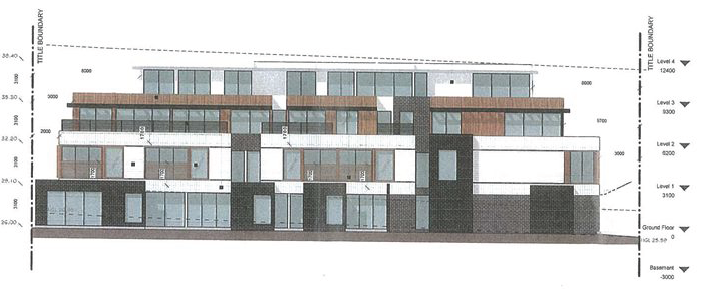
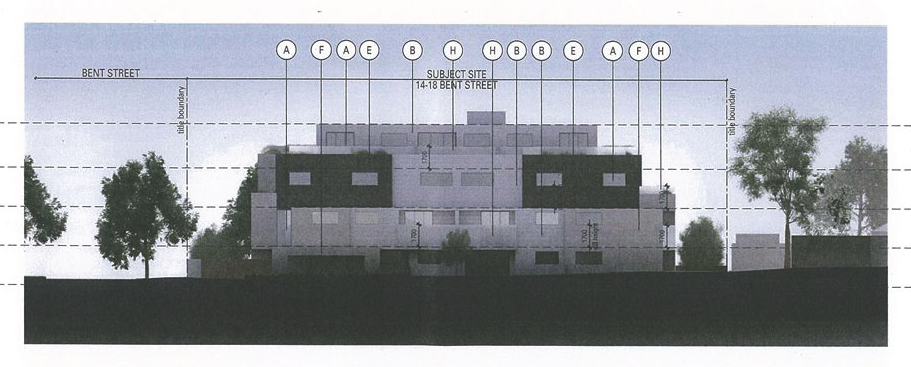
  • The existence of flat roofs had no impact whatsoever in October and December 2014, when councillors voted unanimously to allow one major development in Bent Street of 36 dwellings and another one of 55 dwellings where Lobo was the only councillor to vote against this application.Yet this current Bent Street attempt basically foundered on the fact that a ‘flat roof’ is not in keeping with ‘neighbourhood character’.
  • In the October decision not one councillor spoke of ‘neighbourhood character’. In fact, Delahunty even claimed that this building would ‘fit in nicely’ with the surrounds. Only Okotel and Delahunty spoke on the item that lasted about 5 minutes!
  • What is even more strange is that not one councillor mentioned these earlier decisions and the impact that they will have on ‘neighbourhood character’. Yet the current application is full of hand wringing about ‘neighbourhood character’ that has already been destroyed by these previous decisions!
  • Just so that readers know what we are referring to, here are the flat roof plans for both the previous Bent Street decisions.

Pages from October14-2014MINUTESPages from December16-2014-MINUTESSo, is anything changing for the betterment of residents and their amenity? All of these applications will end up at VCAT we predict and unless the planning scheme is reviewed, modified, and greater protection provided via the schedules, and a ‘preferred character statement’ for housing diversity that is made explicit, then we won’t be holding our breath. It is far too easy to blame state governments. Residents should be asking these councillors exactly what they have done in the past 6 months at least, to ‘reform’ the planning scheme. That is their duty, their obligation, and definitely within their powers. Thus far, they have done bugger all except talk of the need to do something! The time for positive action and not mere words is fast running out!

 +++++++++

Sounness moved to accept with some changes – setback for south rear side and site coverage to meet ResCode standards. Seconded by Pilling.

SOUNESS: started off by saying that development in Bent St has been ‘subject to a lot of discussion’. ‘Representations’ had been made to councillors about other developments in the street. Sounness did ‘recognise that this is quite a substantial building’ and that 31 dwellings do represent a ‘significant increase into the streetscape’. Said that the housing diversity policy does ‘speak about’ density and this is one of those sites. Went on to say that given the planning scheme and the ‘regulations’ council doesn’t have the ‘ability’ to say that this application should be ‘reshaped’. He thought that this was a ‘fairly acceptable application’ and the conditions are ‘quite reasonable’. Even though he is ‘uncomfortable’ to ‘go down the path of refusal’ wouldn’t ‘be appropriate’ mainly because of the ‘defense point of view at VCAT’. Claimed that there was some ‘difficulty’ with the way that the planning scheme ‘manifests expectations’ and what ‘neighbourhood character should be’. Wanted ‘further discussion’ with officers and councillors about how to address this. Stated that ‘evolving neighbourhood character’ is different to ‘existing neighbourhood character’ and that should be discussed.

PILLING: thought it fulfilled all the ‘boxes’ since it was one step back from McKinnon Road and close to the station. Also meets the 10.5 metre height limit. Said that it is slightly unusual ‘because of the slope’ so it will be part 3 and part 4 storey. ‘It does fit within our guidelines’ and the zone. It mightn’t be ‘perfect’ but ‘in this area’ which is close to transport and shopping ‘this is where we want development to go’. Thought that refusing the application is ‘going too far. It doesn’t warrant refusal’ since it ‘ticks all the boxes’. This is the ’emerging nature of this area’.

OKOTEL: said that her primary objection was that it ‘isn’t in keeping with neighborhood character’ and would like to see applications that ‘fit in more appropriately’ with the area. Referred to 2 previous VCAT decisions and said that neighbourhood character is also something that VCAT ‘considers to be important’ (one in Prince Edward Avenue and in Carnegie). So if VCAT considers something important then ‘so too should our council’. Policies should be ‘applied strictly’. Ended by saying that considering the ‘neighbourhood character in that street’ council should refuse the application.

ESAKOFF: this is ‘further away’ from the Bentleigh activity centre and it’s in the McKinnon Neighbourhood Centre where there should be ‘slightly lesser density’ than at the ‘other end of Bent St’. Supported the proposed conditions to ‘make right the site coverage’ and the ‘northern light’ but it doesn’t address neighborhood character and ‘we’re looking at a flat roof’ where pitched roofs dominate. ‘There are too many things against this’ to give a permit.

HYAMS: said that ‘our job’ isn’t to agree with everything that objectors bring up but to ‘listen to objectors’ and ‘weigh up for ourselves’. Said he understands about the sloping land and that therefore it isn’t really four storeys and ‘under normal conditions that wouldn’t be considered’. He is concerned about the ‘bulk’ and ‘neighbourhood character’. The 10.5 metre height limit was put in because they anticipated that this would give ‘scope for pitched’ roofs and flat roofs that go the whole length does ‘have an impact on neighbourhood character’. ‘There’s no other building in the area that has a flat roof except in the commercial area’ in McKinnon Road. So it’s completely ‘out of character’. Said that since there is this flat roof council can either ‘accept’ or refuse the application as the ‘only alternative’. Said that there were other problems such as site coverage, overshadowing, and setbacks but these have ‘been dealt with by conditions’ so aren’t ‘fatal’ to the application because conditions have seen to them. But ‘bulk and character are fundamental’ and ‘can’t be dealt with by conditions’. At the planning conference people were talking about the impact of the new zones but this has not got anything to do with the zones and Hyams gave the example of Lee St/Nicholson Streets which was ‘built before the zones’ came in. ‘The new zones have nothing to do with this’ and ‘it could have been built under the old zones’.

LIPSHUTZ: was in favour of the application. Thought that the ‘problems’ had been dealt with ‘by conditions’ and that the ‘only issue’ is about the roof. He ‘doesn’t see that as fatal’. He would be more concerned about setbacks and overshadowing. If one house is flat roofed then he doesn’t ‘see’ this as a problem. Said that the application ‘looks like a very reasonable design’ and not too bulky.

LOBO: said that Bent Street ‘all began’ when a real estate company ‘invited an overseas developer’ to invest and ‘big money’ paid for some houses. Plenty of other offers came in and other builders arrived like ‘ants’ after the sugar. They offered to buy mostly from people ready to go to ‘nursing homes’ and ‘necessity is the mother of virtue’.   Said that ‘greed’ is destructive and ‘destroys everything’. The application is another example of ‘being ripped open by developers’. Said that Tommy Bent is probably rolling ‘in his grave’ seeing all this destruction. Said that ‘no consideration’ is given to residents about parking, ‘loss of neighbourhood character’ and infrastructure ‘strain’ and schools. The street is ‘reaching a saturation point’ and he ‘hoped’ that the zones ‘would be looked at’ to care for the community. Labor has promised to review and he hoped that ‘they keep up to their promise’. Said he received an email late the previous night about developers trying to sell two bedroom apartments and thought that as a councillor ‘our loyalty should be to residents’ and if he stands for relection in 2016 he couldn’t do this with a ‘clear conscience’ if he isn’t loyal to residents. He stood for election on the promise to oppose overdevelopment so won’t break his pledge.

SOUNNESS: said the planning conference was ‘heated’ and that there needs to be a ‘conversation’ with community about the zones ‘we have at the moment’. In his view if there is going to be density then ‘you put it near a train station’. Said that the Mckinnon station is on a ‘fairly significant line’ even though if people are heading into the city at peak hour they ‘will be standing’ because of the crush. Said that council’s ‘capacity’ to refuse ‘is limited’ because ‘our zones don’t clearly say this is wrong’ and what they do say is ‘that this is the type of thing we want to have’. Said it’s up to councillors to ‘say what we want’. In this case the application is ‘good enough’ so he will support it. He had listened to objectors but thought that there wasn’t the capacity to refuse especially if it went to VCAT.

MOTION PUT AND LOST: voting against – Hyams, Esakoff, Okotel, Lobo, Delahunty. VOTING FOR: Sounness, Lipshutz, Pilling, Magee

Hyams moved motion to refuse permit on grounds of inconsistency with planning scheme; ‘excessive bulk’, neighbourhood character, setbacks, etc. Esakoff seconded.

HYAMS: said there are ‘objective’ and ‘subjective’ elements with town planning. With the objective elements then the application with the conditions meets height limits, parking requirements but ‘where it falls down to me’ is on the subjective parts. Councillors have to look at the ‘subjective elements as well’ to do their ‘role’. Not a question of ‘right decision or wrong decision’ but for him ‘this does not meet neighbourhood character’ for the area. Referred to Bent as being the main property developer of his time.

ESAKOFF: said that she had already stated her objections to the application.

PILLING: ‘acknowledged’ Hyams’ points but that to refuse the application because of the roof was ‘going too far’. Claimed that there were ‘a lot of merits’ with this development . Referred to Lobo’s statements and that councillors ‘are here’ to ‘make sound planning decisions’ and whilst they ‘acknowledge’ residents’ concerns they also have to look at the ‘processes’.

DELAHUNTY: said that she hadn’t spoken previously because she was ‘undecided’ on how to vote and wanted to hear what others had to say first. Even though she often agrees with Sounness this time was prepared to err on the side of caution about neighbourhood character. This is ‘one of those areas where you wish for a different tool’ but the roof doesn’t fit into neighbourhood character. Said that it’s a ‘weird balance’ between ’emerging neighbourhood character and existing neighbourhood character’ and councillors need to ‘understand what our role is’ on this. Said the application shouldn’t ‘mirror’ the shops on McKinnon Road, but the houses in Bent Street. Said that it would be ‘fantastic’ to see applications coming in that are ‘sympathetic to neighbourhood character’. This is right for people to live and is ‘close to a train station’ but you ‘can’t have it all your own way’ and it needs to be ‘sympathetic to the existing neighbourhood character’. So because of the ‘contemporary architectural style’ she will ‘err on the side’ of caution.

SOUNNESS: said that the motions grounds of refusal have about three clauses that speak ‘to the debate’ on neighbourhood character and didn’t think that these are ‘well worded’ . Said that it’s like the councillors saying ‘we don’t like’ what has been put up. It is then ‘a mediation story’. If the motion is successful he hoped that the developer would ‘substantially redesign’ the building. Hoped for a ‘successful outcome with the minimum of risk’.

LOBO: said that ‘it is nice to see the softening of the heart’ and hoped that this could be ‘helped further by the present government’. Answering Pilling Lobo said that ‘we’re not planners but representatives of the residents’ and even if officers ‘recommend something’ that doesn’t ‘mean we have to agree’.

MOTION PUT AND CARRIED. Lobo called for a division.

Voting for the motion to refuse – Hyams, Esakoff, Okotel, Delahunty, Lobo

Voting against the motion – Pilling, Sounness, Magee, Lipshutz

« Previous PageNext Page »